
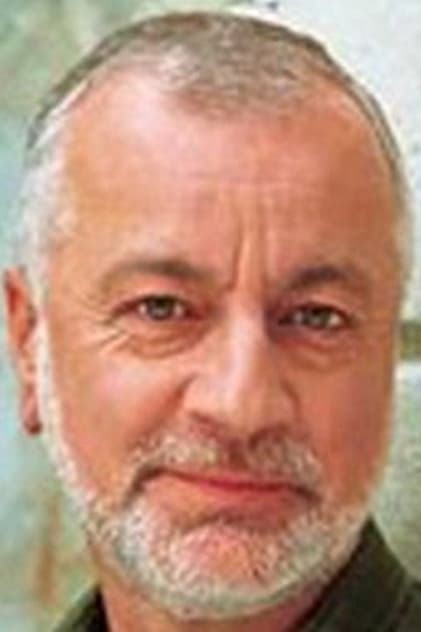
Jerzy Zass
Acting
Biography
No biography available for Jerzy Zass.
Born: November 7, 1937
Place of Birth: Częstochowa, śląskie, Polska
Known For
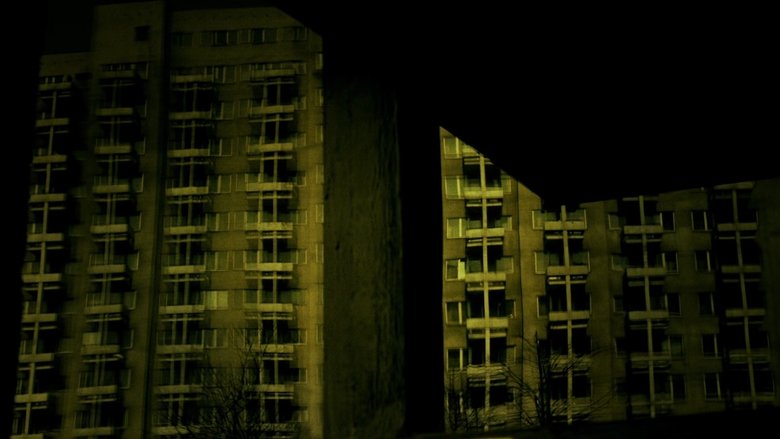
Dekalog
Dekalog (pronounced [dɛˈkalɔk]) is a 1989 Polish drama television miniseries directed by Krzysztof Kieślowski and co-written by Kieślowski with Krzysztof Piesiewicz, with music by Zbigniew Preisner. It consists of ten one-hour films, inspired by the decalogue of the Ten Commandments for thematic inspiration and an overarching structure, grapple deftly with complex moral and existential questions concerning life, death, love, hate, truth, and the passage of time. Each installment explores characters facing one or several moral or ethical dilemmas as they reside in an austere housing project in 1980s Poland, whose lives become subtly intertwined as they face emotional dilemmas that are at once deeply personal and universally human.
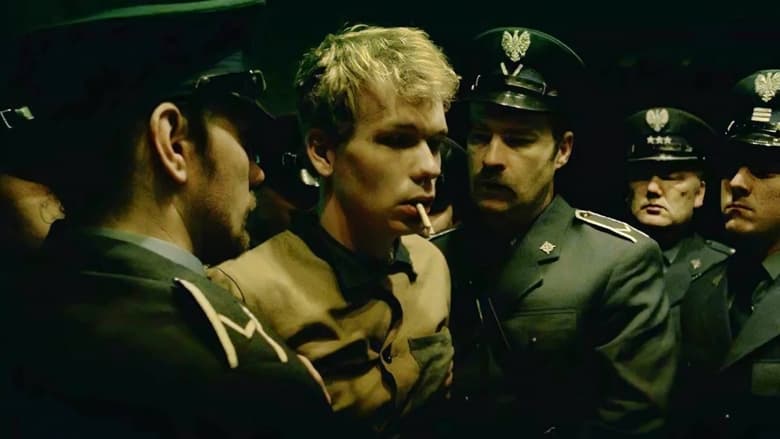
Decalogue V
Jacek, an angry drifter, murders a taxi driver, brutally and without motive. His case is assigned to Piotr, an idealistic young lawyer who is morally opposed to the death penalty, and their interactions take on an emotional honesty that throws into stark relief for Piotr the injustice of killing of any kind.
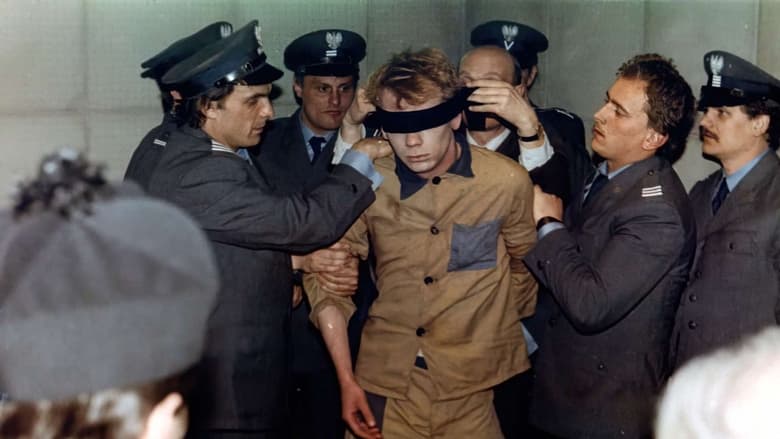
A Short Film About Killing
Jacek climbs into the taxi driven by Waldemar, tells him to drive to a remote location, then brutally strangles him, seemingly without motive.
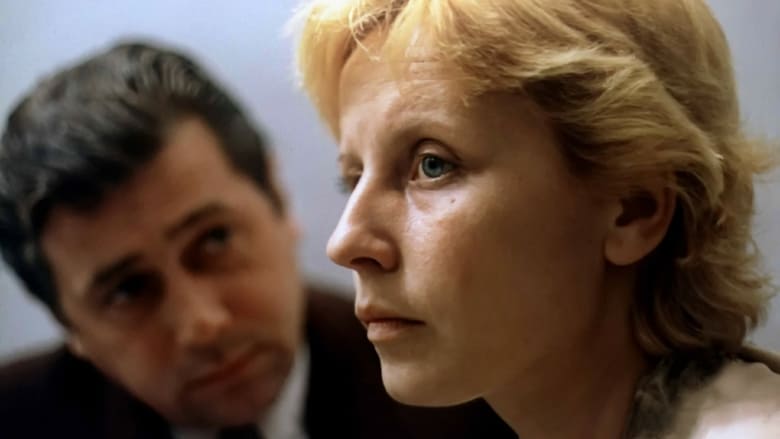
Interrogation
In Stalinist Poland, cabaret singer Tonia decides to spend the evening drinking with a group of friends. The next morning, she awakes to find that, for reasons unknown to her, she has been jailed as a political prisoner. As prison officials interrogate, torture and humiliate her, she fights for survival and to maintain her innocence by refusing to sign a false confession. As her years of imprisonment pass, her relationship with her captors grows more complicated.
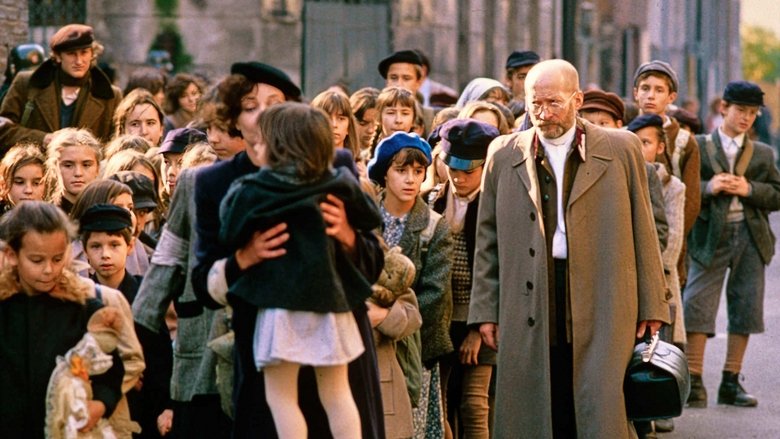
Korczak
The story of Polish pedagogue Janusz Korczak and his dedication to protecting Jewish orphans during the war.
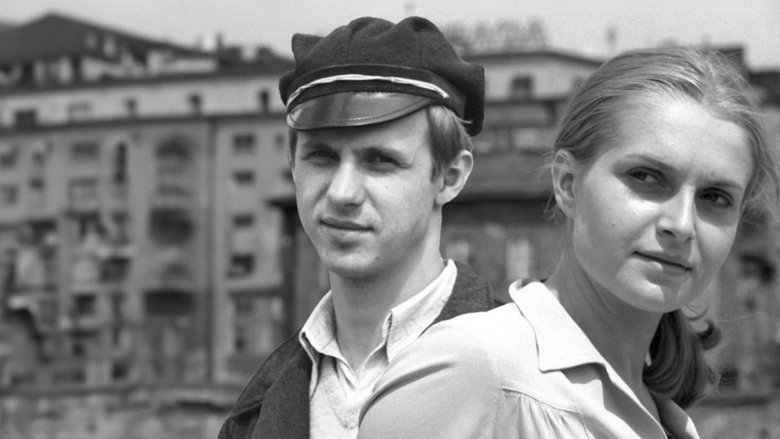
Dom
The story of the residents of a tenement house on Złota Street in Warsaw from 1945 to 1980.

Życie na gorąco
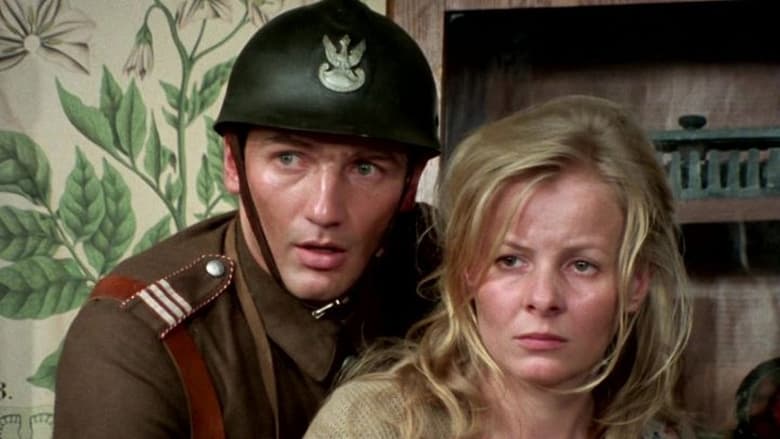
Polskie drogi
An epic, multi-threaded story about the fate of Poles during World War II. "Czas pogardy" was shown primarily from the perspective of two main characters - Lieutenant Władysław Niwiński and Leon Kuraś - a petty crook, but not without heroic traits. The authors of the series sought to show, in particular, everyday life under Nazi occupation in Poland.

O-Bi, O-Ba: The End of Civilization
The world has been ravaged by nuclear war. The planet is frozen and radiation kills anyone or anything that ventures outside of 'The Dome'. Soft is a shepherd for the last remnants of humanity who have gathered together as they await rescue from a mysterious craft known only as 'The Ark.' He wanders among the masses, performing his regular daily tasks; keeping morale from plummeting, wooing prostitutes, squashing rebellions, and sometimes feeding the hungry. But as the true and sinister nature of 'The Dome' comes to light, Soft must ask himself if humanity is worth saving...

Axiliad
A young, idealistic poet, turns his back on civilization and goes to small, backwood village, rents a bed in the house of an old woman, and decides to make his living as a lumberjack. Soon he realizes that the world around him is far from perfect.
Filmography
as sędzia na procesie Szymanki
as Tomczyk
as German wachman on the bridge
as Officer on Duty
as Warden
as Pokaz
as Prison Director
as Guest at the Pasikonik's Party
as Corporal
as Teacher
as Police Commander
as UB-ek
as Niemiec z psem przed poczekalnią stacji kolejowej
as dziennikarz na procesie brzeskim (uncredited)
as kierowca ciężarówki uczestniczącej w wypadku Leszka
as oficer policji niemieckiej przesłuchujący Strzałkowską
as Stanisław Dubois
as oficer SS