
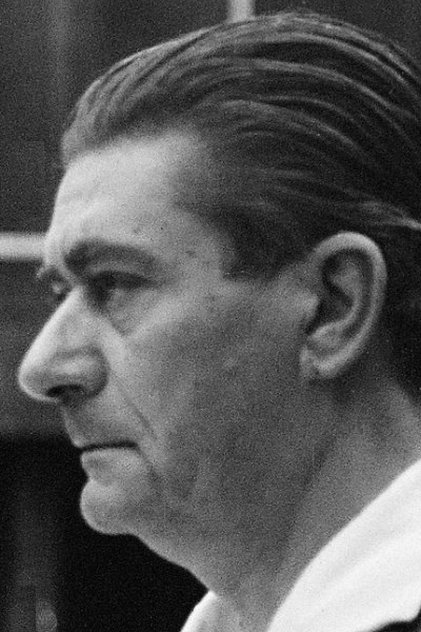
János Makláry
Acting
Biography
No biography available for János Makláry.
Born: February 10, 1907
Place of Birth: Budapest, Austria-Hungary [now Hungary]
Known For

Yesterday
October, 1956. Colonel lieutenant Szabó sends a platoon with the mission of calming the people demonstrating in the town. The platoon is lined up under the command of Lieutenant Csendes and the soldiers aim at the demonstrators. Szusza Kis changes sides, and Csendes is unable to shoot at his childhood mate. They withdraw.
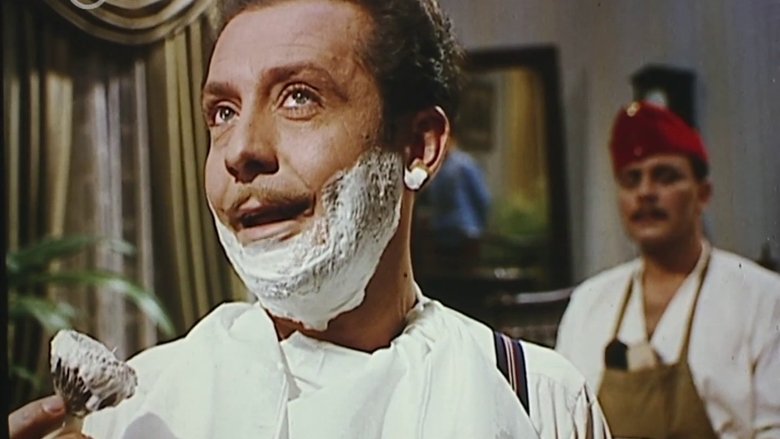
Military Band
Merry soldiers arrive in the sleepy Transdanubian town. The cynical woman-hunter, Ferdinándy, learns to know doctor Barlay's beautiful wife at a carnival. She lives a happy married life, and the attentions of the lieutenant are all in vain.

Keep Your Chin Up!
On the Spring of 1945 the Jackson circus is heading towards the border with the clown Peti and Aida, the elephant. They have to play for the Hungarian Fascists, while Peti is hiding the Jew Annuska and Sanyika.

The Smugglers
In the thirties, the poor living by the Romanian-Hungarian border were forced to smuggle if they wanted to survive. Mihály, a Hungarian peasant, kills a border guard while fleeing. He is fed up with smuggling and wants to put an end to it, yet he needs money to get a job, so he embarks on another turn.
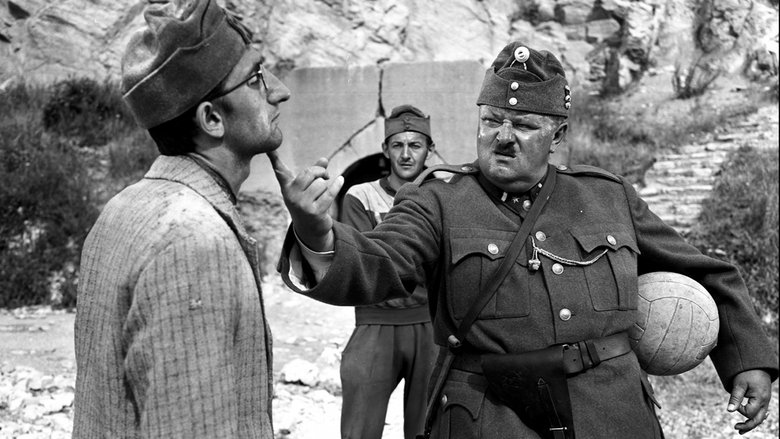
Two Half-Times in Hell
To celebrate Hitler's birthday, a soccer match is organised between the Germans and a group of Hungarian political prisoners, one of whom is a famous pre-war football star.
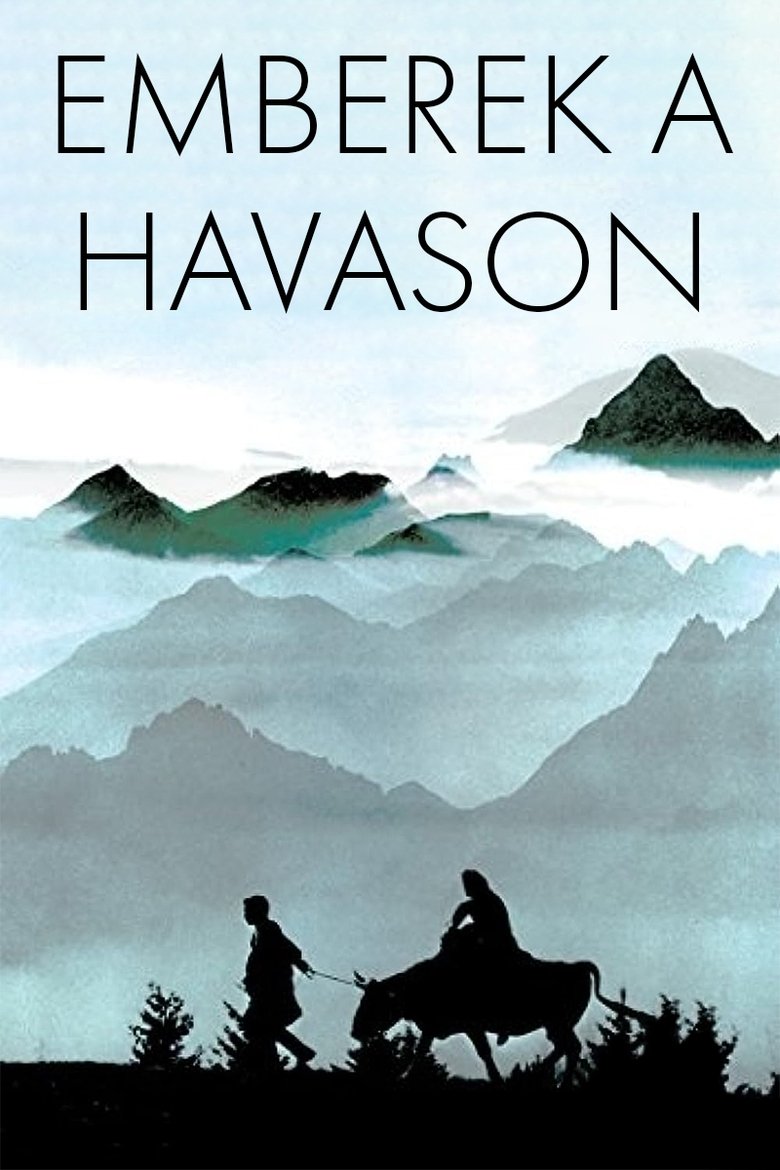
People of the Mountains
A simple, religious Hungarian woodcutter lives with his wife and boy child with a small community of squatters among the peaceful mountains of Transylvania until a lumber company claims their land and forces them all to become company workers or else leave the land. This 1942 Hungarian film takes a detailed and unflinching look at the hardships of mountain living, and the realistic approach proved influential to the Neorealist movement in Italian cinema. Hungarian master director Istvan Szots won the Biennale Cup at the Venice Film Festival for his auspicious debut, but the film was banned by the Nazis as "too Catholic" and not publicly exhibited until after World War II.
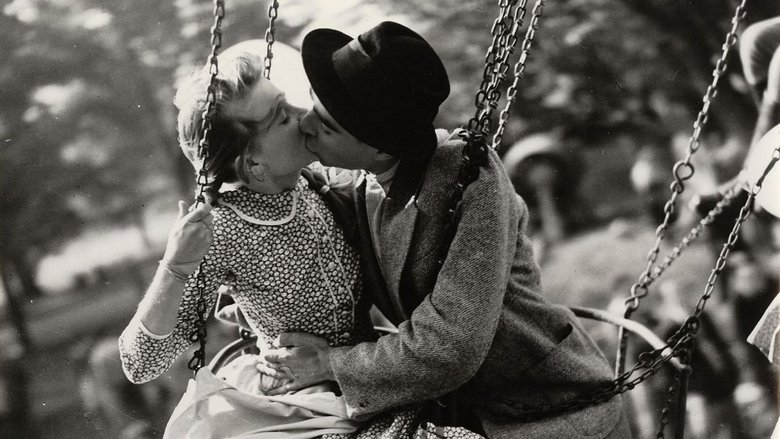
Merry-Go-Round
In a rural scenery in the throes of difficult changes lives a humble but promising young farmer girl called Mari Pataki. Her father forbids her from seeing the man she loves. The father, above all preoccupied by work on the fields and prospective wealth, decides to give his daughter in marriage to an old but rich man with whom he does business. Land marries land, he says. This seems to be the unyielding rule of the Hungarian peasantry. But the young lover is ready to stand up to any challenge to keep Maris love.

The Golden Peacock
Bálint Zeke, the honest old miller of the village, leaves his water-mill to Anna, his only daughter, while the will also provides for the mill to be managed by Forintos Mátyás, a young miller, whom he has been raising since he was very young and treats as his own son. The two young people seem to "like each other anyway", and their marriage would make the old man happy.

Karikák
The movie is based on a short story by V. Kataev. A young tractor driver Duri loves Dorka, the daughter of the owner of a ring-throwing attraction. The girl's father is against the marriage. Durie makes a cunning plan: he starts practicing ring throwing. At the opening of the attraction, Durie takes part in the ring toss and wins prize after prize, which he immediately hands out to the people around him. Dorka's father allows Dury to marry Dorka to save his business from ruin.
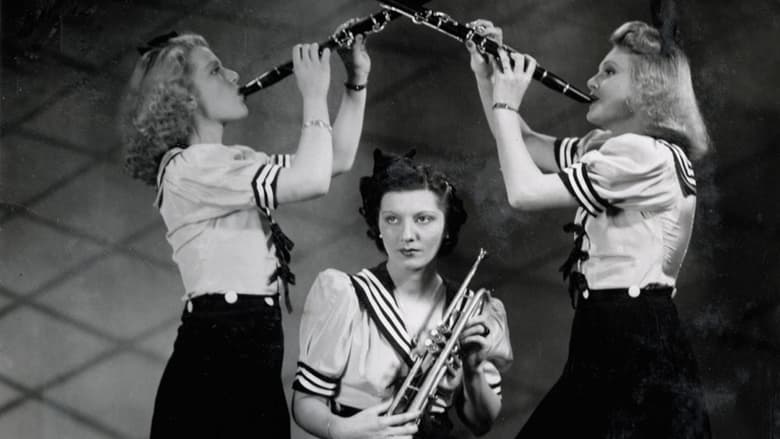
Two Girls on the Street
Two girls run away from a small village. Gyöngyi comes from an aristocratic family and her father throws her out of the house when he discovers she has gotten pregnant out of wedlock. She finds herself wandering the streets of Budapest and earns money playing the violin in a restaurant. Vica is an orphaned peasant; she is afraid of her stepfather and moves to the city where she gets a job on a construction site. Gyöngyi and Vica meet on the streets of Budapest, move in together and turn their lives around.
Filmography
as Művezető
as Vencel György
as Grandfather
as Holup őrmester
as Kovács
as Tanyai paraszt
as Father of Lydia
as Cipöpucoló
as Kovács bácsi
as german soldier
as Kocsis
as Dorka's father
as Elszámoltatóbizottság tagja
as Bédi
as peasant
as Rudi, bohóc
as guide
as Maklári János