
Johannes Buzalski
Acting
Biography
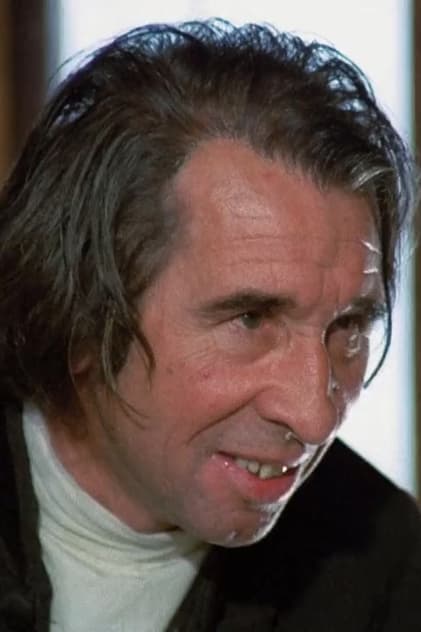
Johannes Buzalski was a German actor. He became particularly popular during the 1970s with the film series Laß jucken, Kumpel and Graf Porno.
Born: August 24, 1918
Place of Birth: Kwidzyn, Poland
Known For
Das Kriminalmuseum
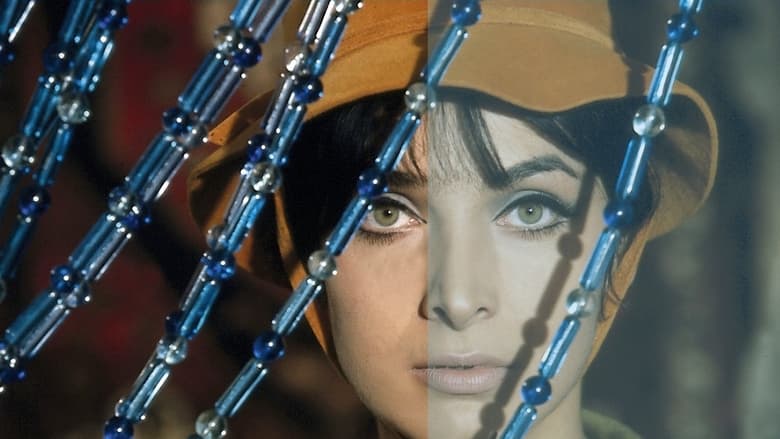
Das Kriminalmuseum was a German television series. It ran from 1963 to 1970 on ZDF and was one of its first programs. Each episode began with a tracking shot through an unspecified crime museum, stopping at one of the displays, whose story was then told. Each episode was between 60 and 75 minutes long and featured different actors as the criminal commissioner. The best known was Erik Ode, who in 1969 moved to Der Kommissar, appearing in 97 episodes. The theme music of the series was written by German composer Martin Böttcher, who also composed the complete scores for five episodes.
Das Kriminalmuseum
Das Kriminalmuseum was a German television series. It ran from 1963 to 1970 on ZDF and was one of its first programs. Each episode began with a tracking shot through an unspecified crime museum, stopping at one of the displays, whose story was then told. Each episode was between 60 and 75 minutes long and featured different actors as the criminal commissioner. The best known was Erik Ode, who in 1969 moved to Der Kommissar, appearing in 97 episodes. The theme music of the series was written by German composer Martin Böttcher, who also composed the complete scores for five episodes.
Invitation to the Dance
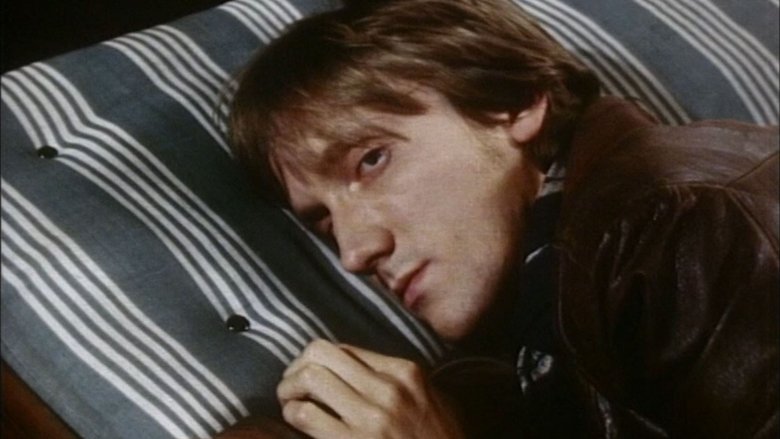
Theo Gromberg is a bon vivant, apparently with built-in guarantee to failure. Faithful to his side is his friend Enno, an Italian guest workers. Both have a dream: to which they want to get into the trucking business its own trucks.
Der Kommissar
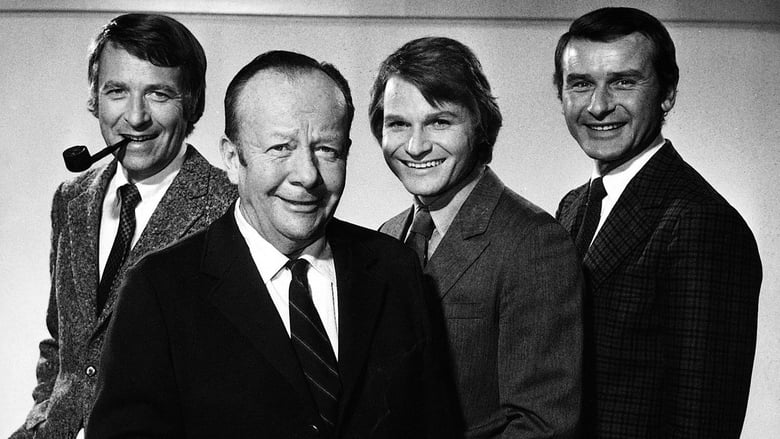
Der Kommissar is a German television series about a group of detectives of the Munich homicide squad. All 97 episodes, which were shot in black-and-white and first broadcast between 1969 and 1976, were written by Herbert Reinecker and starred Erik Ode as Kommissar Herbert Keller. Keller's assistants were Walter Grabert, Robert Heines, and Harry Klein who, in 1974, was replaced by his younger brother Erwin Klein.
Der Kommissar
Der Kommissar is a German television series about a group of detectives of the Munich homicide squad. All 97 episodes, which were shot in black-and-white and first broadcast between 1969 and 1976, were written by Herbert Reinecker and starred Erik Ode as Kommissar Herbert Keller. Keller's assistants were Walter Grabert, Robert Heines, and Harry Klein who, in 1974, was replaced by his younger brother Erwin Klein.
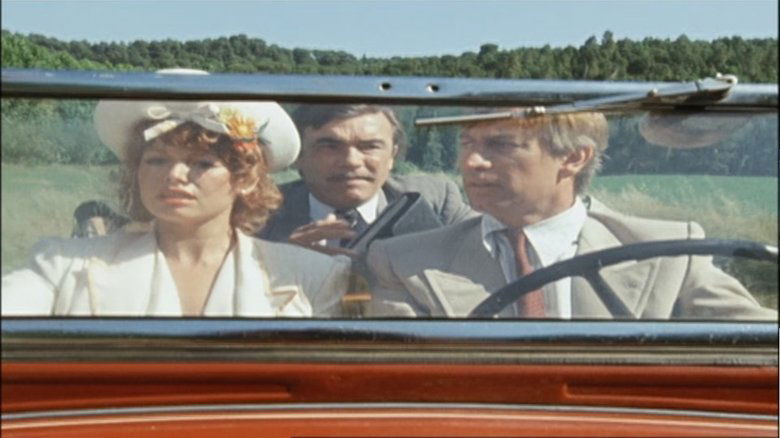
Es muss nicht immer Kaviar sein
Es muss nicht immer Kaviar sein is a TV adaption of a novel of the same name by Austrian author Johannes Mario Simmel. Directed by Thomas Engel Siegfried Rauch walks in the footsteps of O. W. Fischer who played the protagonist "Thomas Lieven" already in 1961, just one year after the bestseller had been released. The series is unique for providing a little cooking show at the end of each episode. The book also includes recipes because "Thomas Lieven" is an accomplished amateur cook.
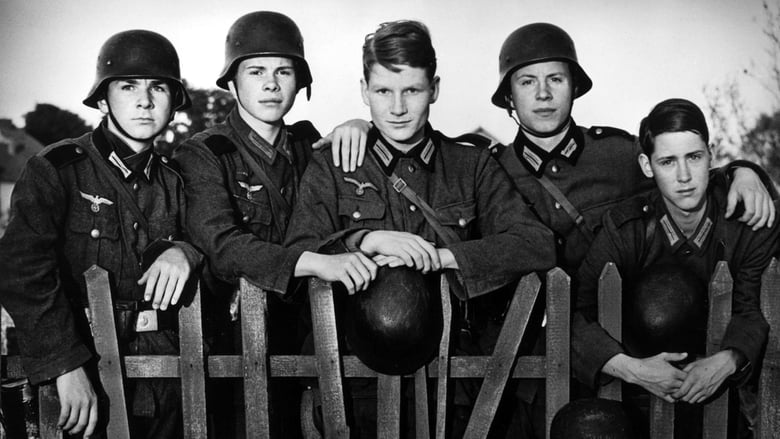
The Bridge
A group of German boys are ordered to protect a small bridge in their home village during the waning months of the second world war. Truckloads of defeated, cynical Wehrmacht soldiers flee the approaching American troops, but the boys, full of enthusiasm for the "blood and honor" Nazi ideology, stay to defend the useless bridge. The film is based on a West German anti-war novel of the same name, written by Gregor Dorfmeister.
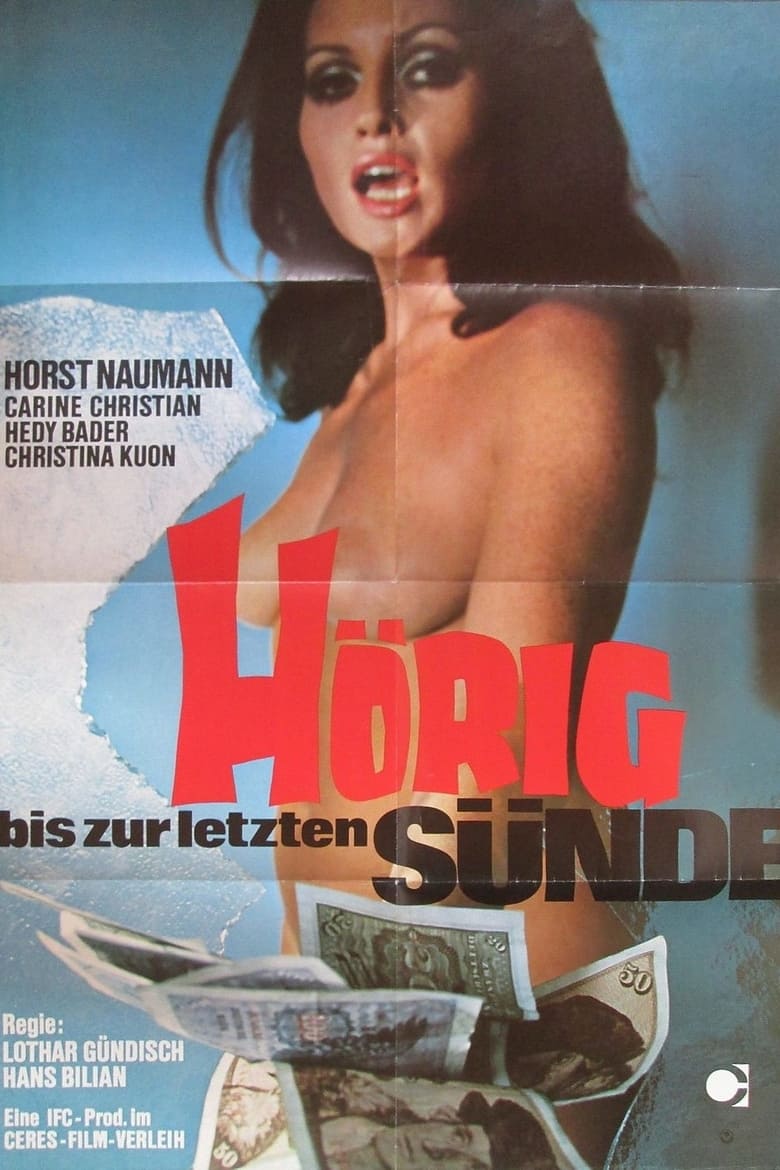
Hörig bis zur letzten Sünde
A bank employee is persuaded to take part in a robbery at “his” bank, hoping to pull off the coup of his life. His wife Christine demands luxury and is difficult to please. Suspicion quickly falls on him, as there was a particularly large amount of money in the bank that day...
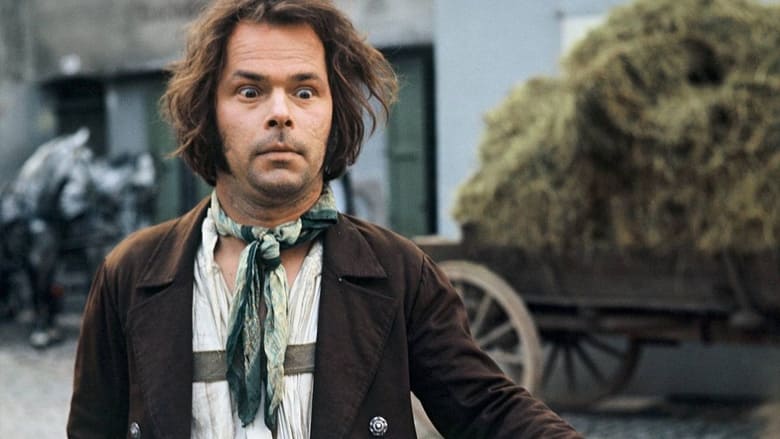
The Enigma of Kaspar Hauser
The film follows Kaspar Hauser, who lived the first seventeen years of his life chained in a tiny cellar with only a toy horse to occupy his time, devoid of all human contact except for a man who wears a black overcoat and top hat who feeds him.
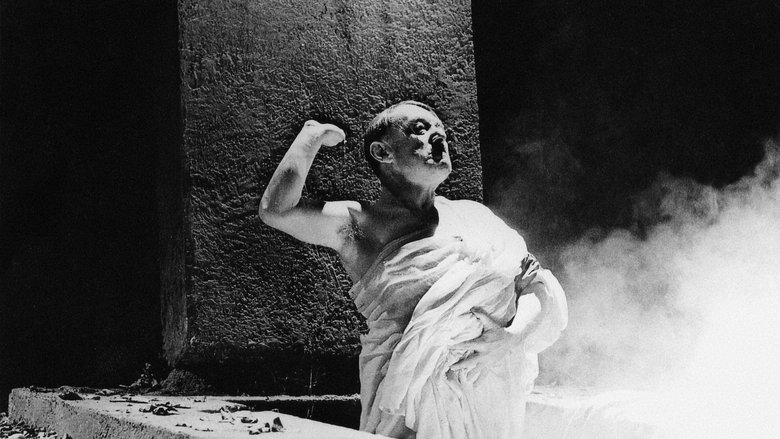
Hitler: A Film from Germany
A structure-free, four-part examination of the rise and fall of the Third Reich. Each part explores a different topic, from Hitler's cult of personality in propaganda to how said propaganda was associated with pre-Nazi German cultural, spiritual, and national heritage to the Holocaust and the ideology behind it, particularly from Himmler's point of view.
Filmography
as Hitler als Anstreicher / Eva Braun-Puppenspieler / Mann der Gesellschaft 1923
as Professor Vogelsang (archive footage)
as Torfstecher Hawkes
as Gefängniswärter
as Zwickel-Pit
as Billiardspieler
as Psychiatrist
as Porter
as Erwin Kutter
as Police Officer
as Nachbar
as Erwin Kutter
as Erwin Kutter
as Portier
as Gerichtssekretär
as Spanner
as Innkeeper
as Polizist
as Gangster
as Erwin Kutter
as Brandstifter am Puff
as Schneider
as Drunk Man
as Advocate
as Klempner
as Telephon Technician
as Freier
as Emmanuel Geibel / Hitler
as Hausmeister Pfeiffer
as Doctor
as Karl
as Arzt in der Nervenklinik
as Polizist
as Flori
as Pankraz
as Viktor
as Advocato
as Knastwärter
as Penner bei Prozession
as Herr Liebig
as Henke
as Jimmy
as Drunk (uncredited)
as Mann am Bahnschalter
as Pimo
as Agent (uncredited)
as Sani
as Inspizient
as Peter Quint
as Bühnenarbeiter
as Wounded Soldier
as Beggar
as Krämer
as Arzt
as Musikproduzent