
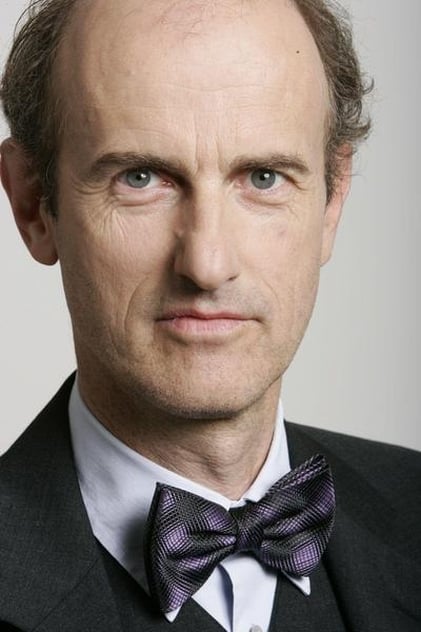
Johannes Herrschmann
Acting
Biography
No biography available for Johannes Herrschmann.
Born: February 25, 1959
Place of Birth: Landshut, Germany
Known For
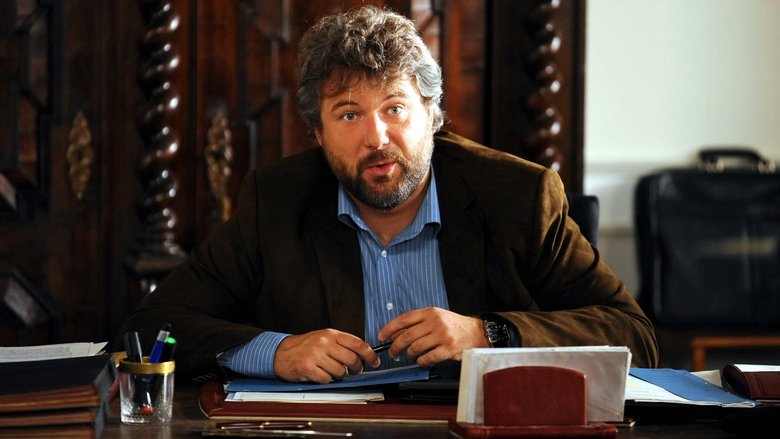
Der Kaiser von Schexing
Andreas Kaiser returns to his Bavarian hometown of Schexing after around 15 years. The mayoral elections are coming up, but there is no one who wants to take over the office. Municipal treasurer Nelz and town hall manager Rosi Specht see Andreas as the ideal candidate. Inexperienced as he is, they believe they have an easy game with him. A mistake, as it soon turns out. No less stubborn than his father, farmer Ludwig Kaiser, Andreas throws himself into his work, develops unusual ideas and slowly but surely begins to turn the idyllic village upside down. Which doesn't meet with everyone's approval.
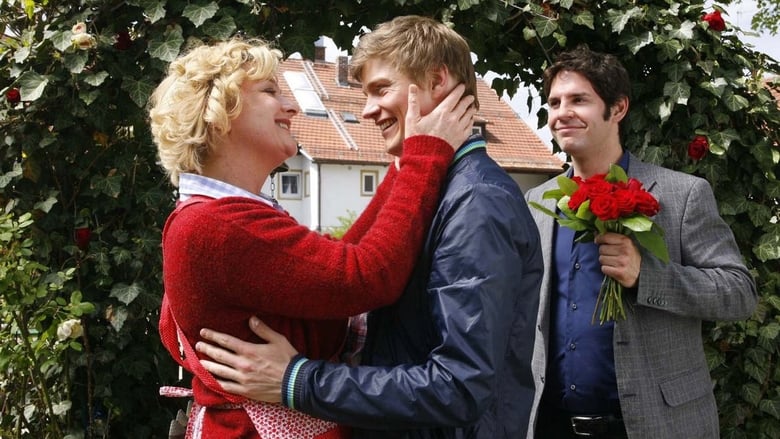
All You Need Is Love
When Katharina got an unexpected letter from her son Hans announcing that he was getting married and that he and his fiancé Nicki were leaving Berlin to come visit her...
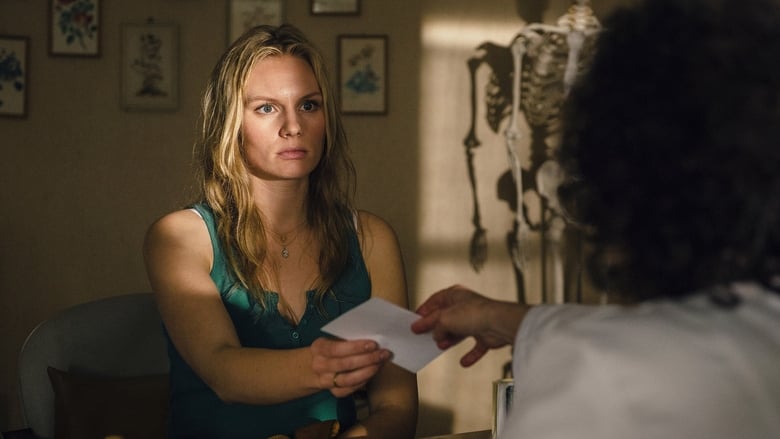
The Unheard Woman
What if nobody wants to believe you? Hanni, a farmer's wife and mother of three, is worried about her daughter Magdalena. The girl is smaller than the others, more sensitive, vomits more often and has increasingly poor eyesight. The doctors, the teacher and the family all say it must be her psyche. Glasses with normal lenses will certainly help. But as a mother, Hanni senses that a new pair of glasses won't change anything and that there is more at stake. Even plagued by an unheard-of memory from her youth, she begins to fight unwaveringly and unstoppably for her daughter's suffering, not only putting her family's happiness and her livelihood at risk, but also not shying away from the Bavarian justice system in the end.

Vier Frauen und ein Todesfall
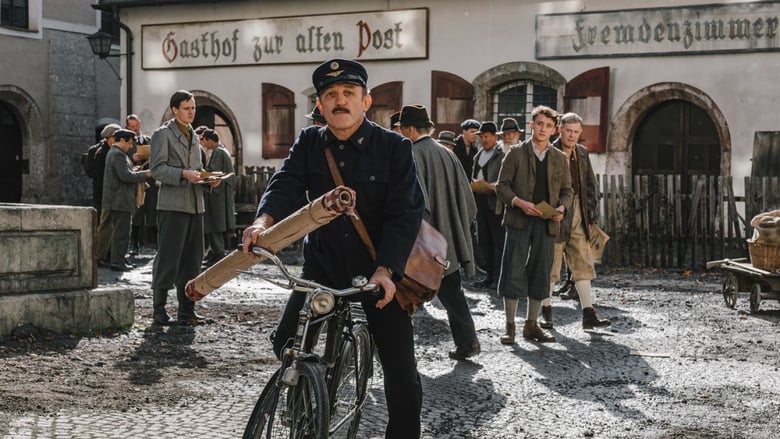
Shillings from Heaven
Tyrol, 1932: The world economic crisis is at its peak, radical political movements emerge. In a small Austrian community, the engine driver Michael Unterguggenberger accepts the mayor's office against better knowledge. But how is he supposed to save Wörgl? The power of despair and the support of his wife Rosa form the breeding ground for a daring experiment: Unterguggenberger wants to print his own money without further ado - so-called work confirmation notes. For this he not only has to convince the community of his city, but above all to rebel against the mighty banking.
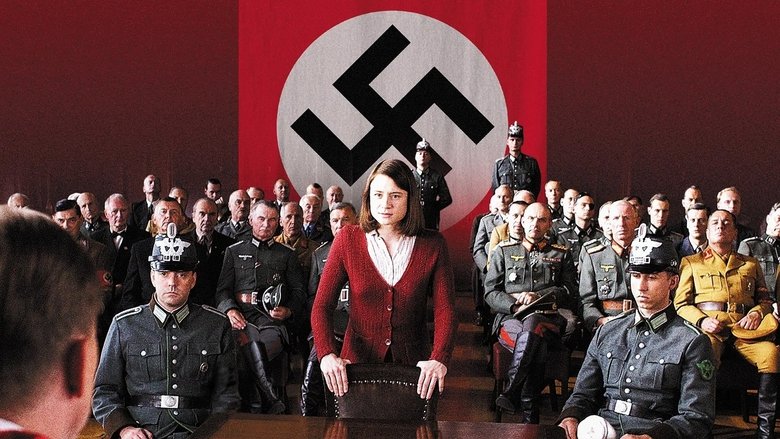
Sophie Scholl: The Final Days
In 1943, as Hitler continues to wage war across Europe, a group of college students mount an underground resistance movement in Munich. Dedicated expressly to the downfall of the monolithic Third Reich war machine, they call themselves the White Rose. One of its few female members, Sophie Scholl is captured during a dangerous mission to distribute pamphlets on campus with her brother Hans. Unwavering in her convictions and loyalty to the White Rose, her cross-examination by the Gestapo quickly escalates into a searing test of wills as Scholl delivers a passionate call to freedom and personal responsibility.
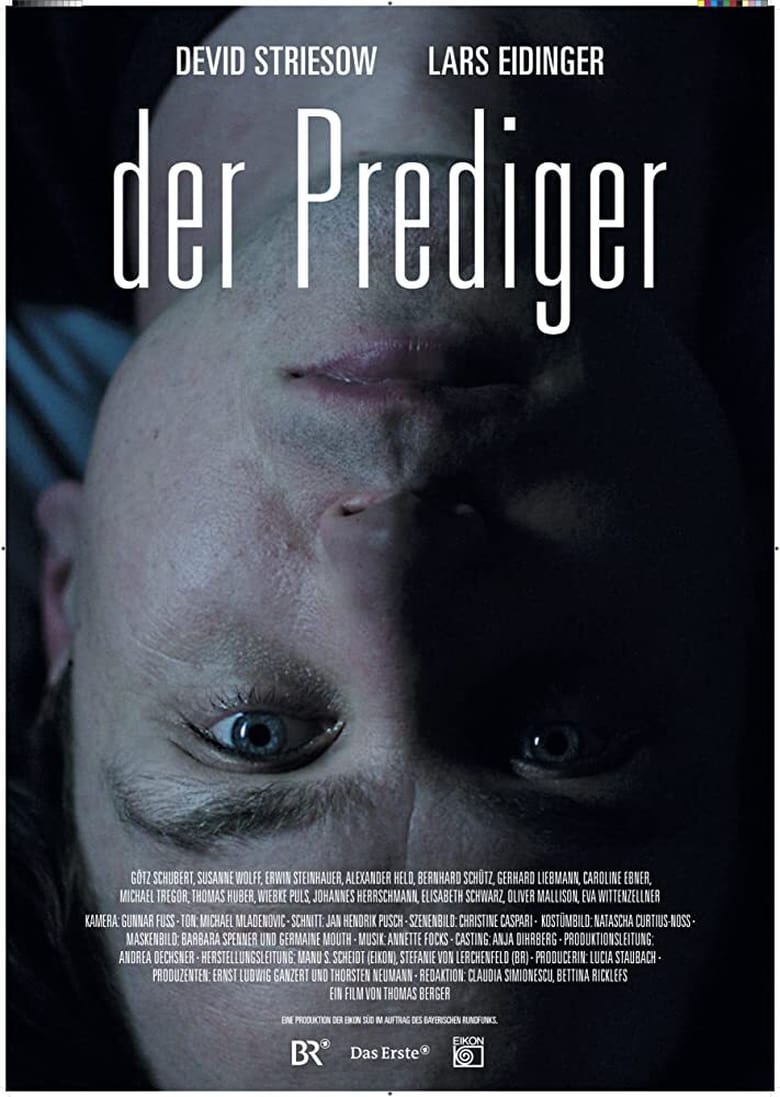
Der Prediger
Jan-Josef Geissler (Lars Eidinger) seems to have surprisingly found God. The man, once convicted of the murder of a young woman, presents himself as reformed and suddenly plans to study theology and become a priest, for which he seeks the support of the Church. The clergyman Ralf Remberg (Devid Striesow) is then tasked with verifying the sincerity of Geissler's motives to determine whether the incarcerated man is genuinely serious about the matter. However, the more Remberg delves into the case, the more he begins to question his own faith.
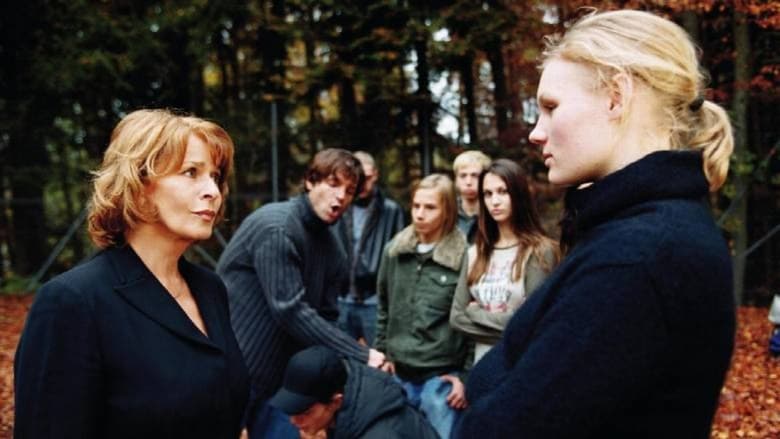
Emilia – Familienbande

München 7
München 7 is a German police drama series from Franz Xaver Bogner. The show is set in Munich, Germany and features the fictive police station "München 7" or "Munich 7". The main characters are the "Sheriff from Marienplatz" Xaver Bartl and his new colleague Felix Kandler. München 7 is part of a series of commonly branded shows with similar themes called "Heiter bis tödlich".
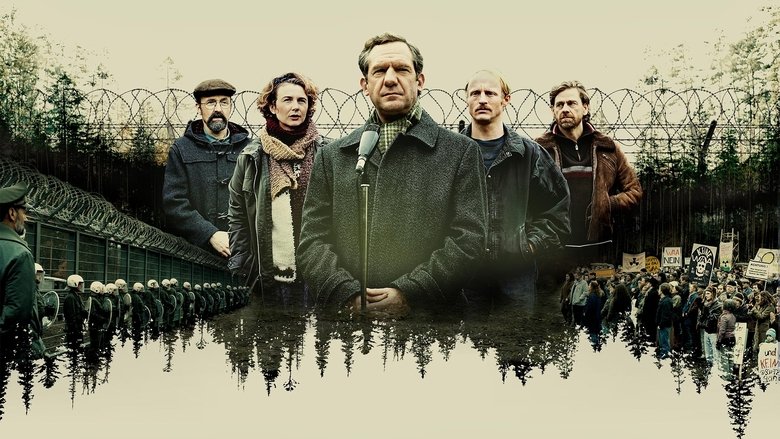
Wackersdorf
Not an easy decision! District Administrator Hans Schuierer from the Upper Palatinate first opposed his own political line in 1981 and finally against the entire Bavarian Free State and Prime Minister Strauss. Because the planned reprocessing plant Wackersdorf promised 3,000 new jobs for the structurally weak region - but what if these are associated with massive health and ecological damage for future generations? Isn't it then the duty of a politician and citizen to resist?
Filmography
as Franz Gollas
as Kriminaloberrat Becker
as Pastor Hechenberger
as Inspector
as Pfarrer
as Pirner
as Richter 2
as Adam von König
as Scheingraber
as Hajo Gellert
as Huber Karl
as Herr Hornfegg
as Franz Feininger
as Vermieter
as Werner Röder
as Karl-Heinz Gumberger
as Gerichtsvikar
as Pfandleiher Stangl
as Dr. Goetz
as Rudolf Wohlgemuth
as Gerichtsvollzieher
as Pfarrer Sonnleitner
as Leopold Huber
as Alois
as Ernst-August Sehmrauh
as Dr. Kreisler
as Karl Valentin
as Museumsleiter
as Hans Soleder
as Bruder Johannes
as Johannes Kreuzberger
as Benjamin Weiss
as Herr Schilcher
as Bischof Limburg-Elster
as Scharfrichter
as Karl Haun
as Norbert Franke
as Werner Kraisig
as Josef Pfistermeier
as Steinmeier
as Postbote
as Herr Kuhlbrodt
as Detektiv Harry Buntfuss
as Chef
as Fotograf
as Silowsky - Leitender Ingenieur
as Hans Hummel
as Max Klett
as Georg Hermes
as Dr. Kastner
as Dr. Meier-Knecht