
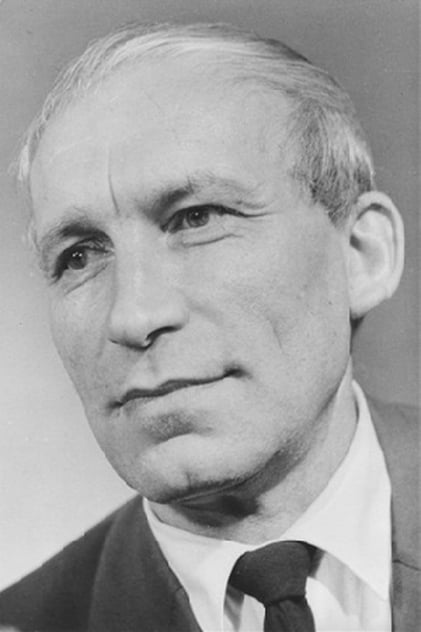
Johannes Wieke
Acting
Biography
No biography available for Johannes Wieke.
Born: May 31, 1913
Place of Birth: Leipzig, Germany
Known For
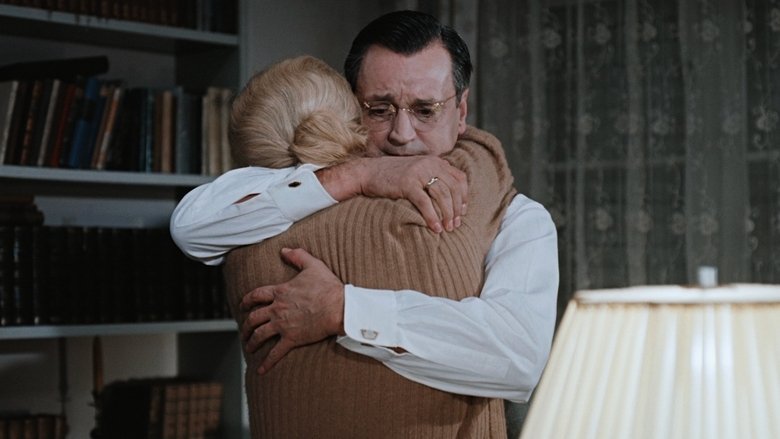
KLK Calling PTZ – The Red Orchestra
East German film about the history of Red Orchestra, a real life German pro-Soviet spy ring created after the rise of Hitler that turned into a resistance movement led by a leftist Nazi officer, Harro Schulze-Boysen, and Arvid Harnack.
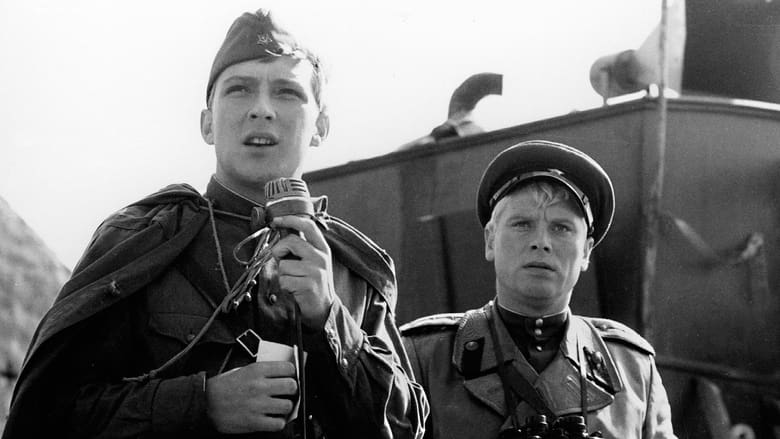
I Was Nineteen
A young soldier enters Germany with Soviet troops at the end of WWII, feeling like a stranger in his homeland. As he meets Germans, he grapples with his ambivalence, realizing he is both a victor and one of the vanquished. His inquisitive nature leads him to confront the atrocities and lies he encounters along the way.
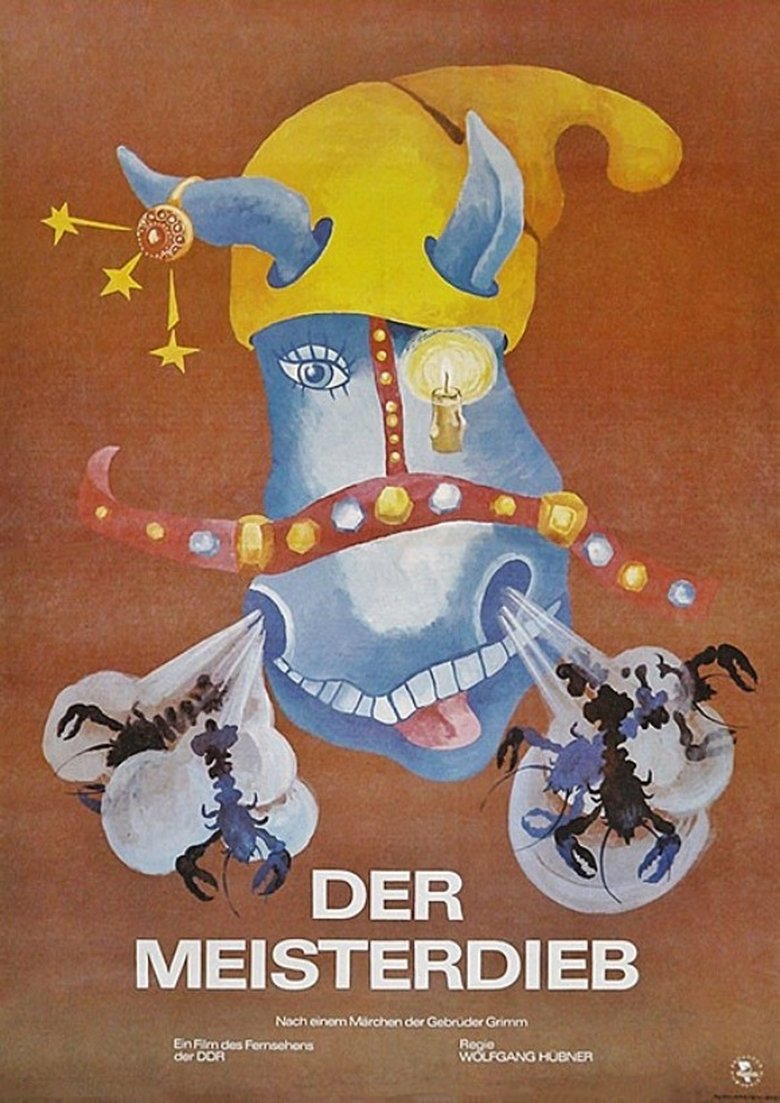
The Master Thief
A master thief returns home. There he is threatened with the gallows if he fails to solve the tasks set by the count. So he has to steal the count's personal horse, the bed sheet and the wedding ring as well as the priest and the sexton.
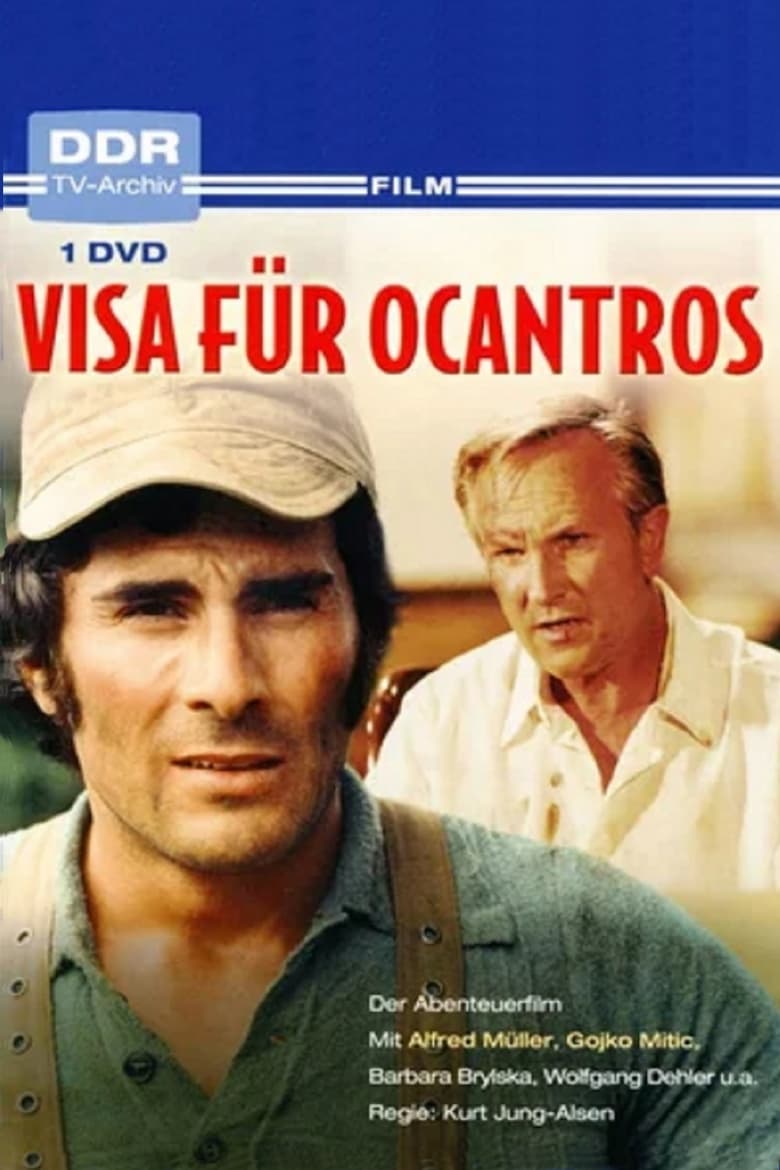
Visa für Ocantros
In the troubled state of Ocantros, the prime minister is assassinated. Martin Katrup, who is responsible for setting up a large printing plant, is also on the island at this time. A short time later, two of his colleagues disappear without a trace and Katrup sets off in search of them. The situation is exacerbated when the secret service tries everything in its power to spark a coup and a civil war.

The Stolen Battle
In 1757, the second year of the Seven Years' War, Frederick II the Great stands at the gates of Prague. He has been trying to take the city for weeks, as the enemy commander Duke Charles of Lorraine is inside. Frederick has just defeated him, but the tide could soon turn against the Prussians, as new Austrian troops are approaching. None other than the famous master thief Andreas Christian Käsebier is to sneak into Prague to open the gates from the inside. As a reward, the king promises him freedom. Käsebier accepts the offer because he is tempted to steal an entire city. But by chance, Käsebier learns that the king wants to betray him. After a successful battle, he is put back behind bars for life. This doesn't suit the master thief at all, especially as he has just fallen in love with Katka in Prague.

The Sailor's Song
A film about the historical uprising of the seamen in Kiel: During the Russian October Revolution of 1917, German and Russian soldiers start to solidarize with each other. By disarming the officers, machinist Henne Lonke and stoker Jens Kasten prevent the attack on a Russian freighter. When German admiralty gives out orders for operation "Nibelungen", which would lead the German fleet into a suicidal attack against England and quell the revolutionary spirit, seamen and soldiers from different political backgrounds unite in protest.
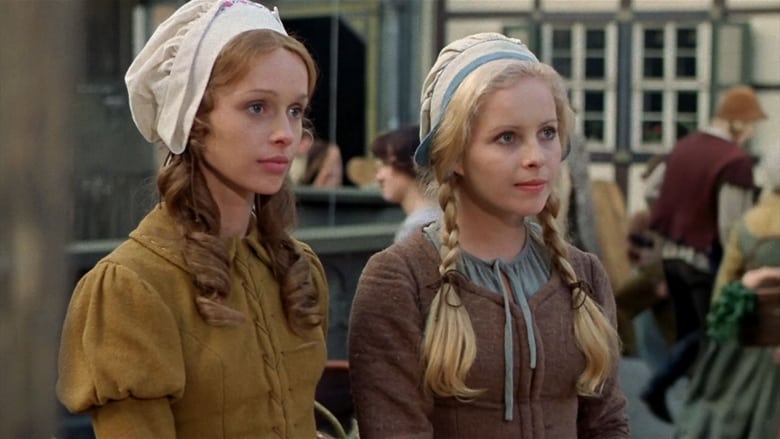
Snow-White and Rose-Red
In an enchanted forest, the princely brothers Michael and Andreas get lost and are transformed, by a mountain spirit who jealously guards his underground treasure, into animals until the unlikely event of sincere love from a human. The only persons who may be able to give such love are the local commoner sisters Snow-white and Rose-red, who are kind and helpful by nature and stand to harvest unimagined rewards.
Polizeiruf 110
Polizeiruf 110 is a long-running German language detective television series. The first episode was broadcast 27 June 1971 in the German Democratic Republic, and after the dissolution of Fernsehen der DDR the series was picked up by ARD. It was originally created as a counterpart to the West German series Tatort, and quickly became a public favorite.
Polizeiruf 110
Polizeiruf 110 is a long-running German language detective television series. The first episode was broadcast 27 June 1971 in the German Democratic Republic, and after the dissolution of Fernsehen der DDR the series was picked up by ARD. It was originally created as a counterpart to the West German series Tatort, and quickly became a public favorite.
Polizeiruf 110
Polizeiruf 110 is a long-running German language detective television series. The first episode was broadcast 27 June 1971 in the German Democratic Republic, and after the dissolution of Fernsehen der DDR the series was picked up by ARD. It was originally created as a counterpart to the West German series Tatort, and quickly became a public favorite.
Filmography
as Schulze Lier
as Reimers Vater
as Ewald Prohl
as Großvater Matthias
as Herr Reimann
as Der Alte
as Herr Krüger
as Behr
as Saphir
as Vater
as Eisenbahnaufpasser
as Oberleutnant Röder
as General von Zieten
as Arthur Zabel
as Walter Sundermann
as Opa Weber
as Herr Kersten
as Papa Schulze
as Bertins Vater
as Oberst Lewerenz
as Lehnertz
as Hermann Jansen
as Zivilist
as Herr Schwiebs
as Prof. Rudolph
as Captain