

Jorge Silva Melo
Directing
Biography
Jorge Silva Melo is a Portuguese actor, theatre director, writer, playwright and translator. In 1973 Melo founded the Teatro da Cornucópia with Luís Miguel Cintra. He received critical acclaim for his work as a playwright. From Wikipedia, the free encyclopedia
Born: August 7, 1948
Place of Birth: Lisbon, Portugal
Known For

Twin Flames
Redheaded twins Armando and Beatriz always dreamed of being firefighters but during a rainy, uneventful winter they find themselves spending less time putting out infernos than they do helping neighbors who’ve locked themselves out of their apartments. This is how Armando meets a pretty young woman with whom he begins a tentative courtship. But soon a rift grows between the siblings and, spurred by Armando’s exaggerated stories about his nascent relationship, Beatriz begins experiencing aural hallucinations that can only be remedied through music and, finally, the love of a stranger. Pinto made this impassioned fairy tale as part of a series of films about the four elements. - FilmLinc
The Satin Slipper
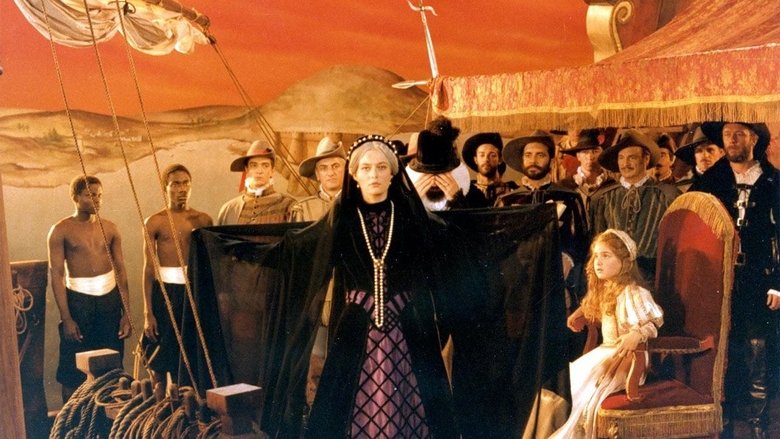
During the century of the Spanish Gold, Doña Prouhèze, wife of a nobleman, deeply loves Don Rodrigo, who is forced to leave Spain and go to America. Meanwhile Prouhèze is sent to Africa to rule the city of Mogador. Ten years later Rodrigo leaves America and travels to Africa in search of Prouhèze to find out that she died and eventually meeting her daughter.

The Jester
Set four years after the Portuguese revolution and the simultaneous loss of the Portuguese empire in Africa, the story concerns a director who sells guns to finance his play.

Lisboa no Cinema, Um Ponto de Vista
The city during the beginning of cinema. The typical city at the time of the dictatorship. The New Lisbon of the New Cinema. Lisbon after the Revolution. The white city of foreigners. A geographical and moviegoer screenplay of Lisbon through the images of films and testimonies of several filmmakers who filmed in Lisbon.
Gestures and Fragments
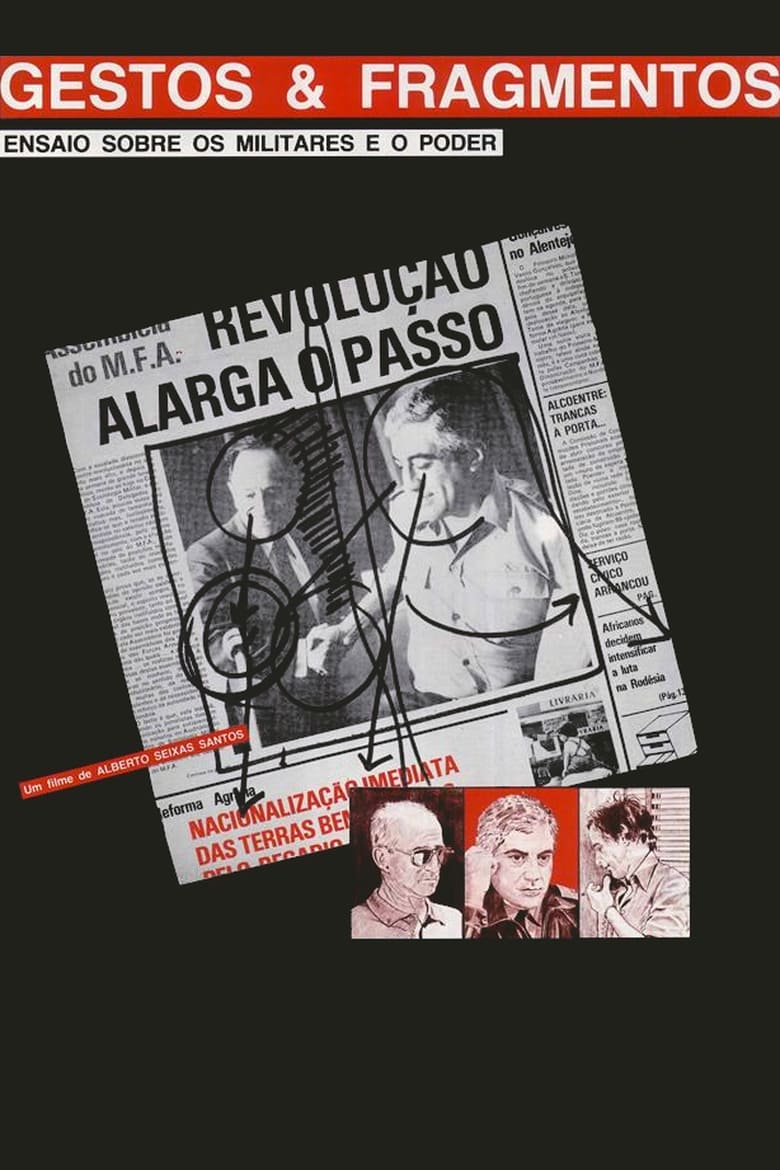
"Essay on the Military and the Power", a phrase that also belongs to the title of "Gestures & Fragments", sums up the spirit of the film, based on three points of view on the same theme: Otelo Saraiva de Carvalho and Eduardo Lourenço, in their own roles, and the one played by Robert Kramer, as an American journalist bent on seeking explanations for the process of the Portuguese Revolution.
Silvestre
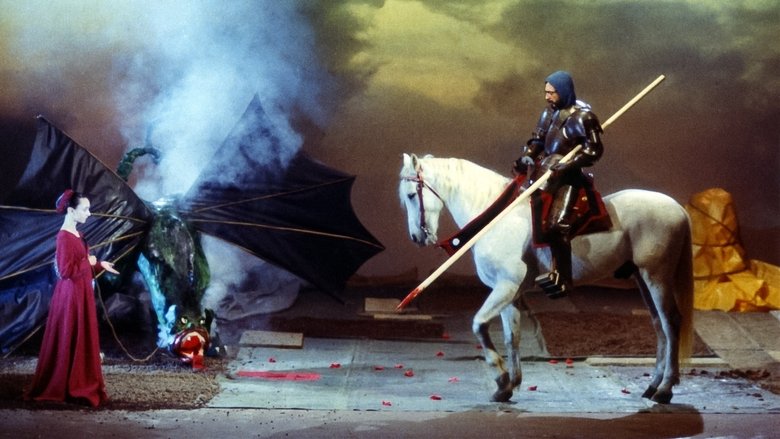
A bewitching combinatory adaptation of the Bluebeard tale and a 15th century Portuguese fable of a damsel who disguises herself as a knight errant.

Island of Loves
This film depicts the life of the 19th-century Portuguese writer Wenceslau De Moraes by means of nine ancient ballads from China. The writer married a Chinese woman after he left his wife and family to go live in Macao. Later, he moved to Japan where he fell in love with a Japanese woman, staying in Japan for the rest of his life. Mixed in with the career and loves of Moraes is the history of Portugal at home and in its colonies.
The Conversation Is Over
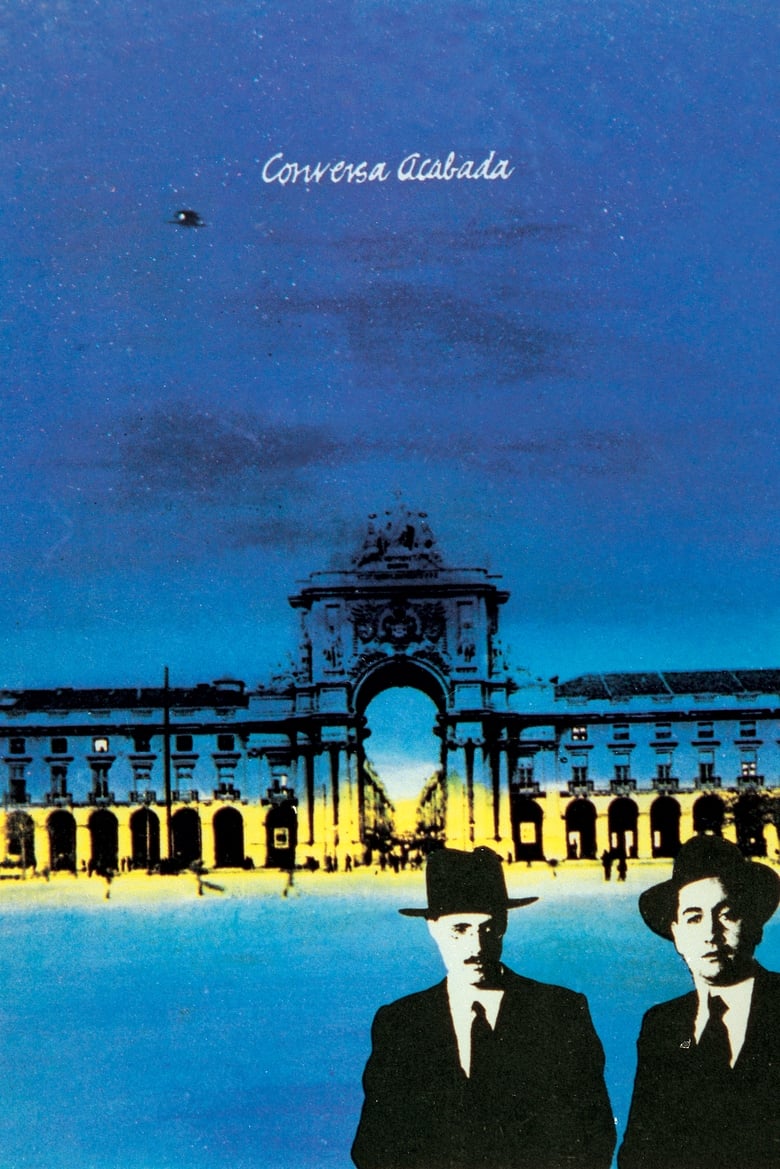
The film was to be a documentary, but evolved during production to a fictional film. It nevertheless adheres strictly to the poems and letters exchanged by two of the most outstanding names of the Modernist Movement, Fernando Pessoa (in Lisbon) and Mário de Sá-Carneiro (in Paris). Their endless conversation was dramatically and suddenly terminated.
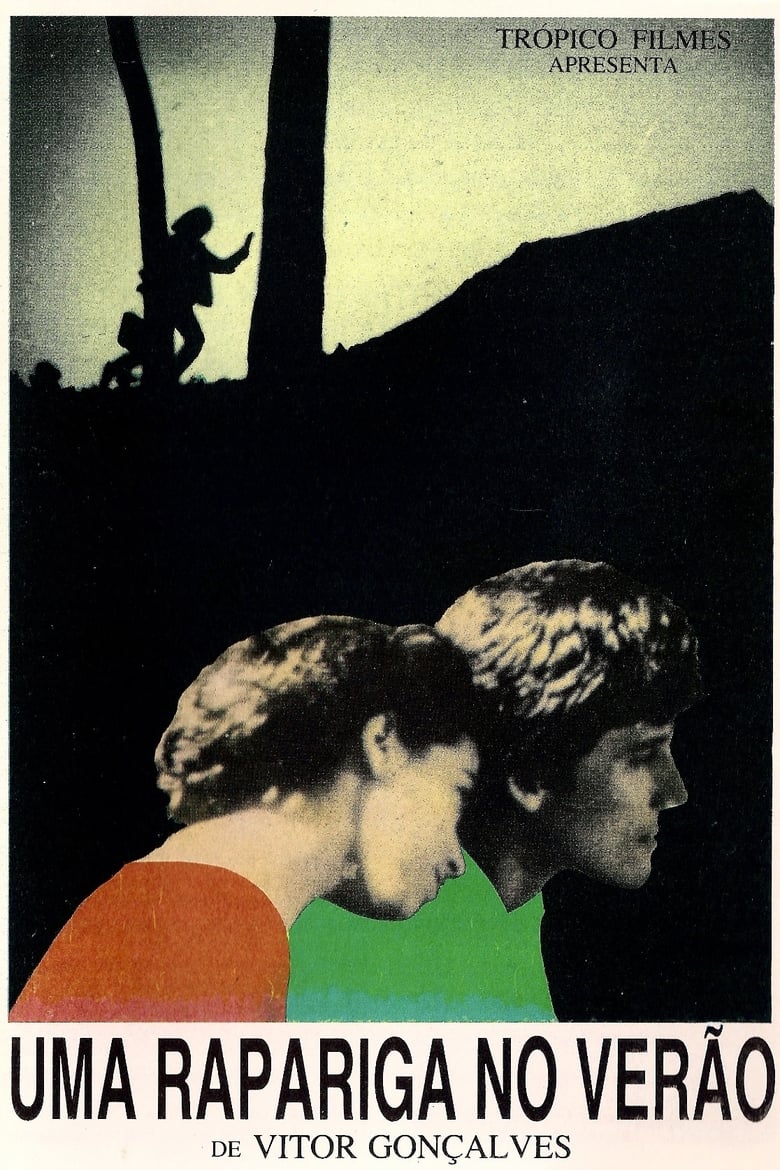
A Girl in Summer
It is the end of summer and Isabel is a relationship with Diogo. She don't quite know what she wants from her life going forward as her father gets sick.

He Goes Long Barefoot That Waits For Dead Men's Shoes
The tribulations of two friends who, in despair, start begging from door-to-door, and are given a bundle including, literally, a pair of deadman's shoes
Filmography
as Himself
as Victor Largillière
as Voice
as Camilo
as Radio Producer
as Deuxième Prête
as American journalist (voice)
as Painter
as Narrator / Fausto
as D. Paio
as Valentin 2