
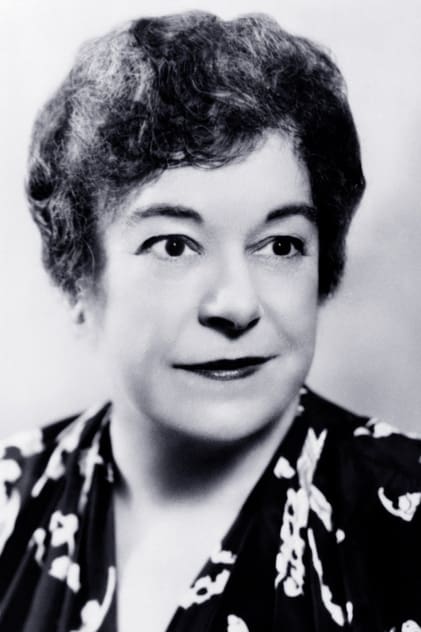
Josephine Hull
Acting
Biography
Josephine Hull (born January 3, reportedly 1886, but probably 1883 – died March 12, 1957) was an American actress. She had a successful 50-year career on stage while taking some of her better known roles to film. She won the Academy Award for Best Supporting Actress for Harvey, a role she also created on the Broadway stage. Description above from the Wikipedia article Josephine Hull, licensed under CC-BY-SA,full list of contributors on Wikipedia.
Born: January 2, 1877
Place of Birth: Newtonville, Massachusetts, U.S.
Known For
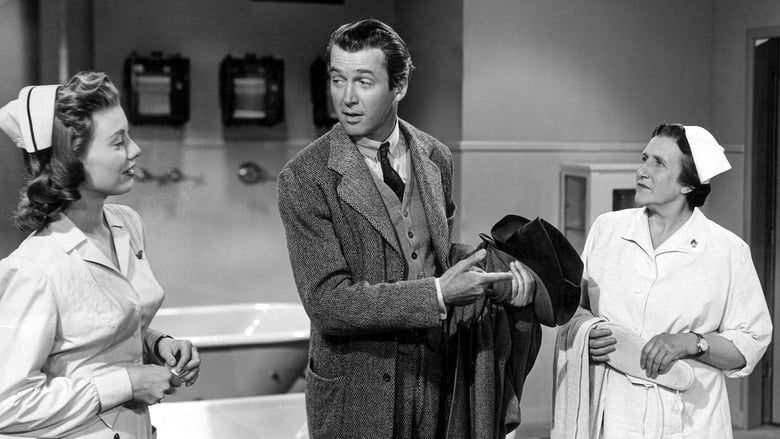
Harvey
The story of Elwood P. Dowd who makes friends with a spirit taking the form of a human-sized rabbit named Harvey that only he sees (and a few privileged others on occasion also.) After his sister tries to commit him to a mental institution, a comedy of errors ensues. Elwood and Harvey become the catalysts for a family mending its wounds and for romance blossoming in unexpected places.
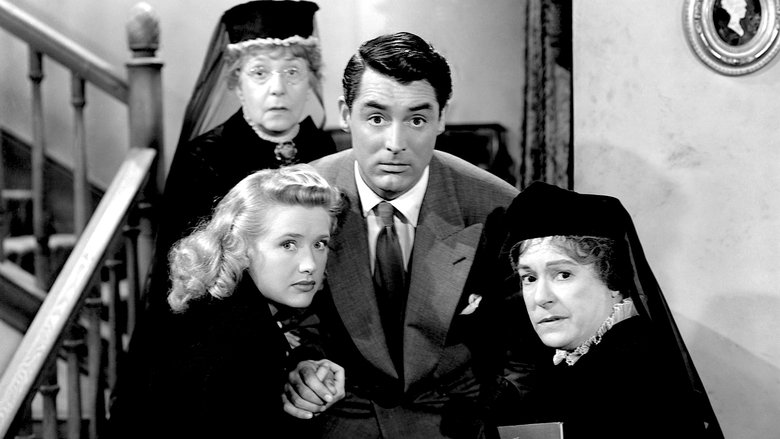
Arsenic and Old Lace
Mortimer Brewster, a newspaper drama critic, playwright, and author known for his diatribes against marriage, suddenly falls in love and gets married; but when he makes a quick trip home to tell his two maiden aunts, he finds out his aunts' hobby - killing lonely old men and burying them in the cellar!

Schlitz Playhouse of Stars
Schlitz Playhouse of Stars is an anthology series that was telecast from 1951 until 1959 on CBS. Offering both comedies and drama, the series was sponsored by the Joseph Schlitz Brewing Company. The title was shortened to Schlitz Playhouse, beginning with the fall 1957 season.

The Philco Television Playhouse
The Philco Television Playhouse is an American anthology series that was broadcast live on NBC from 1948 to 1955. Produced by Fred Coe, the series was sponsored by Philco. It was one of the most respected dramatic shows of the Golden Age of Television, winning a 1954 Peabody Award and receiving eight Emmy nominations between 1951 and 1956.

James Stewart: A Wonderful Life
Documentary about James Stewart's long career as an actor and positive personal life.

After Tomorrow
In the Depression, Pete and Sidney are good kids, working hard, giving money to their parents, and engaged for three years while they save to get married. Each has a selfish mother: Sydney's is cold, Pete's is clingy. Sidney's mother is looking for her own happiness, no matter how much that search harms her daughter and long-suffering husband; and, the longer the engagement lingers, the more pressure Pete's mom puts on Sidney to break it off and set her son free. "After Tomorrow" is Pete and Sidney's favorite song, but with illness, poverty, and temptation: will that good day ever come?
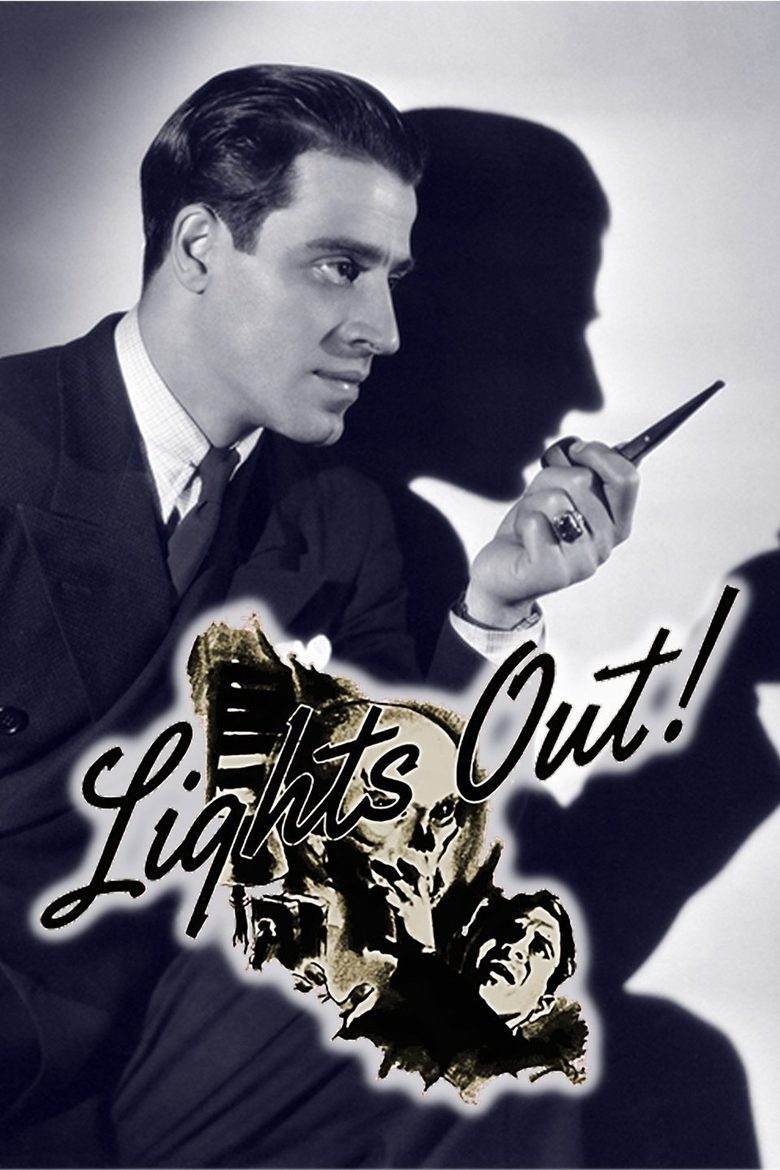
Lights Out
Lights Out was an extremely popular American old-time radio program, an early example of a network series devoted mostly to horror and the supernatural, predating Suspense and Inner Sanctum. Versions of Lights Out aired on different networks, at various times, from January 1934 to the summer of 1947 and the series eventually made the transition to television. In 1946, NBC Television brought Lights Out to TV in a series of four specials, broadcast live and produced by Fred Coe, who also contributed three of the scripts. NBC asked Cooper to write the script for the premiere, "First Person Singular", which is told entirely from the point of view of an unseen murderer who kills his obnoxious wife and winds up being executed. Variety gave this first episode a rave review ("undoubtedly one of the best dramatic shows yet seen on a television screen"), but Lights Out did not become a regular NBC-TV series until 1949.
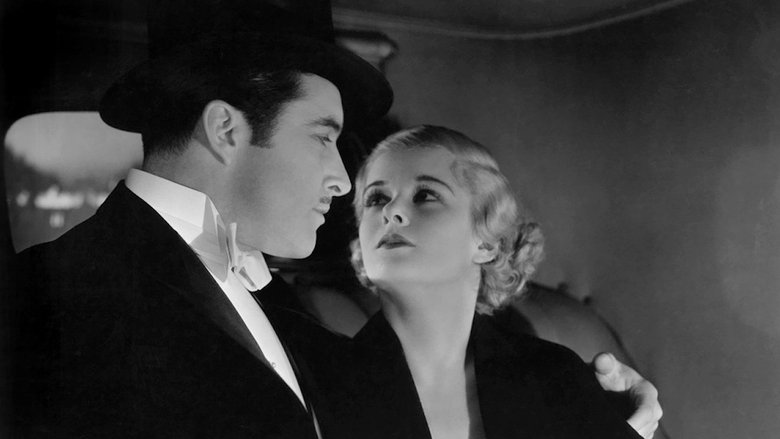
Careless Lady
Innocent Sally Brown thinks men are only attracted to experienced women, so she poses as the wife of an unmarried businessman on a trip to Paris.
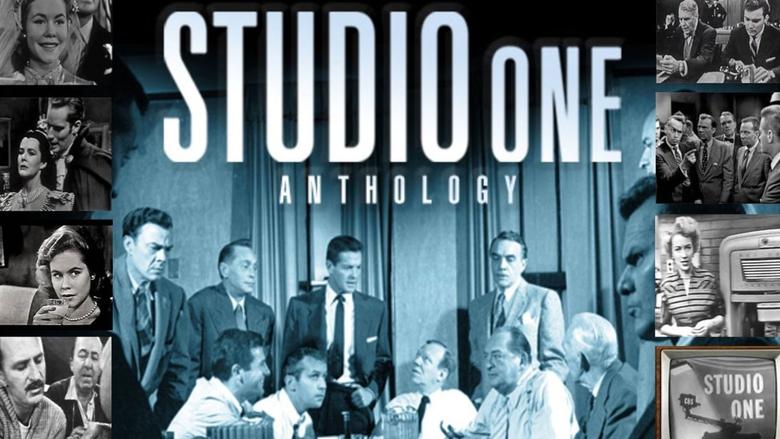
Studio One
An American radio–television anthology series, created in 1947 by Canadian director Fletcher Markle, who came to CBS from the CBC. Studio One, presented by Westinghouse, was one of the first of the anthology TV programs. The episodes were often abridged remakes of movies from years gone by and many future well-known television and movie actors appeared in the productions.
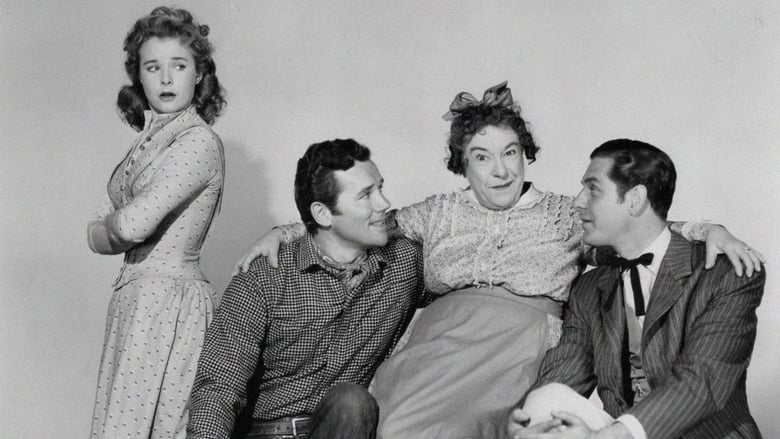
The Lady from Texas
An eccentric Civil War widow is accused of being insane.
Filmography
as Self (archive footage)
as Lavinia
as Miss Birdie Wheeler
as Veta Louise Simmons
as Lily Marsan
as Aunt Abby Brewster
as Aunt Cora
as Mrs. Piper