
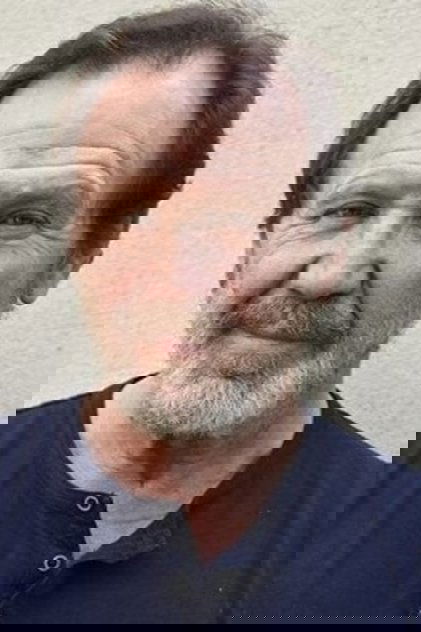
Juan Gea
Acting
Biography
No biography available for Juan Gea.
Known For
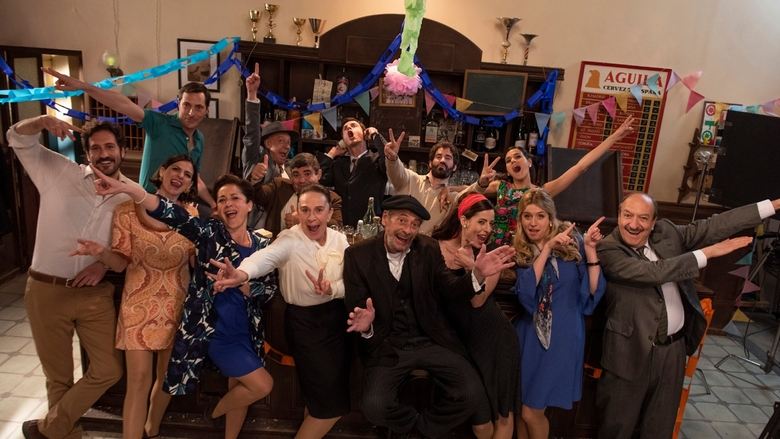
The White Village
'L'Alqueria Blanca’ ('The White Village') proposes a journey through time, up to the 1960s, which reflects the life of an inland village, in the Alcoià county. The atmosphere is eminently rural and is marked by the great differences between the two most representative families of the place, the Falcó and the Pedreguer, who star in a series of stories with love above the class difference, envy, jealousy and scandal. It all comes down to some unstoppable advances in society.

The Ministry of Time
A soldier from the 15th century, a university student from the 19th century and a nurse from the present join the secret 'Department of Time', a secret department within the Spanish government with the ability to travel through time. Their mission is prevent changes in history.
The Ministry of Time
A soldier from the 15th century, a university student from the 19th century and a nurse from the present join the secret 'Department of Time', a secret department within the Spanish government with the ability to travel through time. Their mission is prevent changes in history.

Cuéntame cómo pasó
Recounts the experiences of a middle-class family, the Alcántaras, during the last years of the rule of Francisco Franco and the beginning of the Spanish Transition to democracy.
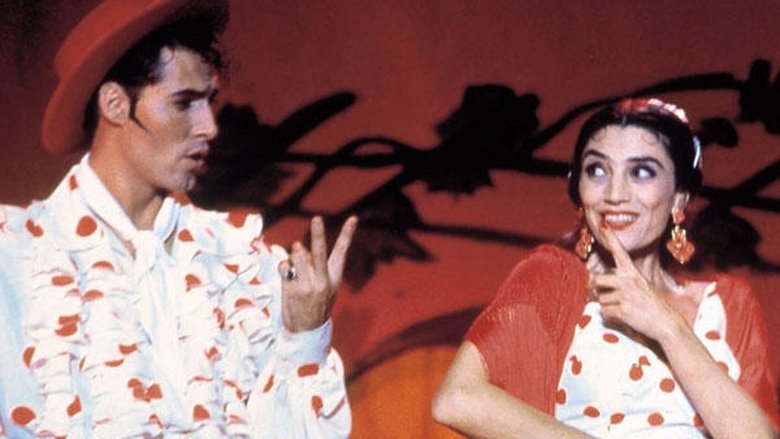
The Things of Love
In 1940's Madrid. Juan plays piano for Pepita and her on-stage partner Mario. Although Mario really wants to steal Juan for himself, Juan is not interested and Mario resorts to a string of lovers as consolation. When he loves (and leaves) a young nobleman, the young man wants revenge.
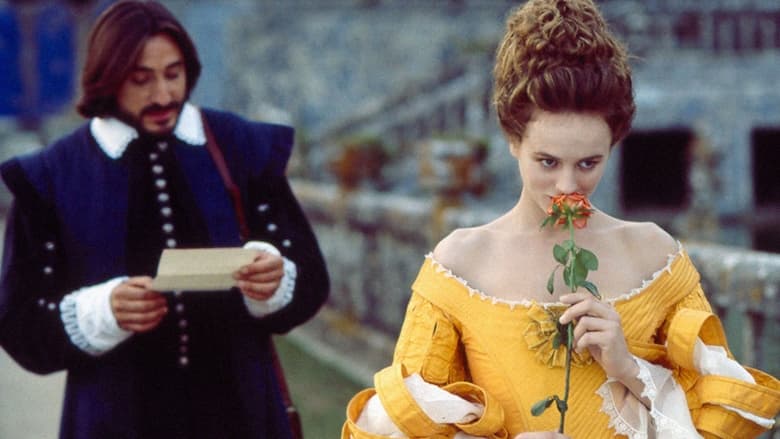
The Dog in the Manger
Countess Diana de Belflor is in love with Teodoro, her secretary, but he is engaged to Marcela.
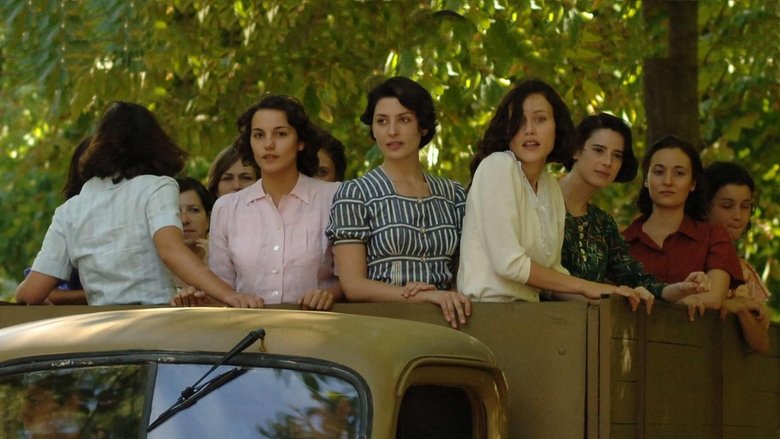
The 13 Roses
True story of thirteen totally normal young women that suffered harsh questioning and were put in prison under made up charges of helping the rebellion against Franco back in the 1940s. Despite of their innocence, the thirteen were soon executed without even a trace of evidence of any wrong doing.
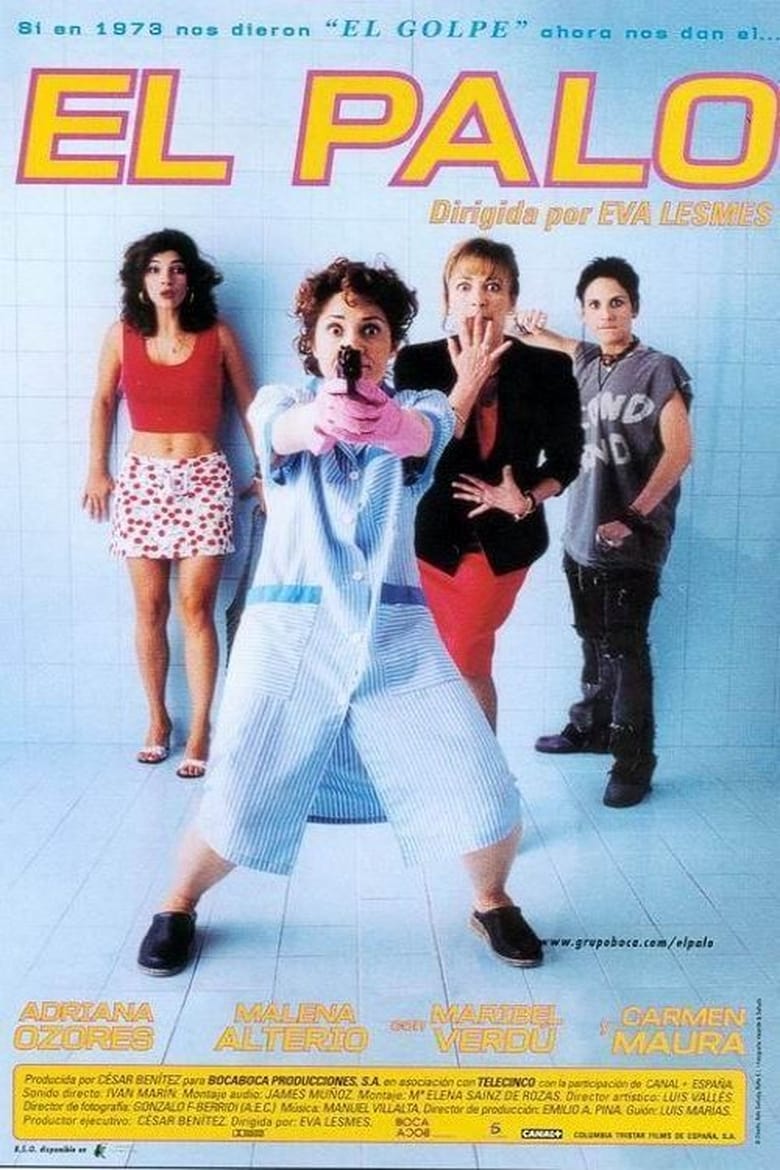
The Hold-Up
Lola's a single mom, broke, working as a janitor and maid. Silvia is pregnant, and her lover (her boss) won't leave his wife. Maite, newly a widow, discovers she's penniless but wants to maintain appearances and give her daughter a fancy wedding, and Pecholata, a punk kid living in a youth center, will soon be turned out on the streets. Lola, who cleans a bank every morning, decides to rob it, convincing the others to join her: they'll use replica guns, dress as men, take Silvia hostage, and all will be smooth. But things go awry, including the fact that Lola's ex, Gustavo, is a cop. Desperation may be the mother of invention - and a corrupt bank manager its father.
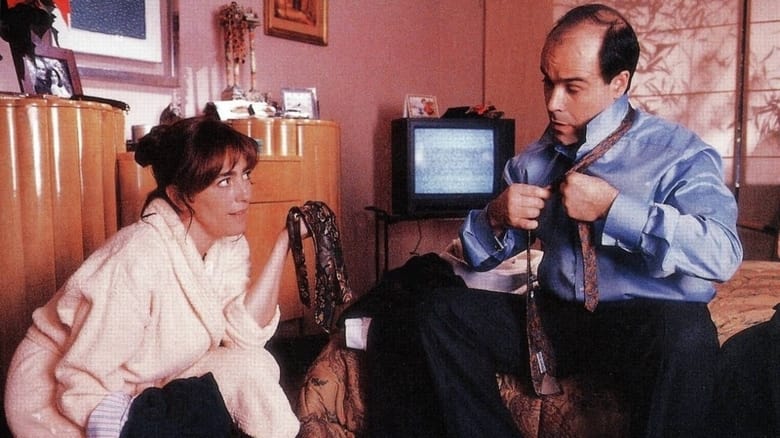
How to Be a Woman and Not Die in the Attempt
Carmen, a journalist with two children, is on her third marriage, to Antonio, a record producer. Over the course of a year, we follow her through her discontents: Antonio's lateness, his fatigue when she wants to make love, his insistence on her company when she prefers solitude, his treating her work as less important than his, his casual and cruel dismissal of her opinions, her boss assigning her an incompetent editor, bartenders ignoring her, her passage into middle age. She can be feisty and edgy, which sometimes gets in the way of what would make her happy. And she regularly threatens to leave Antonio. Will she, and on what terms? What will he do?
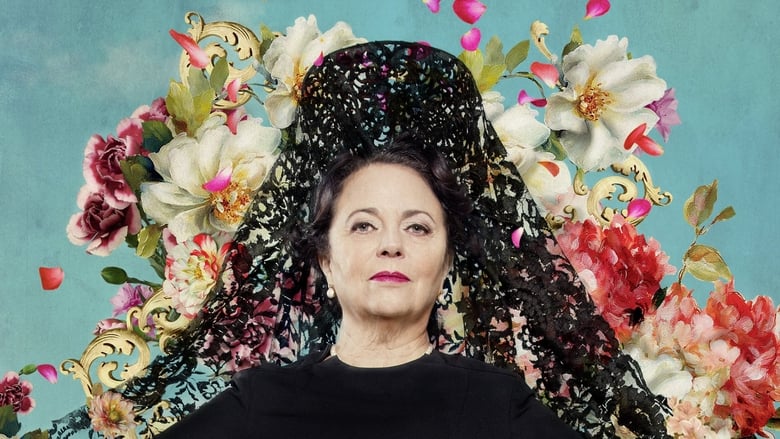
Hopelessly Devout
A woman in a Catholic brotherhood in the south of Spain tries to be president in a world traditionally reserved to men.
Filmography
as Conde de Romanones
as Javier Ortiz
as Ernesto Jiménez
as Gerardo Valle
as Ignacio de Herrera
as Ernesto Jiménez
as Tomás de Torquemada
as Gabaldón
as Rafel Sanchis
as Pablo Ortiz
as Professor Kornberg
as Julián Romero
as Director
as Federico
as Iván
as Ginecólogo
as Duque de Barleta