
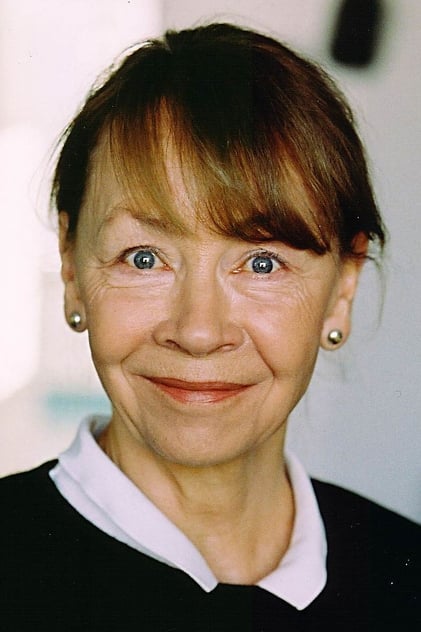
Jutta Hoffmann
Acting
Biography
Jutta Hoffmann was born on March 3, 1941 in Halle, Saxony-Anhalt, Germany. She is an actress, known for Bandits (1997), Der Angriff der Gegenwart auf die übrige Zeit (1985) and Karla (1965). She is married to Nicolaus Haenel. They have one child. She was previously married to Herrmann Zschoche.
Born: March 3, 1941
Place of Birth: Halle (Saale)
Known For
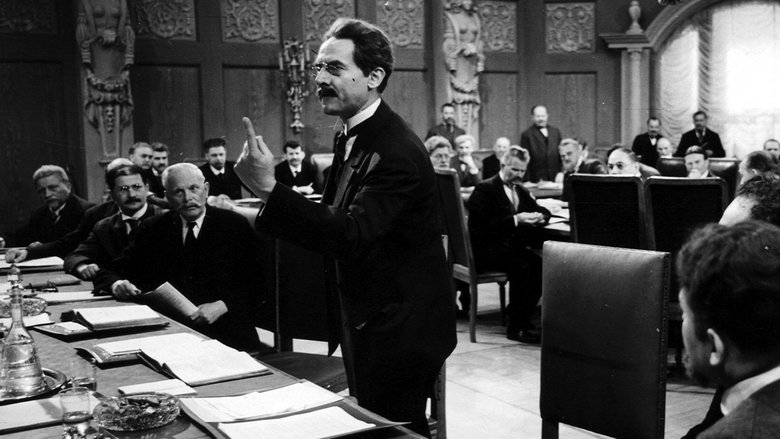
As Long as There’s Life in Me
This is part one of a two-part biopic about Karl Liebknecht. In 1914, Germany is arming itself for war. Karl Liebknecht, left-wing revolutionary Social Democrat, workers’ leader and a virulent antimilitarist, is one among 110 SPD members of Parliament who vote against approving war loans. From then on, he is considered un-German and a traitor to the fatherland, and his own party’s leadership turns against him. Despite threats, Liebknecht speaks up against the war and writes the manifesto “The Main Enemy Is at Home.” Even when he is arrested and charged with treason, he does not surrender.
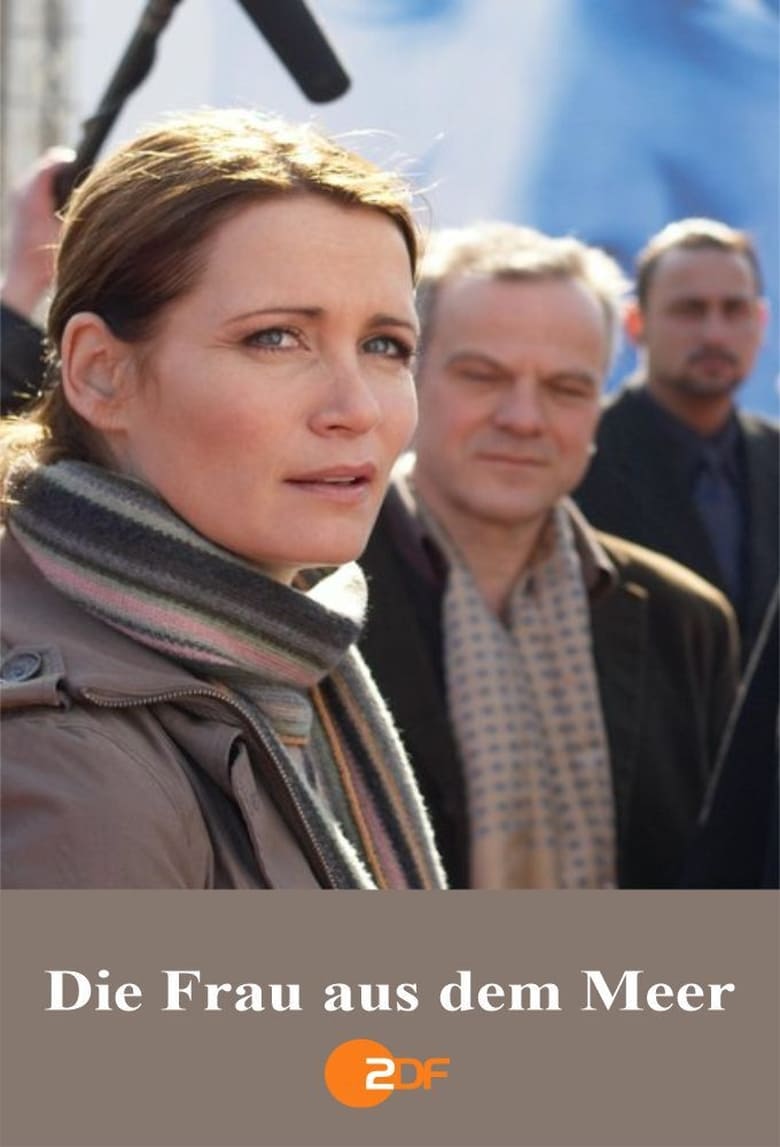
Die Frau aus dem Meer
A female corpse is washed up on the beach in Husum. Her fingertips were removed, and a piece of paper with a cell phone number was found in her throat, which belongs to the well-known political journalist Karl Kress.
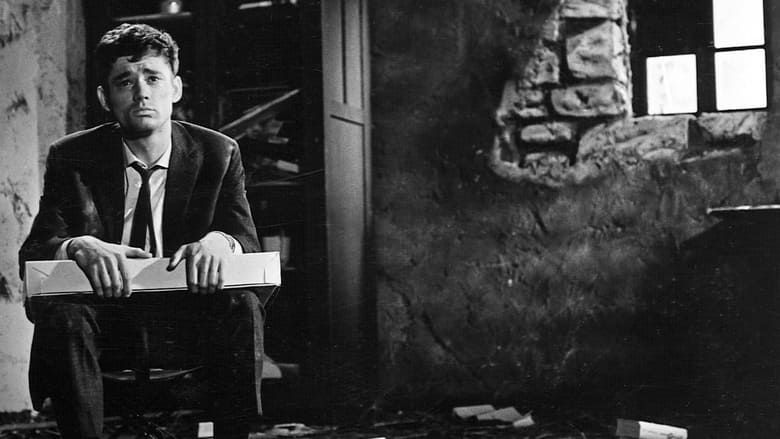
Just Don't Think I'll Cry
High-school senior Peter considers the adults around him to be hypocritical, self-congratulatory, and immersed in the past. He gets suspended for writing an essay that his teachers consider to be a challenge to the state. Just Don't Think I'll Cry became one of twelve films and film projects-almost an entire year's production-that were banned in 1965-1966 due to their alleged anti-socialist aspects. Although scenes and dialogs were altered and the end was reshot twice, officials condemned this title as "particularly harmful." In 1989, cinematographer Ost restored the original version, and this and most of the other banned films were finally screened in January 1990. Belatedly, they were acclaimed as masterpieces of critical realism.
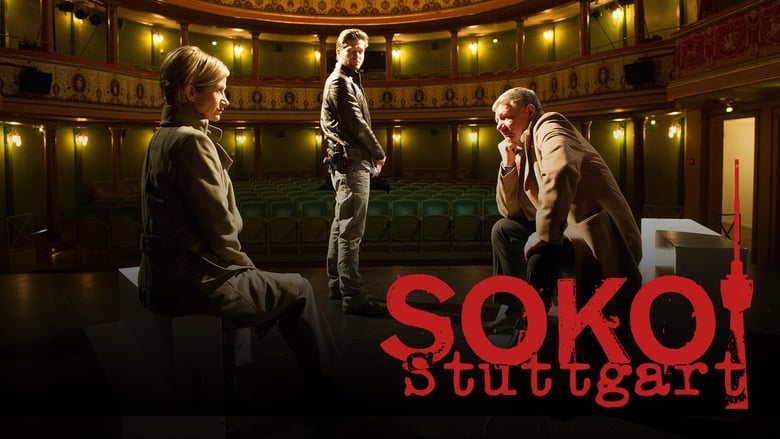
SOKO Stuttgart
The SOKO Stuttgart team investigates analytically and with sensitivity in the likeable state capital. The exciting cases of the series lead them to bizarre crime scenes and to different milieus.

Carla
An idealistic teacher is shocked to discover her pupils are already cynical and opportunistic. Her colleague soon grows resentful when she uses new and challenging techniques to help her students overcome obstacles.
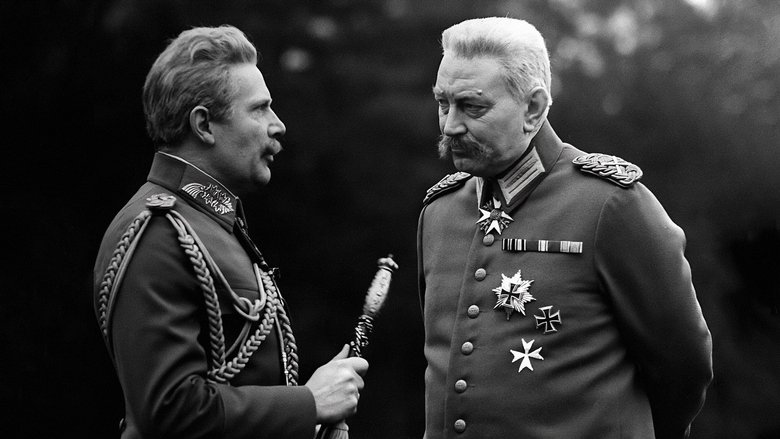
Despite It All!
October 1918: Karl Liebknecht is released from prison and Berlin workers celebrate his release. Although WWI is almost over, the German Kaiserreich in vain sends its last reserves to the slaughter. The working class is in a rebellious mood; the uprising of Kiel’s sailors against war and militarism sets off a call for revolution led by Liebknecht. On November 9, Liebknecht declares the Free Socialist Republic of Germany. But pro-Kaiser military and right wing Social Democrats oppose him.
Polizeiruf 110
Polizeiruf 110 is a long-running German language detective television series. The first episode was broadcast 27 June 1971 in the German Democratic Republic, and after the dissolution of Fernsehen der DDR the series was picked up by ARD. It was originally created as a counterpart to the West German series Tatort, and quickly became a public favorite.
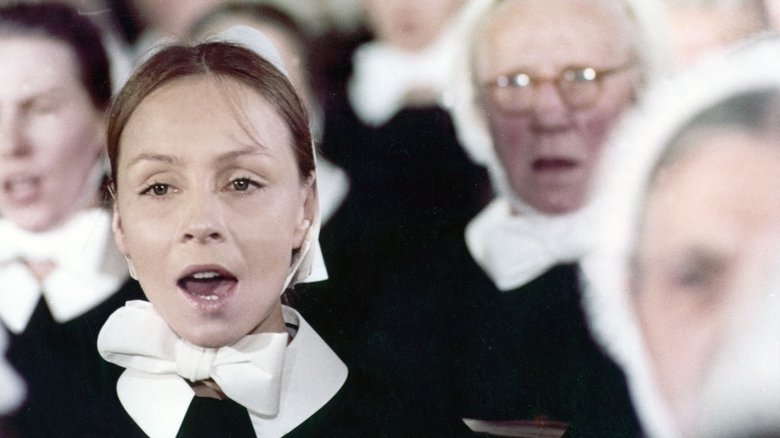
Her Third
In this East German film, the third one in The Third is Margit's third lover. After her mother's death, Margit has two affairs which don't work out, and one lesbian friendship which she retains. She is looking for a husband, though, and thinks she has spotted a candidate in her fellow factory worker. As she contemplates marrying him, her story is told in a series of flashbacks.
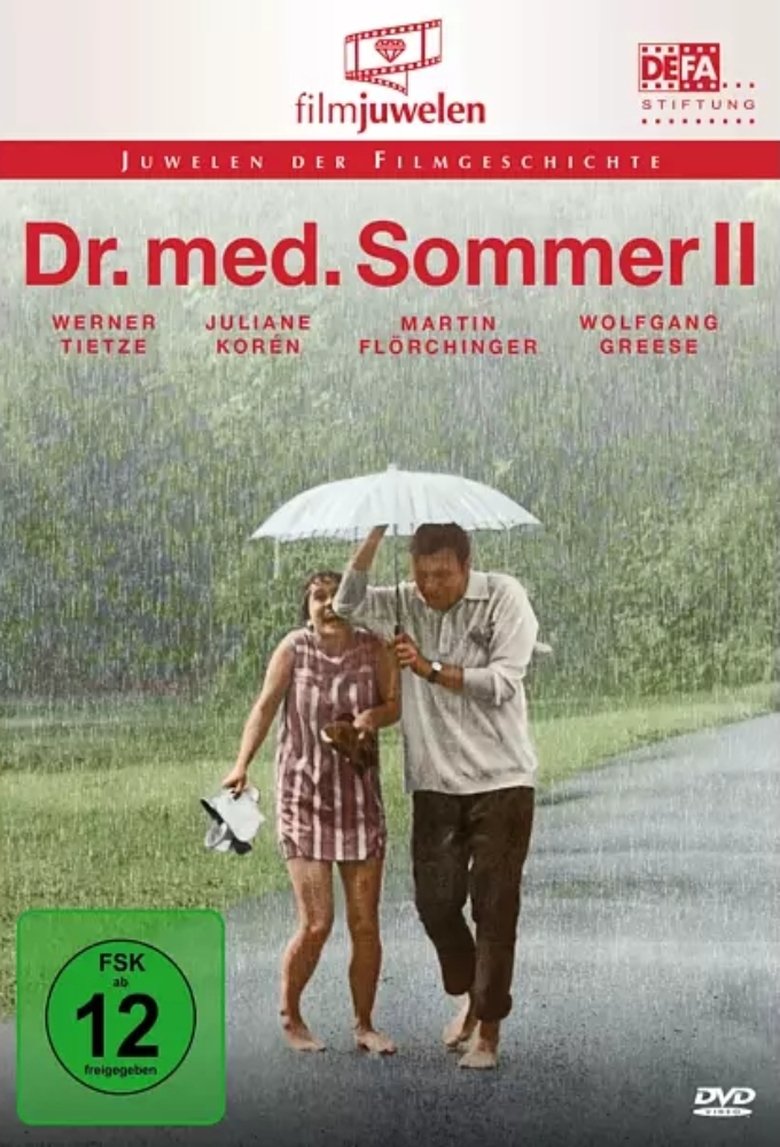
Dr. Sommer II
The story of a young, idealistic doctor and his on-the-job training as a rookie surgeon. Dr. Heiner Sommer moves to a small town in the GDR where he will complete his training under the senior physician, also named Dr. Sommer.
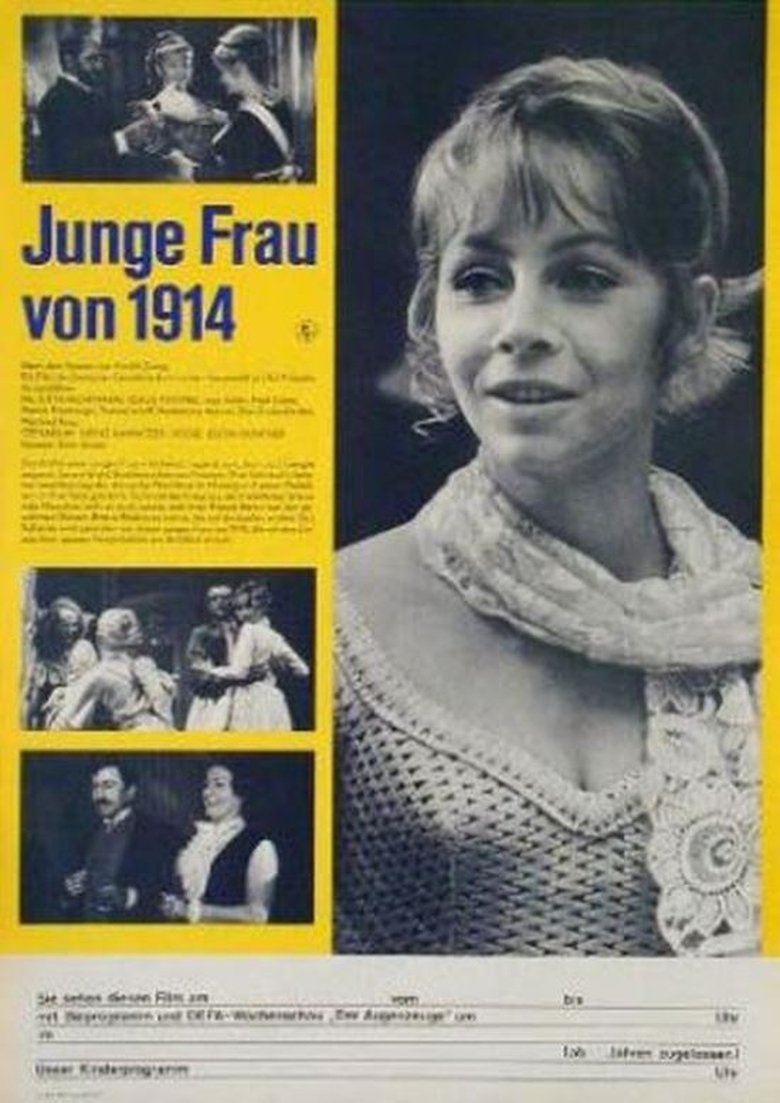
Junge Frau von 1914
In 1914 Berlin, bank heiress Leonore Wahl and struggling Munich student Werner Bertin fall passionately in love, defying class and her parents’ expectations. Their idyll is shattered by the outbreak of WWI: Werner, swept up in patriotic fervor, is conscripted to the Western Front, while Leonore, pregnant and abandoned, faces her family’s condemnation and a clandestine abortion. Set against the tumult of war, the film explores idealism, social divides, and the personal costs of duty and desire.
Filmography
as Irene
as Ältere Frau
as Thekla Dorn
as Margit
as Großmutter
as Marie's Mother
as Marie
as Franziska Schmahl
as Edith Rosenthal
as Self
as Clara
as Gertrud Meinecke
as Hedda Gabler
as Gloria Mitchell
as Mildred Ruster
as Lotti Goldner
as Ellen
as Wanda Brink
as Schnurrenbergerin
as Adele Schopenhauer
as Ric
as Margit
as Käthe Schreiner
as Wanda Rosenbaum
as Gunkel
as Leonore Wahl
as Johanna
as Katja Sommer
as Lämmchen
as Uschi
as Käthe Schreiner
as Karla