
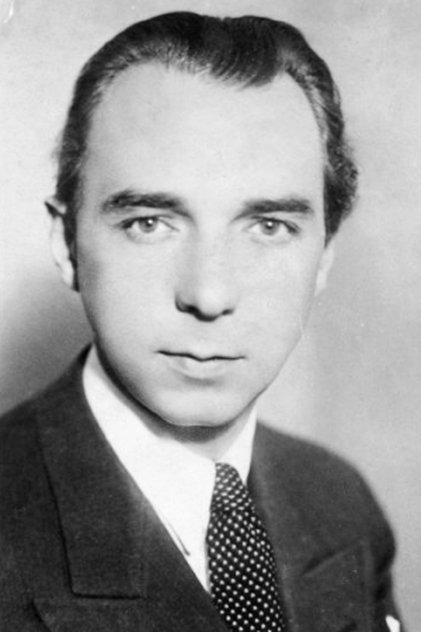
József Timár
Acting
Biography
No biography available for József Timár.
Born: March 7, 1902
Place of Birth: Budapest, Austria-Hungary (now Hungary)
Known For
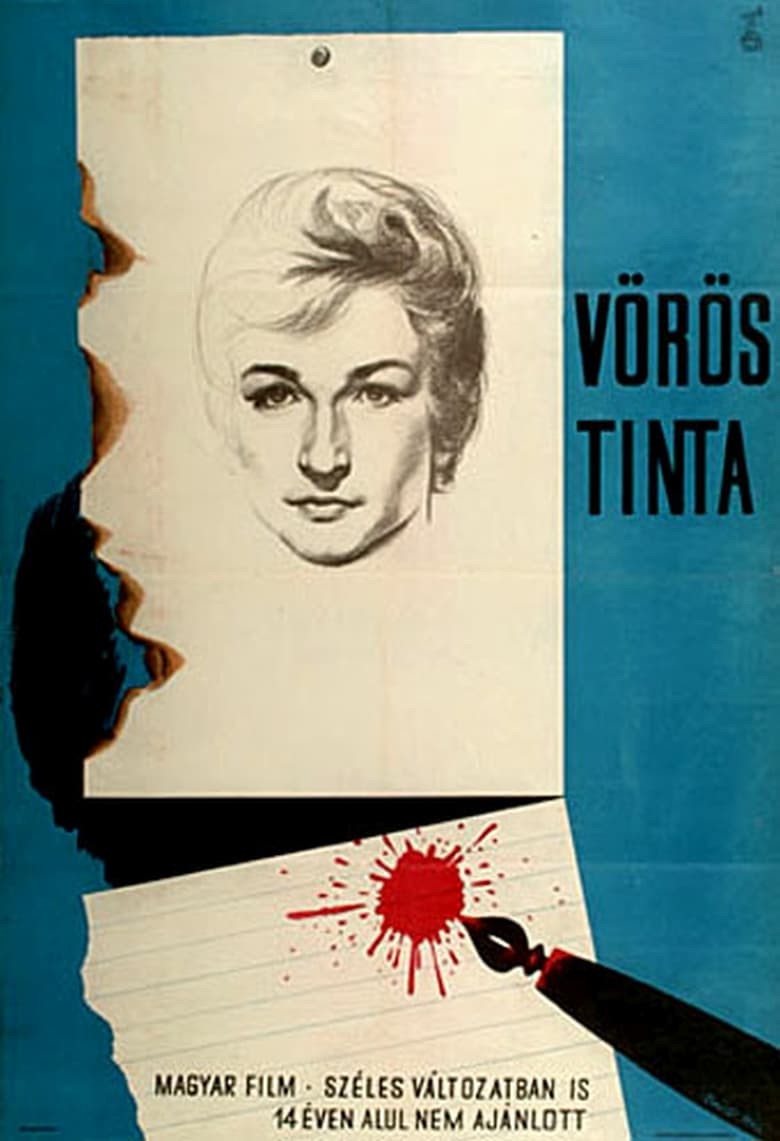
Red Ink
Most of her colleagues take Mária, the new teacher to be a communist party-worker, only Irma and the drawing teacher Zoli treat her kindly. Mária starts working with great enthusiasm, and her class learns to love her in a short time.
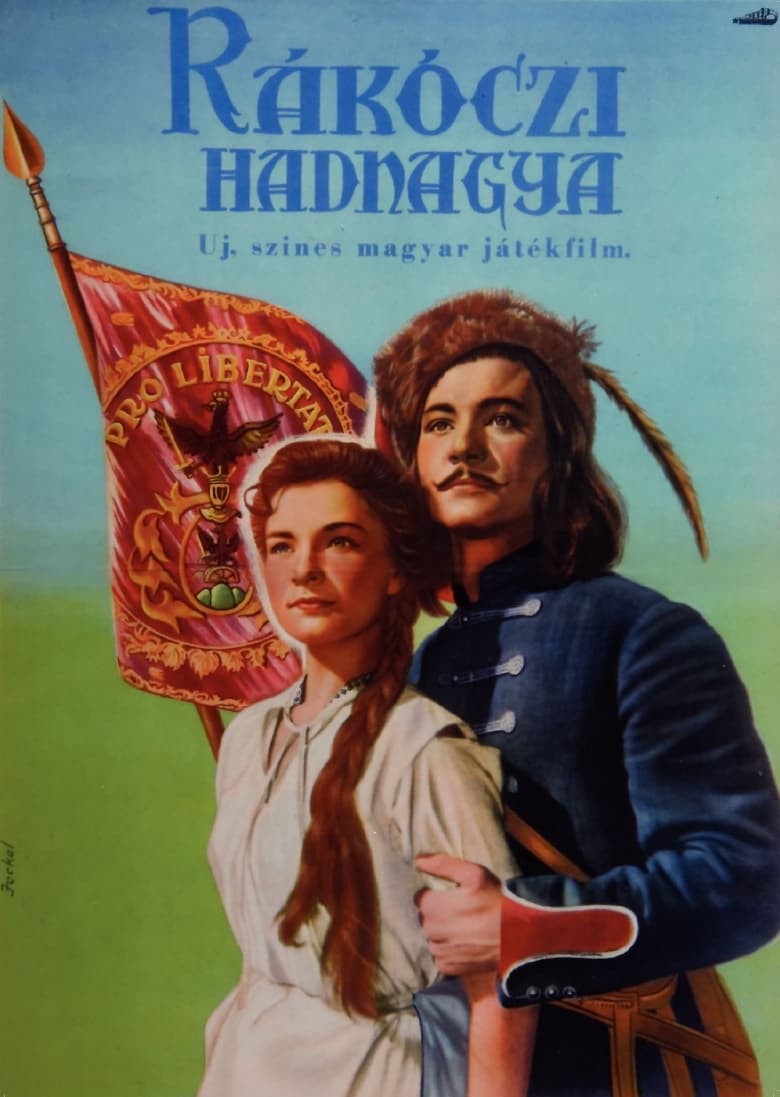
Rákóczi's Lieutenant
1708 János Bornemissza became the master of stras of Blind Bottyán from a raiding Kuruk. His weapon is driven by patriotism and love for Anna Bíró, the most beautiful girl in réthe. The captured Count Starhemberg takes the Labanc general to the Prince himself, and thus becomes Rákóczi's lieutenant. In the meantime, Réthe falls into the hands of a Laban for treason, and Anna is sent to the stocks. Suhajda, the lecherous hajdú, now thinks he can get the girl for himself. Anna sends a message to John with her brother, and at the call of the prisoners, Rákóczi's army marches. They encounter the enemy along the Váh. The Kuruks celebrate their victory with the wedding of Anna and János.
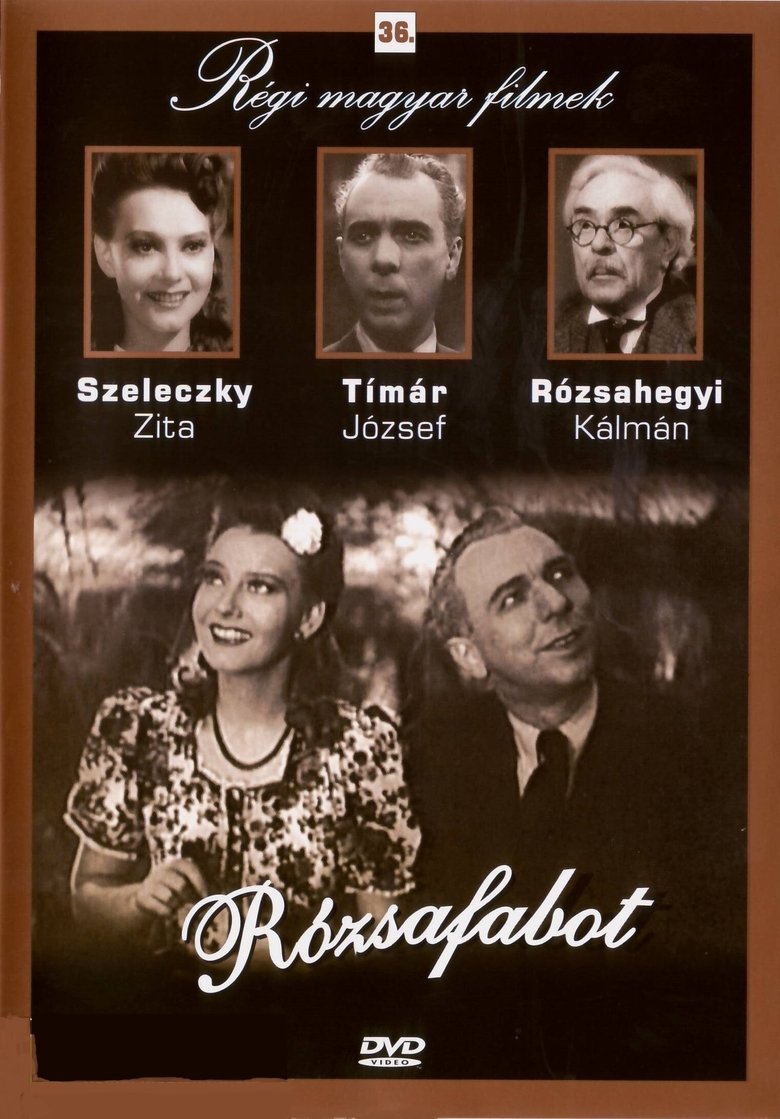
Rosewood Cane
After having spent 22 months in prison, Viktor Pálos returns to his homeland, where he is going to be involved in the robbery committed by his relatives.

Dollar Daddy
A heavily indebted schoolteacher raising two marriageable daughters is buoyed by rumors that his long-lost uncle in America is a millionaire, until the uncle’s unexpected arrival in poverty sparks a rush of creditors, patrons and fortune-seekers. Ambitious lawyer Jenő Szekeres orchestrates the deception so that the family, the town and himself profit from the false fortune, and even when the truth comes out, everyone, including Szekeres, now eyeing a political career, chooses to uphold the lie.

Sarajevo
It is a muster parade in Sarajevo in honour of Ferenc Ferdinánd. Polgár Éva and baron Várnay Miklós, her fiancé and a hussar captain, are preparing together for the event. In the meantime, the woman meets Borisz Boronow, a Russian painter. They fall in love with each other.
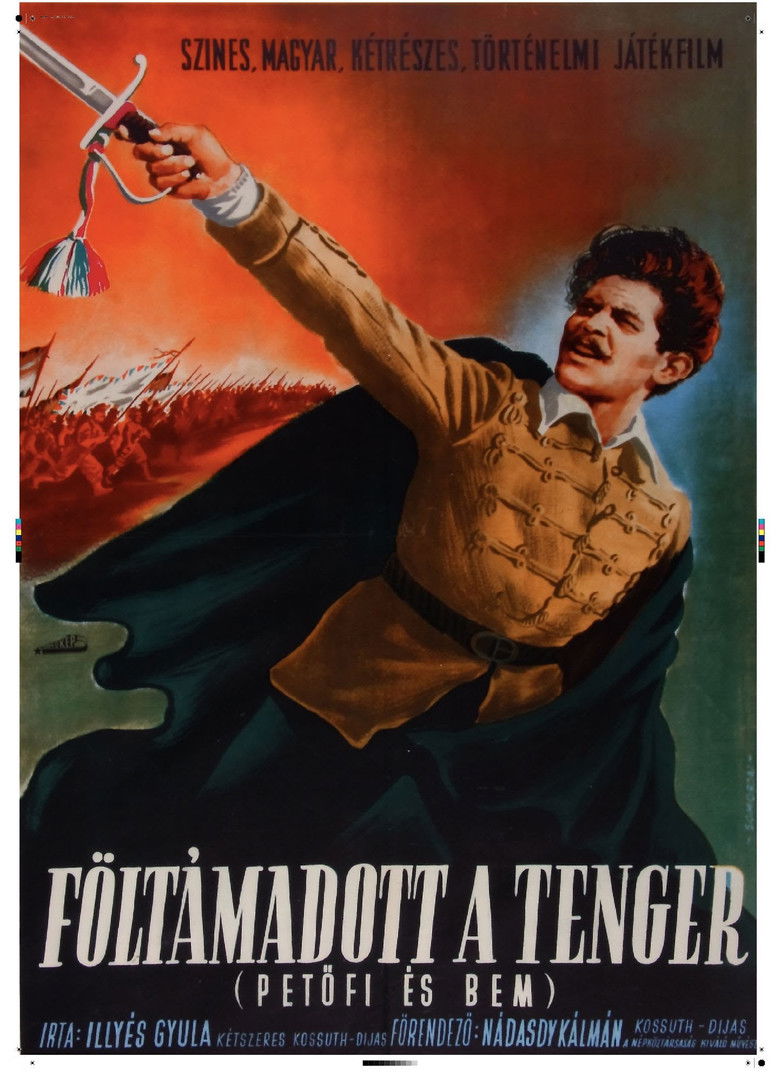
The Sea has Risen
March 15, 1848; the revolution breaks out in the town of Pest. Yet at café Pilvax, in among he revolutionary youth, there is the informer of the imperial court as well. Hearing the news of the attack led by Jellasics, the inhabitants of the villages pour into the national army, and Hajdú Gyurka also escapes from his landlord. Petőfi is there at the camp of the revolutionaries, raising them to enthusiasm with his poetry.
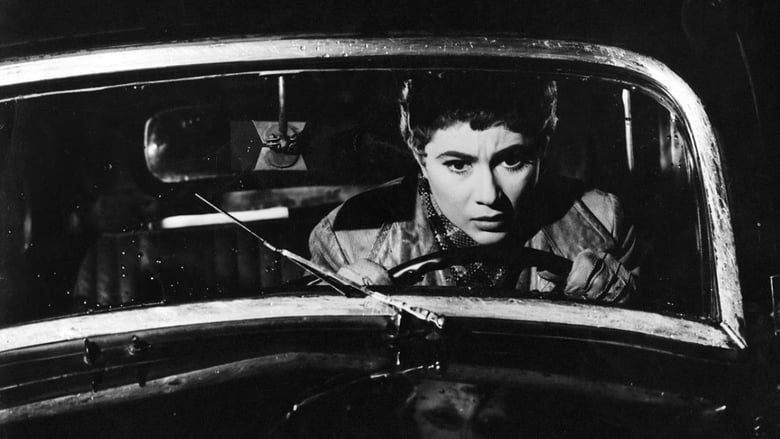
Hit and Run
Judge Csanádi András makes a confession to his boss one night: he fell in love with the pretty, modern driver woman, Zenthe Judit in a fencing room. The girl suddenly returned his feelings. One night she confessed to him crying: she hit someone. The case was assigned to Csanádi, who wanted to investigate the circumstances meticulously despite his feelings. Thus the so far hidden life of Judit, which is bound to the past former world and its values is now highlighted. He is confused, asks his boss to absolve him from the assignment, but refuses to do so. Csanádi realises in the court room: Judit kept on telling lies, she played the lover for her own interest. The judge passed his crisis, he will deliver a fair sentence.
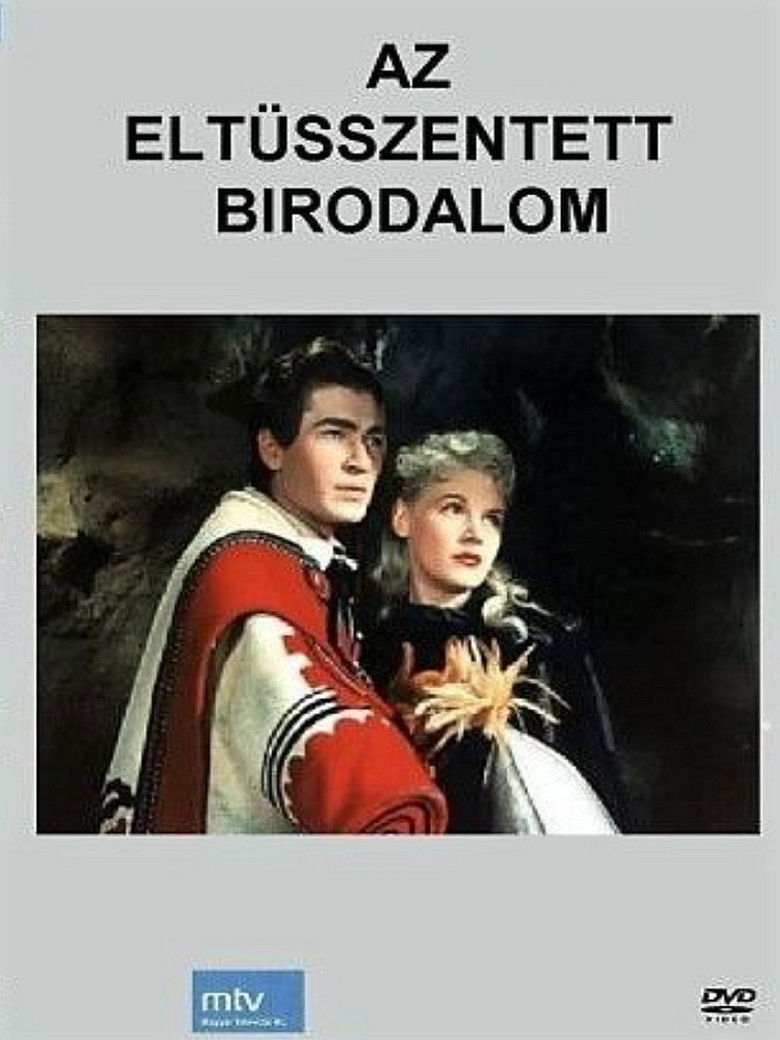
The Empire Gone With A Sneeze
The tyrannical king is afraid of his people. He can only find peace if everyone wishes him well when he sneezes. Catchpoles raid the country and give orders what the king wants.

Closed Court
dr. Benedek Gábor, a famous solicitor in Eger, is the defense counsel of a murderer, who killed his wife out of jealousy. Gábor lives in a happy marriage with Anna. One day, however, Szentgyörgyi Péter, a famous pianist, comes to Eger. He once was loved by Anna, who in those days was training to become an artist herself. Gábor has no knowledge of these events of the past. He, therefore, associates the now renewed relationship with the story of the murderer he is the legal representative of.

Two Confessions
This easy-to-take Hungarian drama is also known as Two Wishes. The prinicipal characters are a pair of juvenile delinquents, who may still be redeemable. The sullen duo is befriended by a kindly police inspector, who takes it upon himself to straighten out the boys. What follows cannot be termed surprsingly or innovative, though it is immensely satisfying. Of interest is the fact that a Communist-bloc film would admit to a delinquency problem in the so-called Worker's Paradise. Ket Vallomas was the Hungarian entry in the 1957 Cannes Film Festival.
Filmography
as Igazgató
as Vedres
as The mayor
as Király
as Dr. Dezsõ Konrád
as Dobay brigadéros
as Bartos
as Prince of Windischgrätz
as Kállai tanácsos
as Viktor Pálos
as Szentgyörgyi Péter
as Borisz Boronow
as Bernát Gazsi hadnagy