
Kajō Onoe
Acting
Biography
No biography available for Kajō Onoe.
Born: August 31, 1898
Place of Birth: Kobe, Hyogo Prefecture, Japan
Known For
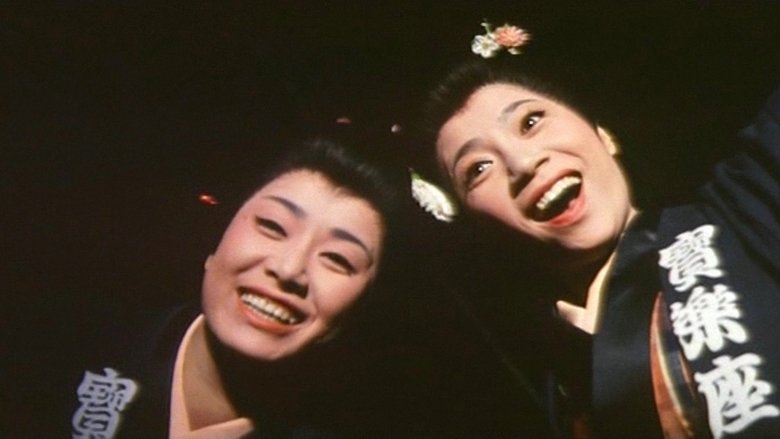
Travels of Hibari and Chiemi: The Tumultuous Journey
Playhouse employees Okimi and Otoshi become involved in an undercover officer’s investigation of a gang when they accidentally walk in on a drug deal taking place at their theater.
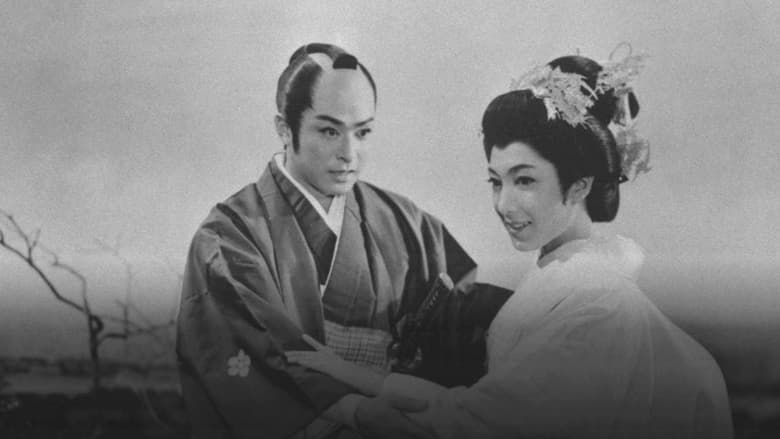
The Scarlet Cherry Lord
Light-hearted samurai comedy. The second son of a feudal lord runs away from an arranged marriage. He saves the life of a princess whom he gets to fall in love with. It turns out that she is just his prospective bride.
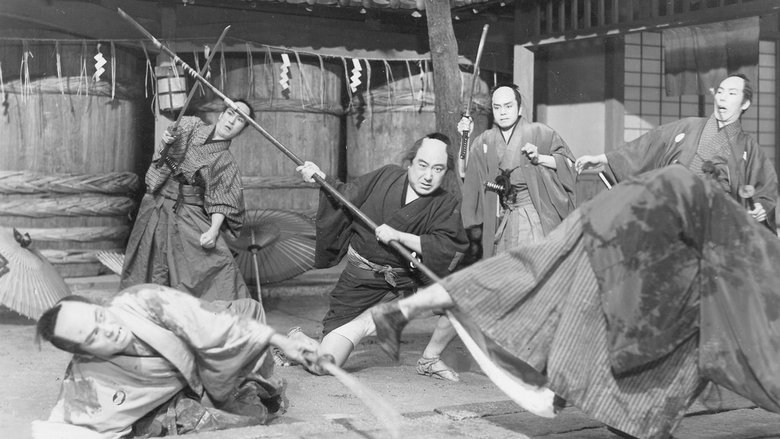
Bloody Spear at Mount Fuji
Tragicomic road movie set during the Edo period. It follows a samurai, his two servants – including spear-carrier Genpachi – and the various people they meet on their journey, including a policeman in pursuit of a thief, a young child and a woman who is to be sold into prostitution.
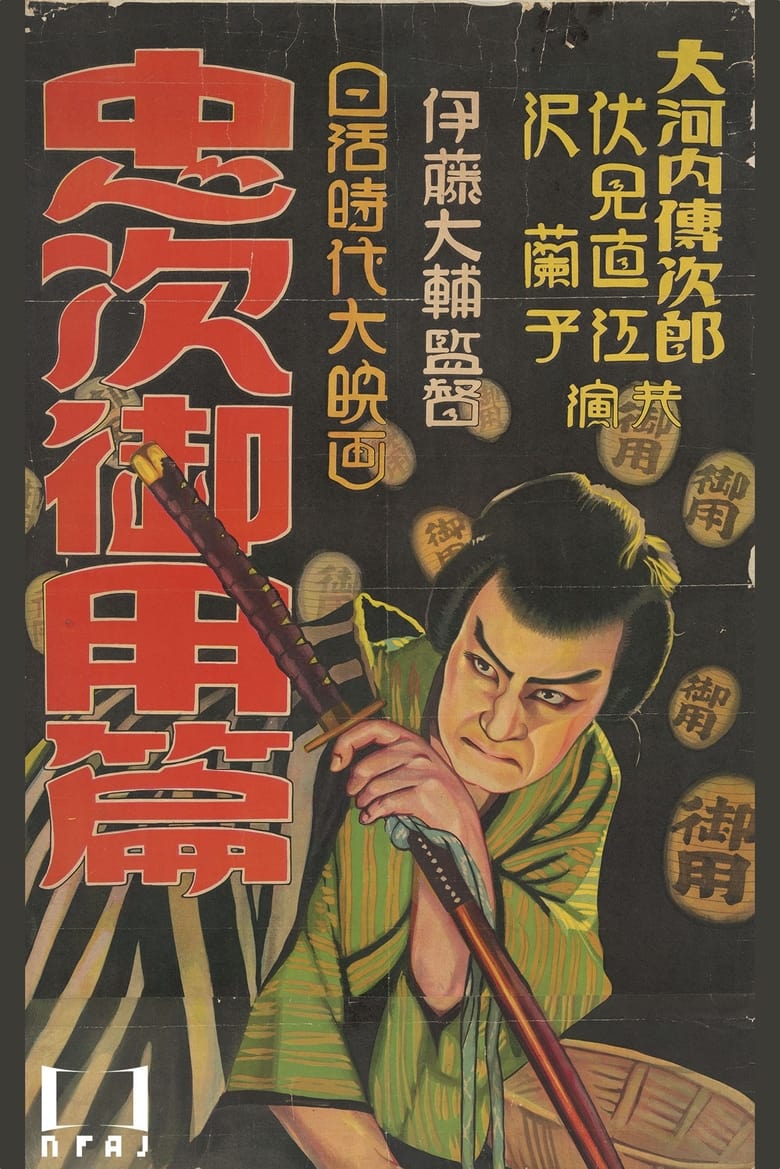
Chuji's Travel Diary: The Chuji Patrol Episode
The Japanese equivalent of penny dreadfuls glorifying Jesse James, A Diary of Chuji’s Travels gives a unique gloss to the tale of Chuji Kunisada, the legendary bakuto (or gambler, the precursors to modern-day yakuza). One of the two remaining segments of Ito’s original four-hour trilogy, it depicts Chuji’s attempt to save the geisha Oshina, a rebellion against the rigid social structure of Edo Japan. With socialist overtones, it’s a passionate artifact of early Japanese film.

A Chivalrous Spirit
An all-star cast highlights this Jidai-Geki classic. Set in the samurai era, this is the tale of period Yakuza. One of the real classics in this genre. Jirocho, an honorable and respected gang boss, uncovers a conspiracy organized by his rivals while on a quest to bring justice to three murders. Some of the most famous actors from Toei studios make this a must-see for everyone! Featuring a very young Nakamura Kinnosuke, who went on to become one of Japan's mosted noteworthy actors under the name Yorosuya Kinnosuke. This is one of the best examples his early work.
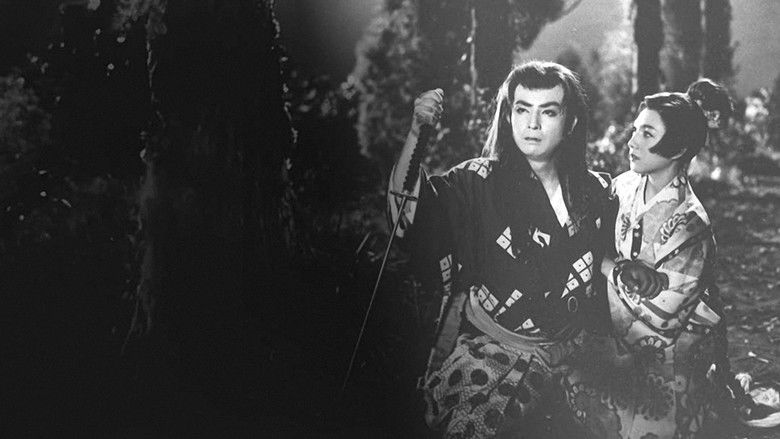
Sasaki Kojiro, Part 2
The conclusion of the story of famed swordsman, Sasaki Kojiro. After surviving a series of daring adventures, Kojiro seems to have finally discovered the ultimate happiness in life when he is reunited with Tone, the love of his life. However, his days of happiness are overshadowed by an upcoming duel with his fateful enemy Miyamoto Musashi.
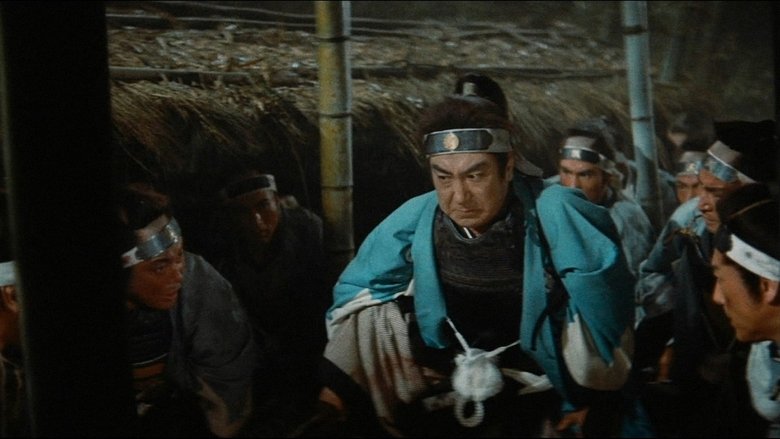
Restoration Fire
Megastar Kataoka Chiezo is Vice-commander Hijikata Toshizo of the Shinsengumi in this realistic tale of Japan’s inner battles that led to the downfall of the Tokugawa shogunate. Excellent performances and extremely good swordplay highlight this glimpse into the heart and soul of Japanese history. Although known as “Razor Blade” Hijikata, the vice-commander is a man of deep conviction with a little-known sense of humanity. Starting after the famed Ikedaya Incident, in which they saved Kyoto from Choshu’s plot to burn the city to ashes, they work hard to change the public’s view of them as merciless killers to their true mission of protecting the shogun. This is an extraordinary tale of blood and guts! From the pen of award winning author Shotaro Ikenami (Bandit Vs. Samurai, Hunter in the Dark, Misumi's The Last Samurai)

Knightly Advice
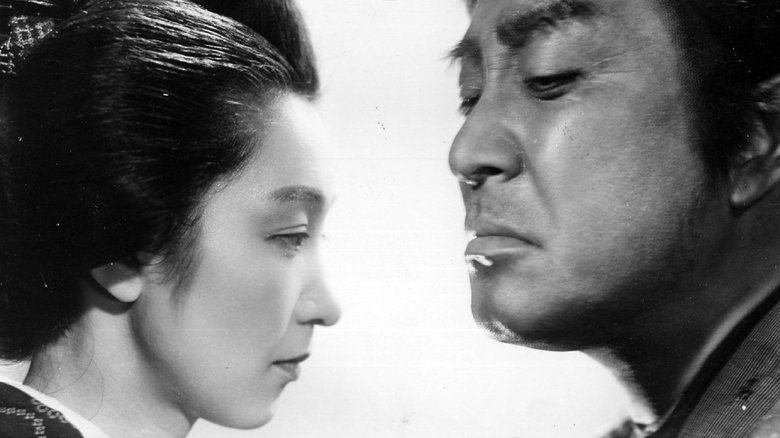
The Life of Matsu the Untamed
Matsugoro is a poor rickshaw driver whose animated spirit and optimistic demeanor make him a favorite of the town. Matsu helps an injured boy, Toshio, and is hired by the boy's parents.
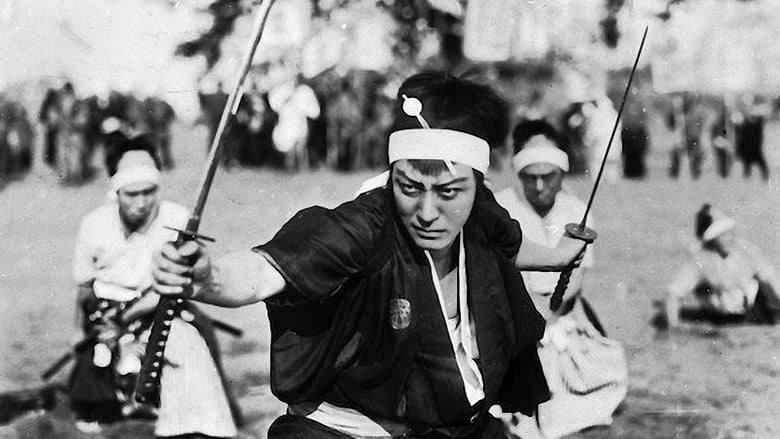
Blood Spilled at Takadanobaba
The tale of Nakayama Yasubei’s duel is famous, even if he in reality probably did not cut down 18 opponents. The story has been related in film, rakugo, kodan and on stage many times, in part because Nakayama later joined the famous 47 Ronin (Chushingura) as Horibe Yasubei. But Makino and Inagaki’s version gives no hint of this more serious future, playing up the thrills and the comedy with Bando’s bravura performance. The multiple pans of Yasubei running to the duel are an exemplar of the experimental flourishes of 1930s Japanese cinema and the final duel, performed virtually like a dance number, is a marker of Makino’s love of rhythm and one of the best sword fights in Japanese film history. The film was originally released under the title Chikemuri Takadanoba (Bloody Takadanobaba) with a length of 57 minutes, but suffered some cuts and a title change when it was re-released in 1952.
Filmography
as Tattooist
as Kumayoshi
as Katsutei, Shinzaburo's servant
as Roku-be of Dogu-ya (antique dealer)
as Senta
as Tsunesuke Maehara