
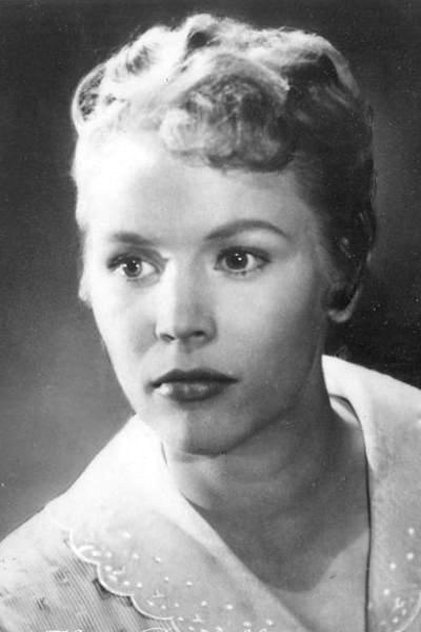
Karla Runkehl
Acting
Biography
No biography available for Karla Runkehl.
Born: November 7, 1930
Place of Birth: Stettin, Pomerania, Germany [now Szczecin, Zachodniopomorskie, Poland]
Known For

Pugowitza
World War II is over and Heinrich, a young German boy, influenced by the Russians, starts to act according to Communist principles in a small German village.

Ernst Thälmann – Leader of the Working Class
This film is the second of a two-part historical and biographical portrait of the communist politician and anti-fascist Ernst Thälmann. Autumn, 1918: Somewhere on Germany’s western front, Ernst Thälmann, age twenty-four, is calling on his fellow soldiers to put down their guns and join him in the communist struggle at home. When Hamburg’s Police Commissioner blocks a much-needed food shipment to the workers of Petrograd, Ernst battles to see it allowed through. Until his murder on August 18, 1944, Ernst remained true to his political convictions in the face of many setbacks.

Spring Takes Time
Was it an act of sabotage or willful negligence? The non-party engineer Heinz Solter is suddenly arrested and accused of approving a defective pipeline that caused a half million loss to his company. At first, the case seems clear-cut for the state prosecutor, but when he probes deeper, he discovers that Solter had acted against his better judgment due to the pressure from his career-driven and authoritarian boss.
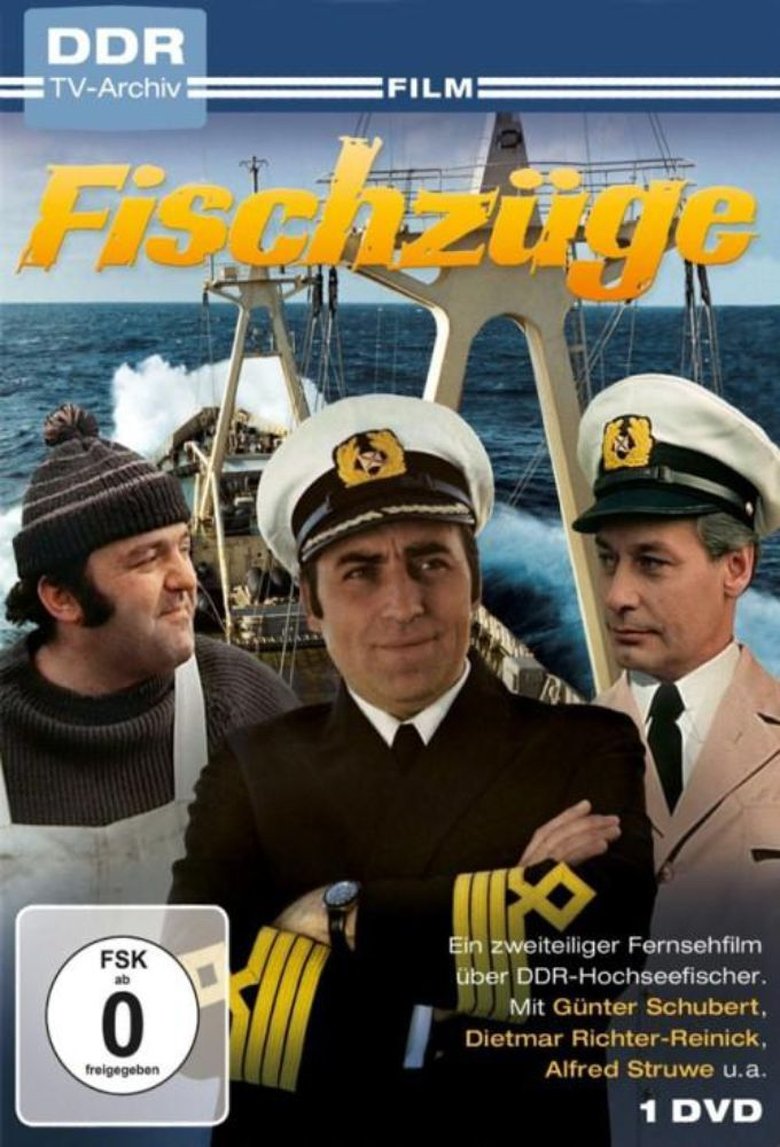
Fischzüge
A ship from the GDR fishing fleet is on its way home. The work is done, the hold full of fish. Captain Nipmerow could be satisfied with that, but he has a completely different problem to deal with - a matter about which he also owes the shipping company a statement.

The Russians Are Coming
It’s the spring of 1945 in a small resort town on the Baltic. Günter is 16 and firmly believes that the Germans will win the war. During the hunt for a forced labourer who is on the run, Günter catches him and watches as he is shot to death. He proudly accepts the award of an Iron Cross before being shipped to the nearby front as part of the last contingent of troops. He is quickly captured by Soviet soldiers, but manages to escape and return home. When the town is occupied by the Red Army, Günter is arrested for the murder of the forced labourer. The film was banned in 1968 before it was completed, and a large portion of the negative was later destroyed.

Ernst Thälmann – Son of the Working Class
This film is the first of a two-part historical and biographical portrait of the communist politician and anti-fascist Ernst Thälmann. In early November 1918, Ernst Thälmann is an unwilling soldier serving on the western front. As the revolutionary movement at home is threatened by the betrayal of the Social Democrats and fissures in the working class, Thälmann calls on his fellow soldiers to put down their weapons and unite with the workers in the communist struggle at home. Thälmann’s qualms about which side he is fighting on continue, but when the local police attempt to prevent a shipment of provisions and supplies from reaching the people in Petrograd, he intervenes and the ship is unloaded. With this moment of clarity, Thälmann continues to follow his political convictions and joins the workers at the Hamburg uprising in October 1923.
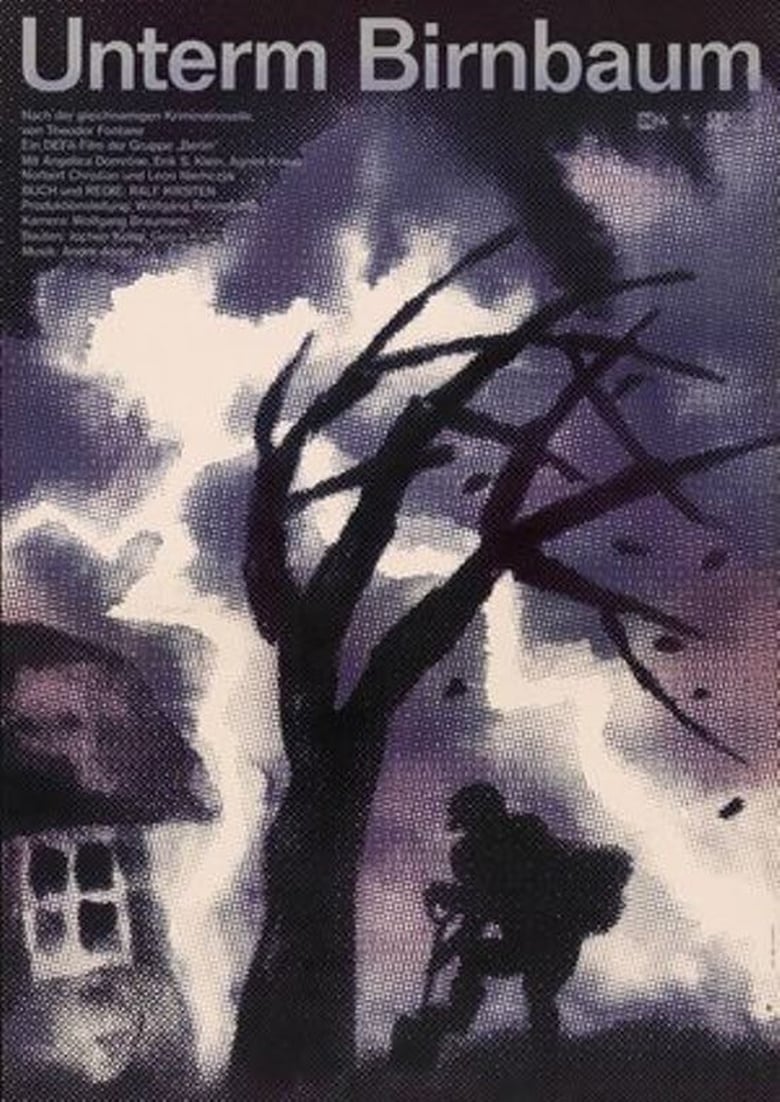
Unterm Birnbaum
Abel Hradscheck, the owner of an inn in the Oderbruch country, faces financial ruin. For this state of affairs, Ursula, his wife and former actress, is by no means free of blame. She is a "newcomer" to the area and even after eleven years in the area, still a "stranger". A Cracow company announces that a money-collector is on his way to the innkeeper. Mr. Szulski arrives and the debts are settled - with money supposedly stemming from an inheritance. The next day, Szulski departs but according to the maid and the stable-boy, behaves in a very strange manner. Soon afterwards, his carriage is discovered in the Oder River, but there is no trace of the drowned man. Hradscheck's neighbor starts casting suspicion on the innkeeper. The Counselor of Justice, who heads the investigations has the spot under the pear tree dug out. A dead body is exhumed...

Recovery
The authorities expect the case of Friedel Walter, alias "Dr. Mueller," to be a straightforward one: he was working as a doctor without proper credentials under a false name. But Mehlin, the man in charge of his case, knows that there is more to the story. When he was injured fleeing from a concentration camp, resistance worker Irene asked her medical student boyfriend Walter to give him medical care.
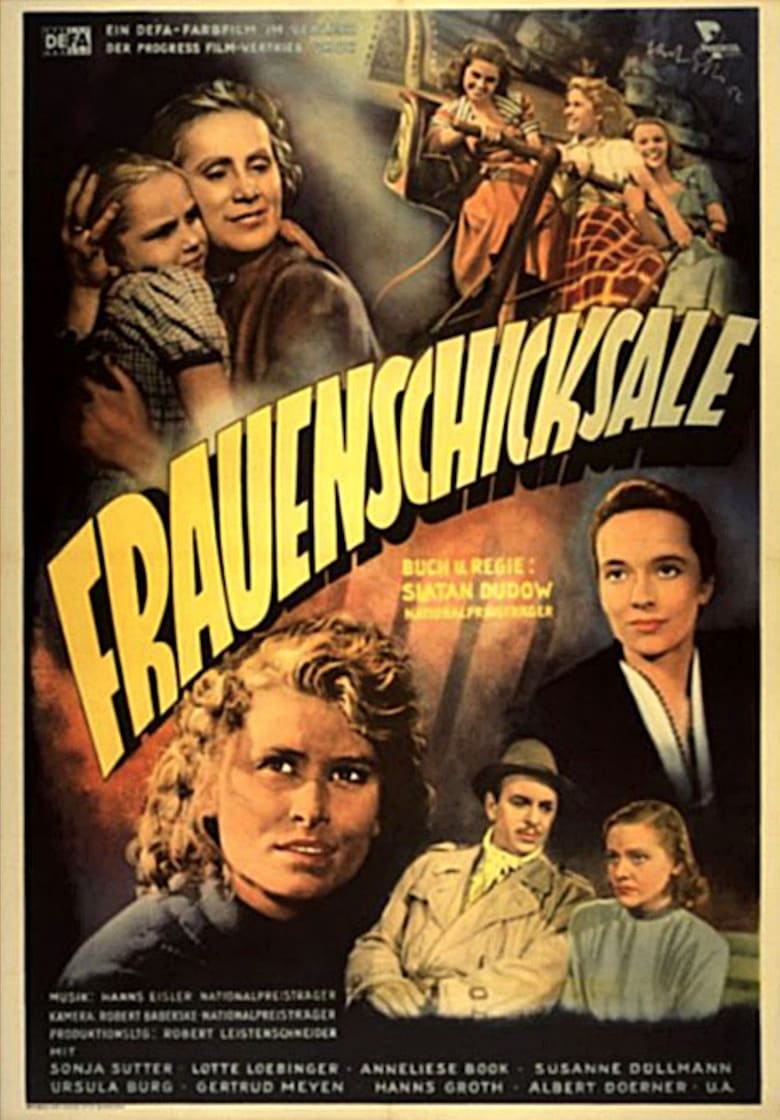
Destinies of Women
Berlin 1952, seven years after WWII. Four women are looking for a good man and happiness in the divided city. Their destinies are loosely connected through one person: the West Berlin dandy and womanizer, Conny.
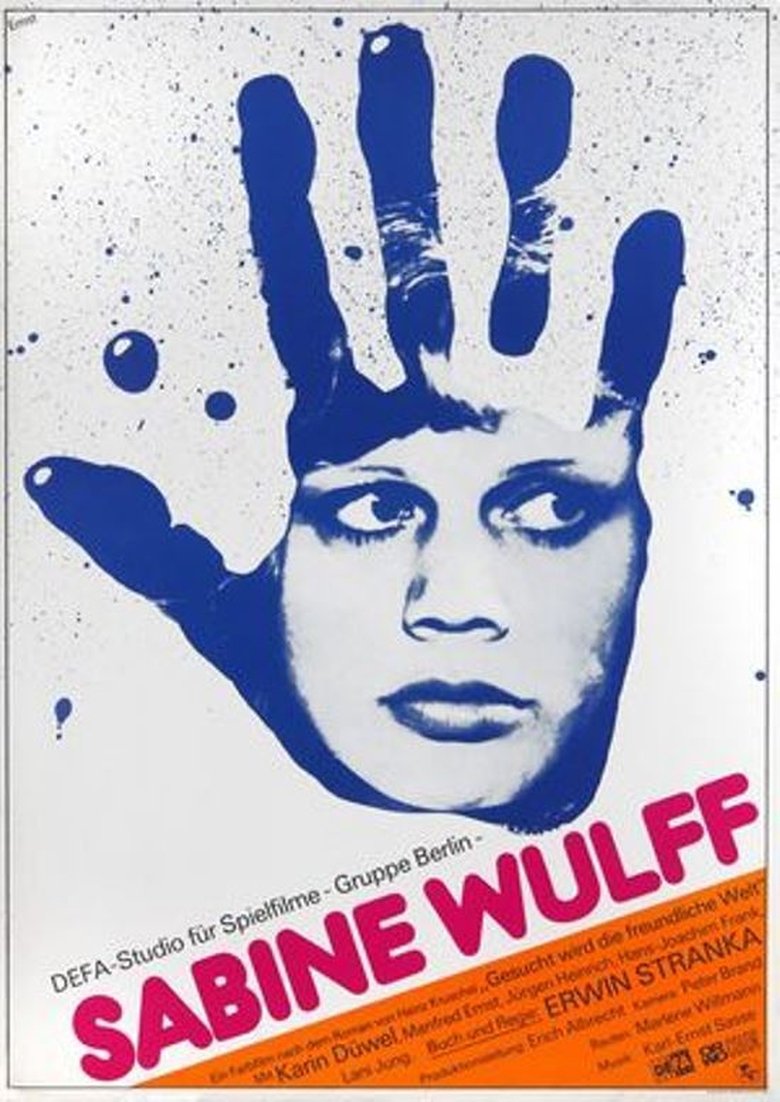
Sabine Wulff
Sabine Wulff is almost 18 when she is released from the juvenile detention center. She doesn't want to return to her unsupportive parents or to her former boyfriend Jimmy, who got her into trouble by persuading her to steal cigarettes. She instead chooses to begin an honest life by getting a job and renting her own room.
Filmography
as Frau Blümchen
as Monika Eckboom
as Kader-Gabi
as Frau Lindemann
as Frau Sagoreit
as Kathi
as Beamtin
as Sekretärin
as Frau Wulff
as Mutter Johansson
as Nachbarin
as Kristina Barbara Brahe
as Kurbels Mutter
as Male
as Parteisekretärin
as Mutter Bergschicker
as Luise Faber
as Susanne Faber
as Daniels Mutter
as Frau Siebkorn
as Dora Mettner
as Heiner's Mother
as Fräulein Platzke
as Susanna
as Hilde Buchholz
as Susanne Riemenschmidt
as Lilly
as Rosa
as Luise Otto-Peters
as Annegret
as Irene 'Reni' Schorn, verehel. Kerster
as Änne Jansen
as Änne Harms
as Freundin