
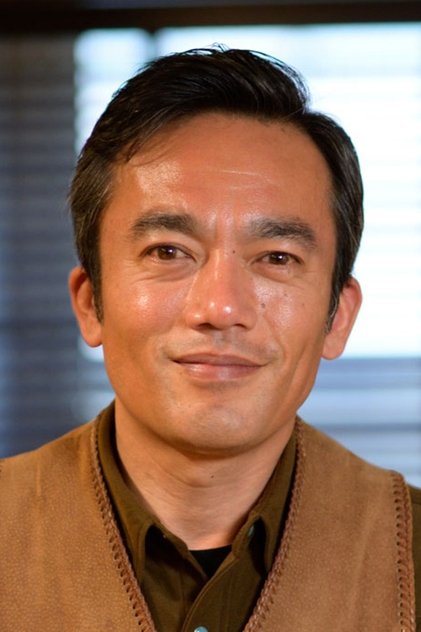
Kazuya Takahashi
Acting
Biography
No biography available for Kazuya Takahashi.
Born: May 20, 1969
Place of Birth: Tokyo, Japan
Known For

Ghosts vs. Aliens 03
A two-part feature directed separately by Shimizu and his colleague Keisuke Toyoshima. Unrelated to each other, both have a common goal: to bring ghosts and aliens together in pure, referential and absurdistic delirium, including neo-Nazi specters, zombie yakuzas and nasty aliens.
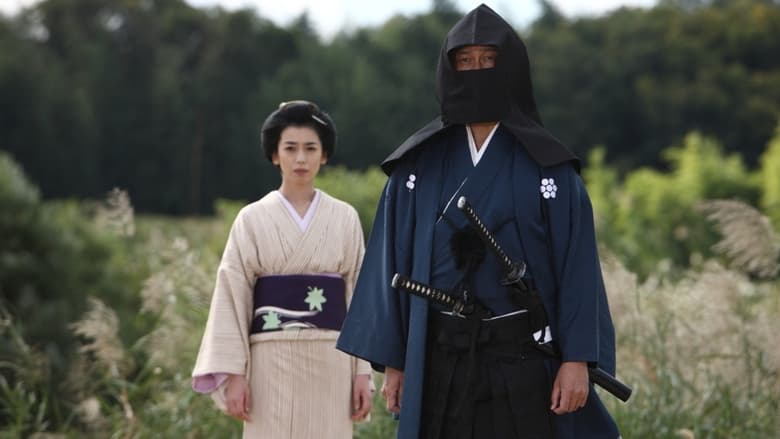
Kumokiri Nizaemon
During the Kyoho period in the reign of Tokugawa Yoshimune, there is a gang of thieves active not just in Edo but also the Tokaido and the Nakasendo, and all across the Kansai region, stealing large sums of money with skillful techniques. They only target the very wealthy and never kill or injure people. They appear with the clouds and disappear like the mist. On the night that the beautiful Ochiyo is to become the bride of a dry goods dealer, a large amount of money hidden inside the shop is stolen. The gang disappears without injuring anyone. It was a two-year plan to marry Ochiyo off so that she could bring them in. The leader of this gang is Kumokiri Nizaemon, the greatest bandit of all time. He keeps a rein on his highly-skilled and notorious followers Nanabake no Ochiyo, Kinezumi no Kichigoro, Subashiri no Kumagoro, Ingakozo Rokunosuke and others.
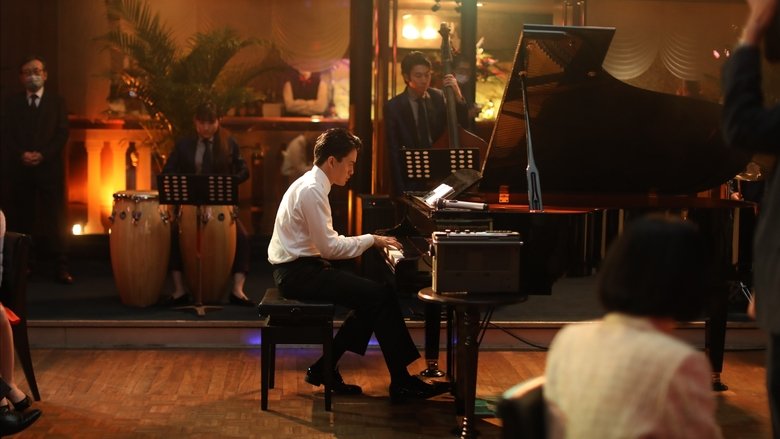
Between the White Key and the Black Key
In an audacious reworking of the biopic, this ensemble drama sees jazz pianist Minami Hiroshi’s memoir cleverly reinterpreted into a surreal and playful story about chasing dreams, disillusionment and the inner lives of professional artists. Closer to playing two sides of the same coin than tackling a dual role, Ikematsu Sosuke embodies two versions of Minami – the naïve upstart and the jaded pro – who magically cross paths as they become entangled with a cast of colourful characters in the seedy alleyways and jazz clubs of Ginza over a single night.
Black Kite
Yasu's mother passed away when he was very young and his father abandoned him. Yasu's wife, Misako, also lost both her parents when she was young. The two spend their days in happiness, watching their young son, Akira, grow up. Unfortunately, a freakish accident occurs that results in Misako sacrificing her life to protect her son. Yasu loses himself in grief and remorse, but recovers as he vows to raise his 3 year-old son as best as possible.
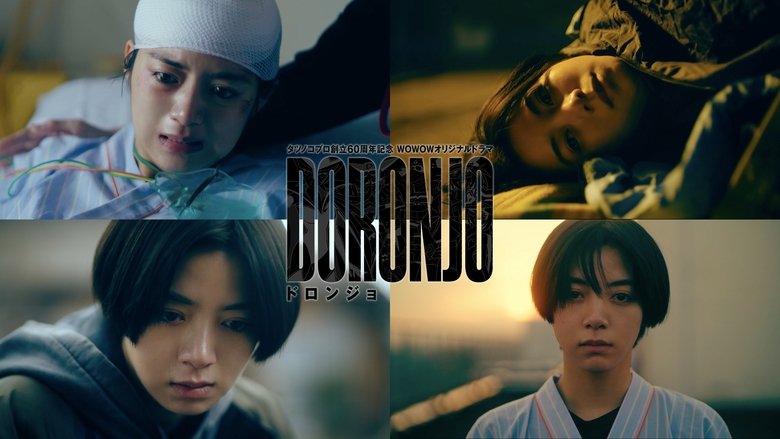
Doronjo
Nao Dorokawa lives in a poor and harsh environment. The only place where she can prove herself is where she has intense and serious physical fights. She keeps overusing her body as a tool in her fights. Due to this, she experiences shocking tragedies on her body, one after another.

Samurai Vendetta
Tange Tenzen is made a vassal to the shogun. He is a master of the single long sword fighting style. But in order to defend the honour of his wife, Nagao Chiharu, he loses an arm and his family is also wiped out.
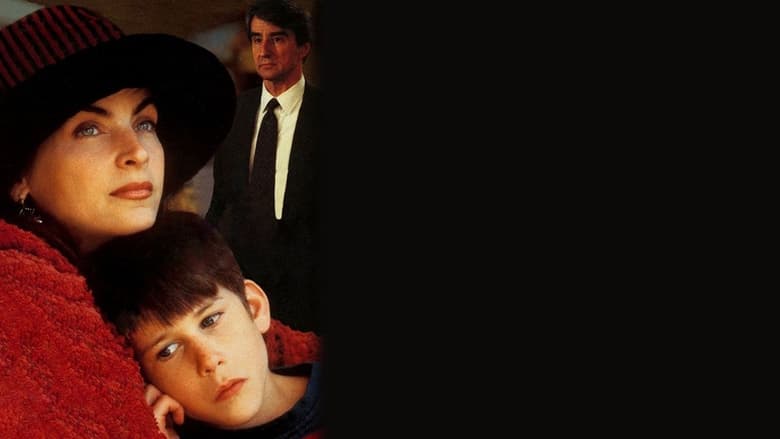
David's Mother
Sally Goodson has been raising her autistic son David alone since her husband left many years ago. Now a social worker discovers that Sally has been dodging 'The System' to keep her son with her, instead of putting him in an institution. Each feels they know what's best for David. But their opinions are not the same. Sally's developing relationship with John Nils is caught in the middle.

The Choice of Hercules
When radicals from Japan's Red Army took a woman hostage in the resort town of Karuizawa, Nagano in 1972, Officer Atsuyuki Sassa was put in charge of diffusing the situation. But the task had its challenges. Upon arriving in mountainous Nagano, Sassa had to compete with freezing winter temperatures, conflicting opinions between the Tokyo Metropolitan Police and the Nagano Prefectural Police, as well as public opinion to gain entrance to the lodge that held the single woman captive.
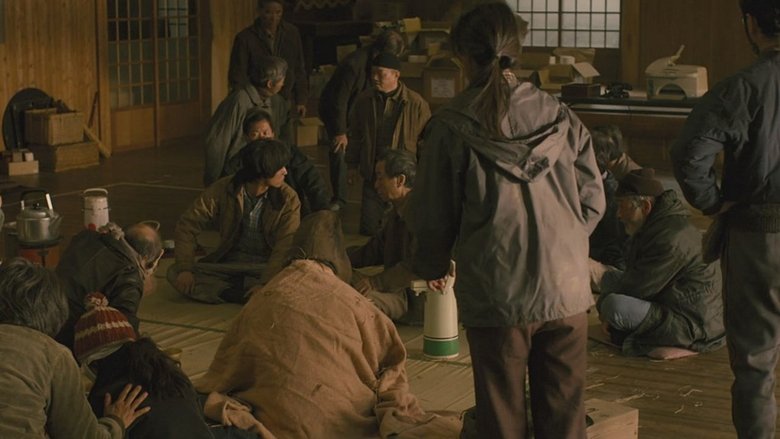
The Sun
The story is set in the early 21st century with the population decimated by bio terror. Two kinds of humans now exist. One is the Nokusu who were infected with a virus but survived and consequently they carry an antibody. Most are young, healthy and have high intelligence, but they have a high sensitivity to ultraviolet rays and are active mostly during the night. The other group are the Kyurio. They survived by never having the virus. The Nokusu discriminates against the Kyurio. Tetsuhiko Okudera is a Kyurio. He was born in a poor village. He isn't happy with being a Kyurio and wishes he could be a Nokusu. Yui Ikuta is Tetsuhiko’s childhood friend. She tries to revive the poor village.

Junjo Kirari
The 74th NHK Asadora Drama is Junjo Kirari, which means something along the lines of "pure-hearted Kirari." The story is set in Okazaki City, Aichi Prefecture in the era around the Second World War. When the story opens in 1928, the heroine, Sakurako, is a very active seven-year-old girl. Indeed, even in the first episode she exhibits her confidence and enthusiasm. But above all else, Sakurako is interested in becoming a jazz pianist, and music features extensively in the plot.
Filmography
as 渡辺冬馬
as Self
as Katsuji Maruyama
as Sumire's father
as Fumiya [48 years old]
as Seiichiro Hijirikawa
as Iwai Tomoya
as Reverend Washio
as Tamizo Kanbayashi
as Otani
as Toshinao Kanzaki
as Kohei Hanazawa(花沢 浩平)
as Ryuuji Sakuraba
as Hiroyuki Tanno
as Taichi Miyagi
as Taichi Miyagi
as Toshiomi Nakaoka
as Kazitani
as Masaya
as Yoji Kaneda
as Kondo Tsuneya
as Takuya Omiya
as Tree Farm Owner
as Mitome
as Daisuke Nonomiya
as Hagimoto Chief
as Shintaro Ashigara(足柄 信太郎)
as Horibe Yasube
as King Shoiku
as Den'ichiro
as Nobuo Kataoka
as (segment "Itaria no Uta")
as Anzo Suzuki
as Hiroshi
as Date Kosaburo
as Yû Hazuki
as Naoya Hase
as 大庭高志
as Tamao Oki
as Tatsuya Terada
as Ogawa Chikachi
as Amane
as Tatsuo
as Susumu Ameya
as TV News Cameraman
as Waiter
as Fumihiko Kirigaya