Khalil Shawki
Acting
Biography
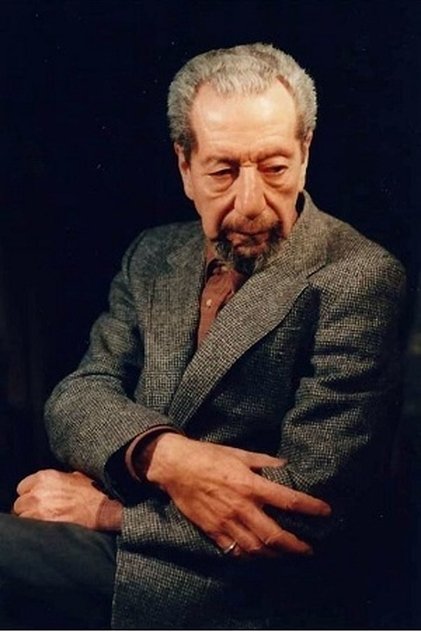
Iraqi actor, director, and writer, born in Baghdad in 1924. He joined the acting department at the Institute of Fine Arts, initially leaving after four years. However, he returned to complete his studies, graduating with a diploma in 1954.
Born: February 5, 1924
Place of Birth: Baghdad, Iraq
Known For
Abu Haila
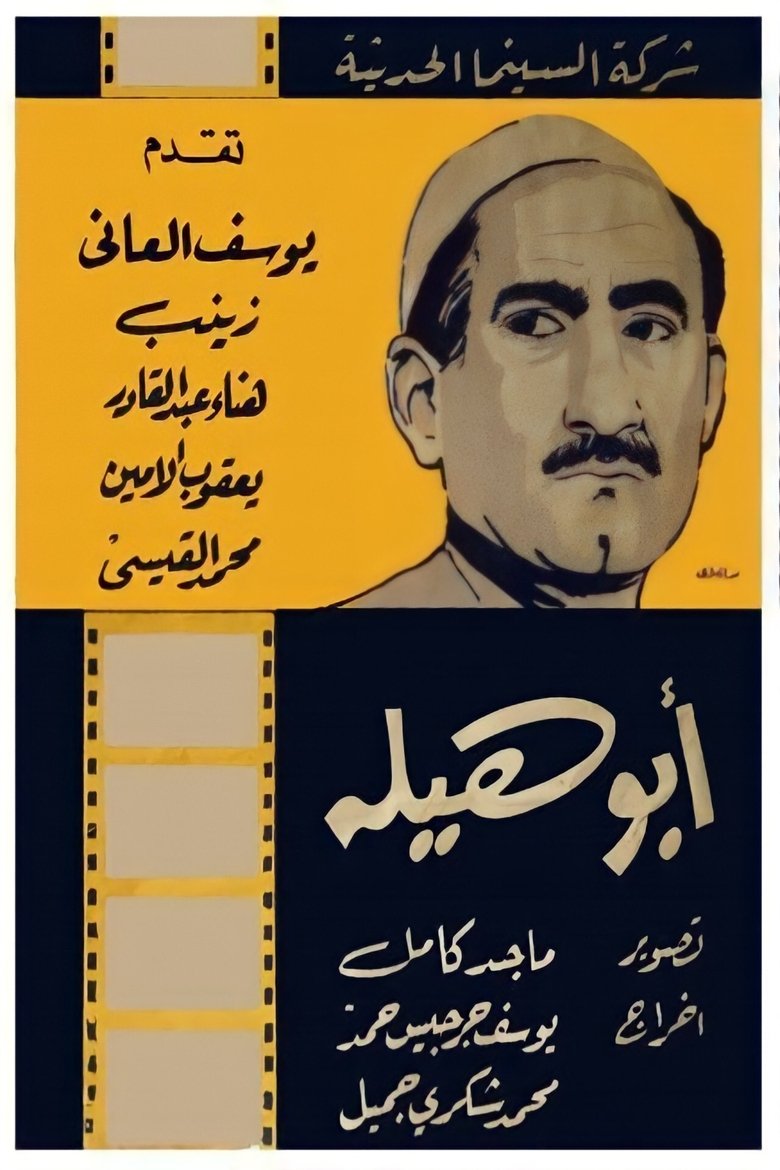
A social drama about Abu Haila, who tries to impose his opinions on others. But his decisions turn out to be wrong every time and he finds himself in unexpected paradoxes.

The Thirsties
In a drought-stricken Iraqi village, residents struggle with dried wells and springs, considering migration. Led by Sheikh Zayed Al-Radi, they unite to find water and persevere through scarcity.
Who's Responsible?
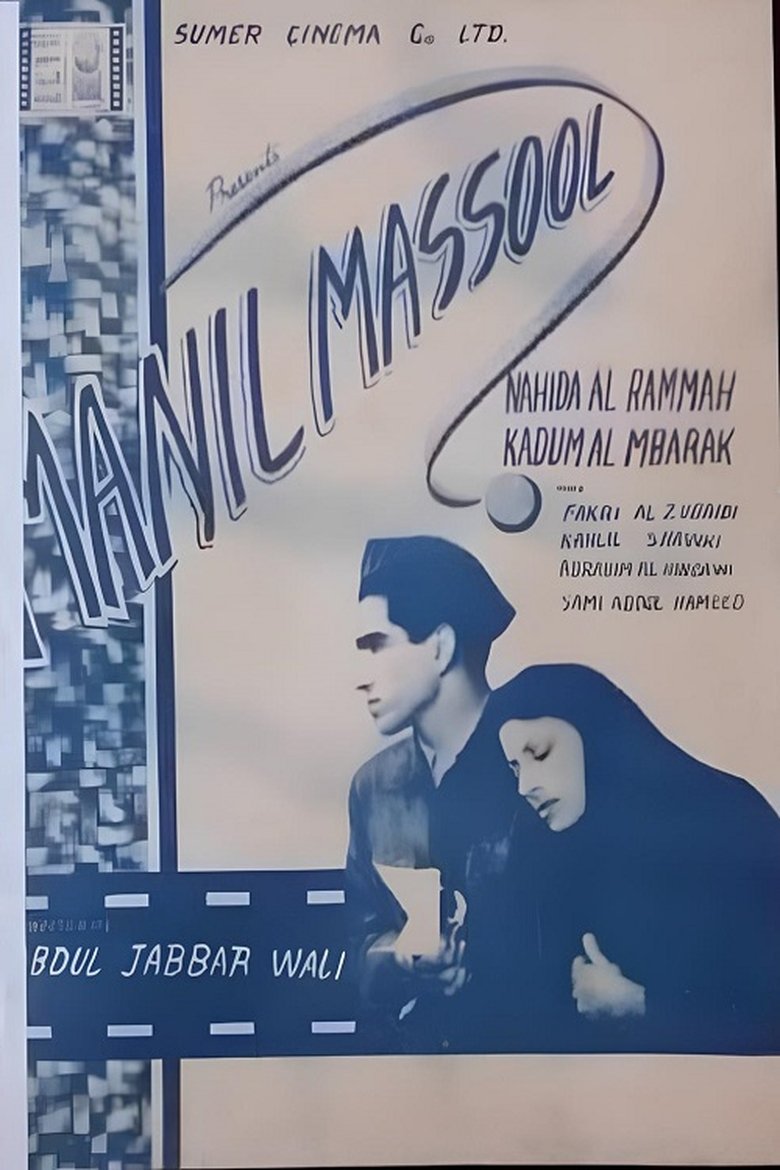
The first Iraqi film influenced by the Italian neorealism film movement, characterized by stories set amongst the poor and the working class. The plot revolves around a devoted husband deeply in love with his ailing wife, rushing her to the hospital in the late hours of the night. Seeking urgent medical attention, he pleads with the on-call doctor to treat her. However, faced with a negative response from the doctor, the husband, overcome with anger and desperation, unleashes a furious attack, tragically leading to the doctor's demise.
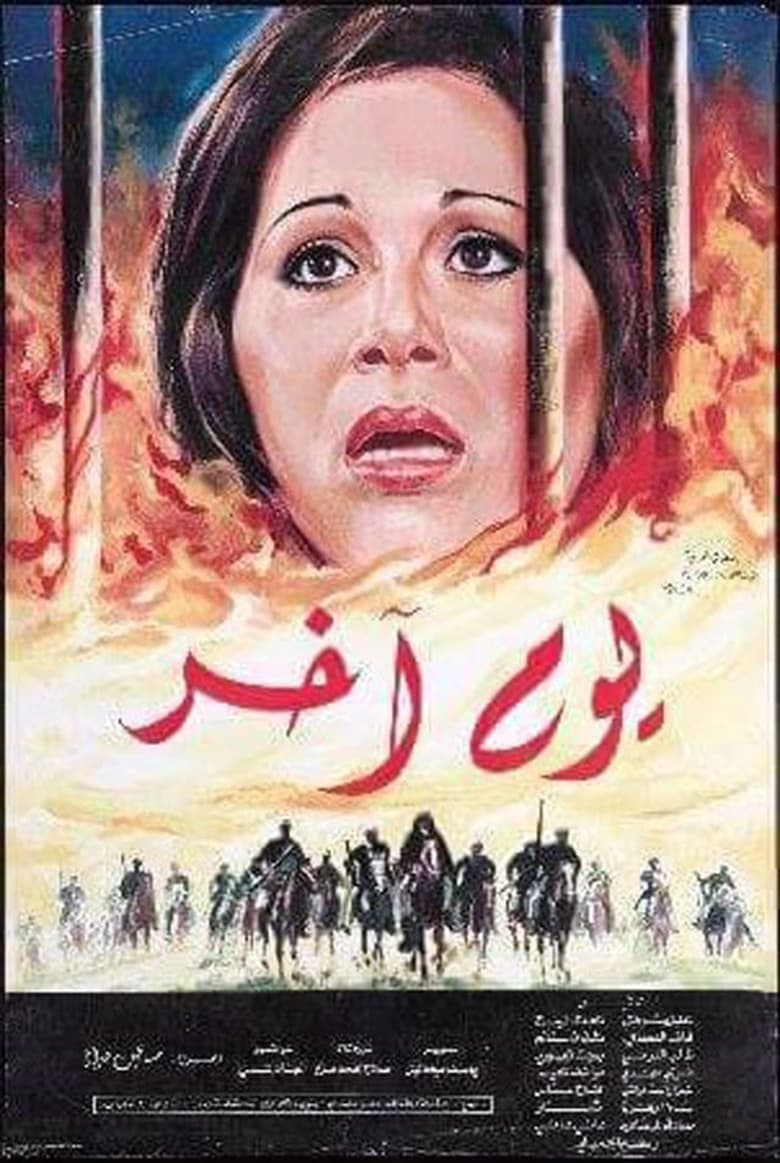
Another Day
Before the July 1958 revolution, Abu Saeed decides to incite the peasants to rebel against Sheikh Majid Al-Iqtai, who had burned their crops, exploited them, and enslaved them for many years. He succeeds in rallying the people's spirits against him.
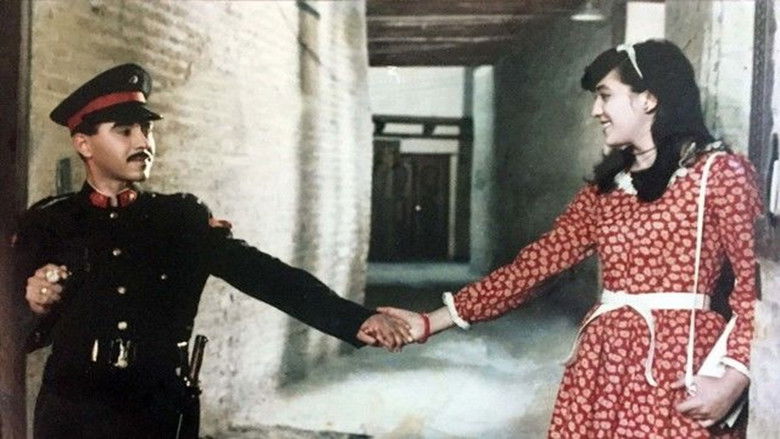
The Horseman and the Mountain
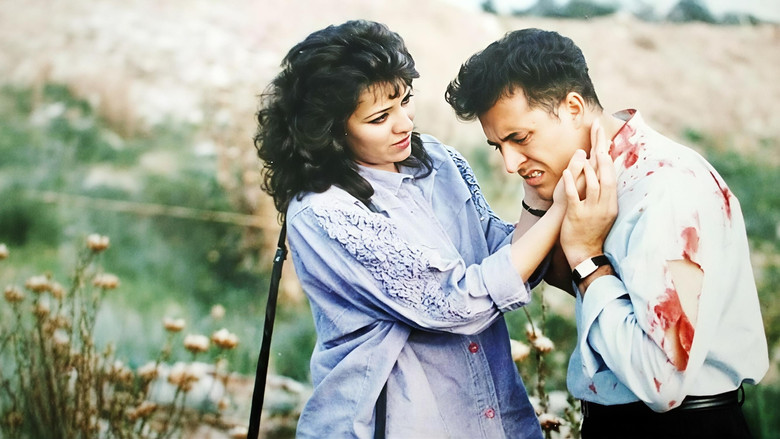
A border village during the Iran-Iraq war experiences the evils of war from the viewpoint of a young man who reflects on the fate that befell his village in this grinding war. The reality of war is reflected by the villagers who try to lead a normal life despite all the hardships they are facing.
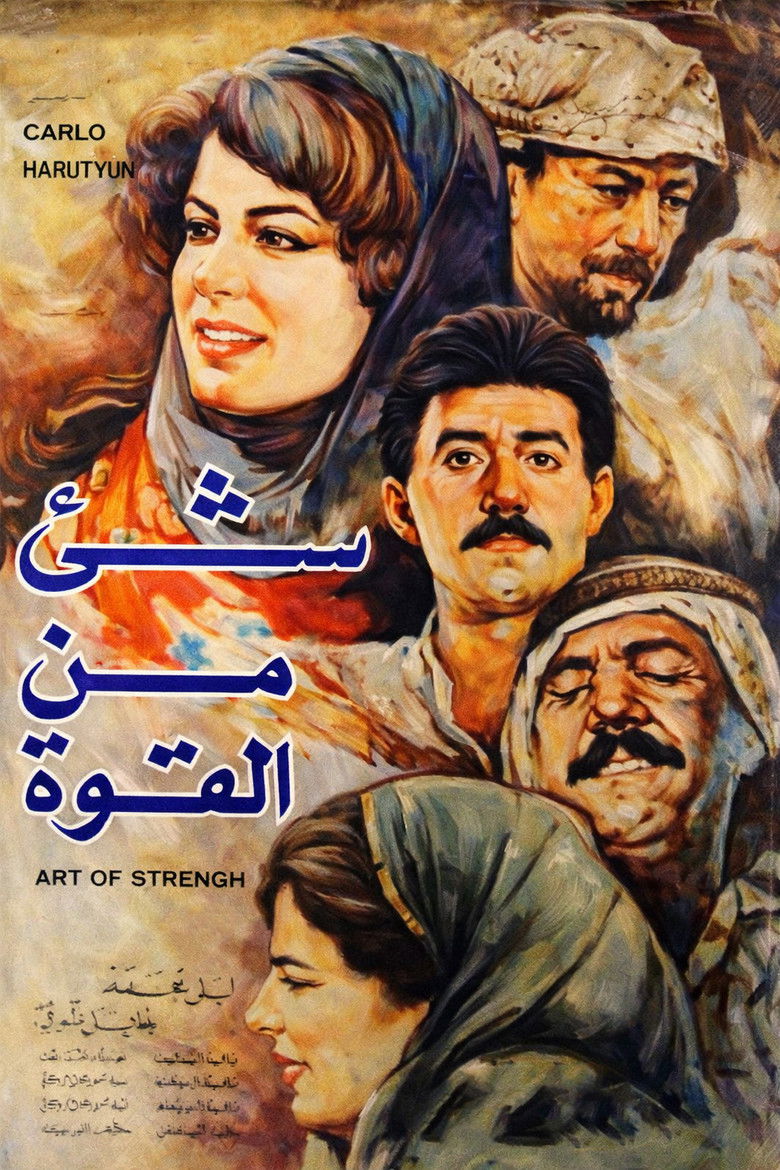
A Glimpse of Power
Fatima is a rural woman left behind when both her husband and brother depart to fight in the war. Alone, she carries the weight of survival, caring for her elderly father and young son, tending the land and livestock, and traveling long distances to bring water home. Amid the grind of daily hardship, longing consumes her. A horse once ridden and cherished by her husband becomes her sole emotional bridge to the absent men, embodying memory, hope, and endurance. Through it, she waits endlessly for their letters, clinging to reassurance that they are still alive.