

Kōichi Katsuragi
Acting
Biography
No biography available for Kōichi Katsuragi.
Born: March 12, 1890
Place of Birth: Hakodate, Hokkaido, Japan
Known For
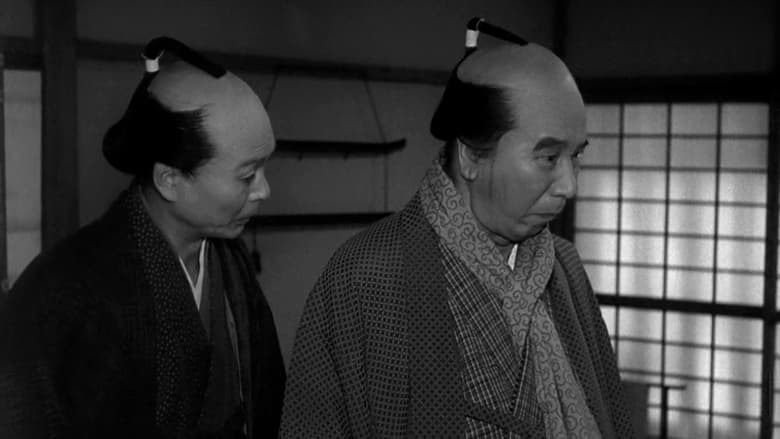
Chikamatsu Monogatari
When the wife of a 17th century Kyoto scroll-maker is falsely accused of having an affair with his best employee, the pair flee the city and find themselves falling for one another.

Ghost of Saga Mansion
A woman loses her son through an evil conspiracy and commits suicide. Shortly afterwards a ghost cat begins haunting the conspirators. This is Takako Irie's first bakeneko (ghost cat) movie; it started a Daiei cycle which was very popular at the time in Japan.
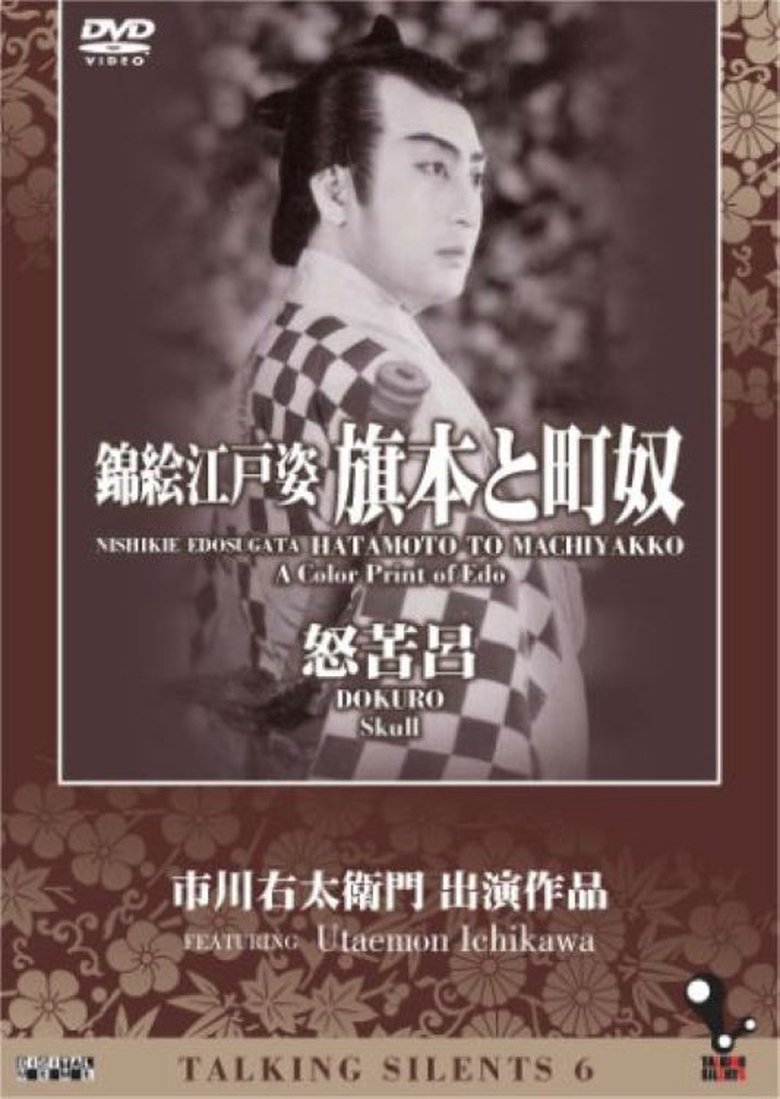
A Color Print of Edo
The Color Print of Edo is a 1939 black and white Japanese silent film with benshi accompaniment directed by Kazuo Mori. It is a cheerful period drama, sprinkled with comical scenes and tells the story of a loyal and handsome Edo period servant who fights to help his older brother marry the woman he loves. The star of this film, Utaemon Ichikawa, gained enormous popularity for his portrayal of a cheerful and chivalrous man.
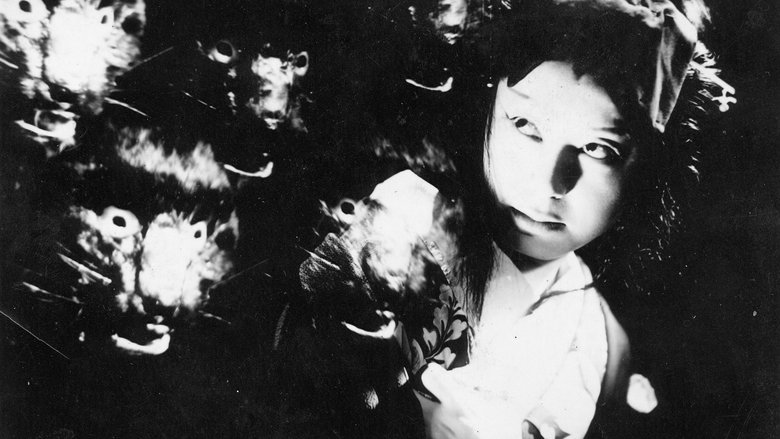
The Ghost Cat of Ouma Crossing
A kabuki actress is murdered. Her pet cat laps its mistress's blood and becomes a demon possessed by the vengeful murder victim.
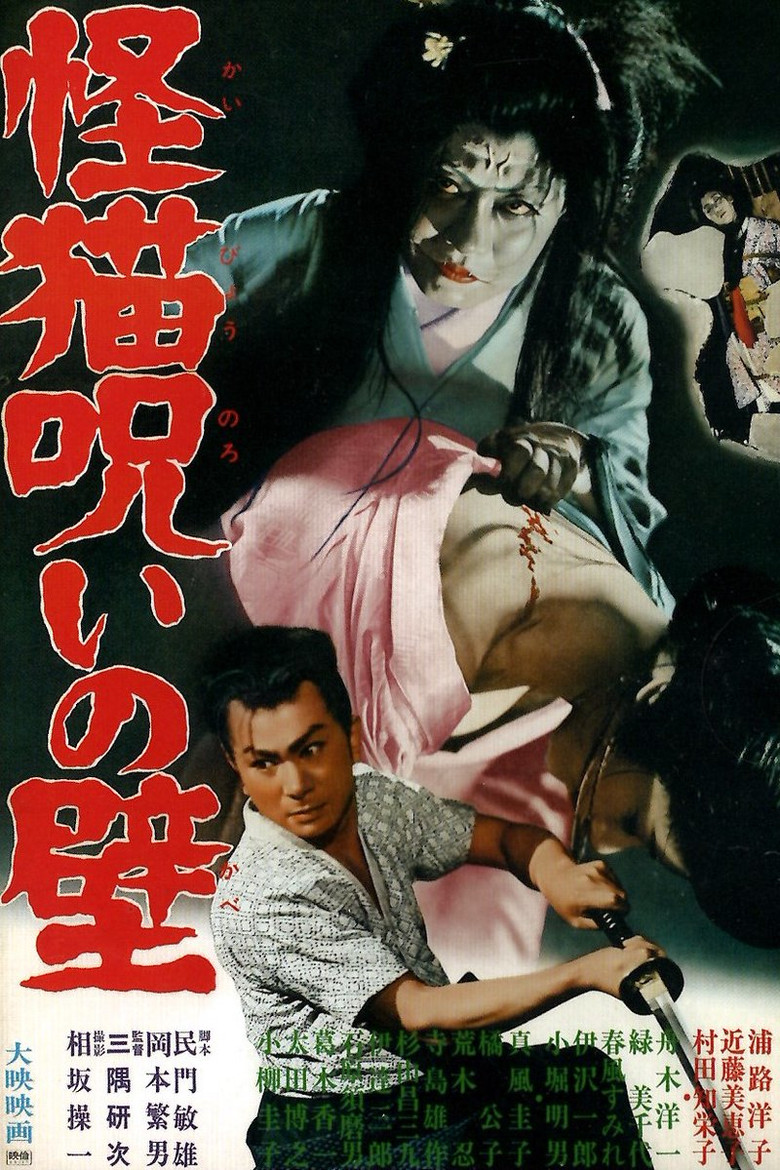
The Ghost-Cat Cursed Wall
When a nobleman finds a woman to be an obstacle to his growing political influence, he kills her and her cat and has their bodies immured in a wall. Shortly afterwards, a catlike demon begins to haunt the castle.
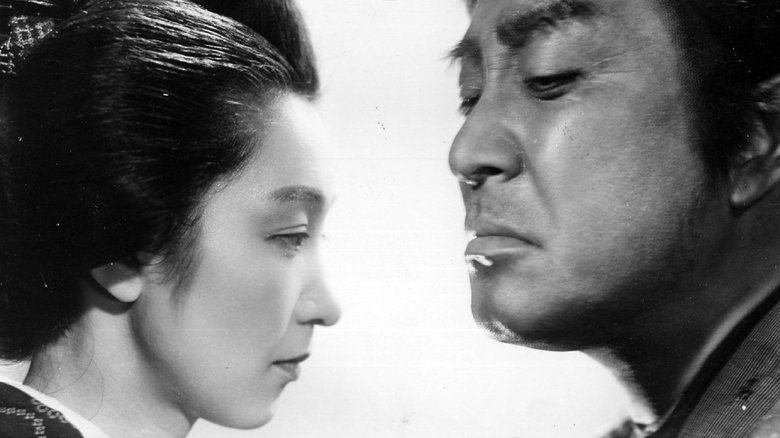
The Life of Matsu the Untamed
Matsugoro is a poor rickshaw driver whose animated spirit and optimistic demeanor make him a favorite of the town. Matsu helps an injured boy, Toshio, and is hired by the boy's parents.

The Crowded Train
Tamio Moroi, a young university graduate, works at a large brewery where he is taught to do nothing but look busy. When his father goes insane, he is told to send money for medical research into the condition. This prompts him to pay his father a visit, leading to a series of mishaps that leaves him at the bottom of the heap in what he once expected to be a promising lifetime career.
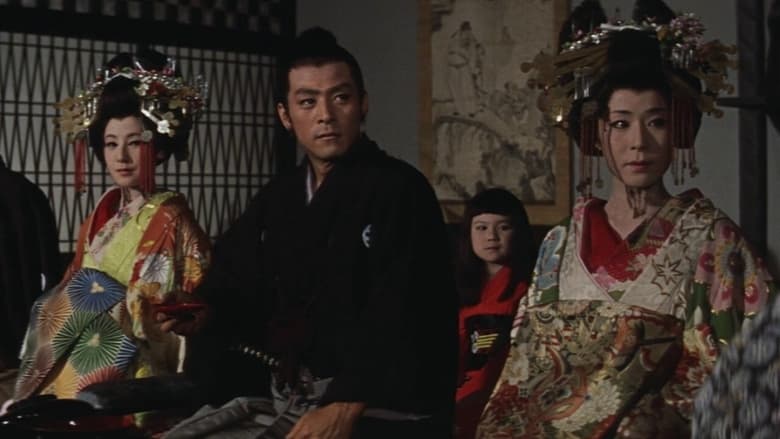
Satan's Sword
The Dai-bosatsu toge trilogy is based on Kaizan Nakazato's unfinished long series of novels (41 books, written from 1913 to 1941). Set in the last period of the Tokugawa Shogunate, Daibosatsu Toge tells the story of Ryunosuke Tsukue, a nihilistic swordmaster who doesn't hesitate to kill anyone, bad or good.
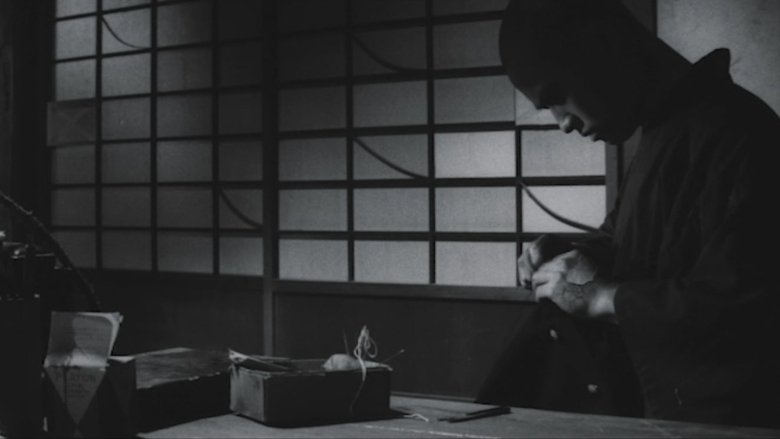
The Temple of Wild Geese
Satoko is a mistress by trade or fate: when her master, the silkscreen artist of the Kohoan Temple in Kyoto, dies, she is given to the temple's lascivious head priest Kikuchi. She is drawn to a melancholy young acolyte, Jinen, who has observed the profligacy of his cruel master and Satoko's utter dependence on the man. Jinen is both fascinated and disturbed by Satoko's interest in him; he is similarly caught between loathing of Kikuchi and of the dark circumstances of his birth and his own moral weakness. The story unfolds in a dreamlike manner—a flashback inspired by a now-infamous image on a silkscreen in the souvenir shop at the so-called Temple of the Wild Geese.
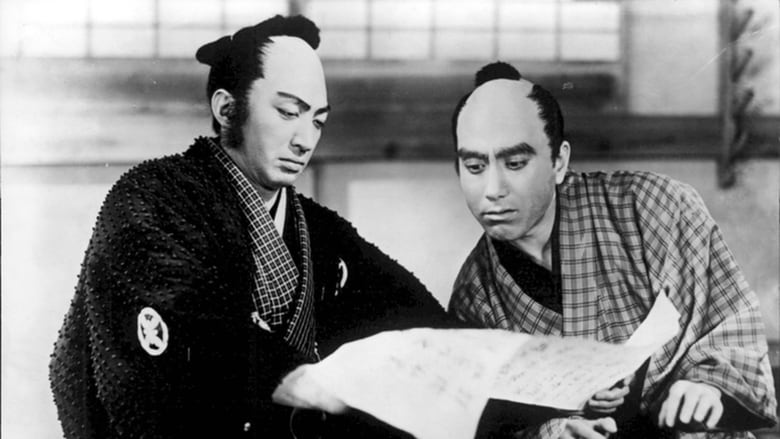
The Letter
A samurai is ordered by his lord to go to Edo and investigate the truth behind the rumor of a rebellion against him.
Filmography
as Takemine Matsuyama
as Suprabuddha
as Fujisaku
as Priest
as Akashi Takenori
as Kihei
as Yashiro
as Mito Noriaki
as 万屋の主人
as Matsudaira Nobutsuna
as Sanzō
as Yujiro Yasuda