
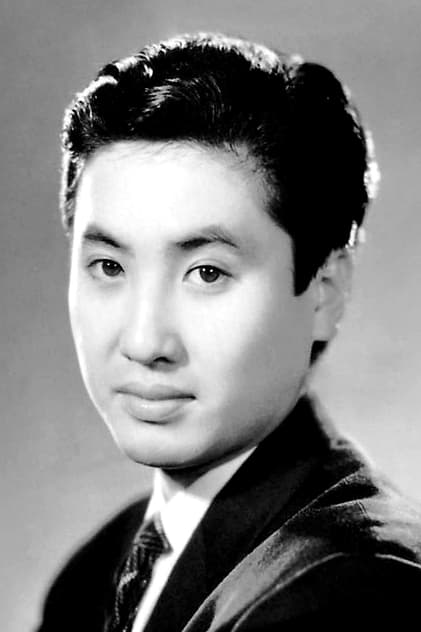
Kinnosuke Nakamura
Acting
Biography
From Wikipedia, the free encyclopedia Yorozuya Kinnosuke (萬屋錦之介) was a Japanese kabuki actor. Born Kin'ichi Ogawa (小川 錦一 Ogawa Kin'ichi), son of kabuki actor Nakamura Tokizō III, he entered kabuki and became the first in the kabuki tradition to take the name Nakamura Kinnosuke. He took on his guild name (yagō) Yorozuya as his surname in 1971. In addition to his kabuki activity, Kinnosuke had an extensive film career. A specialist in jidaigeki, Kinnosuke appeared in more than 140 films. These include a 1957 Mito Kōmon and a 1961 appearance as the title character in the Toei Company's Miyamoto Musashi series (a role he reprised in 1962, 1963, 1964, and 1965, and again in 1971). A versatile actor, he has played as many as seven characters in a single film.
Born: November 20, 1932
Place of Birth: Tokyo, Japan
Known For
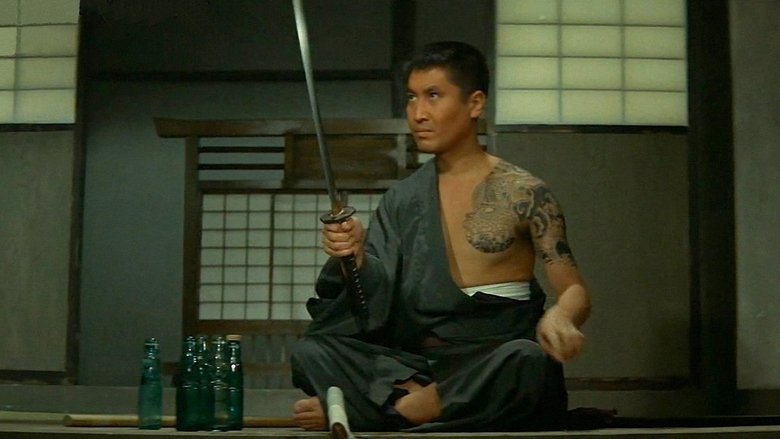
Flower and Dragon: Duel of the Sea Caves
The sequel of "Flower and Dragon". Kingoro Tamai founded a family in the port of Wakamatsu. He unites people with his courage, and revolts against the entrepreneur Oki Nakashi, who is teeming with vices. Kingoro and his family are also forced to fight against the Ezaki-Gumi group, which is opposed by Tomoda Kizo, who is trying to control the port of Wakamatsu.

Swordsman With the Torn Umbrella
Set in the Edo period, Kanou Toshu studied medicine in Nagasaki and lives on the outskirts of Senju-juku . He is also a master of the Mugai Ryu sword style. Although he has skills in medicine, he is also a big drinker and often drinks all day and falls asleep, or drinks at night and does not go home. He does not charge for treatment and medicine costs from poor patients such as tradesmen and farmers, but occasionally he'll buy their produce or drink with them. When he senses injustice by the rich and powerful, he takes matters into his own hands and doles out justice as he sees fit.
Avenging Father
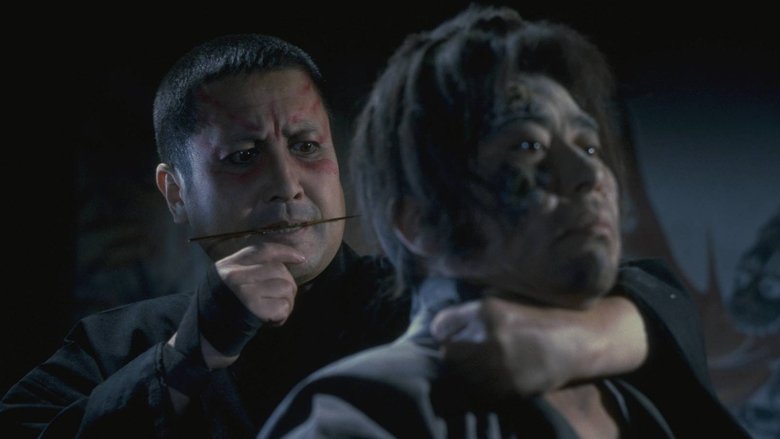
Baian the Assassin
This is an ensemble period drama adapted from Shotaro Ikenami's popular novel, featuring the famous Kabuki actor brothers Kinnosuke Manya and Katsuo Nakamura, who made the transition from the Kabuki world to the film industry, and a cast of gorgeous and diverse faces. The Edo period. Nagato Abe, a Hatamoto (a feudal lord), is annoyed by his son's bad behavior, and when it becomes a hindrance to his own career, he asks Otowaya Hanemon, a black marketeer, to assassinate his son. The target is then taken care of by the assassin, Umeyasu. In order to keep his mouth shut, Nagatomon no Mamoru also attempts to take Otowaya's life. Nagato's brother-in-law, Omiya Sahei, a corrupt merchant from the Kamigata region, also plans to replace Otowaya as the head of Edo's black market business, so Umebayashi and his fellow trapper Hikojiro set out to eliminate them.
Yakuza of Seki
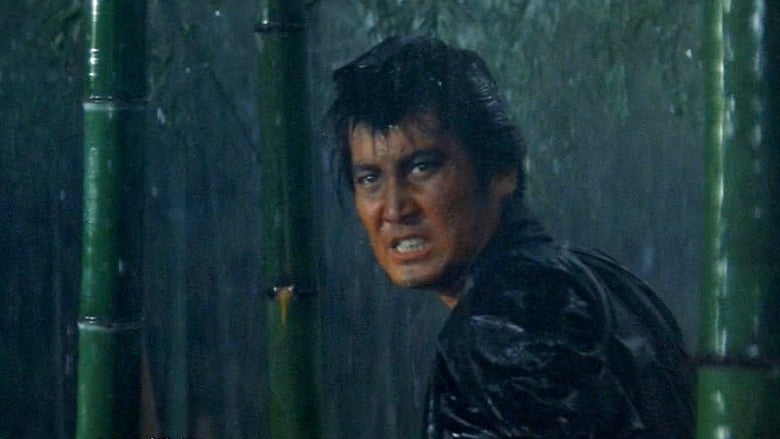
A young yakuza, Yatappe, wanders around the country in search of his long-lost little sister, Oito. While traveling, he rescues a young girl, Osayo, whose father entrusts her to him with his dying wish. To honor his promise to Osayo's deceased father, Yatappe brings her to safety, and from a distance keeps a watchful eye on her well being.
Lord Mito: All Star Version
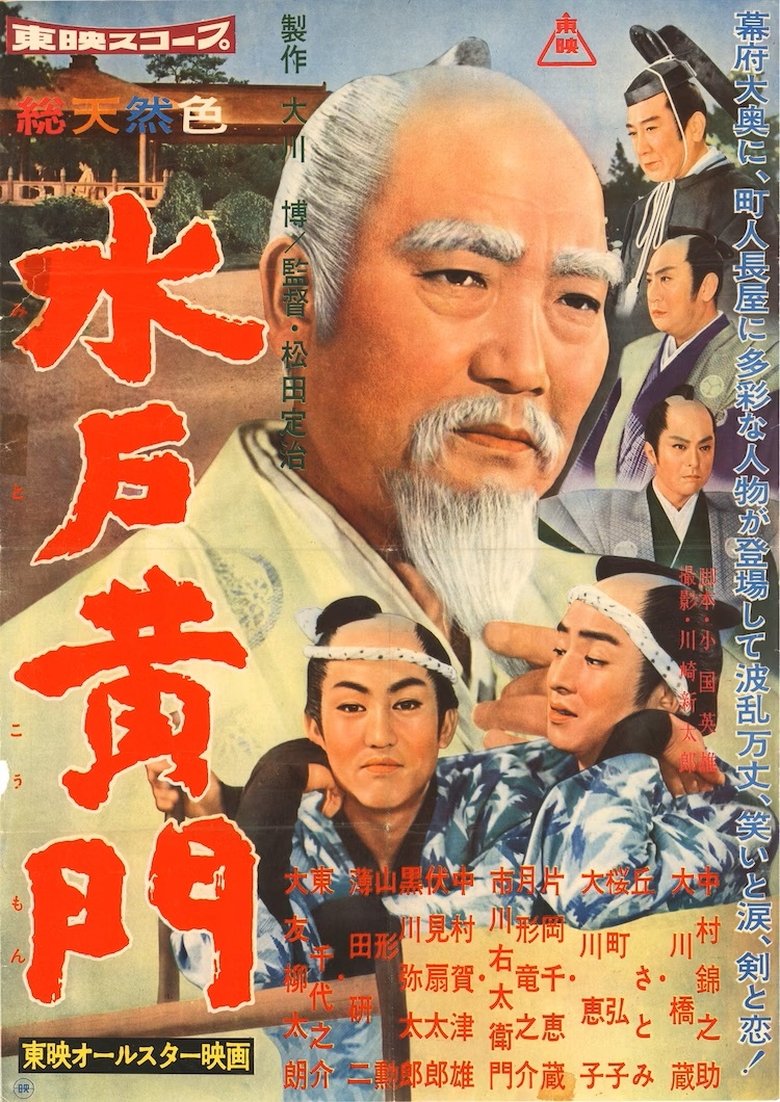
In 1691 a terrible fire broke out in Denmacho, Yotsuya, burning down the towns around it, up to the shores of Shibaura. A month and a half later, another fire broke out, this time in Komagome, burning down the two gates of Asakusa and Sujikai, and continuing on into the night. As the government Elders consider evidence that these fires were arson, a fire breaks out in Hirakawa-cho, outside of Hanzo Gate. Nishonmaru catches on fire and burns down completely. When this rash of fires even strikes Kyoto, the task of finding who’s behind the arson, and stopping them falls to the Shogun’s uncle, the Elder Lord of Mito. Together with his trusted bodyguards, Kaku and Suke, the trio set of to save Japan from this scourge of evil. Featuring virtually all of their most famous stars, this is the best film in the Toei series about Mito Komon, one of Japan’s most popular historical figures who traveled through the country incognito to check on the people and fight injustice.
Lord Tokugawa Ieyasu
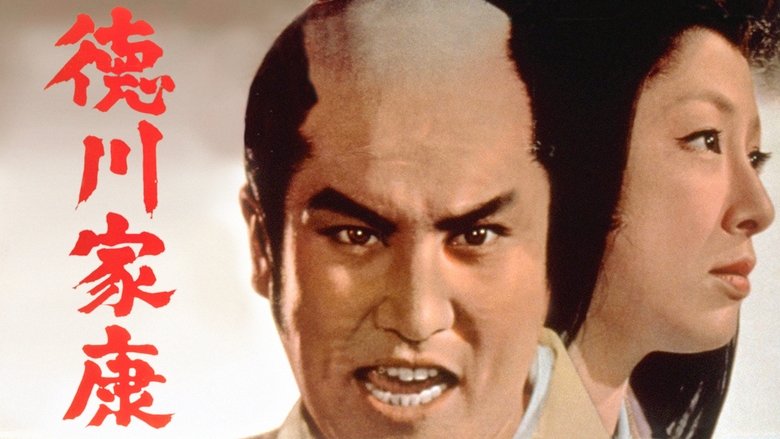
In turbulent 16th-century Japan, the leaders of a minor fief have their child taken from them as a political hostage. His mother and his clan endure years of tribulations until he can return.
Lord Mito 2: The Nation's Vice Shogun
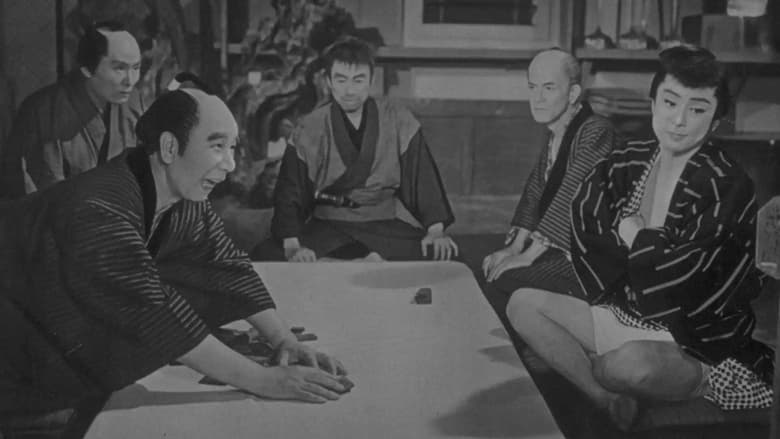
After settling the matter of shogunal succession, the retired Old Lord of Mito finds himself in a sea of trouble when he gets involved in the succession of the Takamatsu clan. The usurpers try by every means to effect their takeover, even if it leads to blood being spilled. Along with Kaku and Suke, the elder must face the most dangerous time of his life, in a battle against those corrupt individuals who would use any means to further their dastardly conspiracy, regardless of how many lives might be destroyed. The great Misora Hibari gives a bravura performance, as does the rest of this all-star cast. This is another outstanding effort on the part of the Toei Films, blending fact and fiction to bright back Japan’s golden era of the Genroku period.
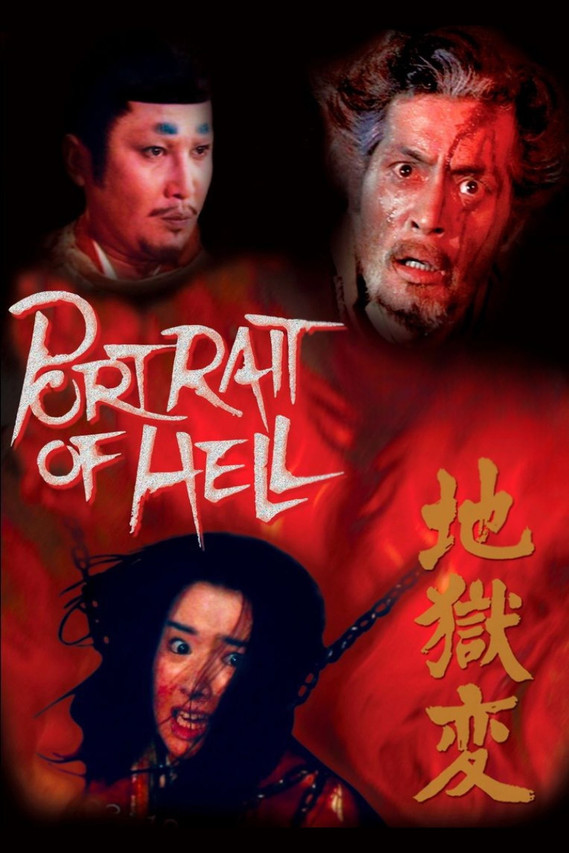
Portrait of Hell
The story, set in the Heian era, depicts the conflict between Korean painter Yoshihide (Nakadai) and his Japanese patron, the cruel and egotistical daimyo Horikawa (Nakamura). It is based on the 1918 short story Hell Screen by Ryūnosuke Akutagawa.
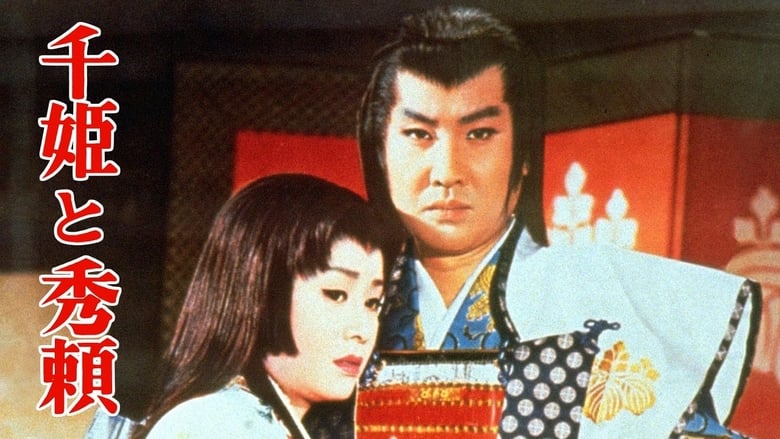
Lady Sen and Hideyori
From the late 1500's through the founding of the Tokugawa Shogunate many battles were fought as the great warlords vied for power over the nation. Princess Sen, a daughter of Tokugawa Ieyasu, is caught amidst the family feud between the Tokugawa and Toyotomi families. When her father Lord Tokugawa Ieyasu attacks her husband Toyotomi Hideyori's castle, her life takes a sudden turn for the worse. Will she ever find peace in her life again? One of Hibari Misora's most memorable performances, a movie you will never forget!
Filmography
as Yamana Sōzen
as Urakusai Oda
as Katsu Kaishû
as Kadota
as Ogami Ittō
as Itto Ogami
as Eiji Niki
as Baian Fujieda
as Miyamoto Musashi
as Matsudaira Katamori (Lord of Aizu)
as Tokugawa Ieyasu
as Oishi Kuranosuke
as Yagyu Tajima
as Tadashiro Hiramatsu
as Ittô Ogami
as Musashi Miyamoto
as Yagyū Munenori
as Heima Ibuki
as Ryoma Sakamoto
as Fujita Arima
as Lord Hosokawa
as Saika Magoichi
as Samon Fujimaki
as Shingen Takeda
as Samanosuke / Tange Sazen
as Kutsukake Tokijiro
as Miyamoto Musashi / Takezo
as 織田信長
as Shinpachi Ezaki
as Miyamoto Musashi / Takezo
as Sasuke
as Yataro of Seki
as Miyamoto Musashi / Takezo
as Jirozaemon / Iikura / Sajiemon / Kyutaro / Shuzo / Shingo / Osamu / Susumu
as Miyamoto Musashi / Takezo
as Toyotomi Hideyori
as Banba no Chutaro
as Miyamoto Musashi (Takezo)
as Wakisaka Awajinomori
as Chu/Tadasuke
as Yataro
as Oda Nobunaga
as Chubei Kameya
as Sunosaki no Masakichi
as Date Masamune
as Utsugi Hyoma
as Itaro of Asama
as Utsugi Hyoma
as Ginji
as Genji Kurô
as Genta / Young Lord Genjiro
as Onikichi
as Jiromaru
as Jiromaru
as Hyoma Utsugi
as Chikara
as Genji Kurô
as Mori no Ishimatsu
as Goro
as Soga Goro Tokimune
as Oda Nobunaga
as Minamoto Yoshitsune
as Benten Kozo
as Okita Soji
as Kikumaru