
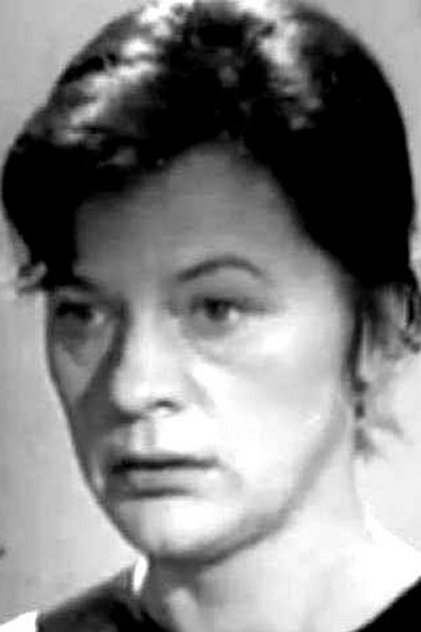
Kirsten Søberg
Acting
Biography
No biography available for Kirsten Søberg.
Born: April 17, 1929
Place of Birth: Øster Lindet - Sønderjylland
Known For

Mirror, Mirror
Heavily influenced by the French stage sensation La Cage Aux Folles (which was filmed the very same year) a drag-queen comedy about a group of homosexuals sharing an apartment with a naive but straight country boy did not live up to expectations. The lead characters lead boring lives during the day and, as depicted here, downright pathetic existences at night, all decked out in peacock plumes and high heels and with nowhere to go.
The Fishermen
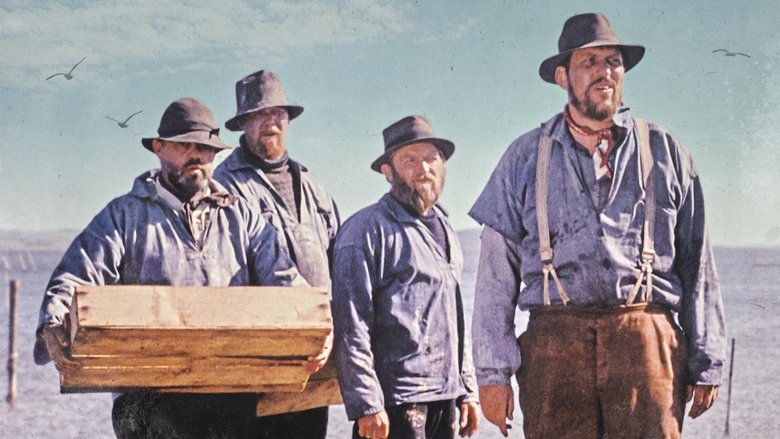
A mini series based upon the book by Hans Kirk. A classic television drama and a delightful series about life in a remote community on the west coast in a bygone era. A group of fishermen and their families move across the fjord and settle in a small community. Here they thrive and become more and more established, setting the standard for how life should be lived. But not everyone in the families wants to live in this community and tries to break out.
Matador
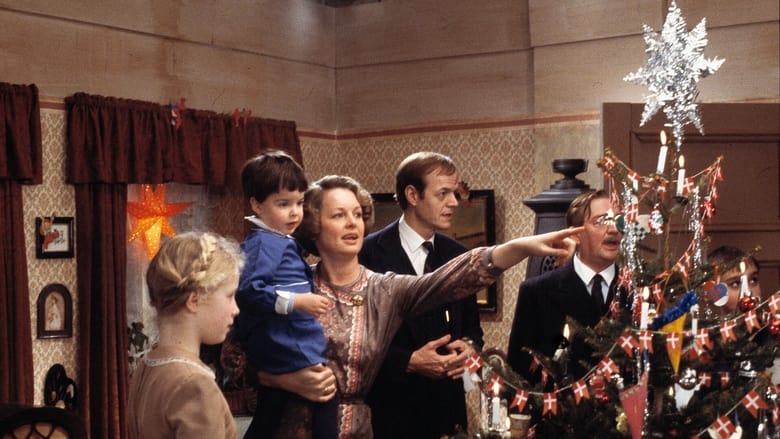
Matador is a Danish TV series produced and shown between 1978 and 1982. It is set in the fictional Danish town of Korsbæk between 1929 and 1947. It follows the lives of a range of characters from across the social spectrum, focusing specifically on the rivalry between the families of two businessmen: The banker Hans Christian Varnæs, an established local worthy, and social climber Mads Skjern, who arrives in town as the series opens. The name Matador was taken from the localised edition of the boardgame Monopoly, also the series' tentative English title. In addition, in contemporary Danish a "matador" is often used to describe a business tycoon, in the series referring to the character of Mads Skjern and his craftiness as a self-made entrepreneur. Directed by famed Danish film maker Erik Balling, Matador was the idea of author Lise Nørgaard who wrote the bulk of the episodes alongside Karen Smith, Jens Louis Petersen and Paul Hammerich. The series is one of the most well-known and popular examples of Danish television and represents the peak of longtime development of Danish TV drama by the public service channel Danmarks Radio. The series has become part of the modern self-understanding of Danes, partly because of its successful mix of melodrama and a distinct warm Danish humour in the depiction of characters, which were portrayed by a wide range of the most popular Danish actors at the time; but also not least because of its accurate portrayal of a turbulent Denmark from around the start of the Great Depression and through Nazi Germany's occupation of Denmark in World War II.
The Moelleby affair
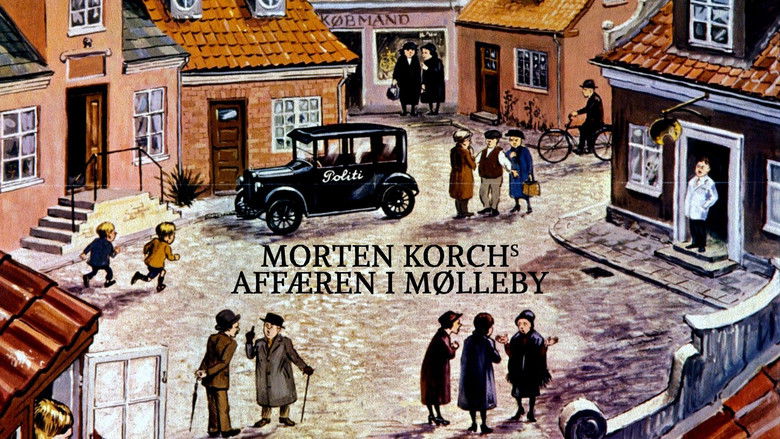
Mølleby is a small, cozy market town. The year is 1924, and the sight of a Rolls Royce from Copenhagen is a sensation. But all is not as idyllic as it seems. The town's new mayor is trying to build a new brickworks to ensure the town's growth and future, but the previous mayor is doing everything he can to thwart these ambitious plans...

Paradise and Back
Tonnemann lives in one of the wooden sheds at the far end of Islands Brygge, close to Copenhagen's landfill site. But in 1928, he wants to leave this environment behind – to go where the air is fresh and life may offer both security and meaning. He is already on his way with his packed suitcase to sign on to a long-distance boat when a lovely girl gets in his way with her little red sports car.
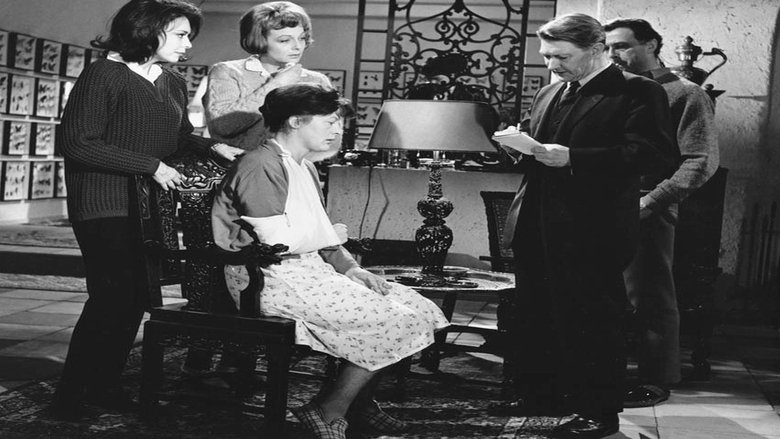
Death Comes at High Noon
A dark evening, a crime writer Peter Sander, drives through a forest when his car runs out of petrol . A little distance from the road there is a house with lighted windows, and he goes there to borrow a phone. Suddenly he trips over a tree root and sprain one foot . He lags up the forest road . Then there is a shot, a moment after running steps. A beam cuts through the dark. It goes out . The steps moves away. Peter gets up and stomps up to the house . No one responds to his knokking.
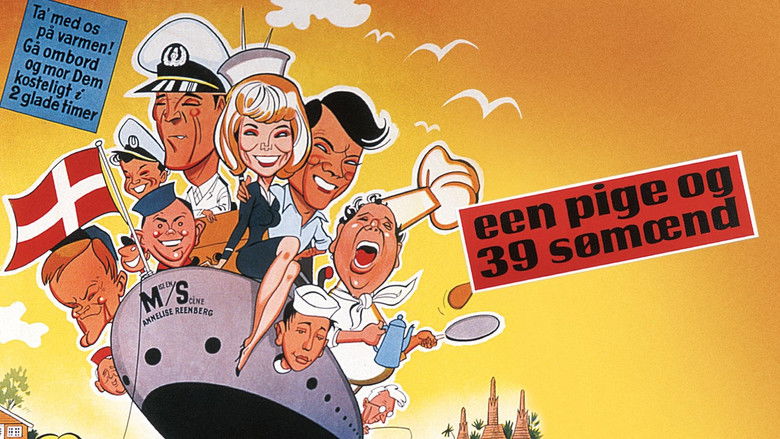
Een pige og 39 sømænd
This festive comedy has a theme song that was incredibly popular in its day – but which is missing a verse! The penultimate verse ends as follows: "...there were 39 sailors and one girl, and that's why the censors deleted the last verse." In 1965, it was new and very daring for a girl to go to sea in the merchant navy. But fortunately, Peer Guldbrandsen and director Annelise Reenberg saw that girls also had a future at sea when they wrote the film's screenplay based on Else Boyes' best-selling novel. The moral frown is replaced by a big smile when the pretty radio operator, Else, boards the M/S Warrigal, owned by the magnificent shipowner, Wilhelmine Jacobsen. The trip from Brønshøj to Bangkok – and back – becomes as festive as an archetypal Danish male society can manage when a pretty girl destroys their age-old traditions.
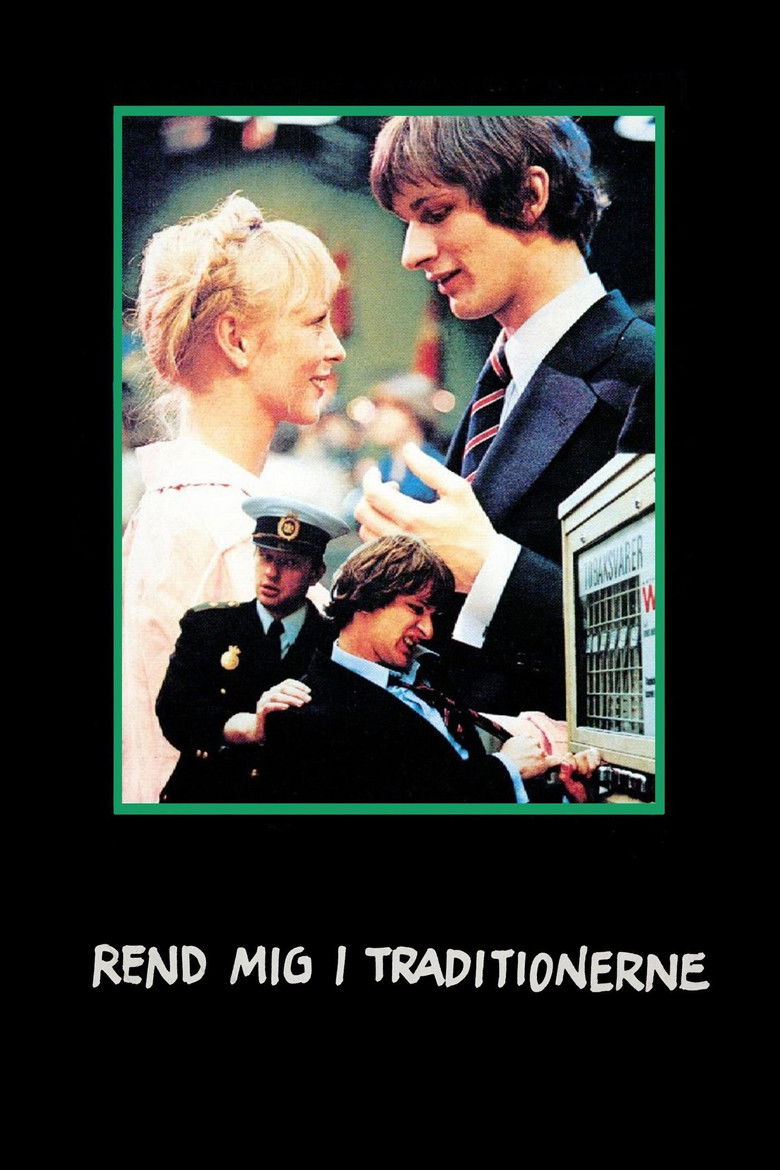
Kick Me in the Traditions!
Based on Leif Panduro's 1958 satire classic. David, a senior high-school student, aims a swift kick at his principal's behind and is committed to a psychiatric ward from the perspective of which he takes a close look at his allegedly sane family. They, of course, are the real loonies. The psychiatrists are worse. Only lovely class-mate Lis is down-to-earth and trustworthy.
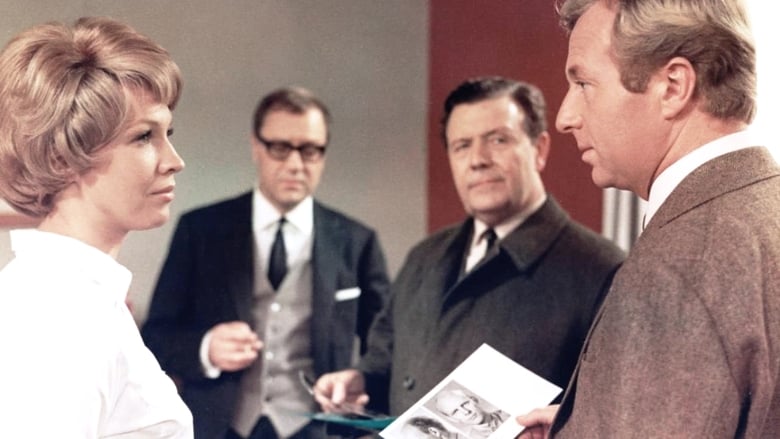
Think of a Number
The story opens just before Christmas, when solitary, apathetic bank clerk Flemming Borck uncovers a plot to rob his bank. After doing a little rookie recon, Borck identifies the would-be bank robber as a faux shopping-mall Santa Claus, and counter-plots to steal the money himself and let Santa take the blame. This works out about as badly as you might imagine, and our bumbling protagonist spirals further and further away from the carefree, laconic lifestyle he had hoped to ensure for himself.
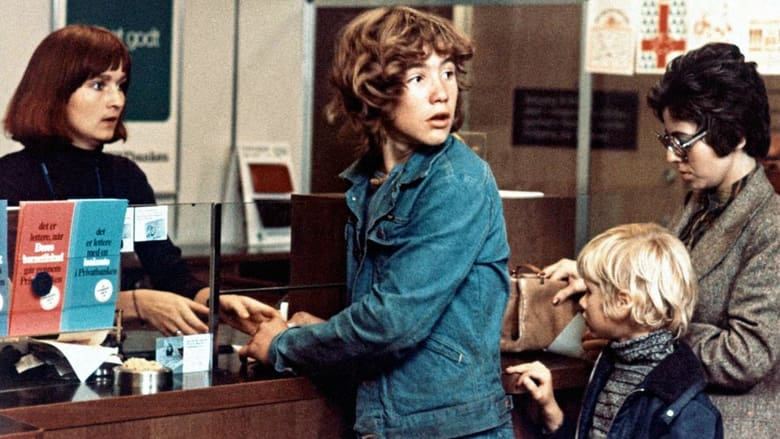
Could We Maybe
Kim, an ordinary 15-year-old given mostly to himself, is living with an unmarried mother in a small apartment. One day, he falls hostage in a bank robbery along with an unfamiliar girl falls, but after making friends with the leader of the robbers, Kim and his new friend run away from them. Settling for a while in an empty house, teenagers fall in love.
Filmography
as Frøken Philipsen
as Agnetes mor
as Alma Jensen
as Hansigne
as Kim's Grandmother
as Kents mor
as Professorinden
as Borcks rengøringskone
as Fru Jensen
as Kokkepige
as Frk. Jørgensen