
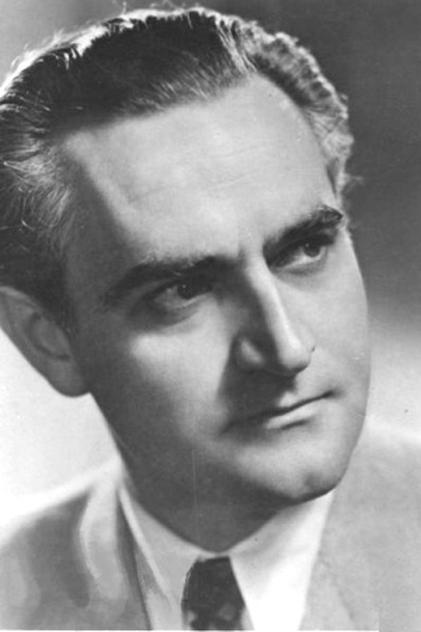
Károly Kovács
Acting
Biography
No biography available for Károly Kovács.
Born: January 19, 1902
Place of Birth: Mezõszilas, Austria-Hungary [now Hungary]
Known For
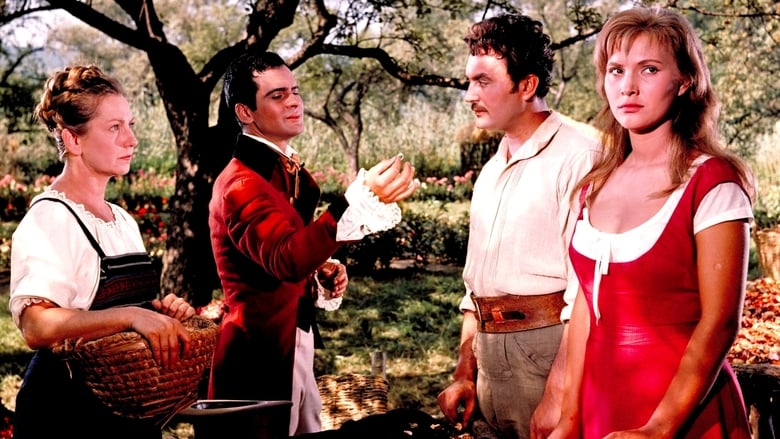
The Man of Gold
Adaptation of Mór Jókai's classic 19th century novel on Mihály Tímár, the captain of a commercial Danube ship in the 1830s, who finds unexpected fortune by meeting a Turkish aristocrat fleeing from his home country with his daughter Tímea. On their journey, they find an unknown island on the Danube, called the Senki szigete (the Island of No-one), a sort of earthly paradise, with only an old woman and her young daughter Noémi living on it.
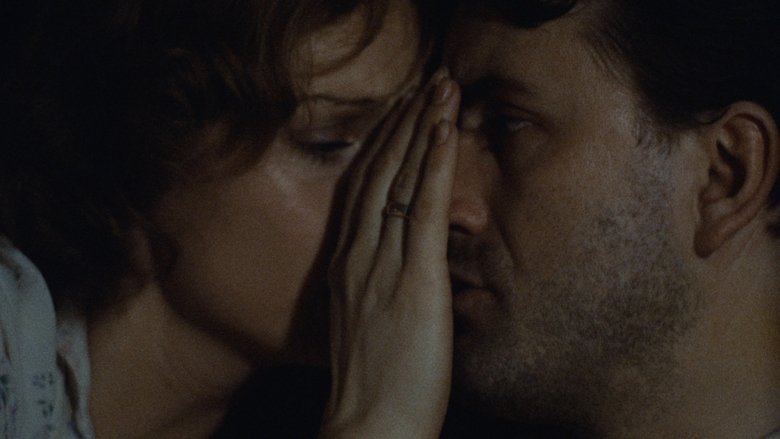
Confidence
Janos and Kata are thrown together during the Second World War and forced to pose as husband and wife to hide from the Nazis. The intensity and suffocating intimacy of their new relationship and the circumstances in which they find themselves, forces them to confront past prejudices and assumptions and challenge what they truly believe.
Six Weeks of Happiness
Gábor Bozsó is a professional burglar. His daughter Éva, who knows nothing about her father's profession, is raised in an upscale institution. When she falls in love with one of her father's victims, things take a big change.
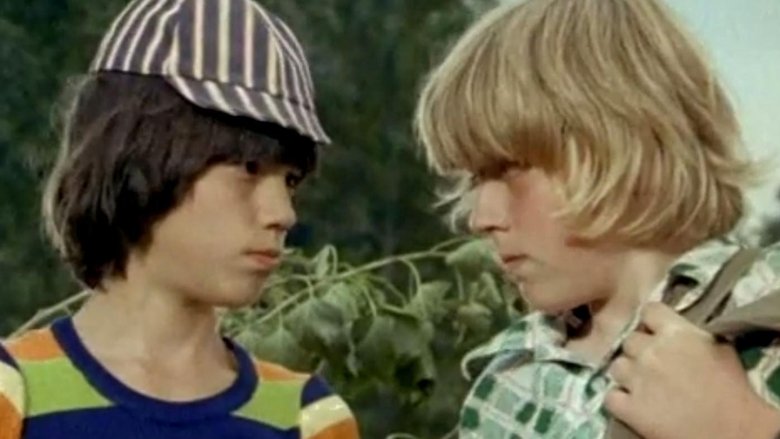
Off the Range
A comedy about a group of children who are spending summer vacation alone in the nature.
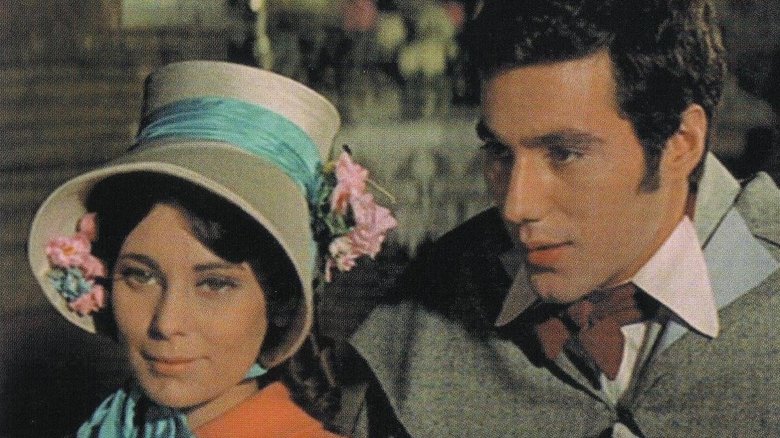
A Hungarian Nabob 2: Karpathy Zoltan
On the novel by Mór Jókai. The first half of the XVIII century. Several decades of life of a noble family Karpati.

Adventure
In 1940 Budapest, a successful doctor leads a perfect life, unaware that his wife and his adopted son are planning to run away together.

Cold Days
Andras Kovacs' film, considered one of the most important Hungarian films of the 1960s, centers around four men who await trial for their involvement in the massacre of several thousand Jewish and Serbian people of Novi Sad in 1942. Each denies any responsibility, claiming that they were only following orders. The film is significant for its willingness to address the subject of Hungary's role in WWII, which was taboo at the time of the its release.
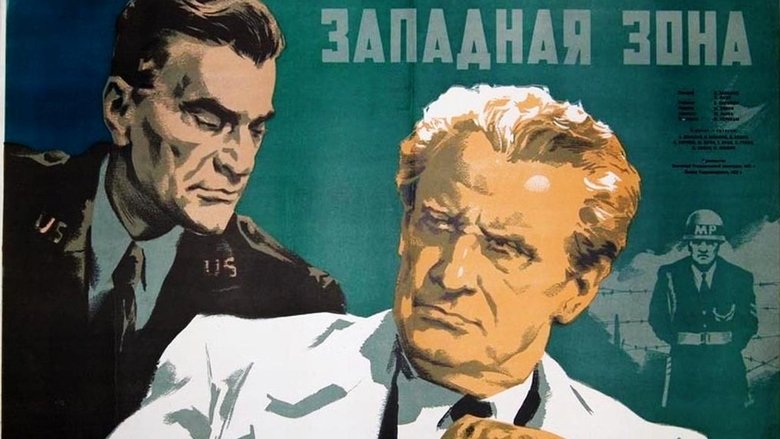
Nyugati övezet
Prof. Laurent Akush from the Institute of Geophysics is working on a device that can be used to locate coal underground. For successful work he needs a tube XCX13, it is available in the West, but foreign firms sabotage the supply of the device. In his institute there is an enemy engaged in sabotage, but the professor does not believe in enemies. He believes that this is propaganda, science is above ideology, and that "scientists are made of a different dough." Laurent Akush receives an invitation to the international geological congress in Berlin, there he hopes to meet an old American friend, the scientist McLane. He takes with him his assistant Ferenc Ervish and a young Stakhanovite worker, Ishvan Kadosh. The professor does not yet know that in Berlin, Colonel Thompson of American intelligence is preparing a trap for him.
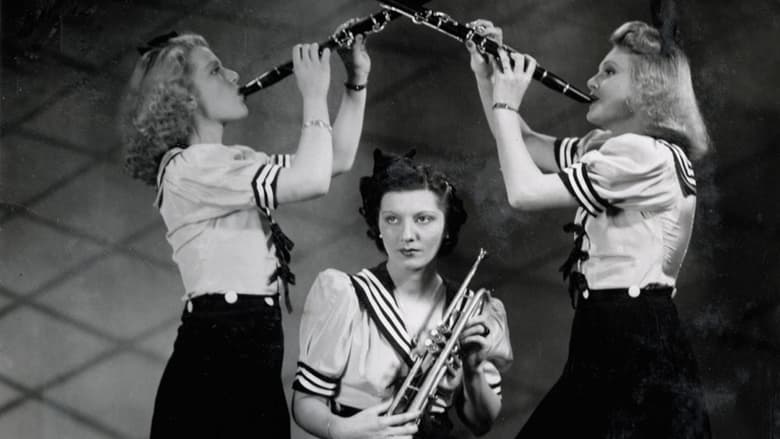
Two Girls on the Street
Two girls run away from a small village. Gyöngyi comes from an aristocratic family and her father throws her out of the house when he discovers she has gotten pregnant out of wedlock. She finds herself wandering the streets of Budapest and earns money playing the violin in a restaurant. Vica is an orphaned peasant; she is afraid of her stepfather and moves to the city where she gets a job on a construction site. Gyöngyi and Vica meet on the streets of Budapest, move in together and turn their lives around.
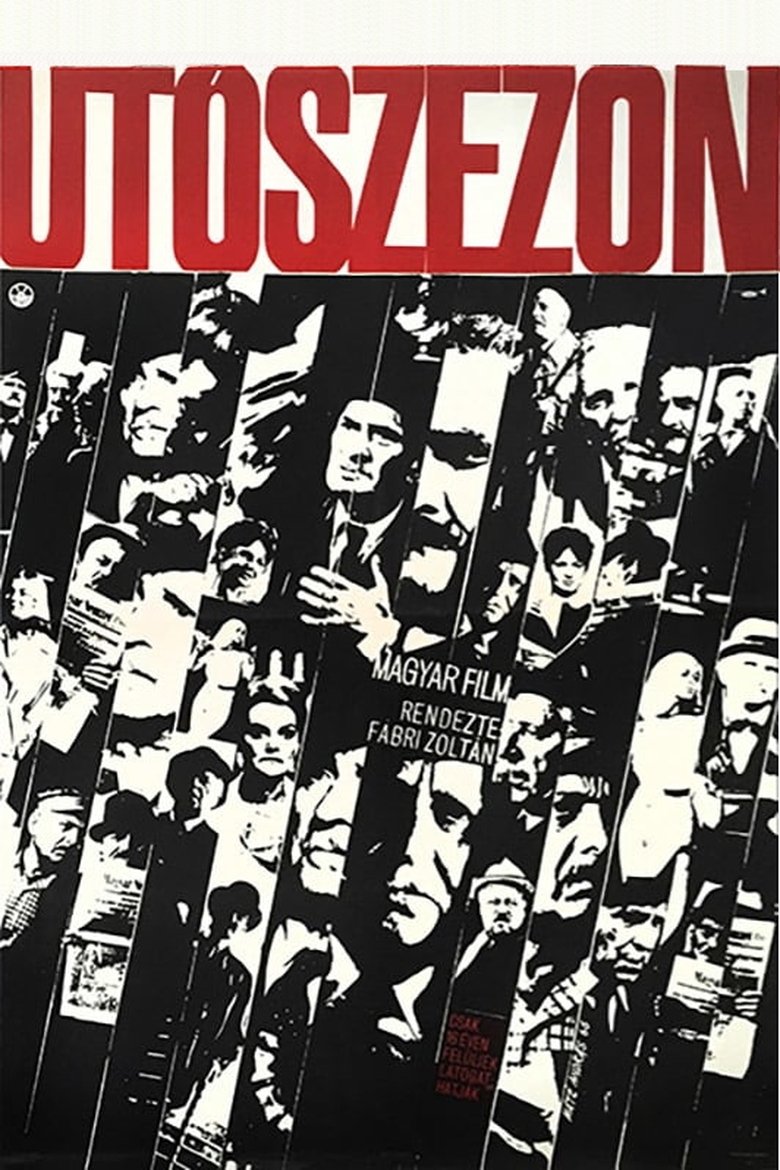
Late Season
Kerekes believes he is wanted by the police when his friends play a practical joke in this unusual comedy drama. He returns to his hometown where he was accused of turning a Jewish druggist and the druggist's wife over to the Nazis. With his friends following him, Kerekes tries to find out what became of the couple after they were deported. After being subjected to a mock trial by his friends - and found guilty - Kerekes becomes despondent and attempts to kill himself. Flashbacks and hallucinations are employed to tell this story that occurs during the Eichmann trial. Both the film and Antal Pager gained some unwanted publicity when a Variety article from April 23rd, 1967 accused Pager of being a Nazi collaborator for his role in an anti-Semitic film during World War II.
Filmography
as Waiter
as Miklós Horthy
as Tablós
as Gazsi bácsi
as Father of Maria
as Pali bácsi
as Müller kiadó
as Klein bácsi
as Öreg
as Kató bácsi
as Bonta
as Baxter
as Dániel Kõcserepy
as Colonel Ballay
as Zsögön
as council member
as Miniszter
as Palojtay
as Sipos is a lawyer
as Vízy Kornél
as uncle Feri
as Cseke
as Dr. Conrad
as Frigyes Szakmáry
as Lali