
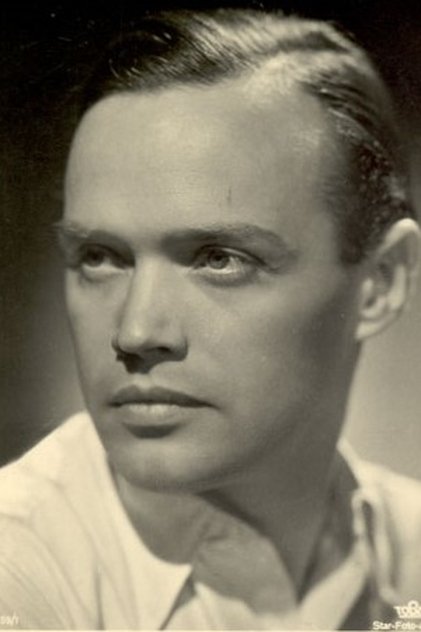
Kurt Meisel
Acting
Biography
No biography available for Kurt Meisel.
Born: August 18, 1912
Place of Birth: Wien, Austria
Known For
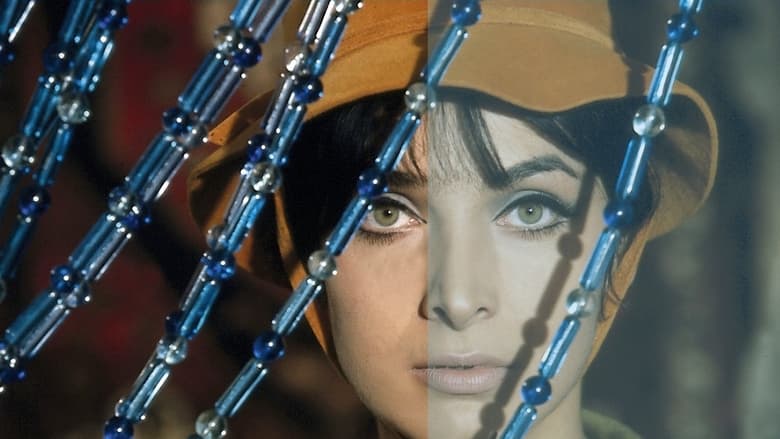
Das Kriminalmuseum
Das Kriminalmuseum was a German television series. It ran from 1963 to 1970 on ZDF and was one of its first programs. Each episode began with a tracking shot through an unspecified crime museum, stopping at one of the displays, whose story was then told. Each episode was between 60 and 75 minutes long and featured different actors as the criminal commissioner. The best known was Erik Ode, who in 1969 moved to Der Kommissar, appearing in 97 episodes. The theme music of the series was written by German composer Martin Böttcher, who also composed the complete scores for five episodes.
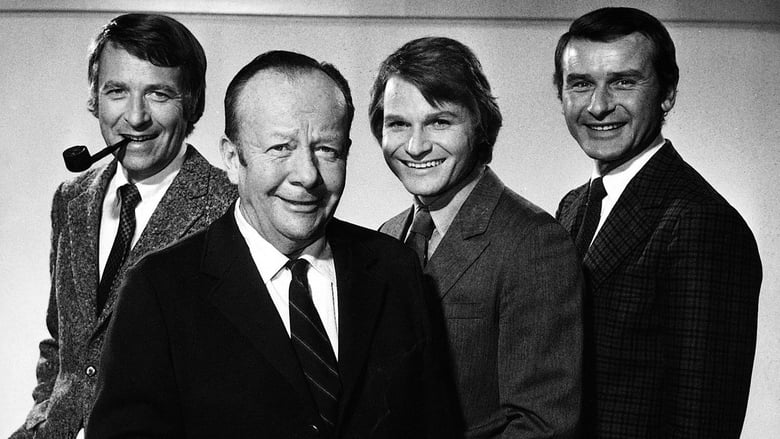
Der Kommissar
Der Kommissar is a German television series about a group of detectives of the Munich homicide squad. All 97 episodes, which were shot in black-and-white and first broadcast between 1969 and 1976, were written by Herbert Reinecker and starred Erik Ode as Kommissar Herbert Keller. Keller's assistants were Walter Grabert, Robert Heines, and Harry Klein who, in 1974, was replaced by his younger brother Erwin Klein.
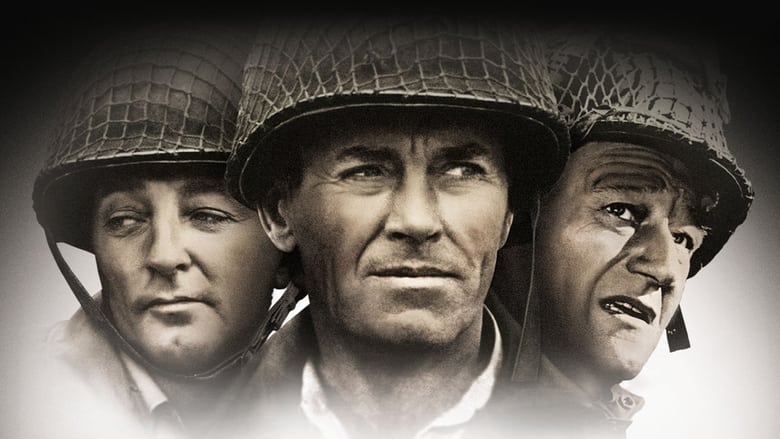
The Longest Day
The retelling of June 6, 1944, from the perspectives of the Germans, US, British, Canadians, and the Free French. Marshall Erwin Rommel, touring the defenses being established as part of the Reich's Atlantic Wall, notes to his officers that when the Allied invasion comes they must be stopped on the beach. "For the Allies as well as the Germans, it will be the longest day"
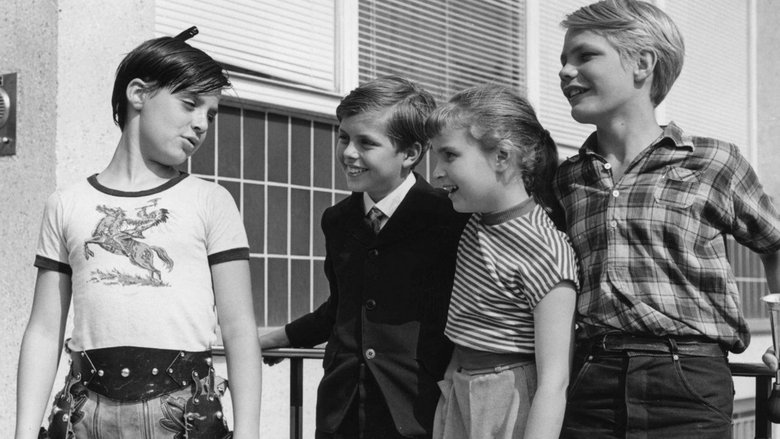
Emil and the Detectives
Emil goes to Berlin to see his grandmother with a large amount of money and is offered sweets by a strange man that make him sleep. He wakes up at his stop with no money. It is up to him and a group of children to save the day.
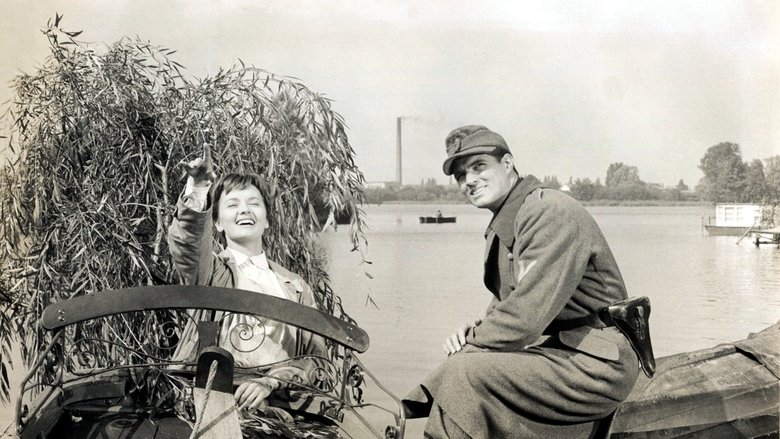
A Time to Love and a Time to Die
A German soldier home on leave falls in love with a girl, then returns to World War II.
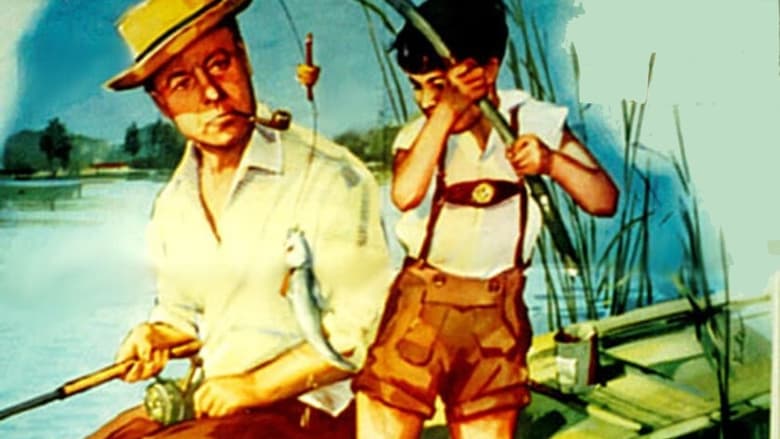
Vater sein dagegen sehr
Margot is looking forward to moving into the old defense tower with her fiancé Lutz, a writer. Then the writer receives the news of his sister's death. Lutz is supposed to take in their children Traudl and Rudi and the dog Leo. Margot did not expect so much attachment...
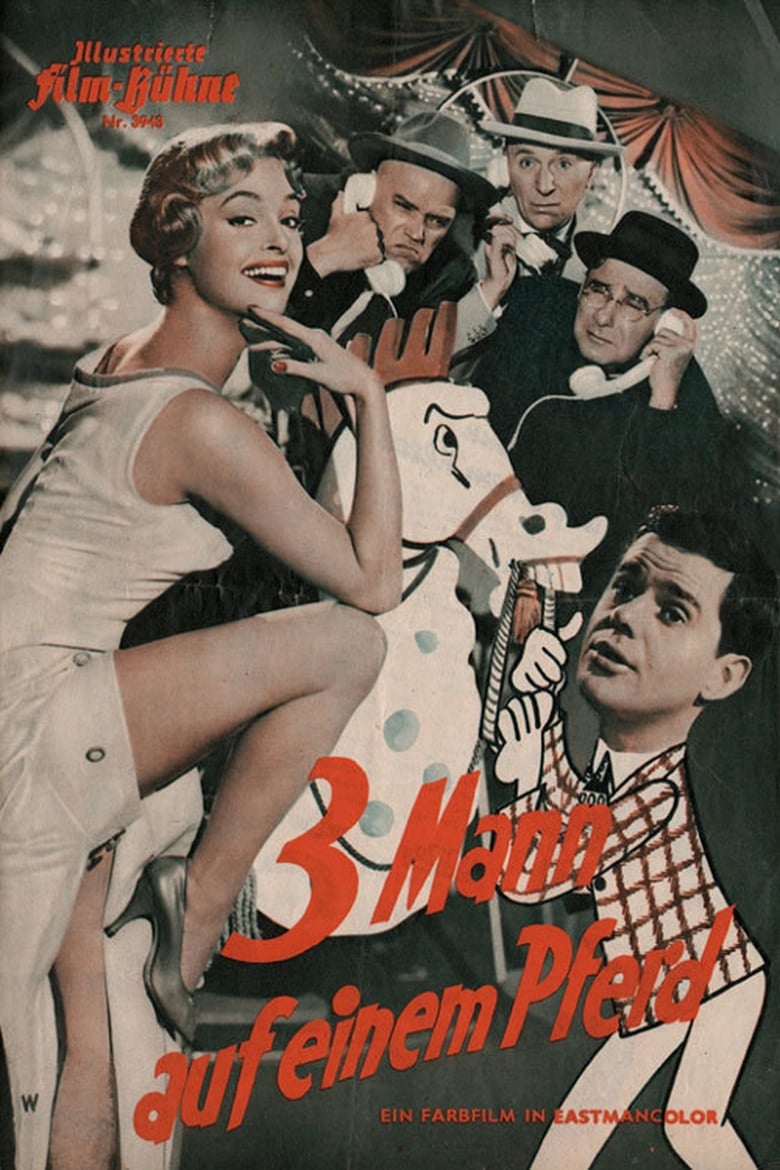
Drei Mann auf einem Pferd
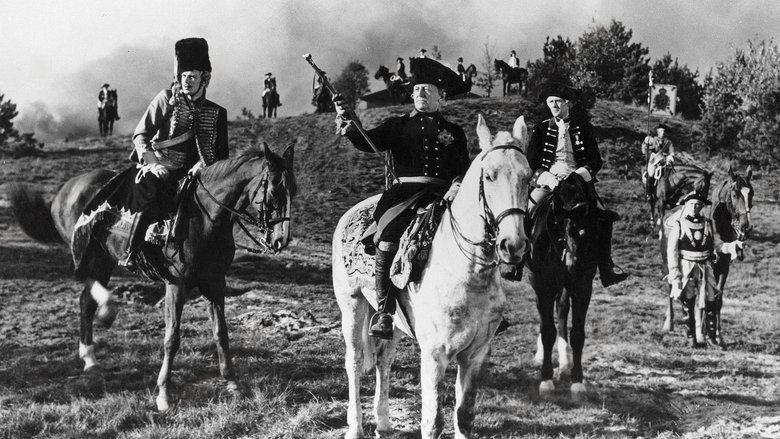
The Great King
King Frederick II (aka "Frederick the Great") of Prussia is engaged in a major battle against the Austrian army at Kunersdorf, and things aren't going well. The Austrians are inflicting major casualties, and his army is beginning to crumble. Defeat seems inevitable when a combination of events gives him hope that he may pull victory from the jaws of defeat after all.
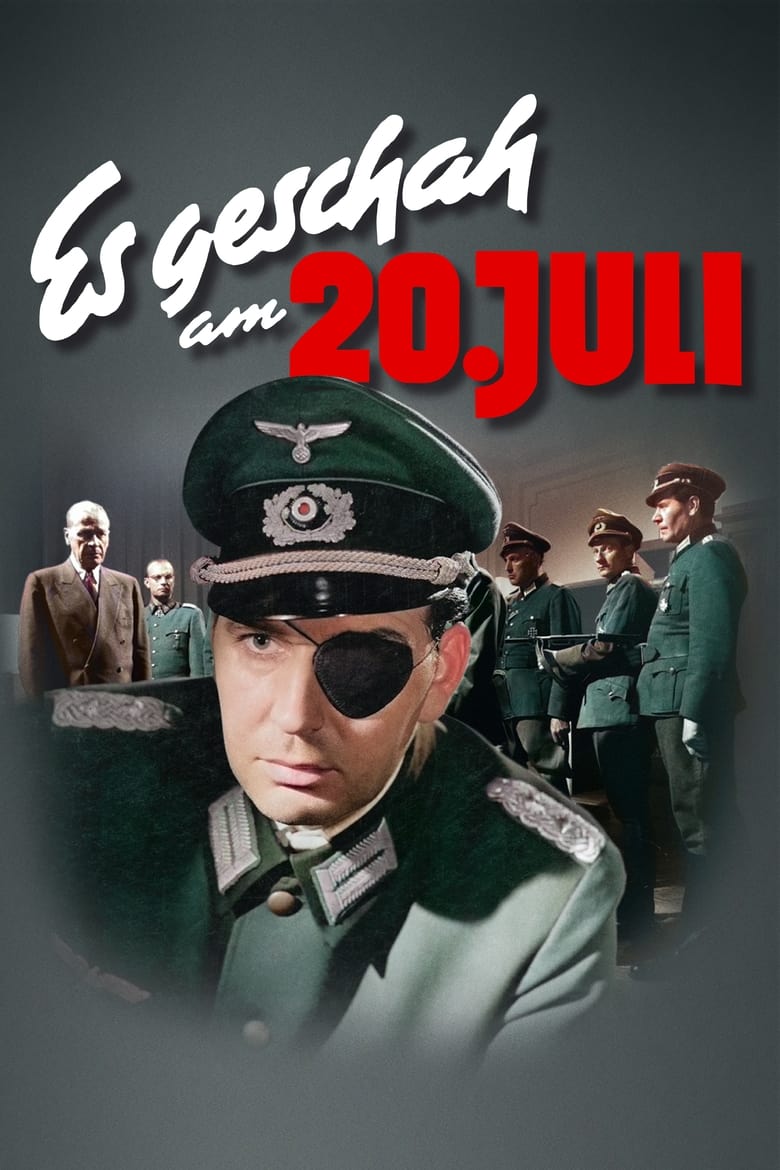
It Happened on July 20th
A dramatic reconstruction of the July 1944 attempt by German Army Officers to assassinate Hitler with a bomb and end the war before Germany was totally destroyed.
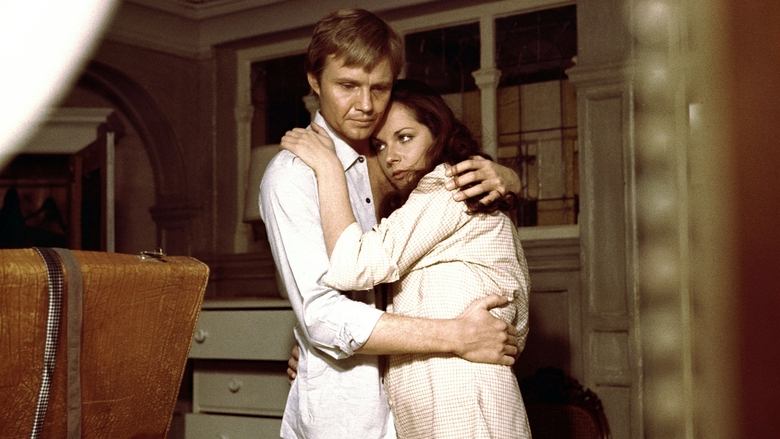
The Odessa File
Following the suicide of an elderly Jewish man, investigative journalist Peter Miller sets out to hunt down an SS Captain and former concentration camp commander. In doing so he discovers that, despite allegations of war crimes, the former commander has become a man of importance in industry in post-war Germany, protected from prosecution by a powerful organisation of former SS members called Odessa.
Filmography
as Ingo Parenge
as Alfred Oster
as Feofar
as Kanzler
as Alfred Zorner
as Juwelier Semmelbein
as Sapparov
as Oberst Suikov
as Self
as Kriminaloberinspektor Neuwagen
as Capt. Ernst During (uncredited)
as Garcin
as Mario Malloneck
as Baron de Tavel
as Mojmir
as Heini
as Captain Heinz Muller
as Freddy
as Dressmaker
as Oberleutnant Taut
as SS-Obergruppenführer
as Pasquale
as Grundeis
as Gregor Pratt
as Willy Wagner
as Poupoulle
as Toni Staudtner
as Karli Reindl
as Wozzeck
as Claus Werner
as Toni
as Alfons
as Oberleutnant Duschan
as Student
as Francois Coogmann, Kunstmaler
as Erzherzog Johann
as Max
as Felix Petersen
as Ferdinand Scheibler
as Hector
as Herr von Roedern
as 2. Journalist
as Specht - Rundfunkansager
as Graf Eugen Opalla
as Leutnant Florian Schwälble
as Baron Salviany
as Pit