
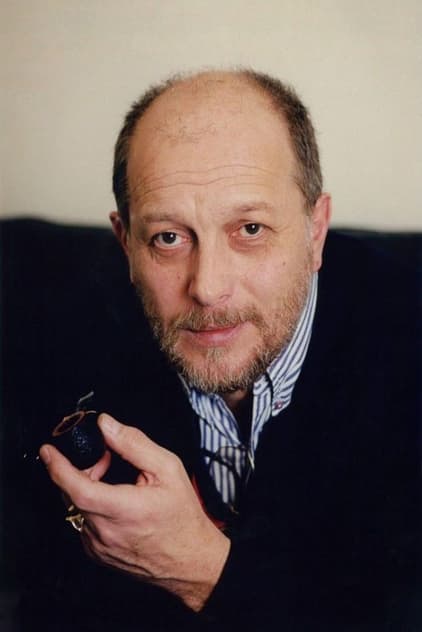
Lajos Balázsovits
Acting
Biography
No biography available for Lajos Balázsovits.
Born: December 4, 1946
Place of Birth: Nagykanizsa, Hungary
Known For

Abigél
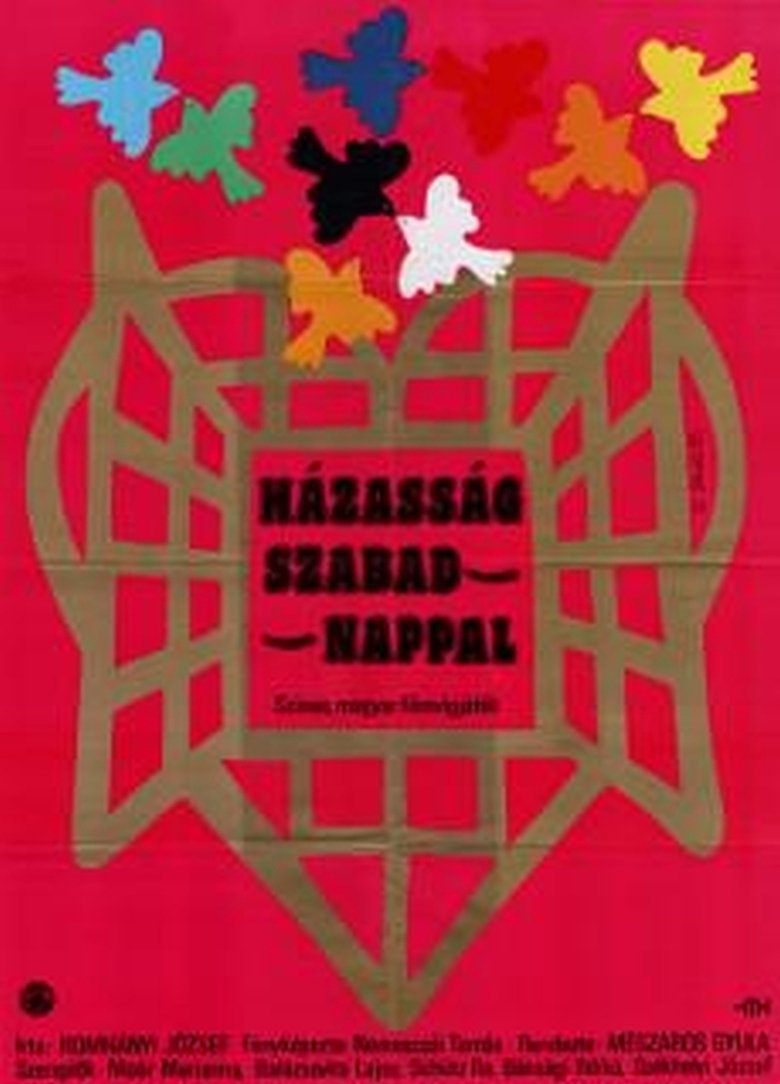
Marriage with Days off
Mici, a pretty young girl is a selected swimmer. Laci, her trainer looks after her jealously, mainly because of her condition.
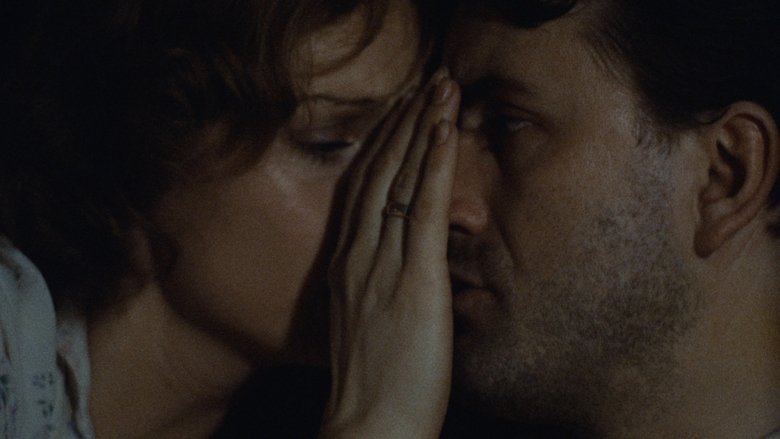
Confidence
Janos and Kata are thrown together during the Second World War and forced to pose as husband and wife to hide from the Nazis. The intensity and suffocating intimacy of their new relationship and the circumstances in which they find themselves, forces them to confront past prejudices and assumptions and challenge what they truly believe.
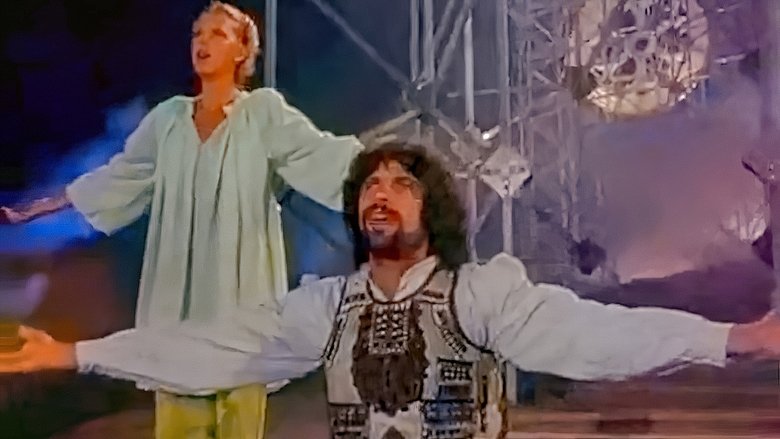
Stephen, the King
István, a király ("Stephen, the King") is a Hungarian rock opera written by Levente Szörényi (music) and János Bródy (lyrics), based on the life of Saint Stephen of Hungary. The storyline was based on the play Ezredforduló (Turn of the Millennium) by Miklós Boldizsár, who co-wrote the libretto. The opera was first staged in 1983 on an open-air stage in Budapest. This first performance was also made into a 1984 film, directed by Gábor Koltay, and its music released on an album. The musical became a smash hit and is still very popular in Hungary and among Hungarian minorities in neighboring countries.
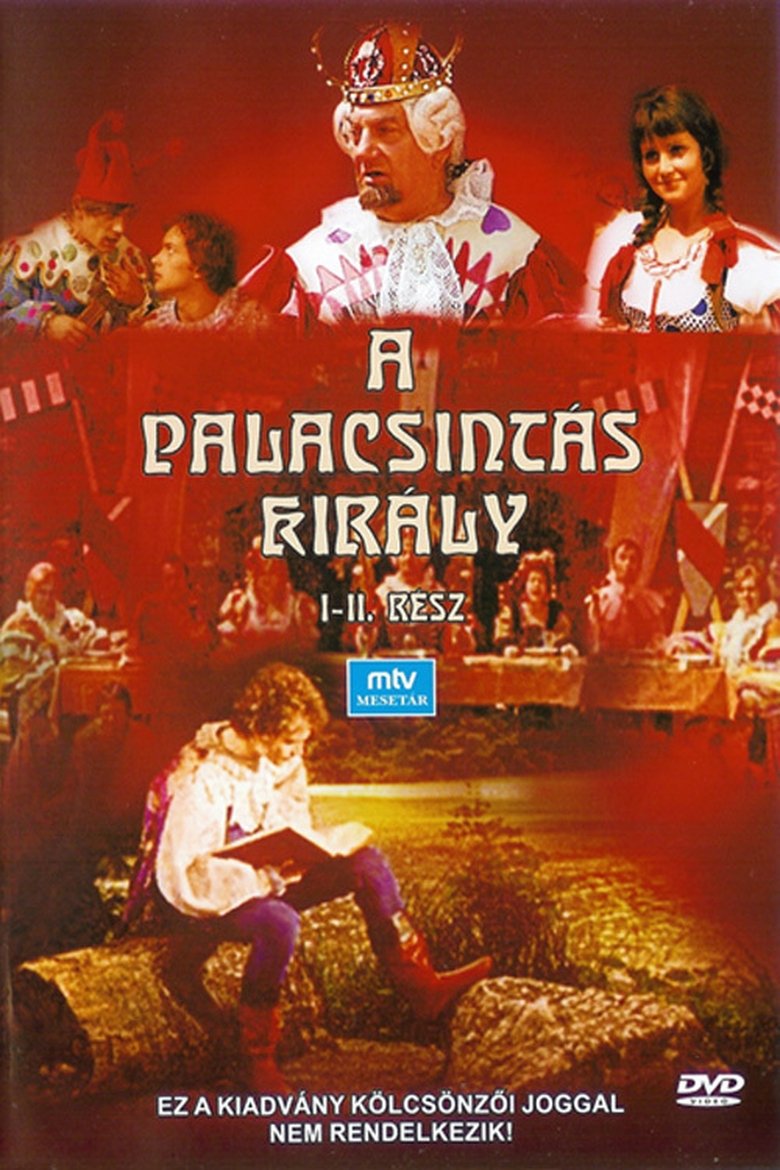
A palacsintás király
King Tobiah, the ruler of the country of Dinom-danom, announces a pancake-making competition for the girls of the area. He is supposed to give his son to the one who makes the best pancakes. As it is in fairy tales: the enterprising girls all fail. Not so for Pigeon-eyed Ladybird, who wins the competition, but she doesn't want the prince... Meanwhile, Derelye, the evil chef who is destroying countries with his gang, is plundering the larder of the country of Dínom-dánom, but Prince Elias (Lajos Balázsovits) is determined to put an end to the wastefulness and thievery. He is aided by Csöröge, the loyal fool, and the pancake-making skills of Kökényeyűű Katica are of great help in the fight.
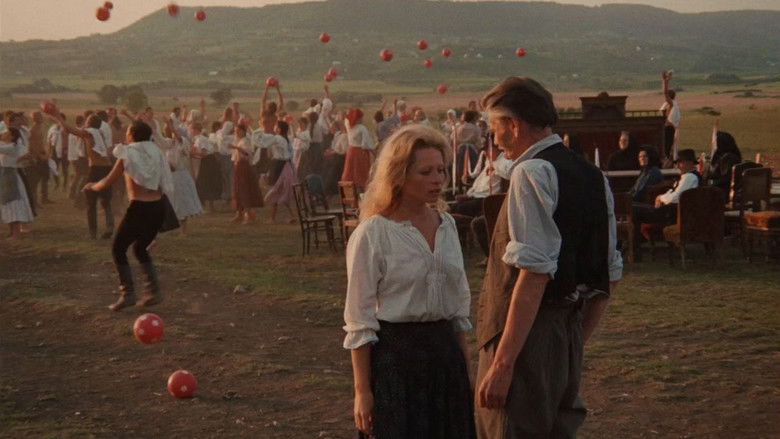
Allegro Barbaro
Zsadányi flees from the authorities with his goddaughter, Bankós Mari, and they escape into the forest. The film then skips ahead thirty-fold years: Zsadány and Mari are now lovers, with the sound of war in the background halting their romance. The old friends of Zsadányi have joined with the Nazis, and the landowner living with his peasants in a socialist community grows distant from them. Zsadányi is held responsible for political problems in the country, and will pay with his life.
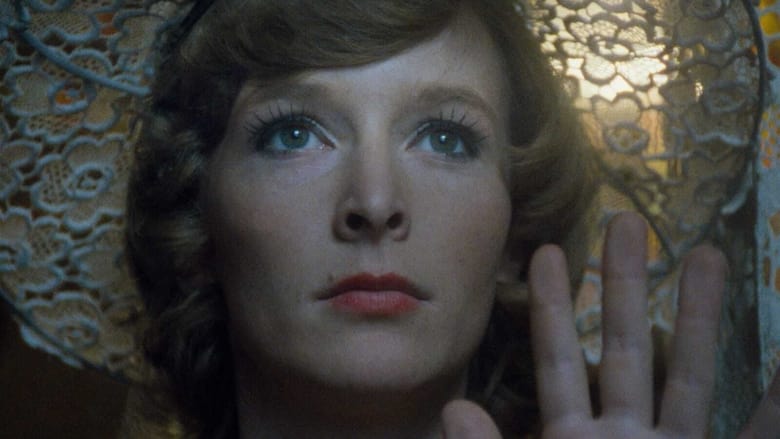
Diary for My Father and My Mother
This story follows a young student, who is orphaned as she grows to adulthood in the shadow of the 1956 Hungarian uprising. Coming from the Communist intelligentsia, she sees her friends and family react differently. Her lover, a married factory manager, supports the patriots and later assists fellow workers in staging a strike. Meanwhile her sister and others express anger at being forced from their homes during the revolution and continue to express a hatred for the rebels afterwards. But in the end they realize that for all people, real life is not possible after the revolt and its brutal suppression by the Soviets and their collaborators.

Binding Sentiments
Edit, who became the wife of a politician out of a simple peasant girl, suddenly becomes a widow as a result of an accident. She never loved her husband. She lives a wealthy and lonely life amidst false friends, facing one of the last alternatives of her life, i.e. having to face her past in the hope of an independent new beginning.
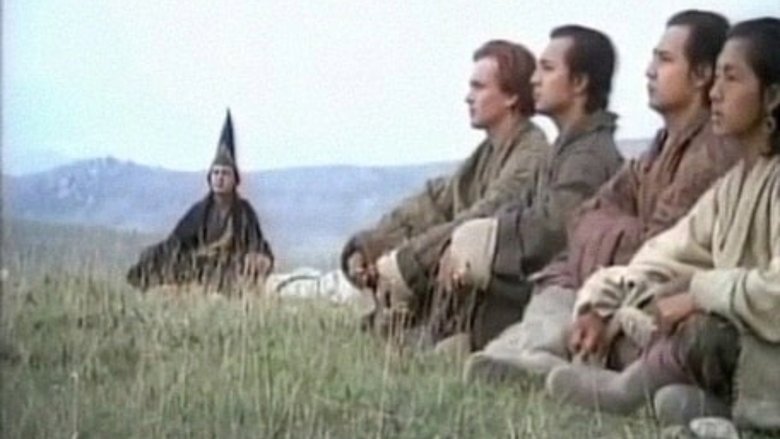
Milarepa
After a car accident, a professor, trapped and awaiting help, hears a student recount the life of Milarepa. The tale unfolds in three parts: dark vengeance, spiritual discipline, and ultimate transcendence, reflecting a journey of inner transformation.

The Upthrown Stone
An aspiring film student is denied a scholarship to the state-funded university when his father is thrown in jail. The man had stopped a train in order to facilitate the union between two old friends. The son then takes a job as a land surveyor and meets a Greek man who works towards the collective benefits of the peasants. The man is killed in a peasant uprising prompted by a bureaucratic boondoggle. The surveyor looks after the man's widow as his emerging political and social awareness leads him take a stand against government injustice. Another incident, in which gypsies are rounded up by state hygiene workers, further galvanizes the man's beliefs. He photographs the incident, and his work allows him to be accepted into the school from which he was previously denied admission.
Filmography
as Archbishop 1
as Archbishop 1.
as Professor Balázs
as Minister of the Interior
as High Sheriff
as Chamberlin
as Vecellin
as Lovag
as Hannover István
as Noszlopy Gáspár, Kossuth egykori kormánybiztosa
as Kata férje
as The actor / Mari's friend / Billy Wilder
as Zsadányi Gábor
as Zsadányi Gábor
as Rudi Stuwe
as Kalmár Péter
as Kalmár Péter
as Szabó
as Principe Rudolf
as Vezér
as Zeke Zoltán
as Milarepa
as Éliás királyfi
as Apa
as Young officer
as Le Prince Rakoczi
as A kanonok
as Színész
as Géza, zenész
as Dávid
as Pásztor Balázs
as Fekete Laci
as Balassa István