Leandro Vale
Acting
Biography
No biography available for Leandro Vale.
Born: August 18, 1940
Place of Birth: Travanca de Lagos, Portugal
Known For
State of Exception
Estado de Excepção is a documentary about CITAC (Coimbra Theater Initiation Circle), a university theater group, revealing history since it was constituted in 1956 until the aftermath of the 1974 revolution. It is the history of the theater group university and, through it, the history of theater in Portugal, revealing two remarkable decades of the History of Portugal. Through the Academy of Coimbra, the documentary reproduces student life, the position of women in society, and the change in mentalities of being and being in the world. It reproduces the existing censorship and the fight against the dictatorship, the resistance to an exhausted regime, as well as the emerging contradictions of the democratic revolution. CITAC has a heritage of 50 years of experience in Coimbra. It carries with it the possibility of the theatrical and civic formation of thinking bodies, constituting a proper ball of a possible model, generation by generation, between studies, theater, and social drama.
Cheaters
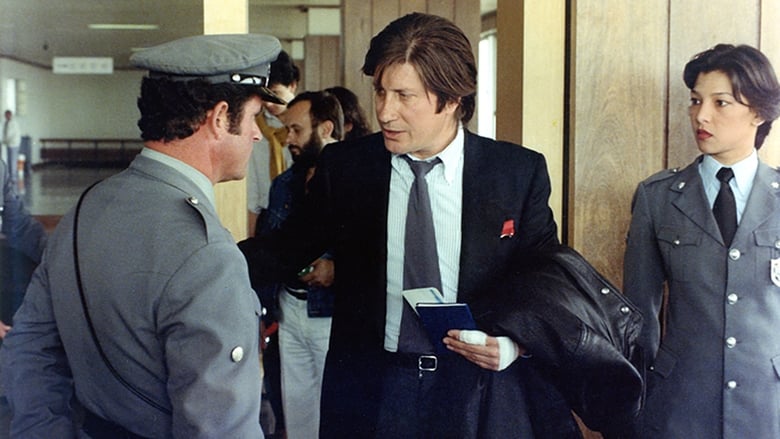
Swaying between pleasure and despair, Elric throws himself into his pathological passion for the casino. Meeting Suzie could have saved him, but the young woman also sinks into gambling hell. The couple then start getting involved in the fearsome world of professional cheaters.

Anthero - O Palácio da Ventura
A fiction within fiction, in which a television crew shoots a film about the poet and philosopher Anthero de Quental, from São Miguel, in a vision of his life and work staged and told through the fictionalized testimonies of those who knew him. The poet's life and death will be staged through the eyes of a group of traveling performers and the testimonies of some of the personalities who knew him best: Ramalho Ortigão, Eça de Queiroz, Oliveira Martins, Teófilo Braga, and his sister Ana Quental, whose sometimes contradictory points of view will attempt to unravel some of the enigmas that haunted Athero's tormented existence and the complete reasons that led him to the bench where, under the anchor of Hope, the poet described his life and committed suicide.