
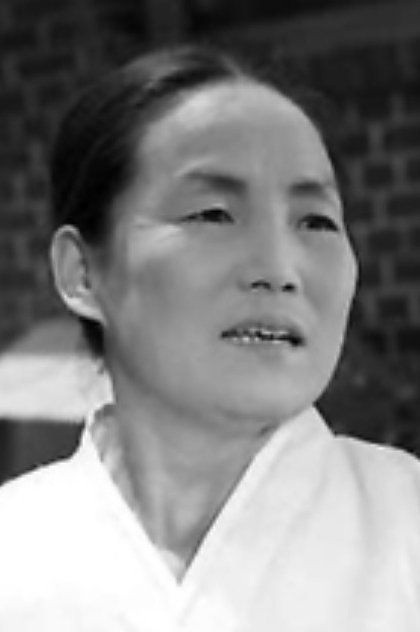
Lee Jeong-ae
Acting
Biography
No biography available for Lee Jeong-ae.
Born: January 1, 1922
Known For
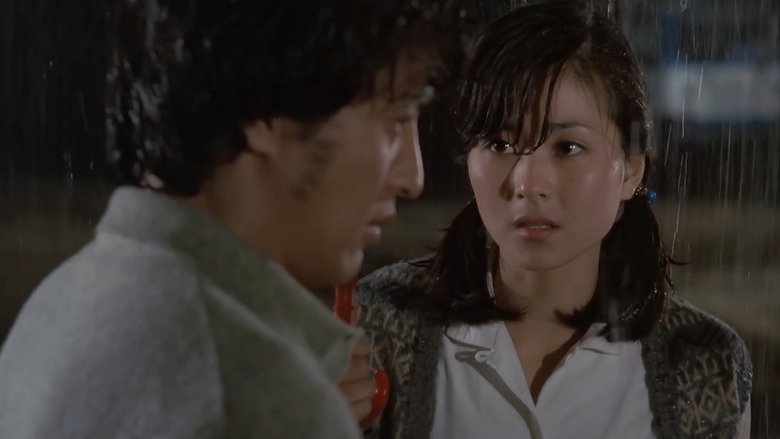
Girl Going to the City
Lee Mun-hi works as a bus conductor. She is tormented by the fact that she is subject to body searches, but tries to treat her co-workers nicely and live an honest life. She is kind to people who are less fortunate than her and falls in love with Kwang-seok, a traveling salesman. She helps Kwang-seok become a crewman of the ship and promises to marry him. When she is subjected to another body search, she protests against the humiliation and jumps from the roof of her company building. She is critically injured and is embraced by Kwang-seok.
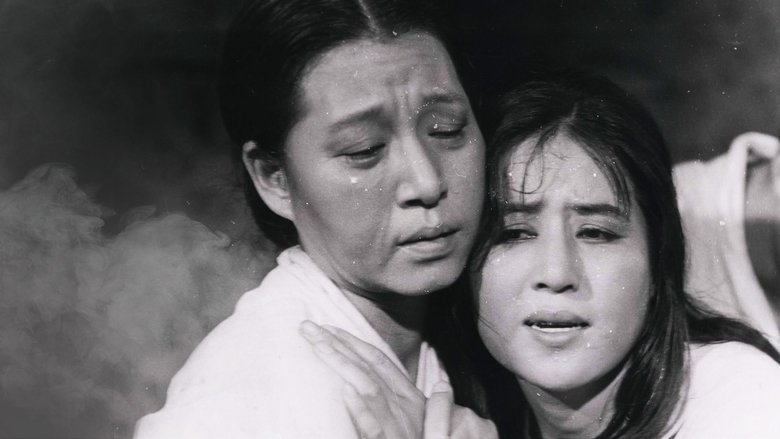
The Evergreen
Yeong-shin and Dong-hyuk graduate from college with a cause. They plan to bring education and modernization to farmers living in the rural area of their hometown. When they arrive, the pair immediately get to work, Dong-hyuk builds a village hall and starts aiding the farmers while Yeong-shin tries to gather the children to form a school. However, the villagers at first resent and resist the pair. It is not until one child, Ok-bun, takes the initiative and and learns to read under Yeong-shin’s care that the villages trust the pair and allow their children to be taken from the fields and taught reading, writing and math.
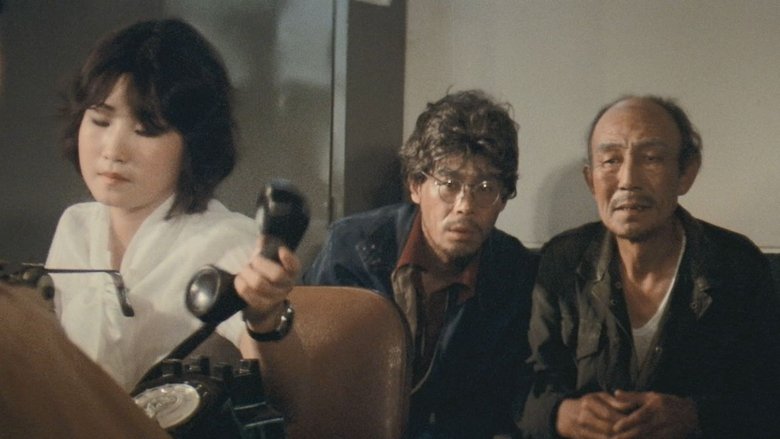
Pursuit of Death
In 1980s South Korea, a former cop, now in destitution, is placed in a rehabilitation center, where, by chance, he finds the Communist guerilla who had eluded his capture more than 30 years ago.

Come Come Come Upward
In 1980s South Korea, two young nuns-in-training at the same monastery embark on very different journeys towards enlightenment.
Mandala
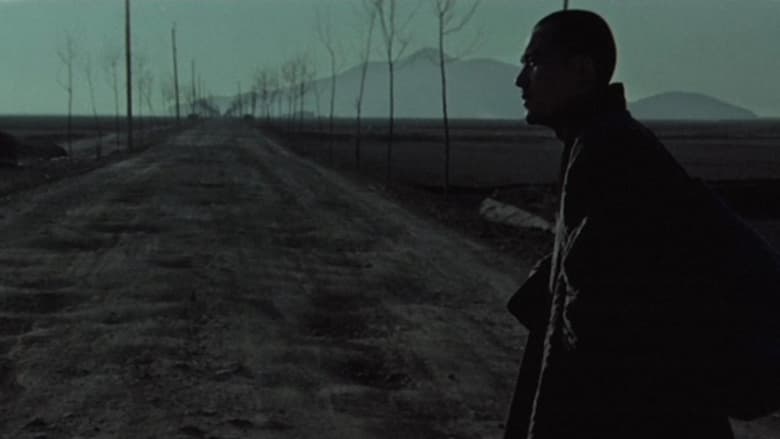
A story that follows the lives and interactions of two Buddhist monks living in South Korea.

Genealogy
During the Japanese occupation of South Korea, a Japanese bureaucrat is ordered to persuade an influential Korean patriarch into obeying the law of changing his Korean surname to a Japanese one.
Wives on Parade
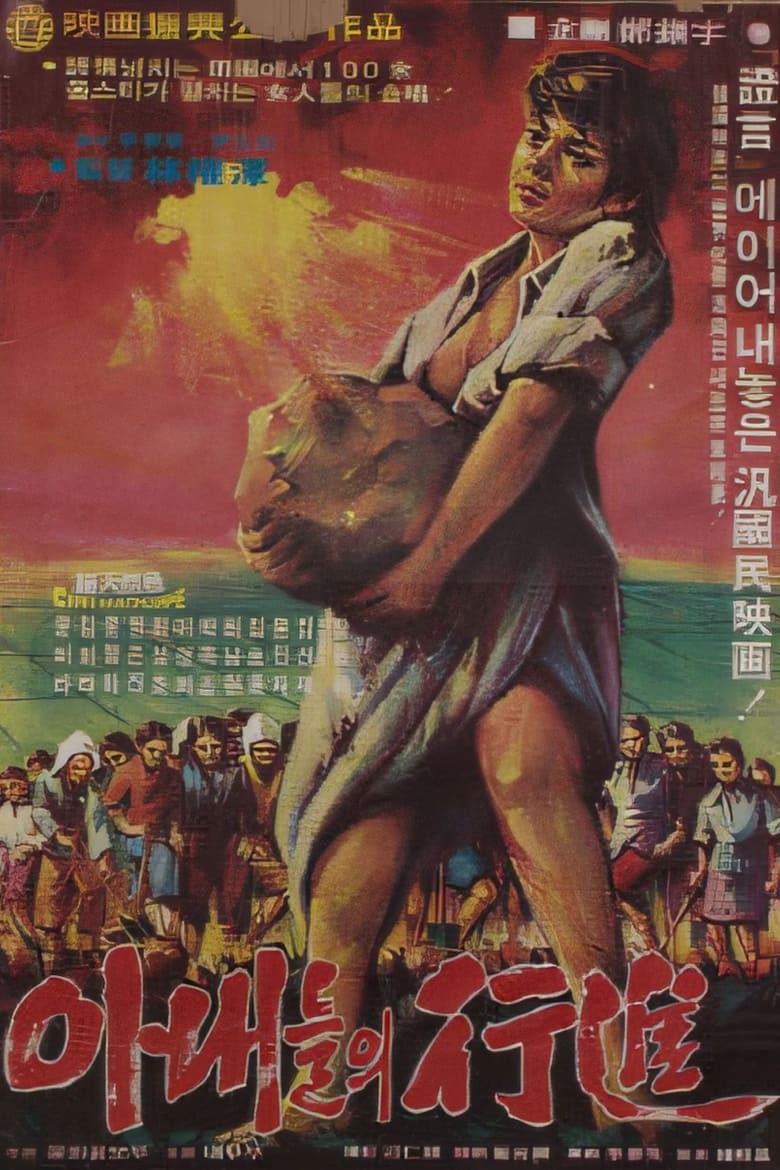
A newlywed wife, Ji-sun moves to her husband's village in a rural area called Sambatgol where it is customary to have glossy charades, incompetence is prolific, and thus poverty is endemic. She starts to endeavor to break down all these vices. Her family and neighbors point accusing fingers at her first, but soon they are influenced by her to combine forces with her. In the meantime, longtime absent father of Gang-du returns to hids wife, who is Ji-sun's strong supporter and the chairperson of the village women's association. Gang-du's father, however, turns out to be an espionage agent sent from North Korea. He makes his mind up to denounce himself by persuasion of his wife, but he and his wife get killed by other espionage agents. At the funeral of these two, Ji-sun and the village people march in resolution of succeeding her will to make more endeavors in the developmental plan of the village.

The Evergreen Tree
Two Korean college graduates arouse the suspicions of Japanese authorities after modernizing a rural community with a school and a youth hall.
The Testimony
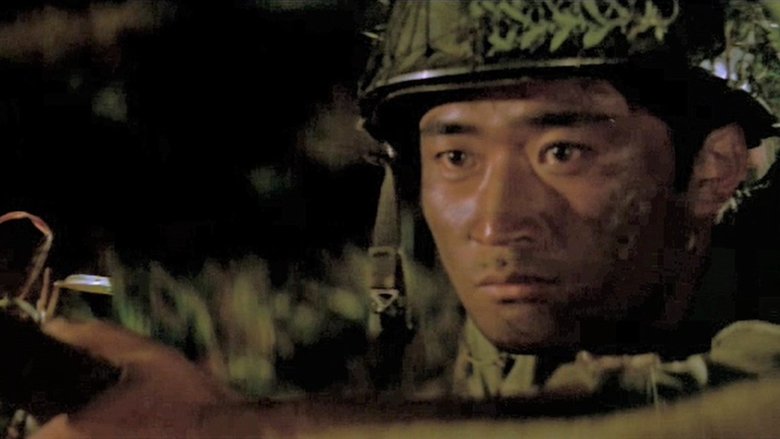
June 25, 1950. When second lieutenant Jang has a date with his girl friend during weekend, numerous North Korean jet fighters make sudden air raids to the skies of Seoul. It is the beginning of Korean War. In spite of Korean Army's brave defense, North Korean army reddens South Korea with their state-of-the-art weapons. This movie describes the progress of war from the invasion in June 25, 1950 to the reclamation of territory on the basis of Sun-A's personal experience. Also this film reminds hard lessons from tragic history.
Don't Torture Me Anymore
Filmography
as Ok-rye's Mother
as Court Lady Kwon
as A-nak
as Evacuee 14
as Housekeeper
as Village Woman Lee
as Woman 1