
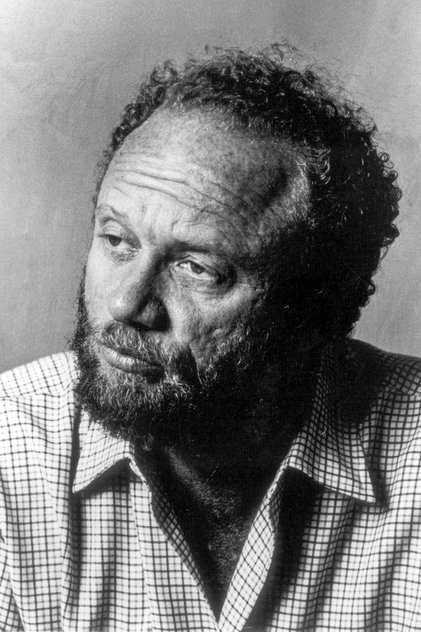
Leon Hirszman
Directing
Biography
Leon Hirszman (Rio de Janeiro, November 22, 1937 — Rio de Janeiro, September 15, 1987) was a Brazilian filmmaker and one of the main exponents of the movement known as Cinema Novo. A member of the Brazilian Communist Party (PCB), his work is marked by the influence of central Marxist theses in political debates in Latin America and by the politicized representation of the working class.
Born: November 22, 1937
Place of Birth: Rio de Janeiro, Rio de Janeiro, Brazil
Known For
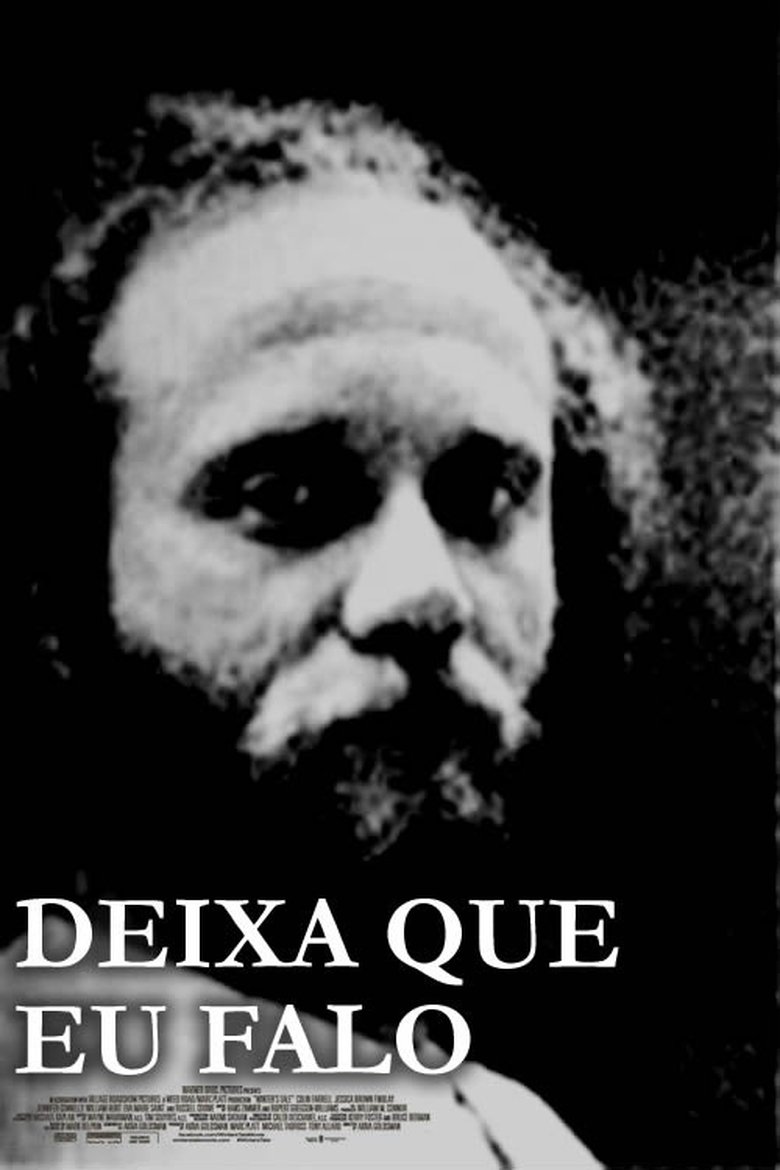
Let Me Tell You
The documentary presents the biography of filmmaker Leon Hirszman, director of Cinema Novo, who made 11 short films and five feature films between 1962 and 1986. A review of the trajectory of Leon Hirszman through his work and archive images.
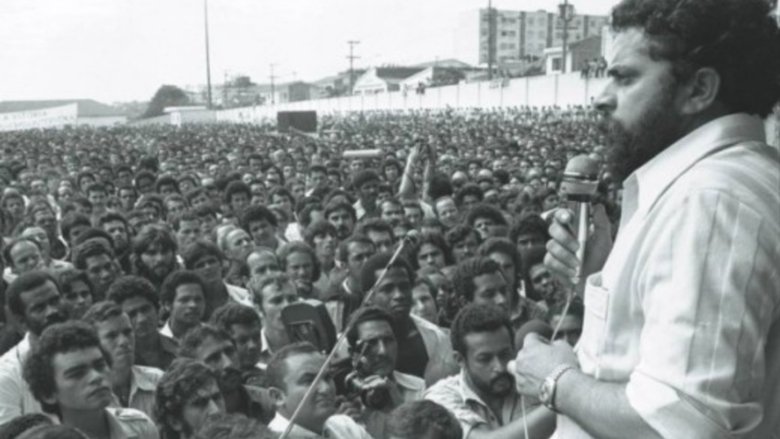
ABC of a Strike
ABC of a Strike captures the 1979 metal workers strikes outside of São Paulo. The footage sat untouched until after the death of highly-regarded director Leon Hirszman in 1987, by which time the material had a new relevance. The gripping film captures the negotiations between the labor unions and the factory bosses and shows the birth of the region’s Worker’s Party, as well as the emergence of its charismatic leader, Luiz Inácio Lula da Silva. Rising from extreme poverty, Lula gained national prominence as a union activist during the late 70s and early 80s. After being jailed during his time as a union leader, he eventually becomes Brazil’s president from 2003 to 2010.
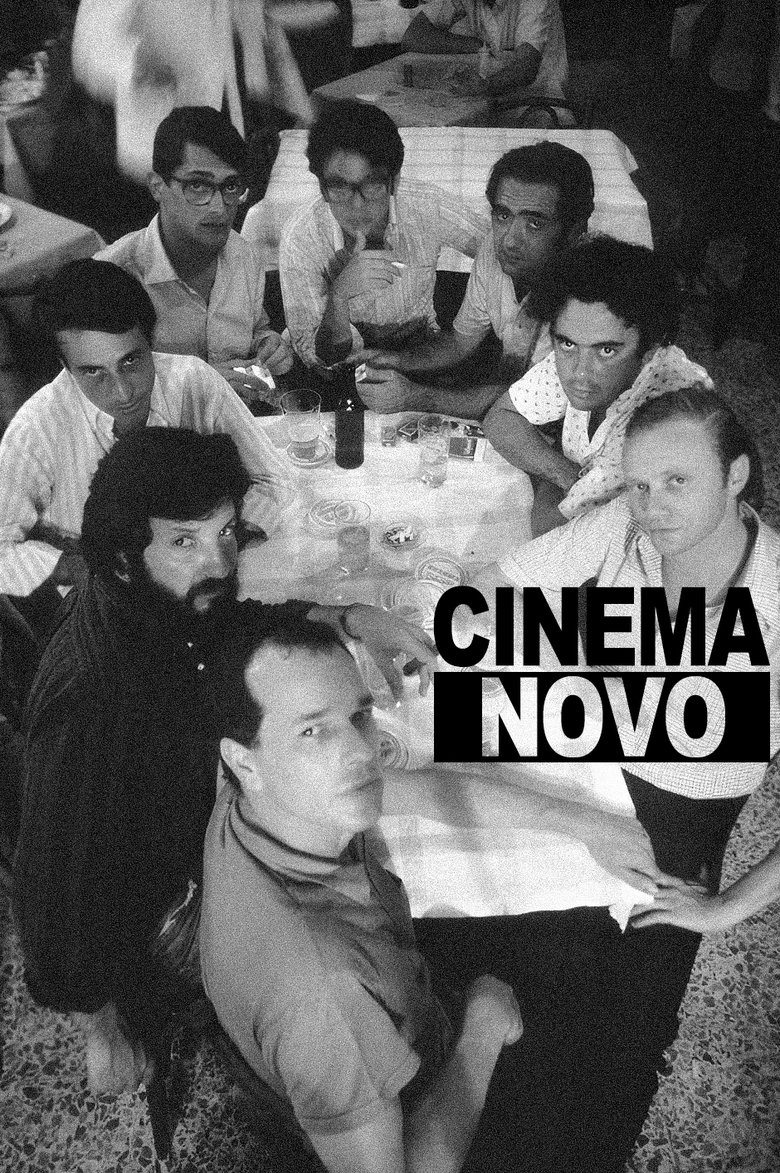
Improvised and Purposeful: Cinema Novo
Originally produced for German TV, Improvised and Purposeful is a firsthand look at the "Cinema Novo" movement (otherwise known as the 'Brazilian New Wave'). Director Joaquim Pedro de Andrade focuses on six Cinema Novo filmmakers working in Rio in 1967.
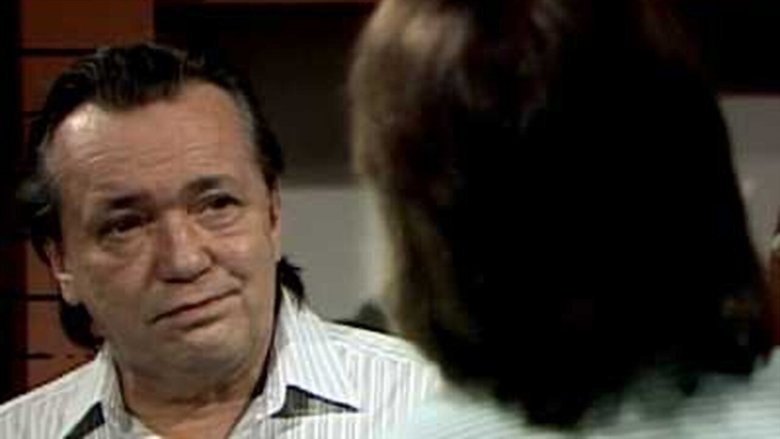
Guarnieri
Develops from the life, work and memory of Gianfrancesco Guarnieri, one of the most important names in the history of Brazilian theater, to examine the courses of dramaturgy and politics in the last decades. Guarnieri, besides being a TV star, was also seen as the synthesis of the politically engaged artist in Brazil. His sons, also actors, saw a separation between art, work, and politics. As he investigates the portraits of two generations, grandson and director Francisco aims to understand the place of his own generation in history, in art and the world as a whole.
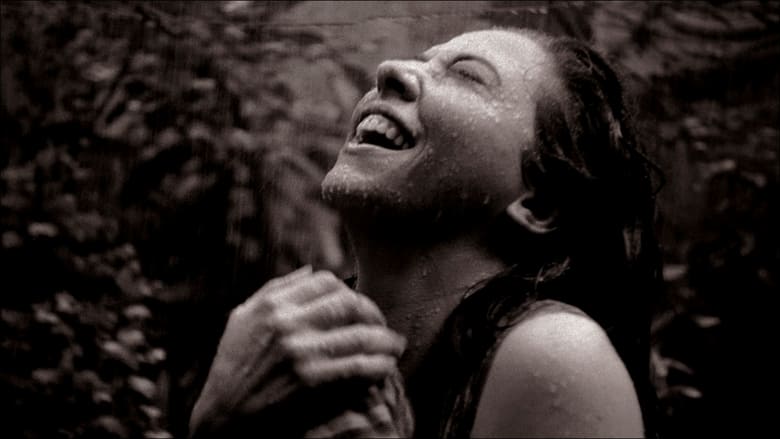
Cinema Novo
A deep investigation, in the way of a poetic essay, on one of the main Latin American movements in cinema, analyzed via the thoughts of its main authors, who invented, in the early 1960s, a new way of making movies in Brazil, with a political attitude, always near to people's problems, that combined art and revolution.

Vianinha
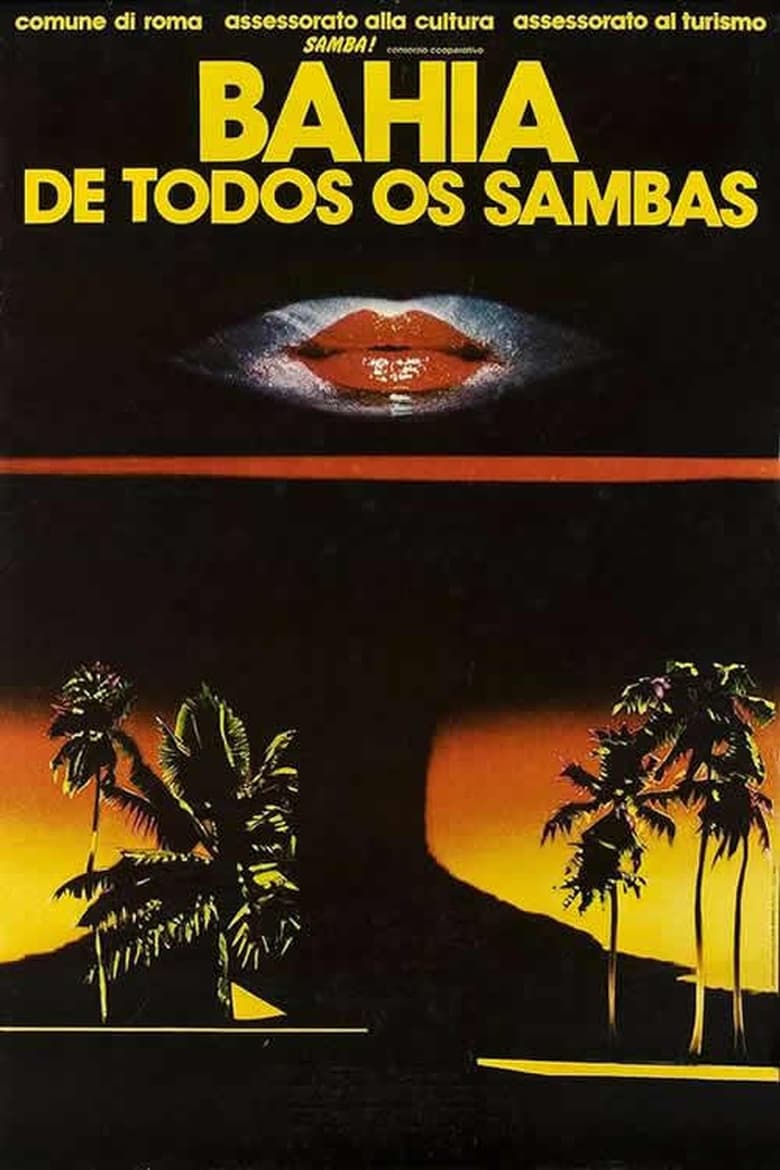
Bahia de Todos os Sambas
Between August 23 and 31, 1983, at the "Circo Massimo", in Rome, there was a musical event that brought together artists from Bahia. This film brings a recording of the event, also featuring backstage, rehearsals, testimonies and some relaxing moments of these great names in Bahia's music.
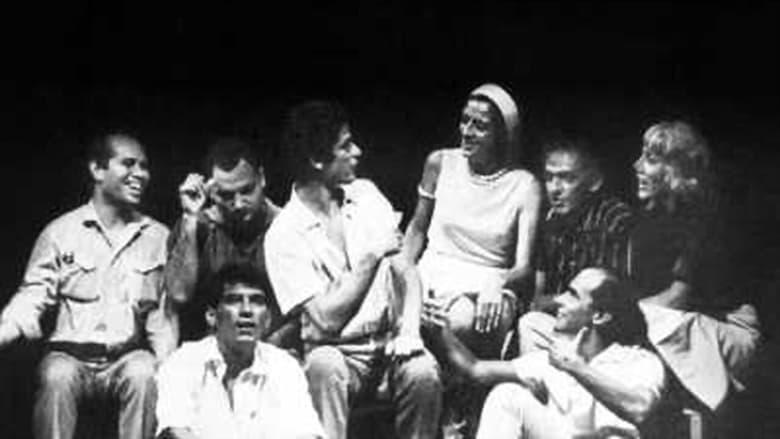
Memórias do Grupo Opinião
Follows the story of Opinião, a theatre group created in 1964 during the early Brazilian dictatorship period to oppose the government through artistic performances. Considered the first left-wing response to the dictatorship, the group gathered now famous Brazilian artists such as Nara Leão, Maria Bethânia, João do Vale and Millôr Fernandes.

The Beggars
A young female fugitive escapes from a juvenile institution (the Child Assistance Service) and joins a group of poor beggars with the intention of finding a potential partner to marry in order to avoid her return to that place.
Filmography
as Self (archive footage)
as Self (archive footage)
as Self - Filmmaker (archive footage)
as Self (uncredited)
as Self