
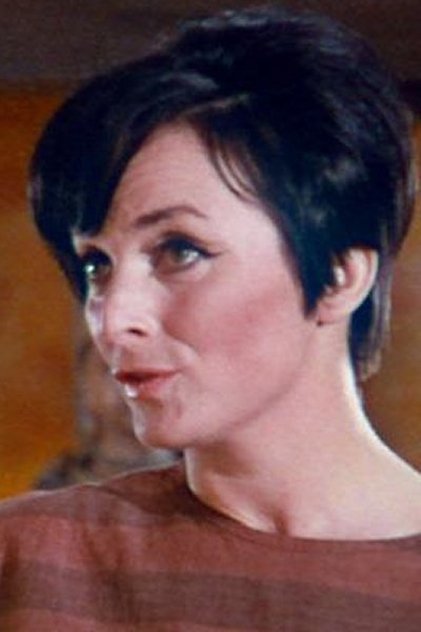
Lise Henningsen
Acting
Biography
Lise Henningsen, født Rasmussen, var ansat i Magasin du Nord inden hun i 1954 begyndte hos Stig Lommer på ABC Teatret, hvor hun bl.a. optrådte sammen med Grethe Hoffenblad. Hun var Lommer-pige i 11 år og læste derefter hos Tove Bang og tog en regulær skuespilleruddannelse, der førte til engagementer på bl.a. Det Ny Teater, Ungdommens Teater, Gladsaxe Teater og Folketeatret, ligesom hun i mange år har arbejdet i revybranchen, bl.a. ved ABC Teatret og i Nykøbing F. Senere har Lise Henningsen især beskæftiget sig med børneteater.
Born: September 5, 1931
Place of Birth: København, Danmark
Known For

Jeg er sgu min egen
Being yourself – and above all your own master – that is what the film is about. After a short stay at a girls' home, Annie returns to society and has to adapt once again. It isn't long before Annie gets involved in a deadly fight and is even taken to the police station and brought before the court. Fortunately, one of the jurors takes an interest in her and offers to take care of her and give her a home. However, Annie cannot stand this home and runs away.
Matador
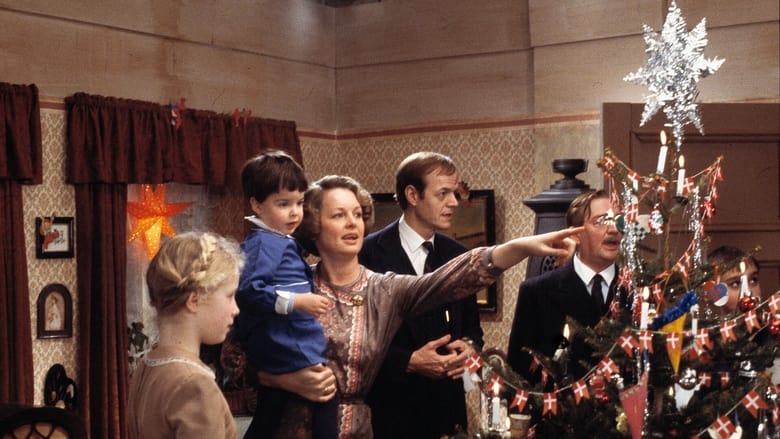
Matador is a Danish TV series produced and shown between 1978 and 1982. It is set in the fictional Danish town of Korsbæk between 1929 and 1947. It follows the lives of a range of characters from across the social spectrum, focusing specifically on the rivalry between the families of two businessmen: The banker Hans Christian Varnæs, an established local worthy, and social climber Mads Skjern, who arrives in town as the series opens. The name Matador was taken from the localised edition of the boardgame Monopoly, also the series' tentative English title. In addition, in contemporary Danish a "matador" is often used to describe a business tycoon, in the series referring to the character of Mads Skjern and his craftiness as a self-made entrepreneur. Directed by famed Danish film maker Erik Balling, Matador was the idea of author Lise Nørgaard who wrote the bulk of the episodes alongside Karen Smith, Jens Louis Petersen and Paul Hammerich. The series is one of the most well-known and popular examples of Danish television and represents the peak of longtime development of Danish TV drama by the public service channel Danmarks Radio. The series has become part of the modern self-understanding of Danes, partly because of its successful mix of melodrama and a distinct warm Danish humour in the depiction of characters, which were portrayed by a wide range of the most popular Danish actors at the time; but also not least because of its accurate portrayal of a turbulent Denmark from around the start of the Great Depression and through Nazi Germany's occupation of Denmark in World War II.

The House at Christianshavn
The series follows the residents of an apartment building on Copenhagen's Christianshavn, as they go about their daily lives and challenges. There is Olsen, a mover with an old fashion view of the world, Clausen who runs the local pet shop, Egon the career focused assistant, their wives who work hard to keep their spouses lives together, the young couple Tue and Rikke who recently moved in, the hard working caretaker Meyer, who never puts in to much effort, and of course Emma, the innkeeper of Rottehullet, where all the important decisions are made while running up the bar tab. The series was produced by Nordisk Film for Danmarks Radio TV station between the years 1970-77. The series' first director was Ebbe Langberg, then Erik Balling and Tom Hedegaard respectively. The series was conceived by an author team of well-known Danish authors such Leif Panduro, Benny Andersen, and Lise Nørgaard.
The Olsen Gang
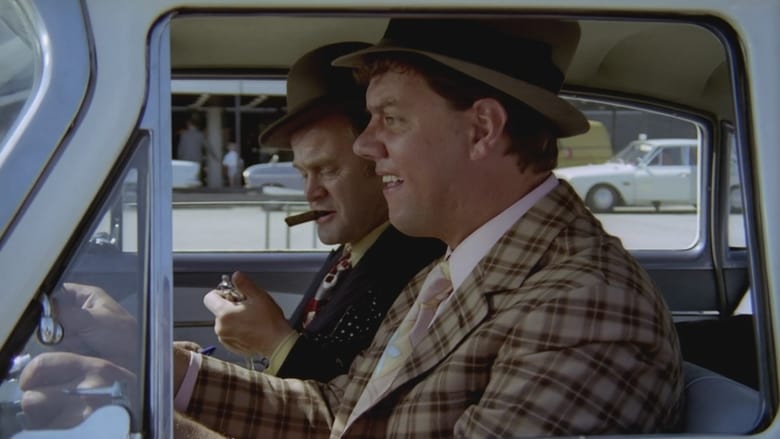
The first of 14 Olsen Gang films presents us with Egon Olsen, head of the gang, and his friends Benny and Kjeld, who want to become the best known gang in Denmark and eventually Europe by stealing a famous Bavarian work of art currently displayed in a Copenhagen museum. Although Egon's plan works out fine, there is only trouble ahead for the little gang.

In the Sign of the Lion
Elderly sisters write a tell-all erotic memoir that threatens to undermine a nasty nobleman.
The Olsen Gang in a Fix
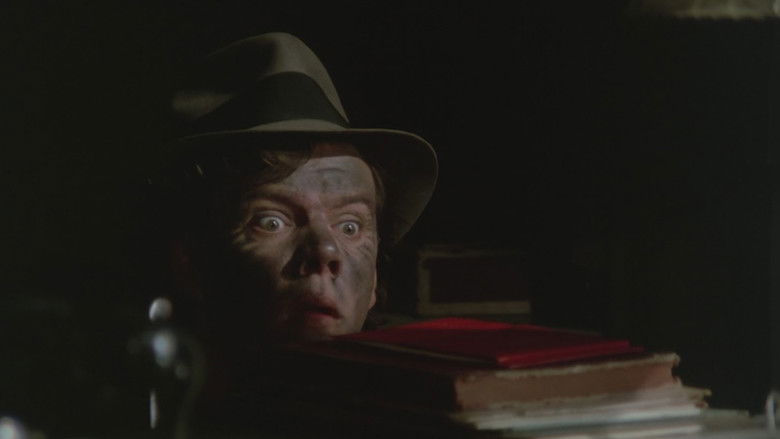
A good looking female social welfare worker makes Egon Olsen forget about crimes for some time, but when an American gangster breaks into a local bank and the police think its Egon's work, he has to get back to work to prove he's innocent.
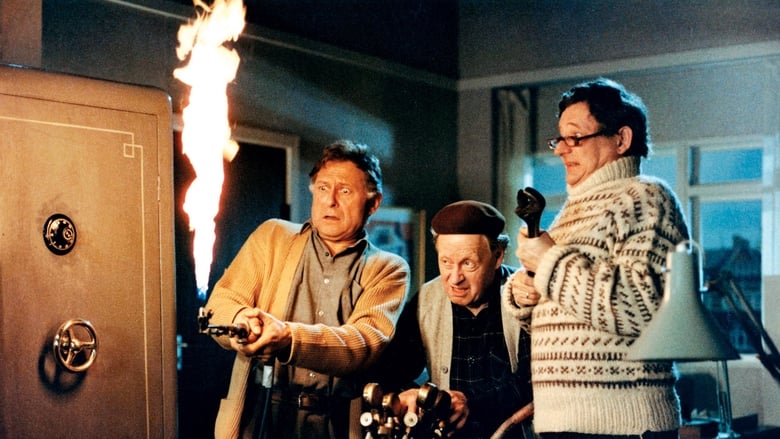
Our Home Is Our Castle
Residents of the old house are quite happy with their existence. But once they find out that the authorities plan to demolish the entire neighborhood including their house in order to build a business center they decide to unite and fight the plan...
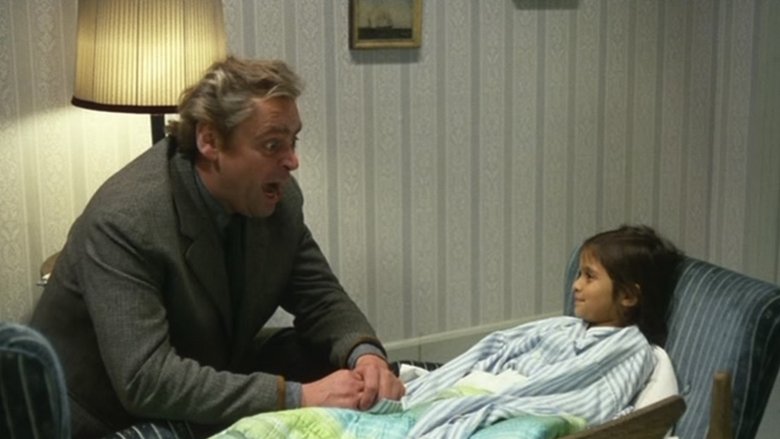
The Veterinarian's Adopted Children
Winnie's mother is going to Bangkok to settle an inheritance matter and is looking for a good boarding house for her child. She calls Dr. Linager, who tells her that he has a boarding house for "expensive children," but the price is no object to Winnie's mother. When Winnie shows up, the good Dr. Linager is a little surprised. He is a veterinarian and thought he was going to be looking after a Siamese cat, but everyone in the house naturally welcomes the charming little Winnie.
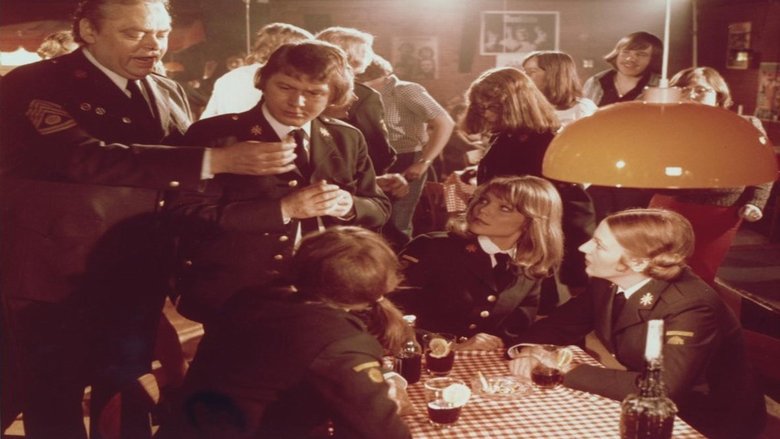
Girls at Arms 2
Hermann works at NATO headquarters in Brussels and is only home on weekends. He is quite a male chauvinist. That is why his wife Merete has not told him that she has pursued a career in the army and become a lieutenant. In Merete's regiment, Senior Sergeant Vasby suspects her of being a spy because of her "mysterious" conversations with NATO. This develops into an amusing spy hunt, and many people get involved. When Hermann is called up again, he "forgets" to tell his wife.
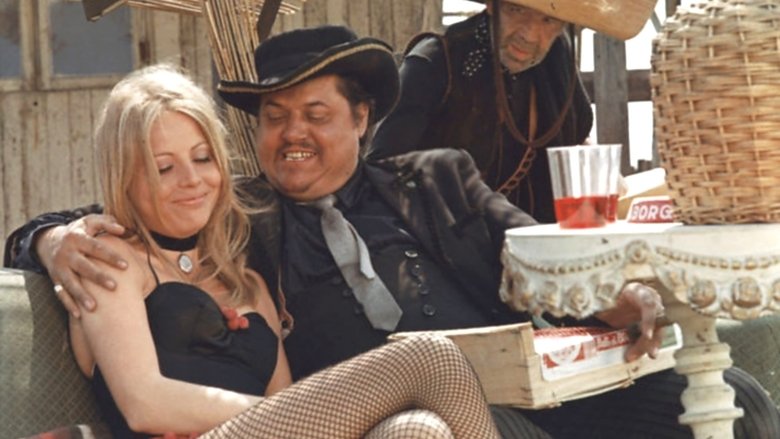
Revolution My A..
A comedy about a Danish private detective, normally just occupied with cases about unfaithful spouses, is suddenly involved in murder, arms deal, revolution in Guateragua, briefcase full of money and the Danish intelligence agency.
Filmography
as Anni Kagl
as Majbritt's mormor
as Clausens Secretary
as Misse
as Lena Belli
as Bartender
as Dorrit
as Prostitute (uncredited)
as Fru Andersen
as Prostitueret i sort