
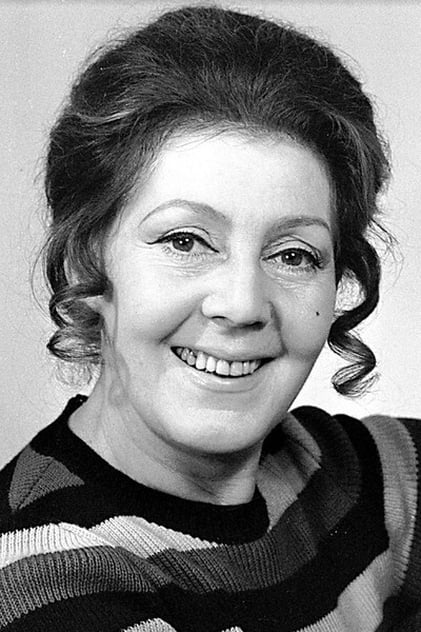
Ljuba Hermanová
Acting
Biography
No biography available for Ljuba Hermanová.
Born: April 23, 1913
Known For
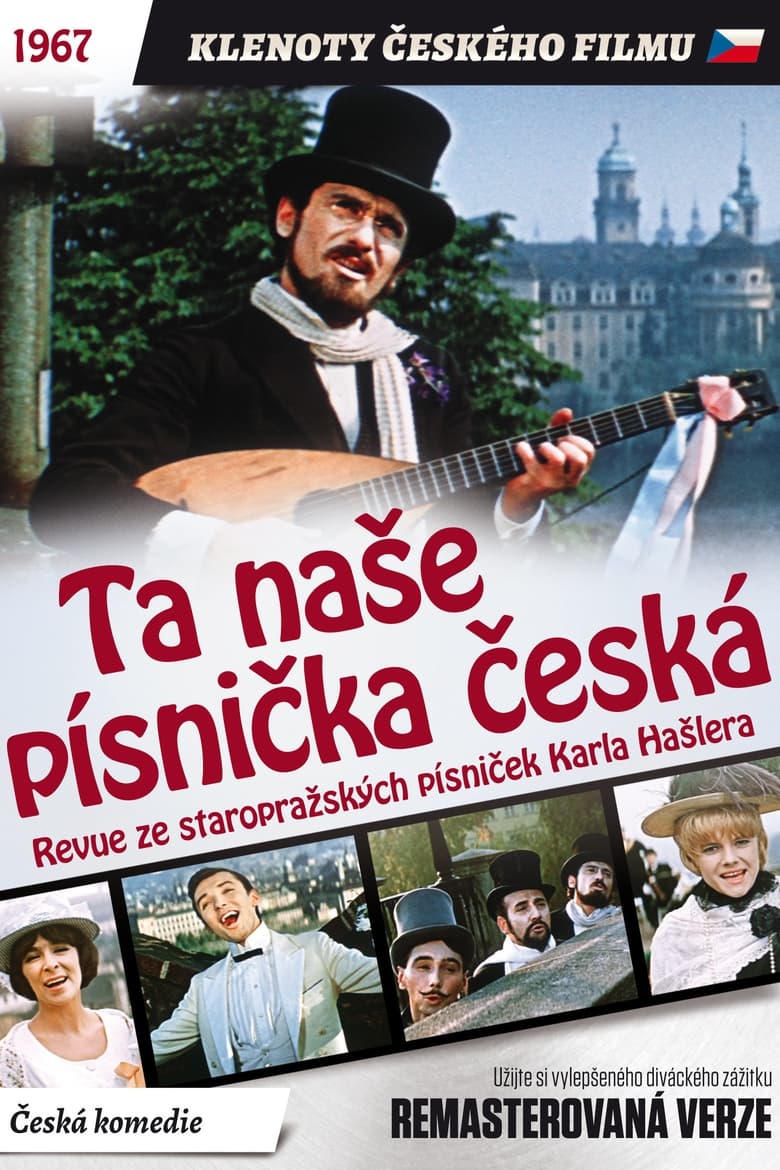
Ta naše písnička česká
The Haszler songs of Prague, so popular in the late nineteenth and early twentieth centuries, have not aged. They are still sung in pubs and on construction sites, in short, everywhere. They also have their place in the love stories from old Prague, so beautifully told by Miss Veronika. Their heroine is Miss Stázi, who at first had no luck in love with the student Tadeáš. But then she fell in love with three gentlemen at once. The shy Mr. Alois, the cheerful Mr. France and Mr. Johannes, who seduced her behind the Horse Gate. But in the end she preferred the old but rich landlord. Three abandoned gentlemen nearly took their own lives under the Stone Bridge. But grief overcame them and the gentlemen settled down to marriages richly blessed with adorable children. And Miss Stasi? She ran away from the old man and returned to Mr. Franco when he came home from the army.
Bejvávalo
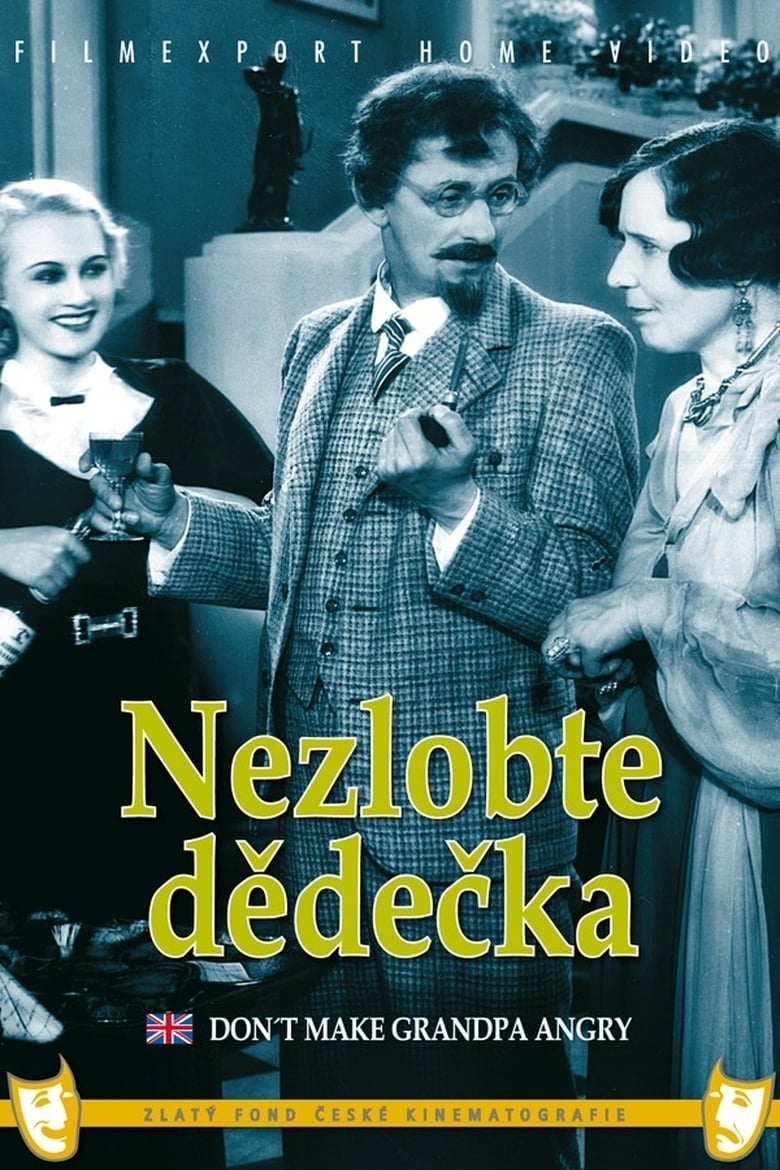
Don't Make Grandpa Angry
Eman Vovísek drinks away his unrequited love for Liduška, who married his cousin, the factory owner Danek. Because Eman is aggressive when drunk, he is taken to a mental health facility, where he meets his uncle Hanibal. Hanibal has a breakdown after his wife Matylda broke up with him. Matylda wanted to be free so she could marry her first love, Uncle Jonathan, who is due to arrive from America. Jonathan sends a telegram saying he will stay in Paris. Such a situation does not suit Danek. He assumed that Liduška would be visiting from America and that he himself would go to his mistress in the meantime. He therefore visits Vovísek and persuades him to play the role of Jonathan.
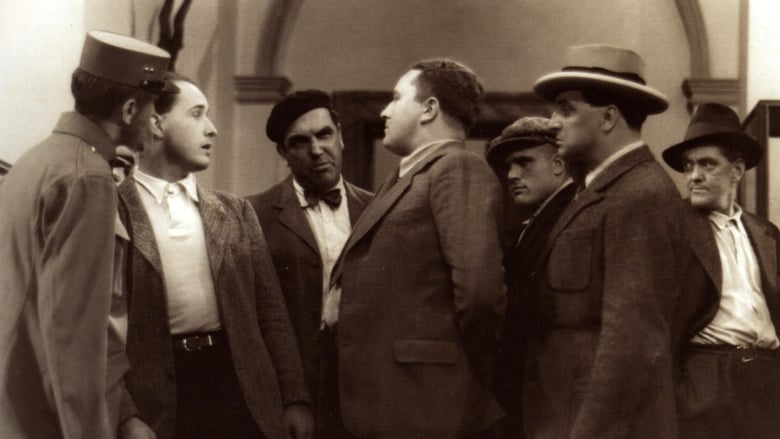
Your Money or Your Life
A czech film that focuses on an unfaithful husband who married in to money, as well as an impoverished man who is turns to theft.
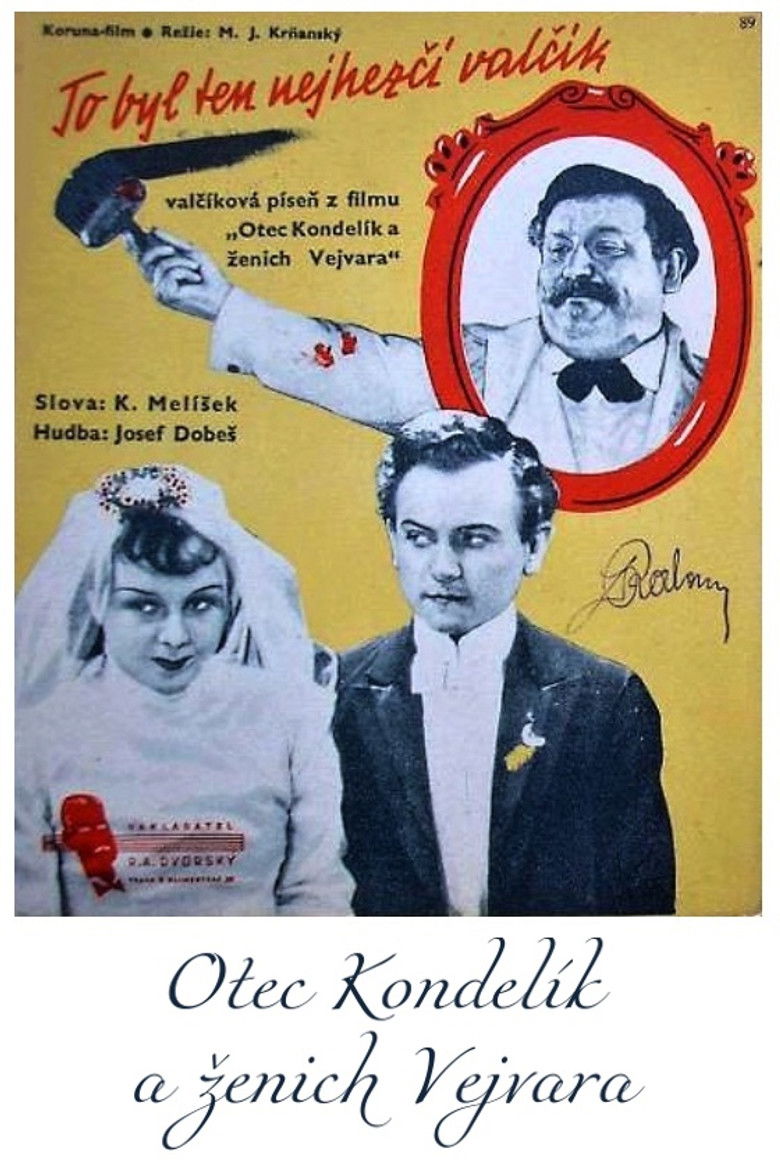
Otec Kondelík a ženich Vejvara
The family of Prague burgher and master interior decorator Václav Kondelík lives happily in their house on Ječná Street. The peace is disturbed by an invitation to an "apron party", where their daughter Pepička meets a young municipal official, František Vejvara. The two young people fall in love. Their relationship is also supported by Mrs. Kondelíková, because Vejvara could become a welcome groom for her daughter. However, Pepička's acquaintance disrupts the established order of Kondelík's life.
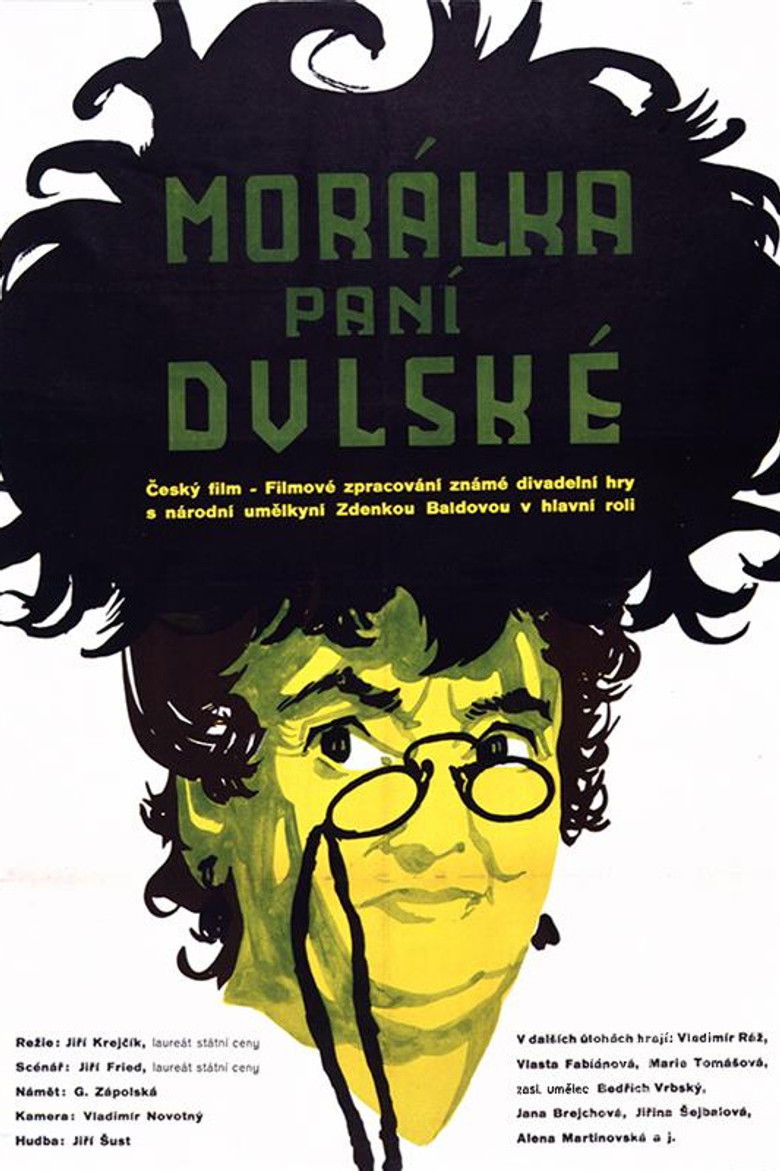
Morálka paní Dulské
The suffocating conditions in a bourgeois family were depicted in several films in the second half of the 1950s - this one is one of the lesser known, although it achieves great emotional impact, free from the first ideological pressures. The title character, the owner of the tenement house Mrs. Dulská, controls her relatives and tenants with a firm and despotic hand. To achieve her goals, she masterfully combines tears, blackmail and insidious intrigues, or does not hesitate to abuse the trusting and handsome maid Hanka when she wants her son not to fool around. Everything suddenly turns around when Hank gets pregnant... But the appearance of a good reputation is more important to her than anything.
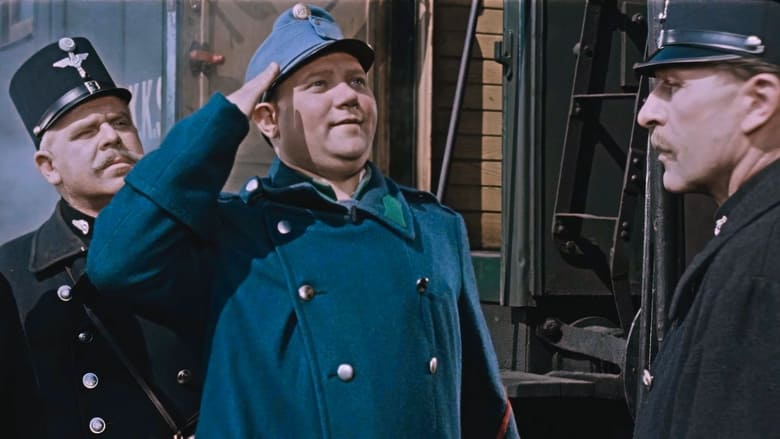
I Dutifully Report
A comedy based on the novel of Jaroslav Hašek's The Good Soldier Svejk happens during the World War I. I Dutifully Report: In the introduction to the second part of the film adaptation of Hašek's novel The Good Soldier Švějk presents his main character Josef Švejk. With the distinctive traditional Czech cartoon character of a soldier Svejk, this time you meet on the way to the front and eventually right in the firing line. You can look at his famous train events, and also probably the most famous episode of the novel, Švejk's Budějovice anabasis. Don't miss the scene with the secretly bought cognac, the episode with Svejk as a fake Russian prisoner of war, including the court scene, and the scene in which lieutenant Dub is caught in a brothel. Despite the criticism, Steklý's adaptation is undoubtedly the most famous and memorable at present.
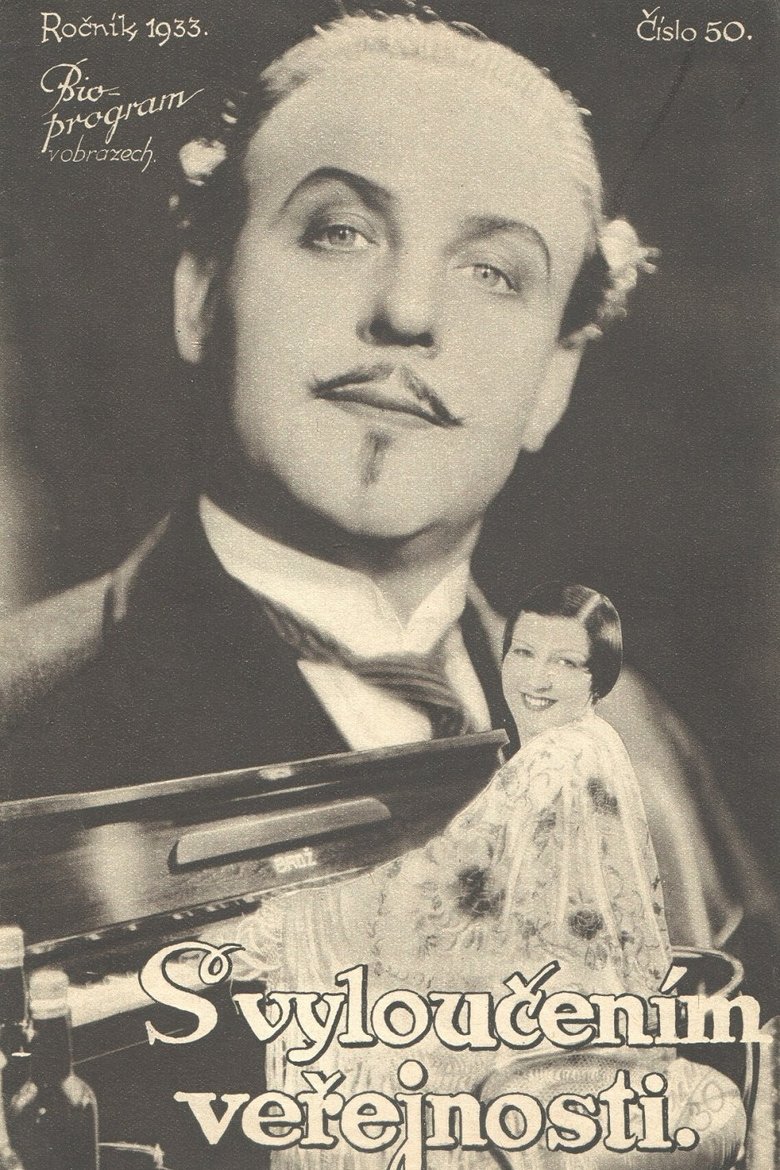
With the exception of the public
A comedy of misunderstanding and a love square
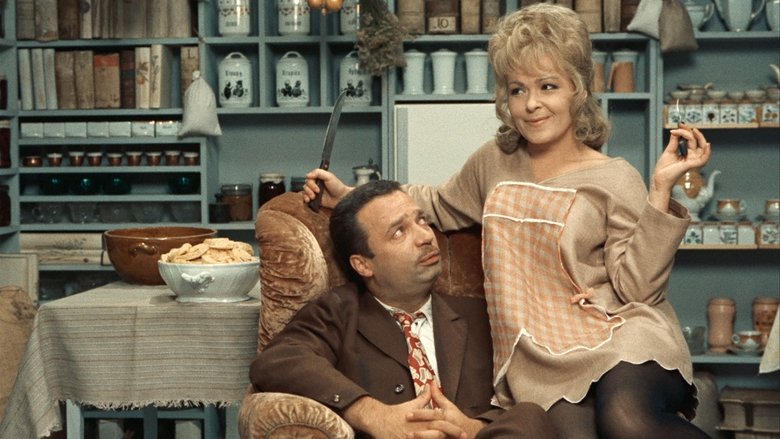
Killing the Devil
A lonely woman gets more than she bargained for when she begins wooing Mr Devil, an insatiable glutton who turns out to be the boyfriend from Hell.

Dialogue 20-40-60
"Using the same, three times repeating dialogue – dramatic conversation between man and woman – Jerzy Skolimowski from Poland, Slovak director Peter Solan and Czech director Zbynìk Brynych shot three different stories. The result was an extraordinary experiment in the world cinema, which we can call an insight in the relationships of men and women of different age groups, an analysis of love and marriage of those who are at the beginning, in the middle or going towards the end of their life."
Filmography
as Self
as Miriam
as Actress (segment "The Sixty-Year-Olds")
as Singer in cabaret
as Woman on a shooting range
as Prostitute
as Hella
as Helena Králová-Marková
as Anna Marie Veselá
as Irma Horthová
as Tondova dívka