
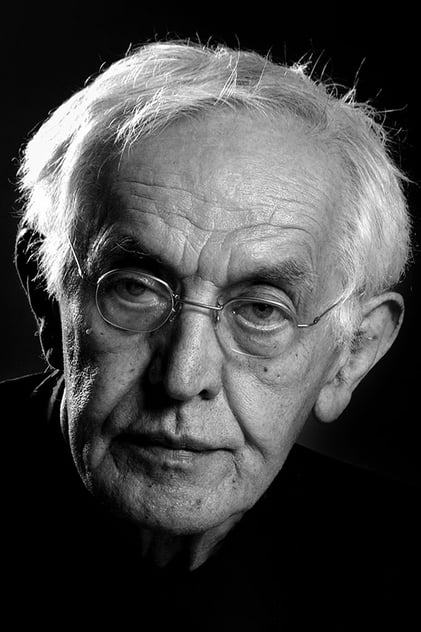
Ljuba Tadić
Acting
Biography
Ljubivoje "Ljuba" Tadić (Serbian Cyrillic: Љубивоје Тадић Љуба) (31 May 1929 — 28 October 2005) was a Serbian actor who enjoyed a reputation as one of the greatest names in the history of former Yugoslav cinema. He made his screen debut in 1953, but his first truly memorable role was in the 1957 film Nije bilo uzalud. In this film, like in many others, he played the villain, but he turned out to be the most memorable character. Later he built on this reputation and continued to play important historical and larger-than-life characters. He also made history by uttering an obscenity in one of the final scenes of 1964 World War I epic Marš na Drinu, which was the first such instance in the history of former Yugoslav cinema. Description above from the Wikipedia article Ljuba Tadić, licensed under CC-BY-SA, full list of contributors on Wikipedia.
Born: May 31, 1929
Place of Birth: Uroševac, Serbia, Yugoslavia
Known For

Uncle Vanya
A retired professor returns to his estate with his beautiful young wife Yelena. The estate originally belonged to his now-deceased first wife; her mother and brother still live there and manage the farm. For many years the brother (Uncle Vanya) has sent the farm's proceeds to the professor, while receiving only a small salary himself. The professor's daughter Sonya, who is about the same age as his new wife, also lives on the estate. The professor is pompous, vain, and irritable, and calls Dr. Astrov to treat his gout, then sends him away without seeing him. Astrov is an experienced physician who performs his job conscientiously, but has lost all idealism and spends much of his time drinking. Yelena's presence introduces a bit of sexual tension into the household: Astrov and Uncle Vanya fall in love with her and she spurns them both.
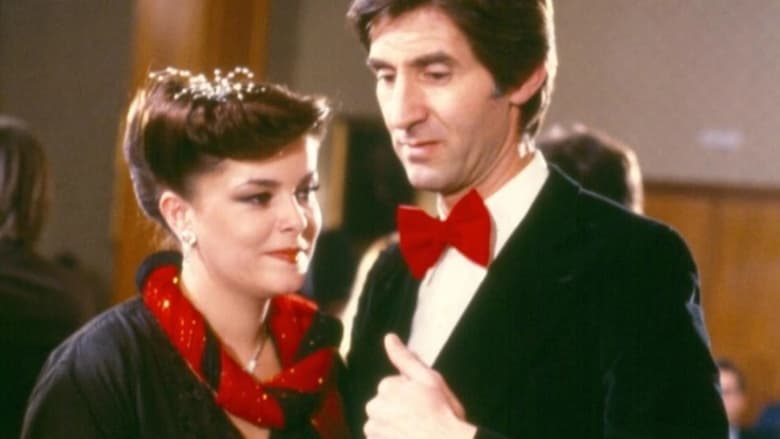
Hot Wind
Vruć vetar is one of the most popular Yugoslav TV miniseries that aired in 1980. The show and movie cut from scenes of the show were popular in neighboring countries-also very popular in Czechoslovakia. Its main theme became very popular and enjoying a bit of a cult status. The story follows Shurda, a man in his 30s, who comes from a small town to Belgrade to get rich. However, as no job is good enough for him, he tries his luck in Germany, but this venture proves to be the same, so he returns to his native Yugoslavia.
Nikola Tesla
This series follows Tesla's life from his childhood in Simljan (near Gospic) in nowadays Croatia (then Kingdom of Croatia-Slavonia, part of Austria-Hungary) to his death in New York, USA.

Migrations II
Screening of the synonymous Milos Crnjanski's poetic novel about the tragedy of Serbian people who scattered their energy and bones from Dnepr to Lotaringia during XVII and XIX century. The great Serbian migration topic is given through the military campaign of major Vuk Isakovic (Avtandil Makharadze) at the head of Slavonian-Danube regiment, from spring of 1744. to spring of the next year. The second topic follows tragic but passionate relationship between Vuk's younger brother and his wife, which ends with her long-lasting disease and death.
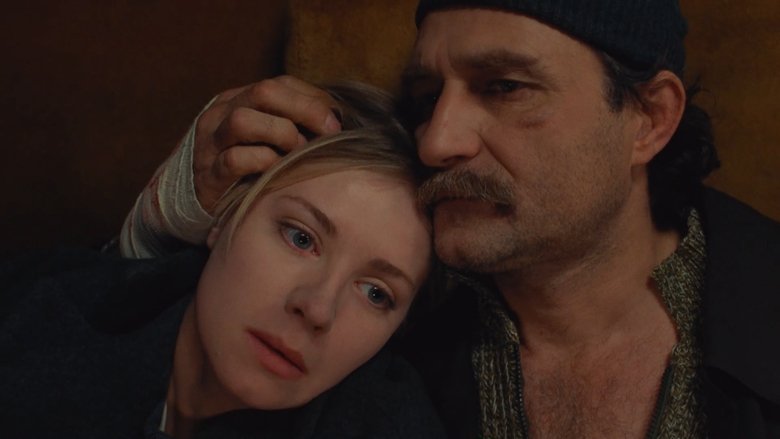
Cabaret Balkan
20 people's paths crisscross one night in violent mid-'90s Belgrade.
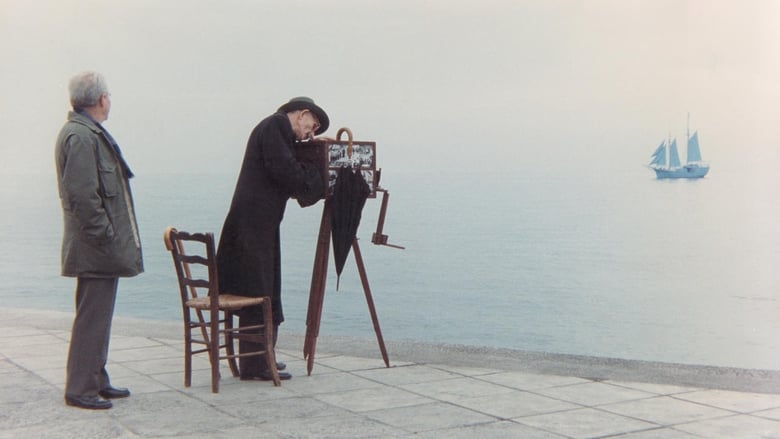
Ulysses' Gaze
An exiled filmmaker finally returns to his home country where former mysteries and afflictions of his early life come back to haunt him once more.
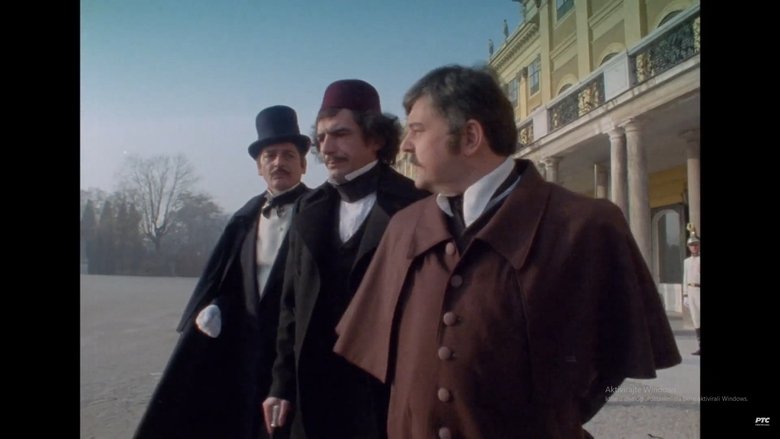
Vuk Karadžić
Vuk Karadžić, is а Yugoslavian historical drama television series which depicts the life and work of Vuk Stefanović Karadžić, a Serbian linguist and major reformer of the Serbo-Croatian language.
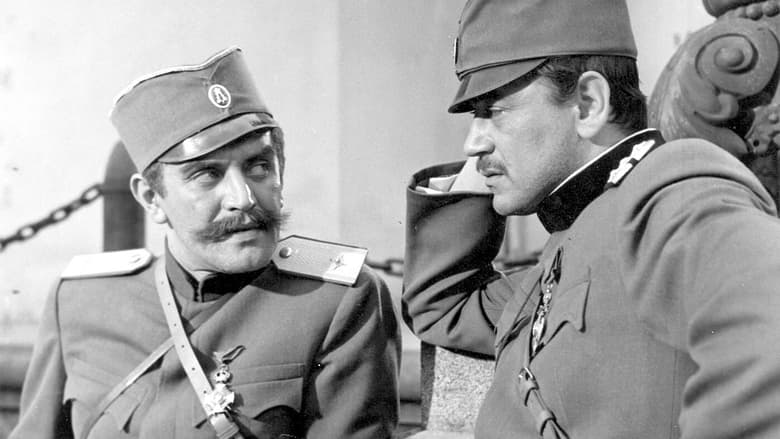
March on the River Drina
A Serbian artillery battery of the Combined Division makes a forced march to the Cer Mountain in western Serbia to meet Austro-Hungarian troops, who have invaded the country by crossing over the Drina River. A chronicle of the Battle of Cer; a landmark battle of World War I and the first Allied victory over the Central Powers.
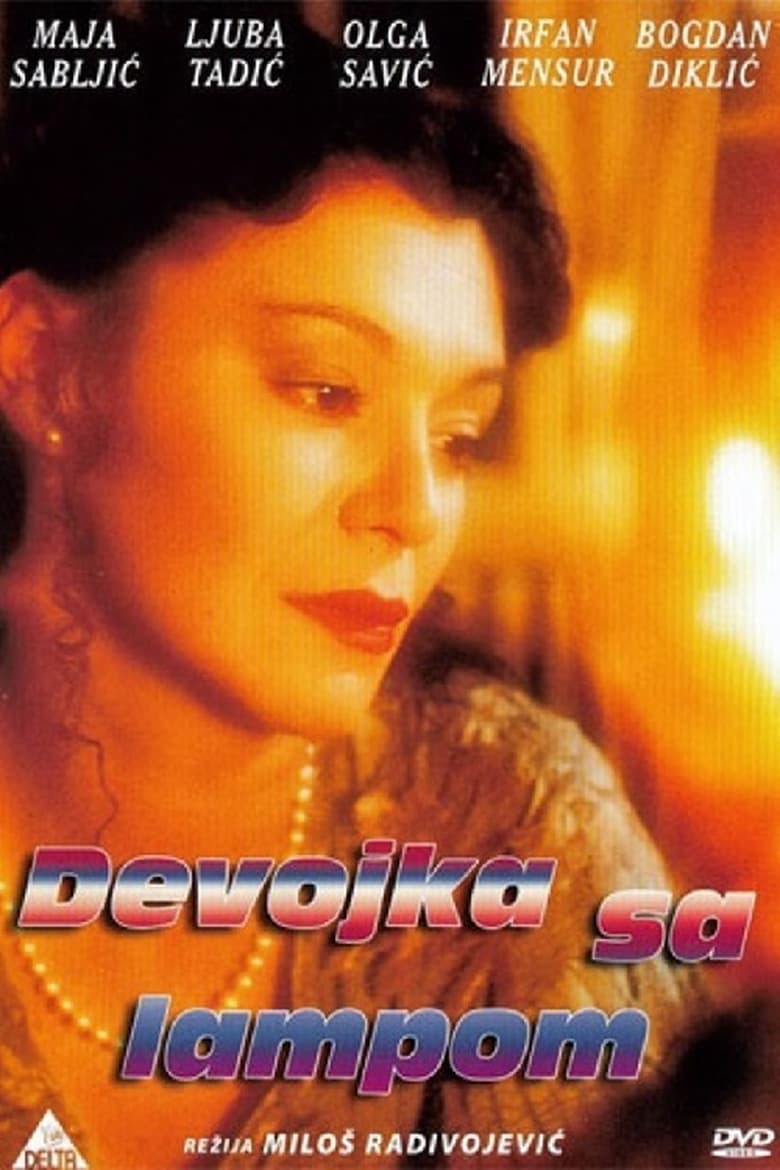
A Girl with the Lamp
The famous Serbian painter Milena Pavlovic-Barili, author of the masterpiece "A girl with the lamp", spends her last summer accompanied by young, curious actress.
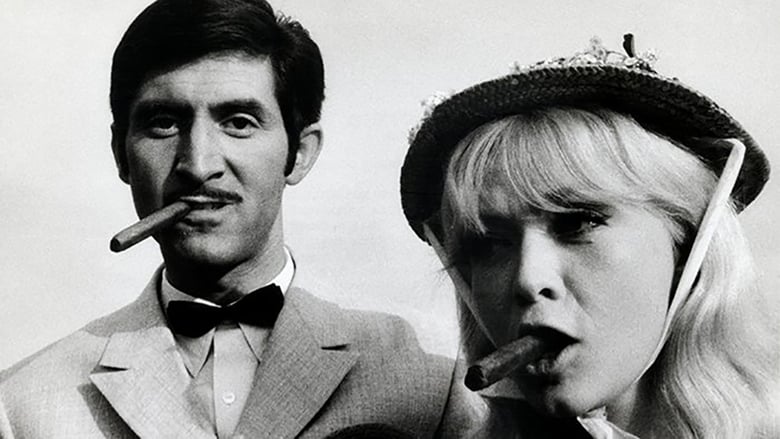
The Morning
In the first days after the Second World War, as collaborators are being taken care of, a former partisan finds out that war never truly ends — not even in time of peace.
Filmography
as Starac
as Pornograf
as Otac
as Pisac
as Dirigent orkestra
as Ivan Lepić
as Efendi Mita
as Jovan Bugarski
as Pawle
as Mihailo Vana
as Sultan Murat
as Pop Luka
as Profesor
as Mitropolit Stefan Stratimirović
as Novak
as Doktor
as Goja
as Paja, rektor
as Pop
as Maestro
as Pukovnik Jovan Kuzmanović, brat Hristivojev
as Bakunjin
as Dr. Ilić
as Mušterija za taksi
as Markov kum
as Urednik
as Stefan Koruga
as Šef policije Cahun
as Lenka
as Evgenije Fjodorovič Hobotov
as Ivan Vasiljević
as John Pierpon Morgan
as Alfred III
as Advokat Horvat
as Aleksa
as Ministar Blagojević
as Dr. Mladen Stojanović
as Gradonačelnik Ostervelt
as Sava Kovačević
as Mihail Fjodorovič
as Pontius Pilate
as Čika Paun
as Ras, četnički vojvoda
as Dmitar
as Upravnik
as Sokrat
as Komšija
as Dr. Mihail Ljvovič Astrov
as Naftaš
as Doktor
as Aleksa Žunjić
as Pop Jovan, otac Jovanin
as Strahinja Petrović
as Advokat Pavlović
as Uroš, islednik
as Uka (Vuk)
as Troskot
as Direktor škole
as Northon
as Dića
as Kaluđer
as Strahinja Petrović
as Ljuba
as Andrey / Andrej
as General Milan Prekić
as Života
as Mile Grk
as Ilija 'Major'
as Direktor kombinata
as Amazonac
as Major Kursula
as Sergei
as Jemelian
as (segment "Mali skver")
as Miškov brat Nikola
as Profesor Garić
as Radak
as Pavle
as Nikola
as Pop
as Josip
as Aleksa Žunjić, sreski špijun
as Agent
as Bakunjin