
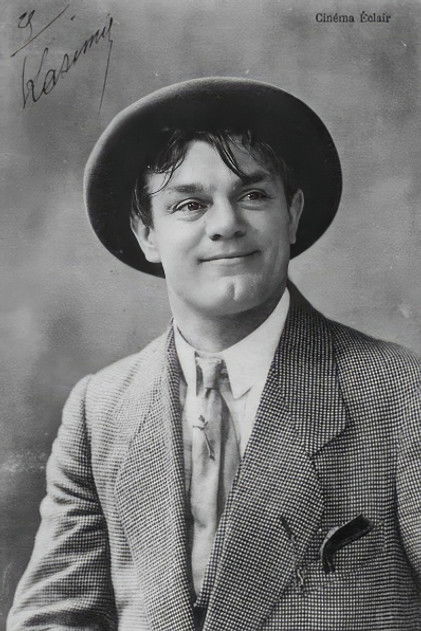
Lucien Bataille
Acting
Biography
No biography available for Lucien Bataille.
Born: April 25, 1877
Place of Birth: Lumbres, Pas-de-Calais, France
Known For
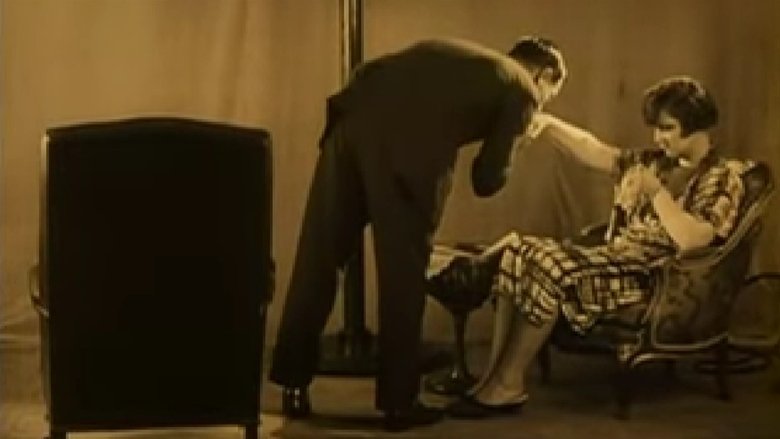
Invitation to a Journey
A woman enters a nightclub and slowly begins to open herself up.
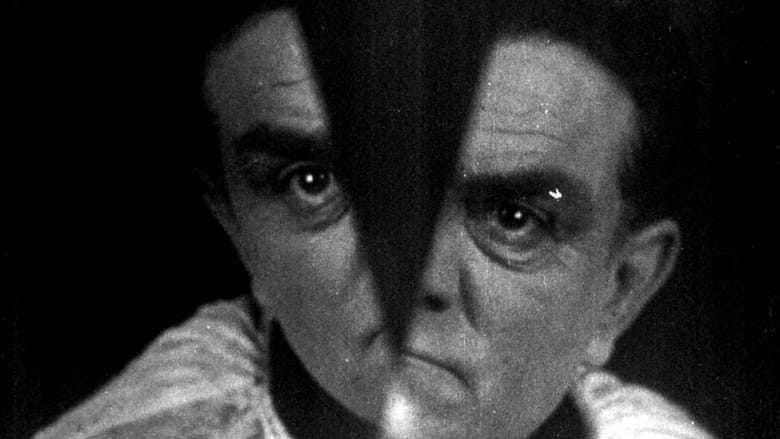
The Seashell and the Clergyman
Obsessed with a general's wife, a clergyman has strange visions of death and lust, struggling against his own eroticism.

I Accuse
After serving in the trenches of World War I, Jean Diaz recoils with such horror that he renounces love and personal pleasure to immerse himself in scientific research, seeking a machine to prevent war. He thinks he has succeeded, but the government subverts his discovery, and Europe slides with seeming inevitability toward World War II. In desperation, Diaz summons the ghosts of the war dead from the graves and fields of France to give silent, accusing protest.

The Bread Peddler
The Bread Peddler is a 1923 French silent drama film directed by René Le Somptier and starring Suzanne Desprès, Gabriel Signoret and Geneviève Félix. It is based on Xavier de Montépin's novel of the same title.

Angel and Sinner
During the stagecoach trip of a frightened group of inhabitants of Rouen, Elisabeth Rousset, known as "Boule de Suif", renders these people a signal service, but comes up against their stupidity and their sufficiency. A little later, Boule de Suif assassinates the formidable Prussian lieutenant whom his friends had nicknamed Fifi and who shamelessly displayed his taste for pillage and his sadistic tendencies.

Zigoto and the Affair of the Necklace
The film begins with the Count giving an actress a necklace. However, after her performance, the valuable necklace is missing and so the actress goes to hire some detectives to find it. I loved the strange detective agency in the film. The place had a sliding door, chains on the wall and detectives seem to magically appear out of the floor. It was very kooky but fun.
The Devil in the City
The story is about a superstitious village, where the mayor has sold a tower to an unknown, who is soon suspected of being the devil.
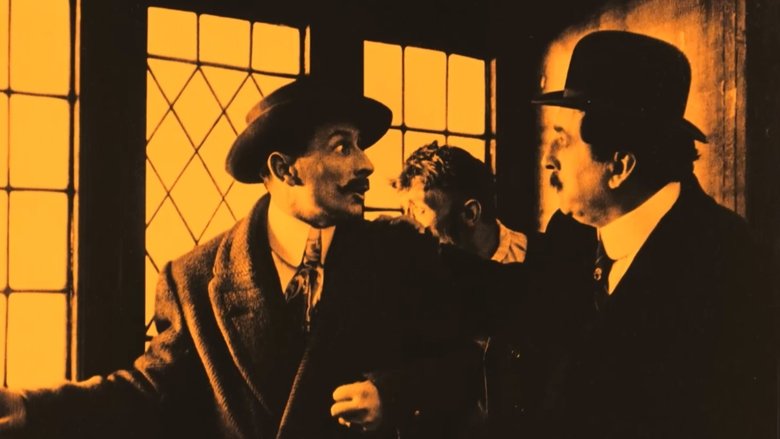
Protéa
Protéa is the last film directed by Victorin-Hippolyte Jasset, one of the early film pioneers in France. The hero of this film is a female spy, an acrobatic Mata-Hari, played by his favorite actress, Josette Andriot, who wore a characteristic costume of a close-fitting black jersey, two years before Musidora achieved cult status with her similar appearance as Irma Vep. This final masterpiece reflects Jasset's popular style: rhythmic action, fantastic realism, rich visuals, an anarchistic philosophy, a disdain for psychology, and an attention to lighting that earned him the nickname “the Rembrandt of the cinema". Although Jasset died shortly after completion, the film had considerable success and Andriot went on to make four more films in the series with other directors.
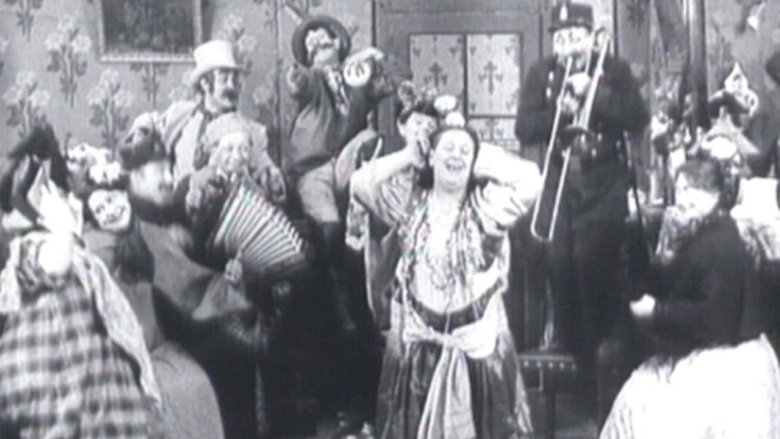
La Bous Bous Mée
Once Madame Ducordon discovers the joys of a new fashionable dance, she starts performing it wherever she happens to be.
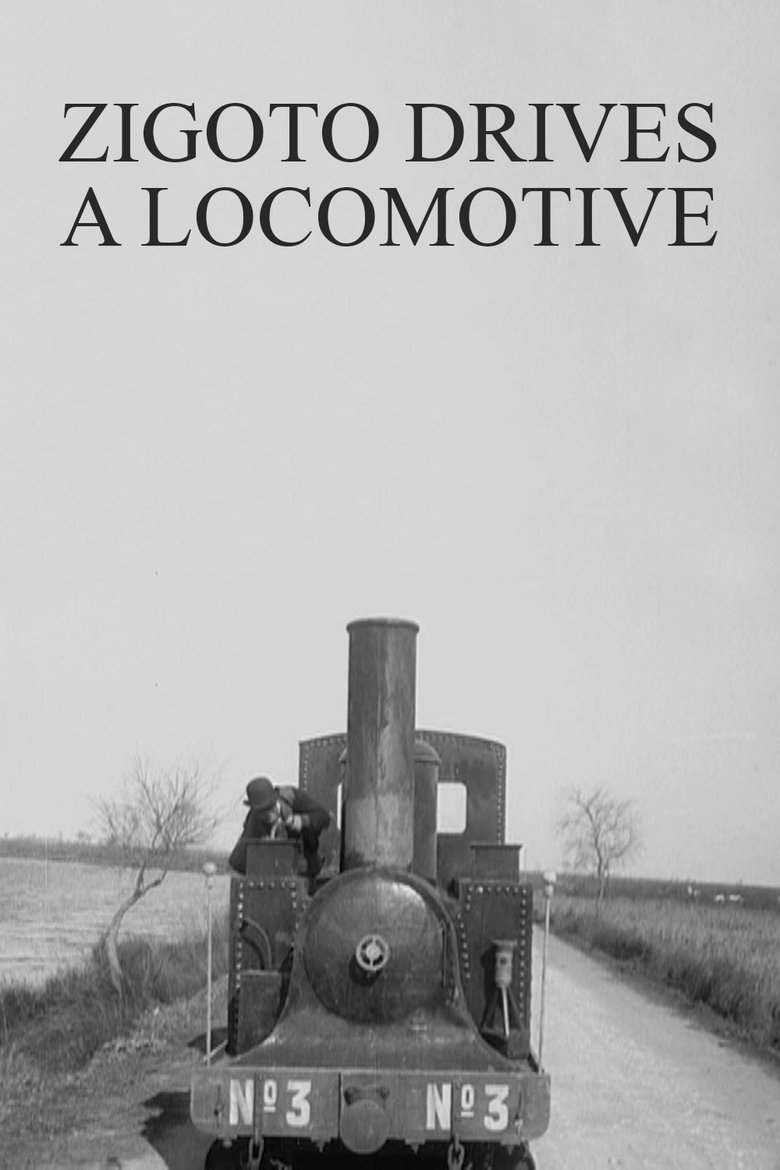
Zigoto Drives a Locomotive
When the train workers go on strike, Zigoto terrorizes the town in a hijacked locomotive.
Filmography
as Irregular (uncredited)
as A soldier
as The Officer
as Madman
as L'Anguille / The Eel
as Tim Warest
as Zigoto
as Zigoto
as Zigoto
as Zigoto