
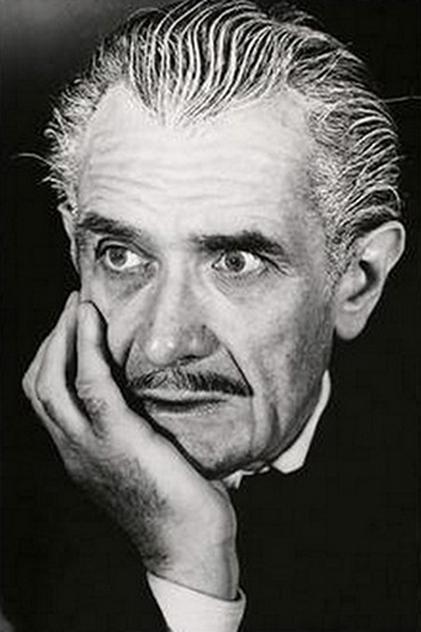
Lucien Nat
Acting
Biography
No biography available for Lucien Nat.
Born: January 11, 1895
Place of Birth: Paris, France
Known For
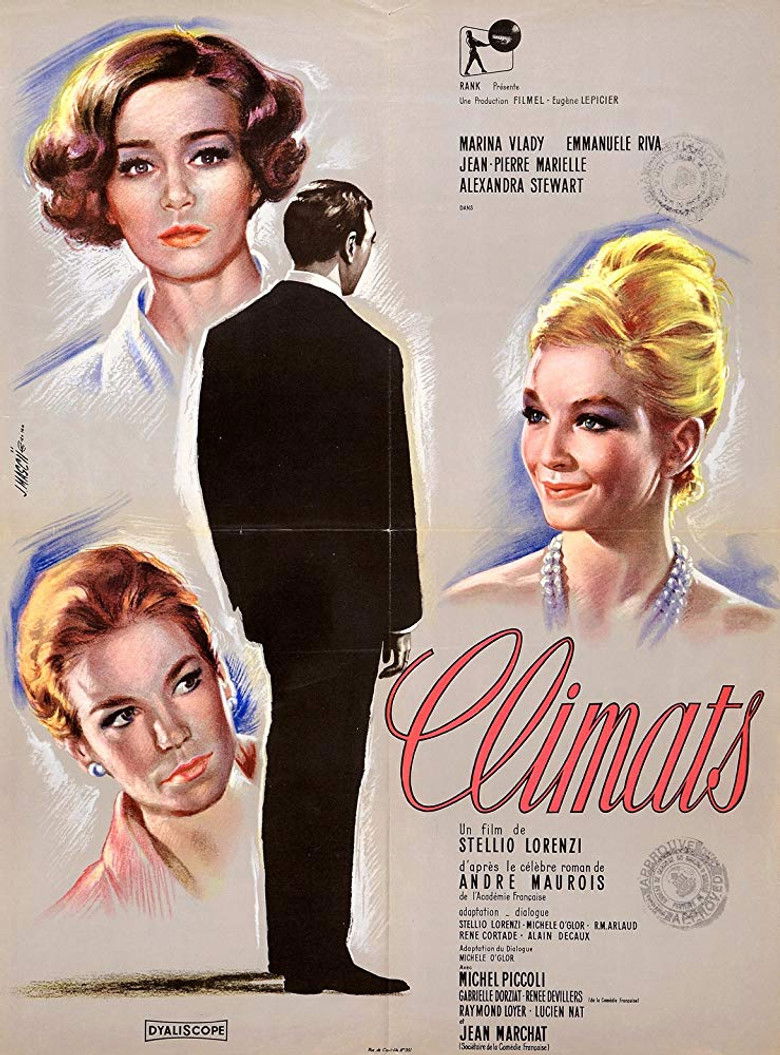
Climates of Love
The Marcenat couple seem to have everything they need to be happy. However, Odile's frivolity and Philippe's jealousy drive the couple apart. Philippe, manager of the family printing business, finds solace in Isabelle, a long-time employee at the paper mill. Isabelle's routine life, entirely devoted to her work, leads Philippe to strike up a romantic relationship with the playful young Misa. But, faced with Isabelle's grief, Philippe puts an end to the romance. When Odile, inconsolable since their break-up, finally commits suicide, Philippe realizes that she was his true love.
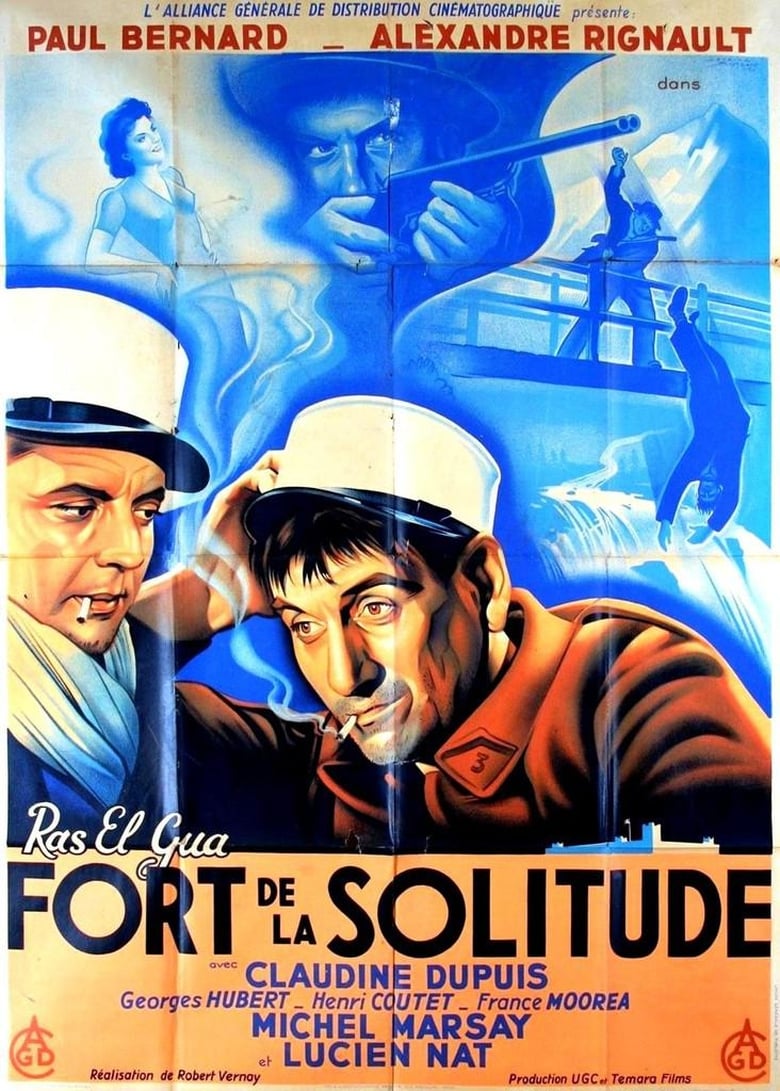
Fort De La Solitude
On the borders of the desert, Péhu, a rather blunt creature on the verge of death, confesses to Charles Sigouane that some time before he stole and killed for the sake of a woman named Marie. Péhu recovers against all odds and returns to France with a view to finding Marie and to retrieve a loot he has hidden somewhere.
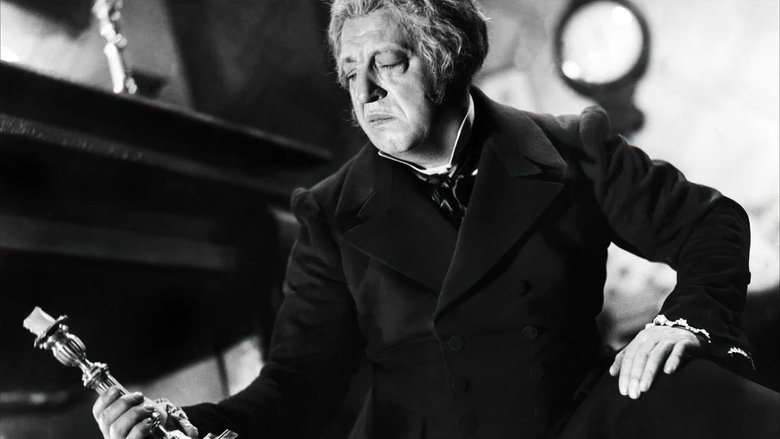
Les Misérables
In 19th century France, Jean Valjean, a man imprisoned for stealing bread, must flee a relentless policeman named Javert. The pursuit consumes both men's lives, and soon Valjean finds himself in the midst of the student revolutions in France.

This Special Friendship
A tale of the tender relationship between a twelve-year-old boy and the fourteen-year-old upperclassman who is the object of his desire, all set within the rigid atmosphere of a Jesuit-run school.

The Last Robin Hood
While Ludovic Dubois, a young summer camp monitor in Saint-Benoît, entertains the children by playing Robin Hood, the lord's niece is kidnapped by her uncle, in the castle next door. Helped by the children and the customs inspector, the last of the Robin Hoods will free the "Princess Isabelle", and will end up marrying her.
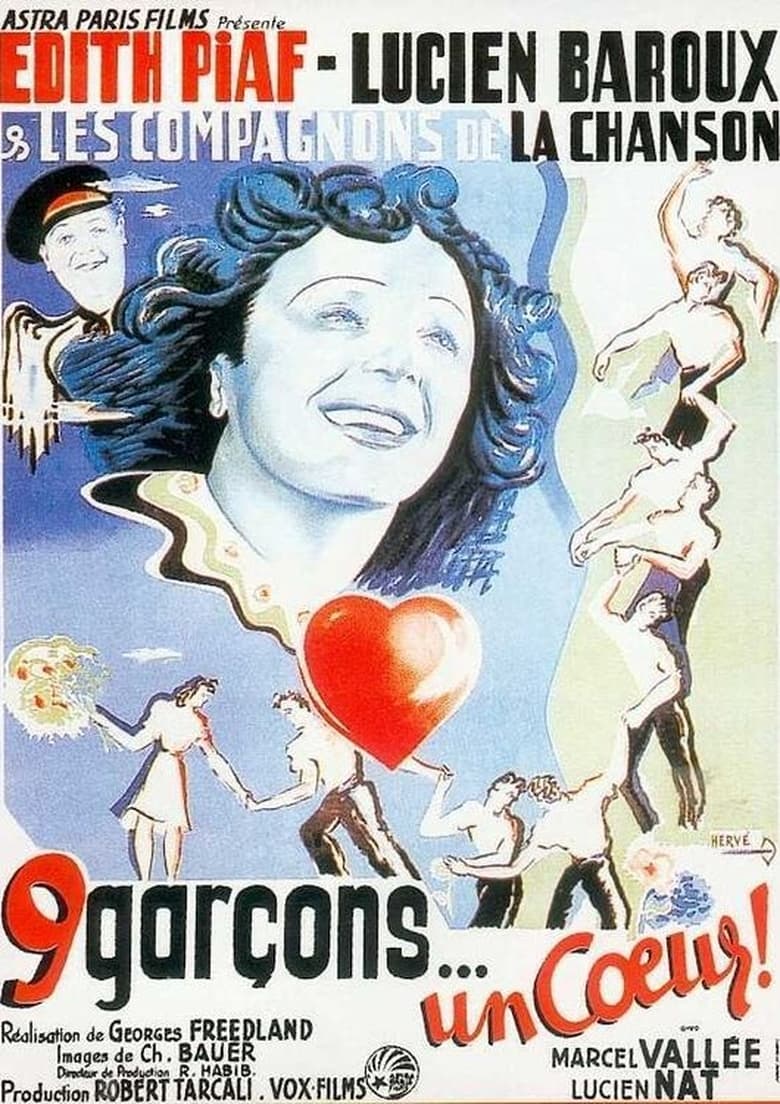
Nine Boys, One Heart
During the Christmas season, Christine, a singer and her friends find themselves penniless. She falls asleep and dreams that she goes to heaven, followed by her friends...
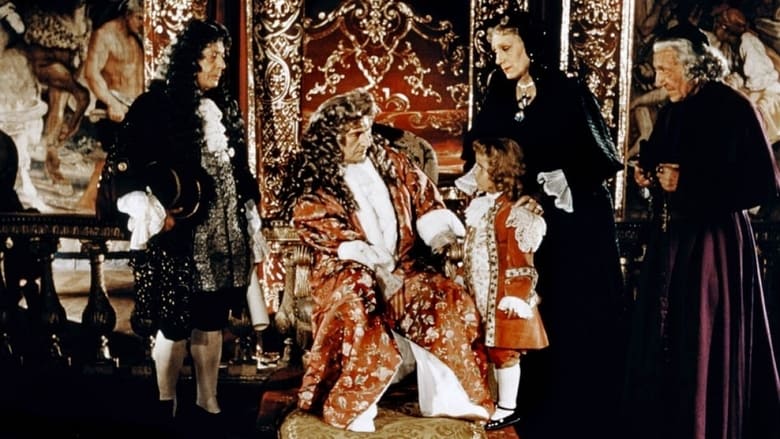
Royal Affairs in Versailles
Witty narration follows the history of Versailles Palace; founded by Louis XIII, enlarged by autocratic Louis XIV, whose personal affairs and amours, and those of his two successors, are followed in more detail to the start of the Revolution, after which the story is brought rapidly up to date. A huge cast plays mainly historical persons who appear briefly.
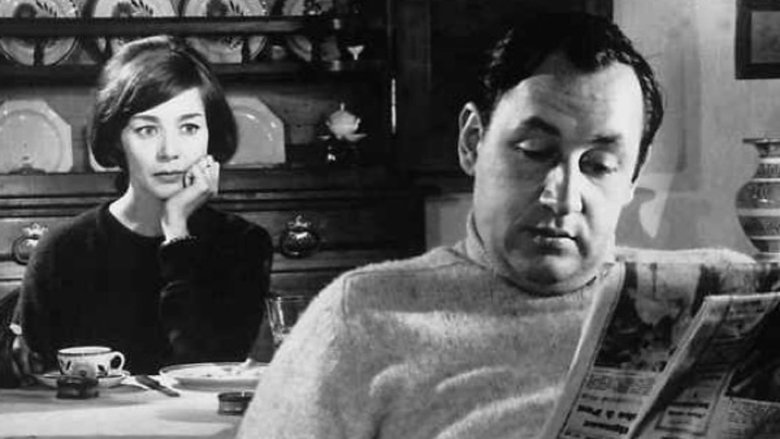
Therese
Thérèse is living in a provincial town, unhappily married to Bernard, a dull, pompous man whose only interest is preserving his family name and property. They live in an isolated country mansion surrounded by servants. Early in her marriage her only comforts are her fondness for Bernard's pine-tree forest, which was her primary reason for marrying him, and her love for her sister-in-law and Bernard's half-sister, Anne. The movie recounts in flashback the circumstances that led to her being charged with poisoning her husband.
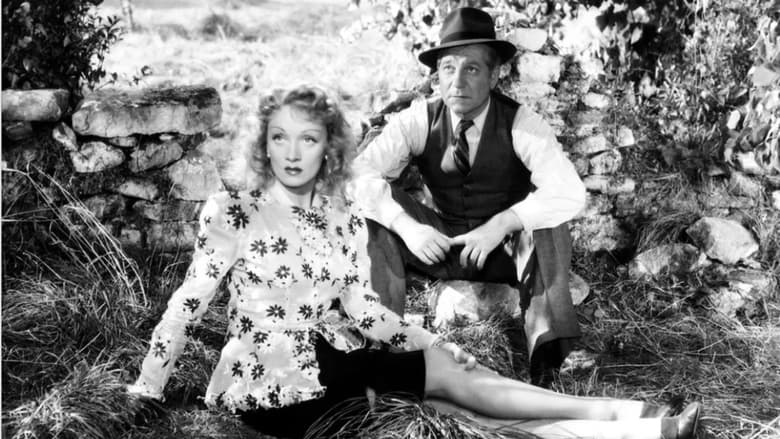
Martin Roumagnac
The local building-contractor Martin Roumagnac is fascinated by the fashionable Blanche Ferrand. To impress Blache, Martin presents her with a villa. However, this ruins him financially. Despite Martin's many efforts for the now femme-fatal Blanche, she is not able to chose between him and the rich consul De Laubry.
We Are All Murderers
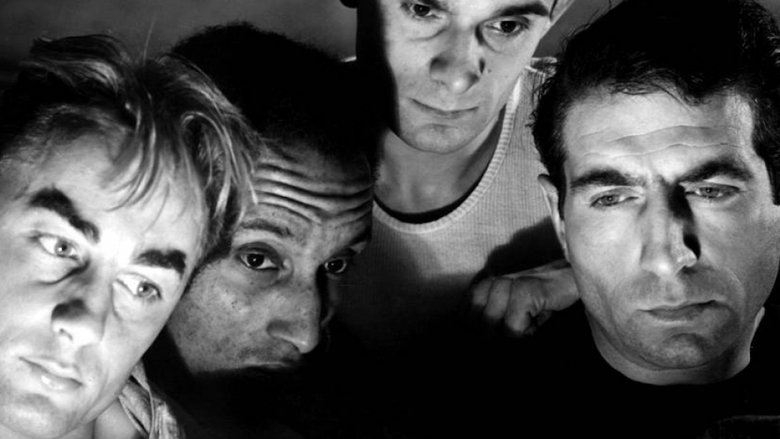
Originally titled Nous Sommes Tout des Assassins, We Are All Murderers was directed by Andre Cayette, a former lawyer who detested France's execution system. Charles Spaak's screenplay makes no attempt to launder the four principal characters (Marcel Mouloudji, Raymond Pellegrin, Antoinine Balpetre, Julien Verdeir): never mind the motivations, these are all hardened murderers. Still, the film condemns the sadistic ritual through which these four men are brought to the guillotine. In France, the policy is to never tell the condemned man when the execution will occur--and then to show up without warning and drag the victim kicking and screaming to his doom, without any opportunity to make peace with himself or his Maker. By the end of this harrowing film, the audience feels as dehumanized as the four "protagonists." We Are All Murderers was roundly roasted by the French law enforcement establishment, but it won a special jury prize at the 1952 Cannes Film Festival.
Filmography
as Gillenormand
as Louis
as M. Stangerson
as Dom Luis
as Professor Wilkowski
as Father Superior
as Laroque
as President
as le préfet
as Captain
as Inspector Lanoux
as Martinaud
as Montesquieu
as Le docteur
as Mr. Valmont
as Montesquieu
as Prosecutor
as Antoine Levêque
as (uncredited)
as L'avocat général
as Messner
as Monsieur de Cellamare
as Napoléon III (uncredited)
as Robert Darzac
as Charles (segment "Le retour de tante Emma")
as Robert Darzac
as Andrea
as Andrea
as Captain
as Carray Mas
as Mr Rimbaut
as Le duc d'Albe
as Monsieur de Lunegarde
as Jean de Peyrolles
as Julien Pranville
as Agostin
as Andrée's father
as Bernard Froment adult
as Lucien Garraud
as Garron
as Gernicot
as Maître Ribeyre
as Jean Le Barois
as Le promis
as Montparnasse
as Marshal of the Logis Chief Barnot