
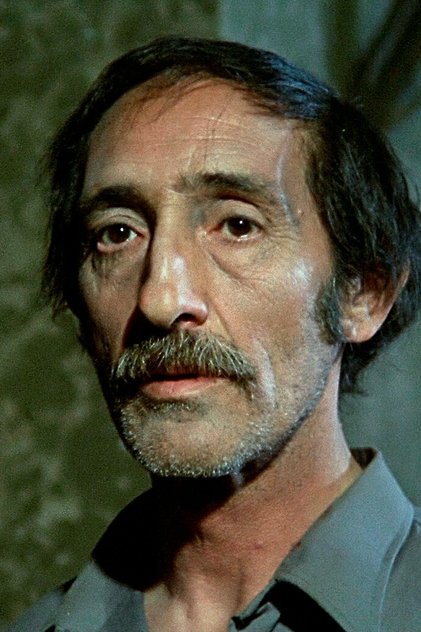
Luis Ciges
Acting
Biography
No biography available for Luis Ciges.
Born: May 10, 1921
Known For

Placido
In a small Spanish town, during the Christmas holidays, a group of rich old ladies organize a peculiar event that consists of inviting a homeless person to sit down to dinner at their wealthy table. Plácido, a humble worker, is hired by the organizers to participate in a parade with his three-wheeled vehicle, a seemingly simple mission that will not be easy for him to accomplish.

Nosotros que fuimos tan felices
After a long absence, Ulises, a theatrical author, returns to his home to be with his wife, Carlota, and their son. However, upon arriving in Madrid he discovers that Carlota has become a great theater actress and that she is sentimentally united to Miguel, a renowned playwright who copies the comedies that Ulysses himself had written.

Total
"Total" opens the trilogy that close "Amanece que no es poco" and "Así en el Cielo como en la Tierra" Year 2598. Three days ago, the world has come to the end in London, a lost and a small Castilian village atmosphere. Lorenzo, a shepherd, tells a series of extraordinary events that have been announcing the end of the world: the cows want to go to school, walls crumble, or Doña Paquita appears in the most unexpected places ..
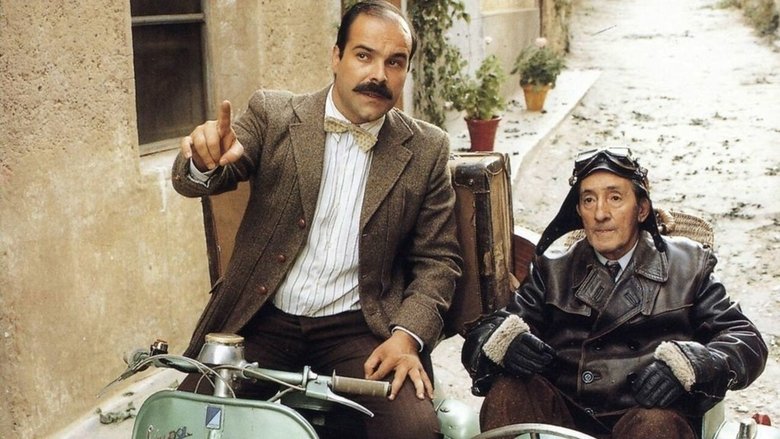
Dawn Breaks, Which Is No Small Thing
Teodoro, a Spanish engineer working as a professor in the United States, returns to Spain to enjoy a sabbatical year.
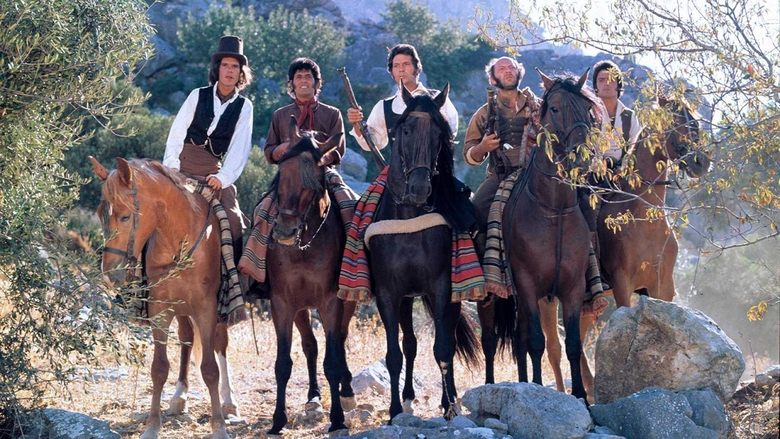
Curro Jiménez
Curro Jiménez was a successful Spanish TV series that aired on TVE1 from 22 December 1976 to 1979. Its main theme was Andalusian "bandolerismo" in the 19th century, located in the Ronda mountains. The main characters were four bandits, Curro Jiménez
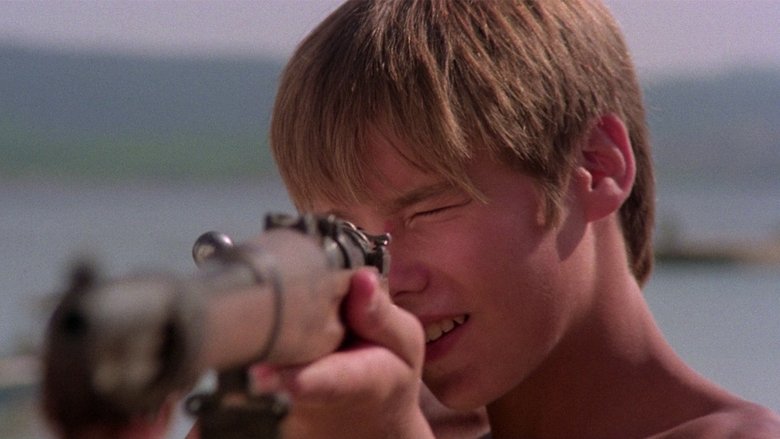
Who Can Kill a Child?
A couple of English tourists arrive at the island of Almanzora, off the Spanish Mediterranean coast, where they discover that there are no adults in a small fishing village, only some children who stare at them and smile mysteriously.
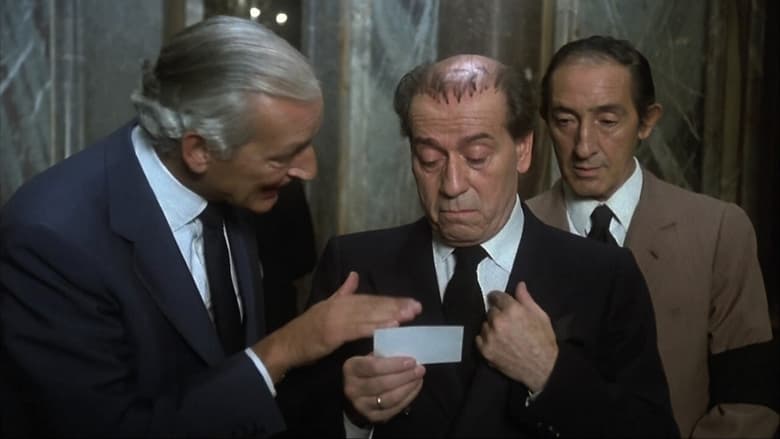
National Heritage
After the death of General Franco, the Leguineche family leaves their estate of Los Tejadillos, where they have remained for decades in voluntary exile, with the purpose of returning to Madrid to actively participate in the social events of the aristocracy and to get closer to the closest circle of the Spanish monarch. The obsession of the old marquis is centered on getting in touch with the most illustrious surnames, to ascend socially and to resume the pomp and courtly life that his family lost a long time ago. To this end, he decides to move into an old palace he owns, located in the center of the capital, but not before overcoming the difficulties posed by his wife, who deeply hates both her husband and her son. To regain control of the palace, the Marquis of Leguineche tries to handicap his wife, arguing an incurable mental illness, and then undertake a reform of the place in order to adapt it to aristocratic life.
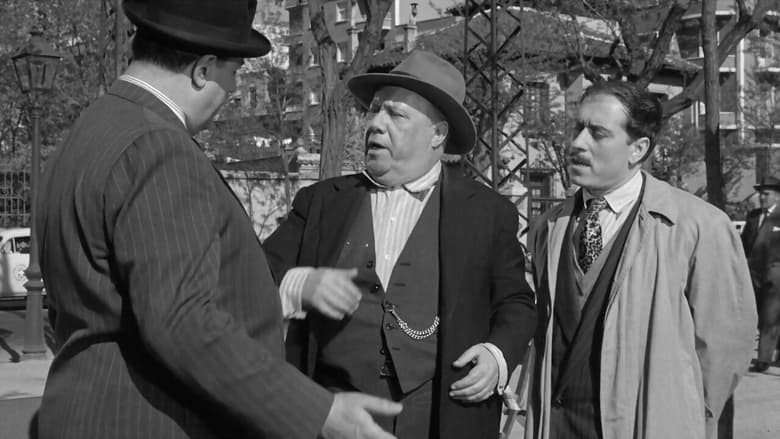
Streetcar for Sale
This excellent short film written by the magnificent filmmaker duo of Luis García Berlanga and screenwriter Rafael Azcona was to be part of a series entitled Los Pícaros (The Rogues) which was never continued. These two artists were responsible for such masterpieces of Spanish cinema as Plácido and El verdugo (The Executioner). Here, Berlanga and Azcona collaborated for the first time, setting the stage for the post-war "Berlanguiana" vision that would develop. José Luis López Vázquez plays Julián, a seedy swindler, who with his cronies tries to sell a streetcar to a rich but naive farmer, a newcomer to the city. High jinx ensue. With this film begins the great stage of Berlanga's filmmaking in which he mixes a little social criticism and notes of anti-clericalism with a great deal of farce.
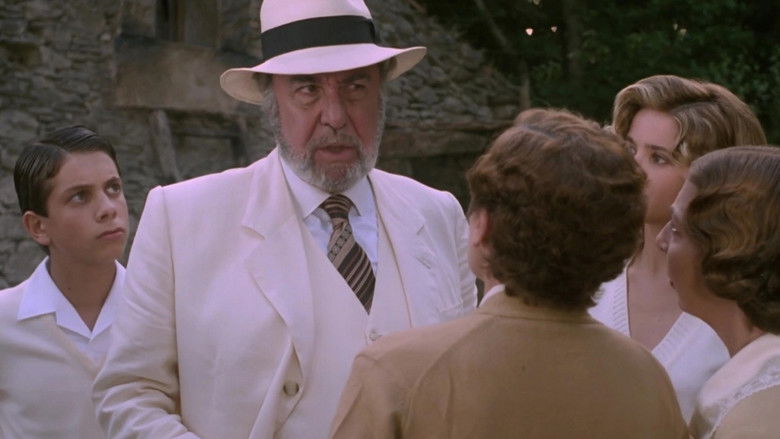
The Enchanted Forest
In Galicia, in northern Spain, Malvís, a frustrated day laborer who, fed up with his life, has become a clumsy bandit, tries to make a name for himself by robbing travelers passing through a forest inhabited by colorful characters.
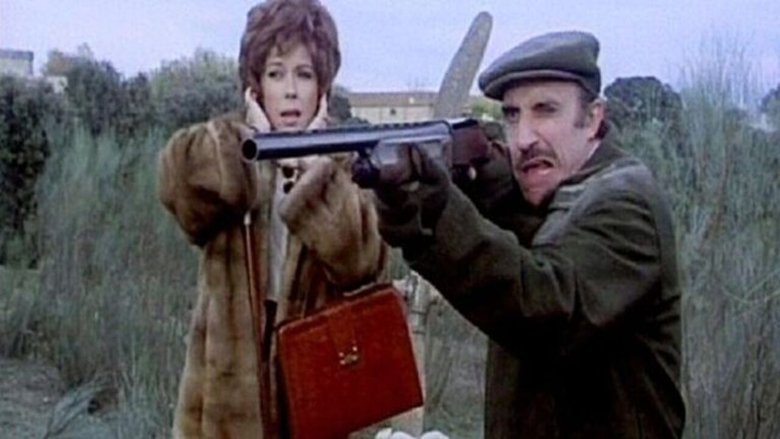
The National Shotgun
A catalan manufacturer of intercoms travels to Madrid, accompanied by his mistress, to attend a hunt that he has organized. Its main purpose is to mix with people of high society to improve their business. All seems well until the owner of the farm shows full authority over James, who is the real organizer of the meeting. The celebration is diverse characters who live next to absurd situations.
Filmography
as Ingeniero en cemento
as Ayudante Biblioteca
as Self
as El anciano vicioso
as Bahamonde
as P. Tinto
as Matacanes
as Temeroso
as Abuelo
as Ludo
as Maitre
as José María
as Fraile
as Lagarto
as Ropero
as Vos' Madman
as Paco
as Cacharrero
as Alfonso
as Guard
as Huete
as Portero
as Riaño
as Barbero
as Mariano
as Cañizares
as Basilio
as Pascual
as Segundo
as Médico
as Don Casimiro
as Tintorero
as Hortelano
as Celador
as Segundo
as Menéndez
as El Frac
as Gobernador civil
as El Palanqueta
as Doorman
as Tulio Metelo
as Metro Driver
as Guarda
as Segundo
as El Hombre del Bar
as Sr. Pons
as Militante de Cruz Roja
as Luis
as Cura pueblo
as Farmacéutico
as Conocido de Berta
as Manolo
as Dionisio
as Pescadero
as Hombre taberna Esquilacha
as Señor en campo de fútbol
as Hombre del castillo
as President Bru's Secretary (uncredited)
as Wiz-Buete
as Exorcista
as Postman Enrique Amorós
as Religioso 1º
as como Pastor
as El Profesor
as Ejecutivo
as Padre de María
as Director de cine
as Rene
as Rupert
as Cura
as Herman Schmidt
as Doctor
as Luciano
as Godó
as MacMurdo
as Alain 'Le Raté' - a thief
as Vendedor de libros de oraciones
as Juez
as Padre de Emilio
as (uncredited)
as Ayudante de Hans
as Dueño de la fonda
as Jim
as Santos
as Prior
as El vagabundo (segment "La danza o las supervivencias afectivas")
as Blind Beggar
as Constantino
as Funcionario
as Padre Jacinto
as Man at Gym
as Trumpet
as Marinero
as Peperone
as El padre de Paco
as Justo
as Dentist's Poor Man
as Manolo
as Bombero (uncredited)