

Luiz Carlos Barreto
Production
Biography
Luiz Carlos Barreto Borges (Sobral, May 20, 1928) is a Brazilian photographer and film director.
Born: May 20, 1928
Place of Birth: Sobral, Ceará, Brazil
Known For
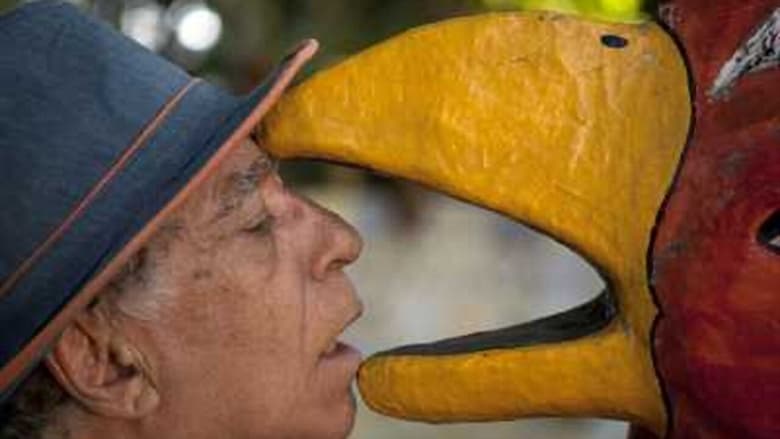
Neville D'Almeida: Chronicler of Beauty and Chaos
This film seeks to rescue the role of filmmaker Neville D'Almeida by using many rare images, numerous interviews, vast archival and audiovisual material.
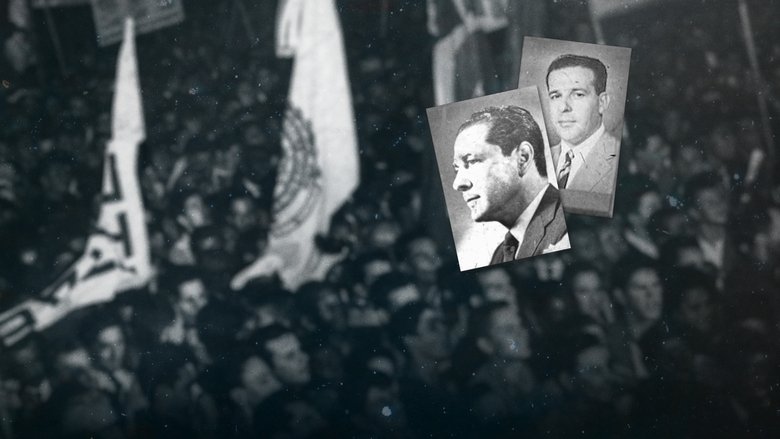
1961
Documentary portrays the crisis following the resignation of Brazilian President Jânio Quadros and the attempted coup to prevent João Goulart from taking office, which was contained with the adoption of parliamentarism.
Race Antenna
In 1979, while Brazil was going through the troubled moment of the Amnesty Law, Glauber Rocha directed the program Abertura for TV Tupi, in which he interrogated a contradictory and boiling Brazil head-on, full of utopias but always under the weight of secular wounds.
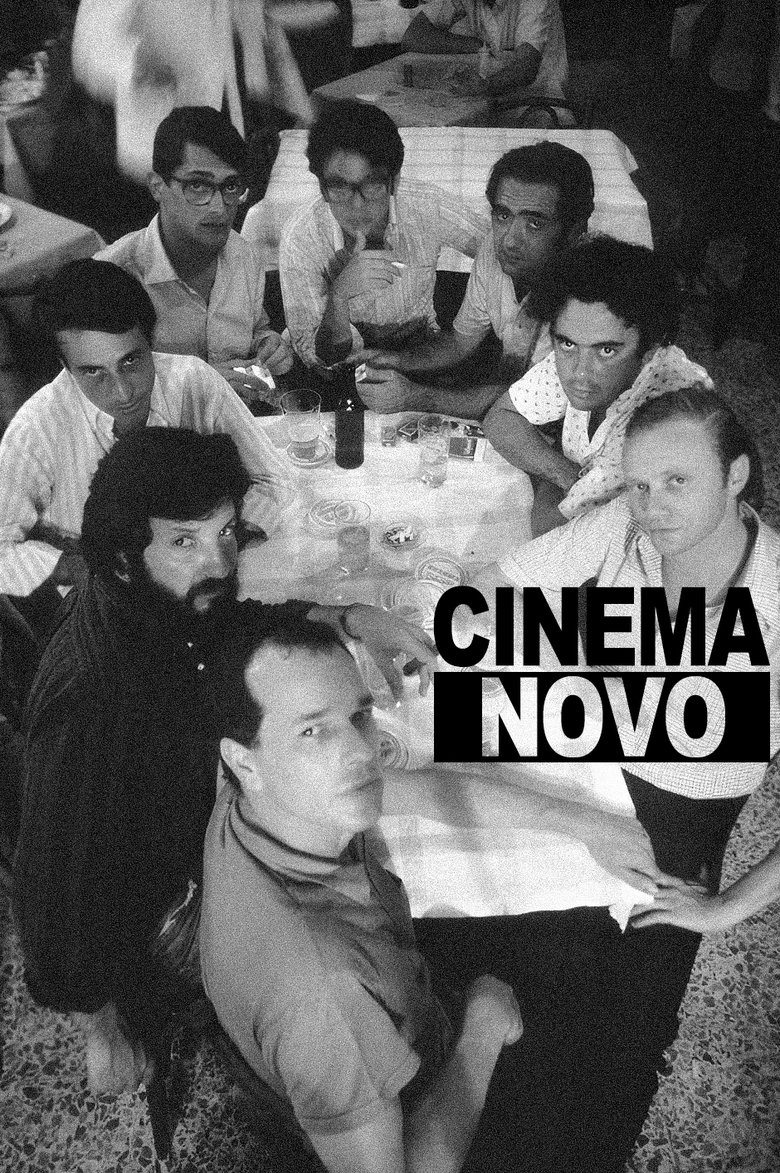
Improvised and Purposeful: Cinema Novo
Originally produced for German TV, Improvised and Purposeful is a firsthand look at the "Cinema Novo" movement (otherwise known as the 'Brazilian New Wave'). Director Joaquim Pedro de Andrade focuses on six Cinema Novo filmmakers working in Rio in 1967.

Photografaction
A film about remarkable moments in the History of Brazilian Photography, built through the eyes of Lauro Escorel. It also reflects on the impact of digital photography on contemporary society.
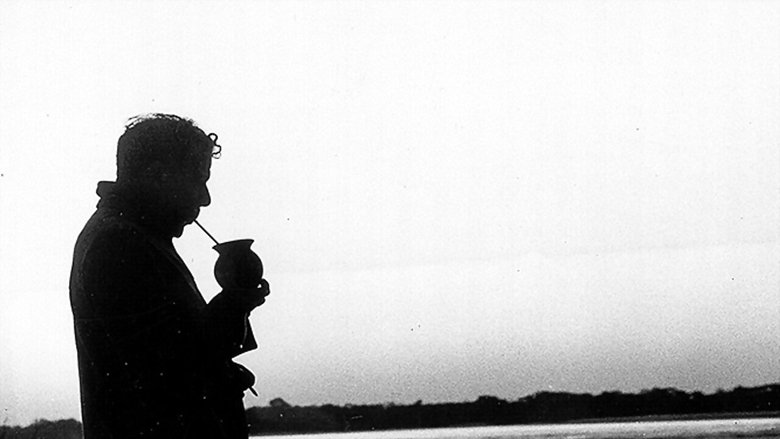
Dossiê Jango
João Goulart (known as Jango) had been democratically elected president of Brazil, but was expelled from office after the coup of April 1, 1964. After that, Jango lived in exile in Argentina, where he died in 1976. The circumstances of his death in the neighboring country were not well explained today. His body was buried immediately after his death, raising the suspicions of premeditated murder. This documentary brings the issue back to the fore and tries to publicly clarify some obscure facts of the history of Brazil.
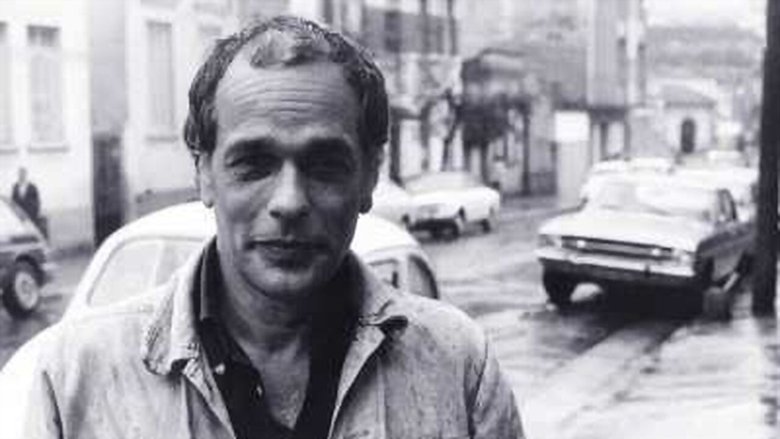
Nelson Pereira dos Santos – A Life of Cinema
For six decades, the cinema of Nelson Pereira dos Santos has projected Brazil into the eyes of the world. Precursor of Cinema Novo, Nelson was, more than a director, he was an ideologue, a thinker of his country.

Roberto Farias - Memórias de um Cineasta
Filmmaker Roberto Farias' passion for cinema is revealed by his daughter Marise Farias through an intimate look, from childhood to his political, economic and cultural role in Brazilian Cinema. Through Roberto Farias himself and friends such as Luís Carlos Barreto, Cacá Diegues and Zelito Viana, the film tells the stories of the director who achieved a direct dialogue with the public through successes such as O Assalto ao Trem Pagador (1962), the trilogy with singer Roberto Carlos (1968 to 1971) and Pra Frente Brasil (1982). Texts from an unpublished book of memories are interpreted by his brother, actor Reginaldo Faria.
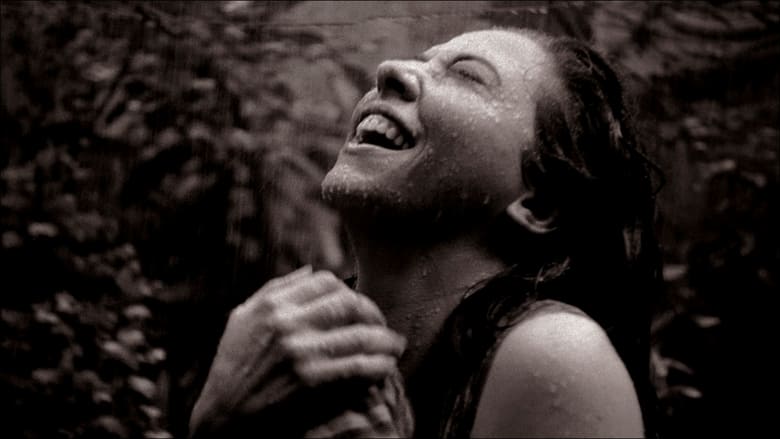
Cinema Novo
A deep investigation, in the way of a poetic essay, on one of the main Latin American movements in cinema, analyzed via the thoughts of its main authors, who invented, in the early 1960s, a new way of making movies in Brazil, with a political attitude, always near to people's problems, that combined art and revolution.
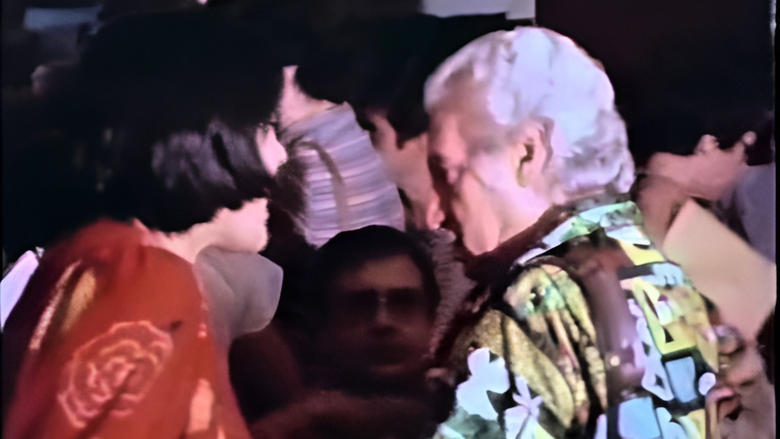
Jorge Amado no Cinema
Jorjamado no Cinema foi feito para um programa de televisão consagrado ao escritor Jorge Amado. Nesse documentário, Jorge Amado é filmado em sua casa, rodeado por sua numerosa família; numa livraria, durante uma sessão de autógrafos de um de seus livros, em um cinema em Salvador, na avant-première do filme Tenda dos Milagres, de Nelson Pereira dos Santos, adaptação do livro homônimo de Jorge Amado. Glauber filma seu amigo com muito humor e carinho. A câmera vai evoluindo lentamente, sem cessar e com rapidez sobre o escritor, seus familiares, atores e atrizes do filme de Nelson, além de passar por objetos de rituais de candomblé que constituem o museu de Jorge Amado.
Filmography
as Self
as Self (archive footage)
as Ele mesmo
as Self
as Himself
as Self
as Self
as Self
as Self
as Self
as Self - Film Producer (archive footage)
as Self
as Self
as Self
as Self
as Himself
as Ele mesmo
as Self