

Luiz Carlos Lacerda
Directing
Biography
Luiz Carlos Lacerda de Freitas (Rio de Janeiro, July 15, 1945) is a Brazilian film director known for For All: Springboard to Victory (1997), Leila Diniz (1987) and O Princípio do Prazer (1979).
Born: July 15, 1945
Place of Birth: Rio de Janeiro, Rio de Janeiro, Brazil
Known For

Minha Vida Em Suas Mãos
After being fired from his job and have his unemployment insurance money robbed, a young man decides to become a robber himself. While escaping authorities, he meets a female teacher of whom he takes hostage. Things get complicated when they fall in love with each other.

Lampião da Esquina: Lighting Up Brazilian Press
Inspired by the US paper “Gay Sunshine”, in April of 1978 appeared in Brazil – during the dictatorship – the newspaper “O Lampião”, depicting the point of view of gays on various issues, including sexuality. A group of journalists and writers from Rio de Janeiro and São Paulo joined the project, fueling a publication that paved the way for the press at the time, addressing controversial issues at the period, such as racism, abortion, drugs and prostitution.

Critic
Seventy critics and filmmakers discuss cinema around the conflict between the artist and the observer, the creator and the critic. Between 1998 and 2007, Kléber Mendonça Filho recorded testimonies about this relationship in Brazil, the United States and Europe, based on his experience as a critic.
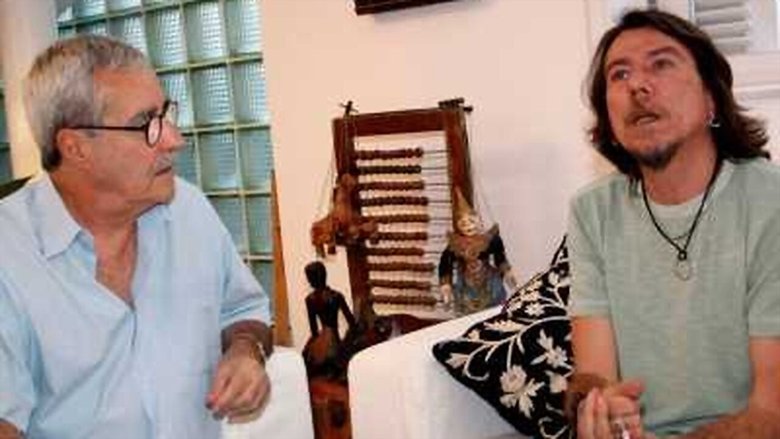
House 9
In the 1970s, in the midst of a military dictatorship, composer Jards Macalé and filmmaker Luiz Carlos Lacerda (Bigode) shared a house in Rio de Janeiro - which became a center of convergence for musicians, filmmakers and writers, and where they performed classic films and songs of Brazilian culture.
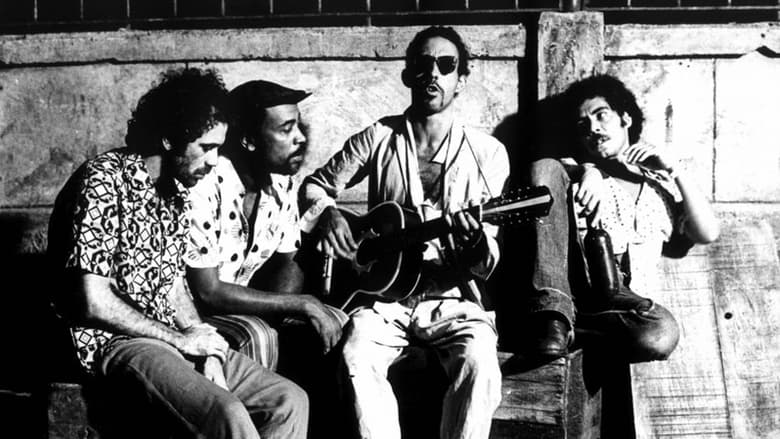
The Amulet of Ogum
An ubiquitous folk singer narrates the tale of a young boy, who apparently becomes immune to gunfire after his mother arranges for him to have an amulet bearing Ogum's blessings. As time goes by, he becomes a valuable member of a mobster's hit-team, but ends up joining a group of people who resist his original employers.
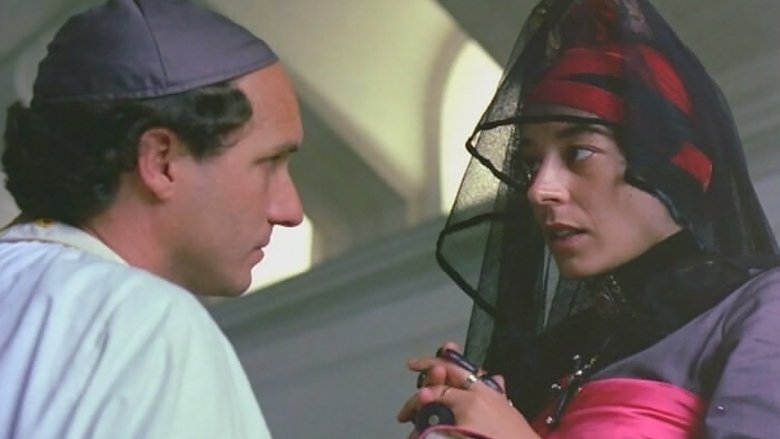
The Alienist
Father Simão Bacamarte arrives in the small town of Serafim to investigate a certain phenomenon of madness.

How Tasty Was My Little Frenchman
Brazil, 1594. The Tupinambás natives are friends of the French and their enemies are the Tupiniquins, friends of the Portuguese. A Frenchman is captured by the Tupinambás, and in spite of his trial to convince them that he is French, they believe he is Portuguese. The Frenchman becomes their slave, and maritally lives with Seboipepe.

República dos Assassinos
In 1970, the Esquadrão da Morte (Death Squad)' crimes for the refinement of violence provoked a wave of reactions throughout the country. The photos of the victims, adorned by the skull, symbol of the group, caused an uncomfortable indignation. This is the story of Mateus Romeiro, the most famous of the policemen, who was part of the Homens de Aço (Steelmen) group, one of the factions in which the squadron was divided.
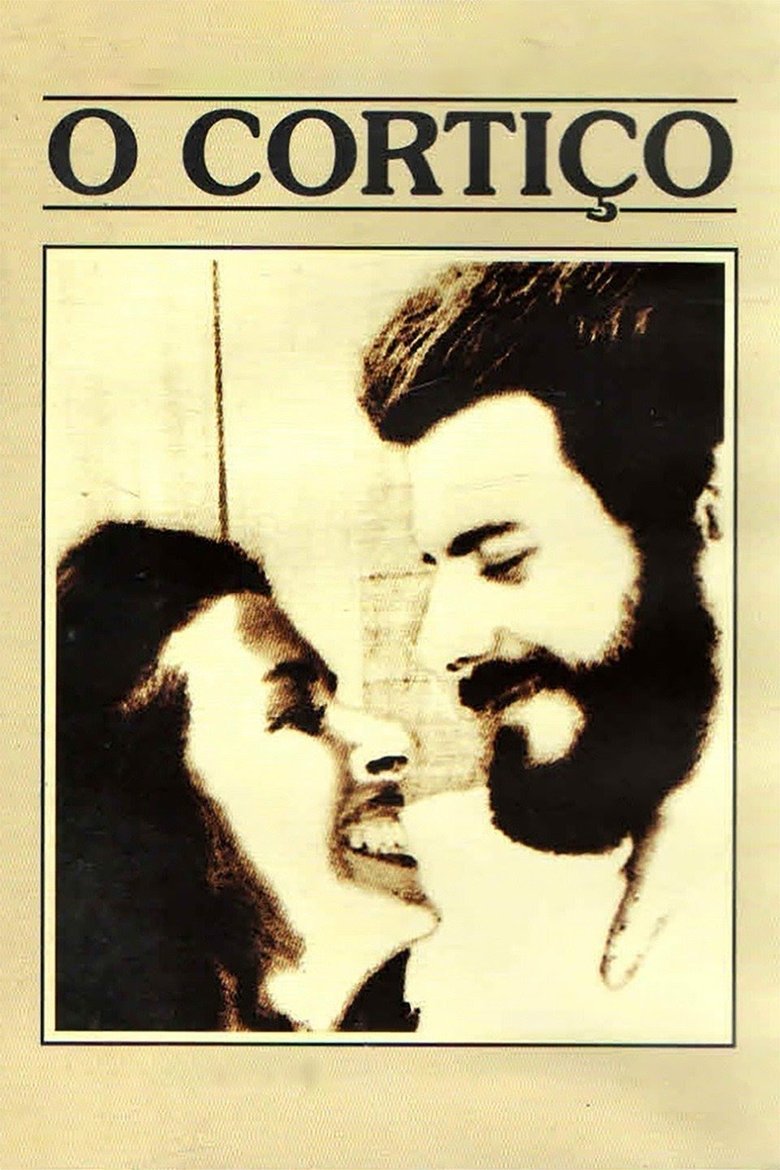
O Cortiço
This adaptation of a classic Brazilian novel focuses on the relations of charismatic characters within a tenement.
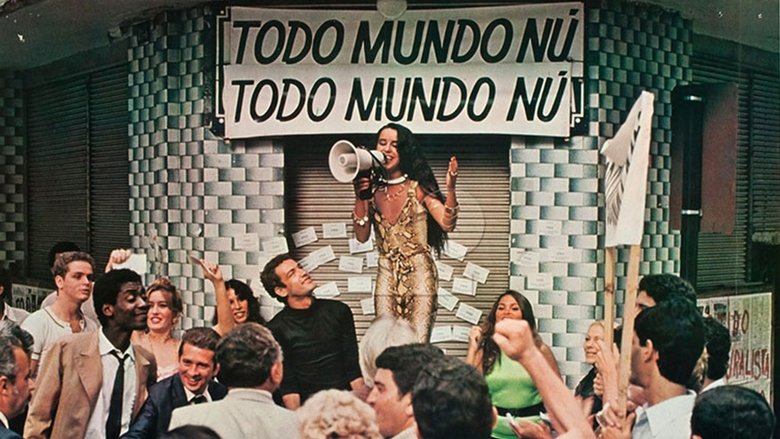
Luz del Fuego
Biography of a Brazilian dancer who lived on an island and practiced nudism when it was forbidden by law.
Filmography
as Self
as Self
as Himself
as Self
as Detetive
as Self
as Amigo de Emiliano
as Pastor
as Madame Moustache
as Recepcionista
as Self
as Madame Moustache
as Capitão francês