
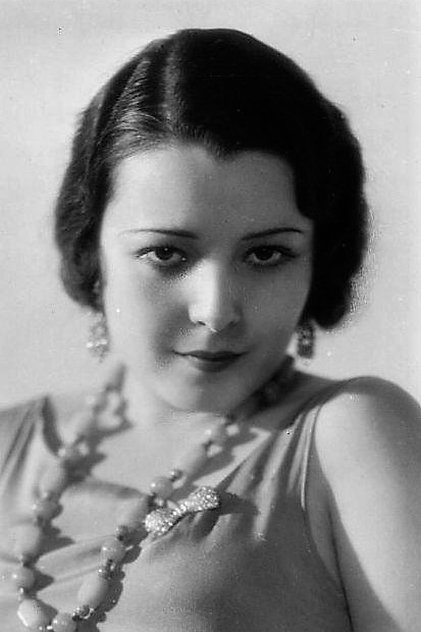
Lupita Tovar
Acting
Biography
Guadalupe Natalia Tovar, known as Lupita Tovar (July 27, 1910, Matías Romero Avendaño, Mexico - November 12, 2016, Los Angeles, California, USA), was a Mexican-American actress. Among her most important works as an actress, her participation in the films stands out: "Dracula", which was the Hispanic version of the original film and "Santa", considered the first sound film in Mexico.
Born: July 27, 1910
Place of Birth: Matias Romero, Oaxaca, Mexico
Known For

Vampires: Thirst for the Truth
A documentary that explores man's enduring fascination with the vampire legend by examining historical accounts, literary works, and as they are portrayed in film and television.
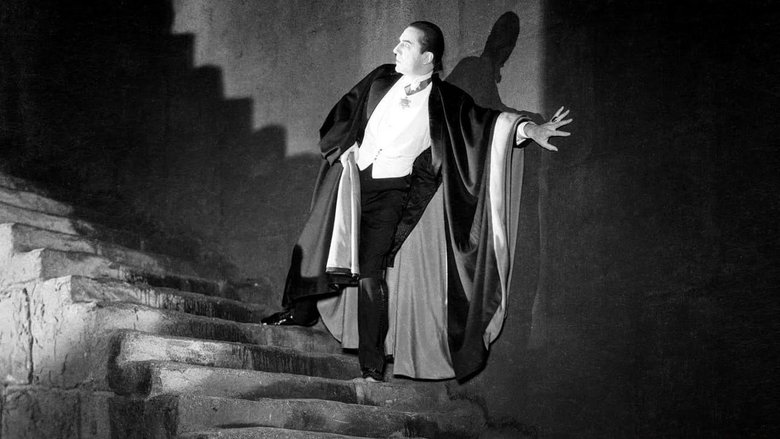
The Road to 'Dracula'
A documentary from Universal about the movie "Dracula" (1931) starring Bela Lugosi.
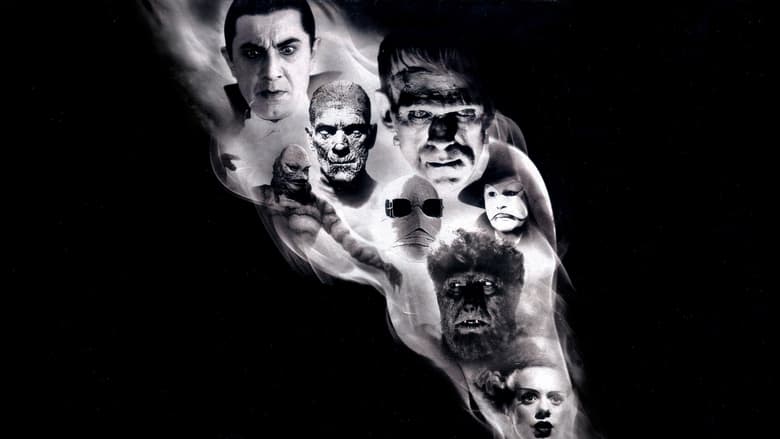
Universal Horror
A documentary about the era of classic monster movies that were made at Universal Studios during the 1930s and 1940s.
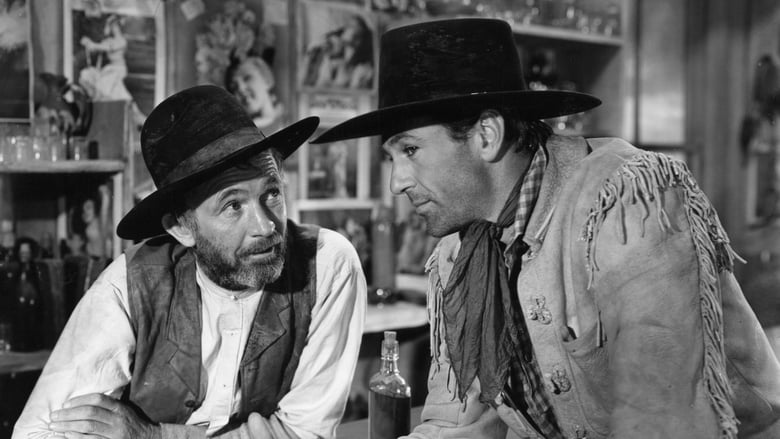
The Westerner
Drifter Cole Harden is accused of stealing a horse and faces hanging by self-appointed Judge Roy Bean, but Harden manages to talk his way out of it by claiming to be a friend of stage star Lillie Langtry, with whom the judge is obsessed, even though he has never met her. Tensions rise when Harden comes to the defense of a group of struggling homesteaders who Judge Bean is trying to drive away.
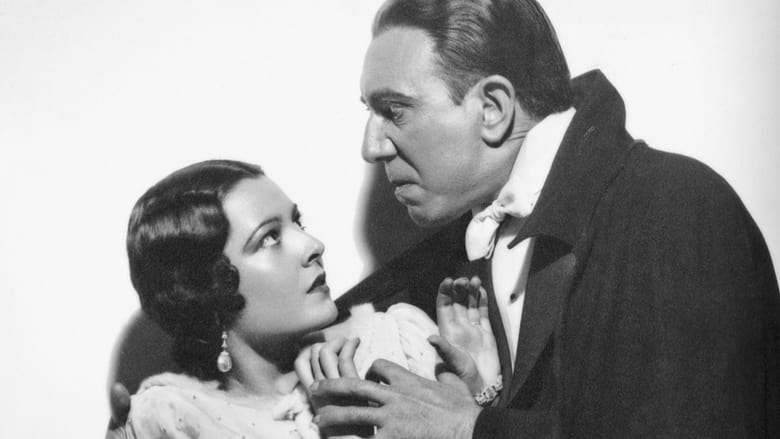
Drácula
A British estate agent travels to Transylvania to meet the mysterious Count Dracula, who is interested in leasing a London castle. After Dracula enslaves the agent and drives him to insanity, the pair return to London together, where Dracula, a secret bloodsucker, begins preying on socialites.

The Bronze Screen: 100 Years of the Latino Image in American Cinema
Documentary about the presence of Latin American culture and actors in American movies.
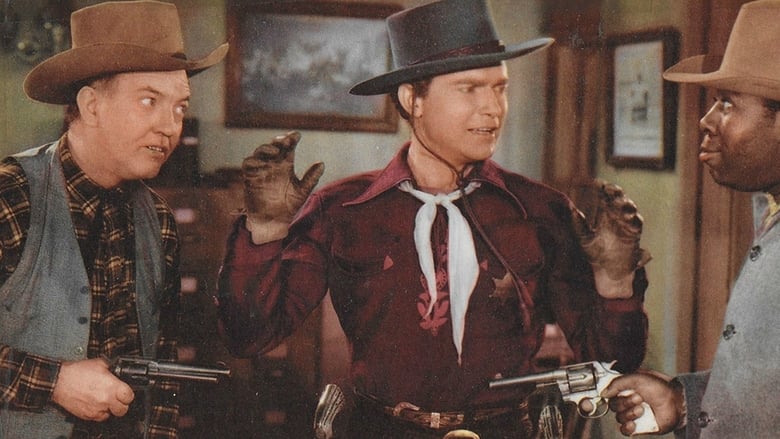
Two Gun Sheriff
A notorious outlaw is recruited by a cattle buyer, secret boss of a gang of cattle rustlers, to impersonate the town sheriff, who is the outlaw's twin brother; and complications ensue, as the sheriff, now a hostage, is on the eve of his marriage while the outlaw's cantina-dancer girlfriend has followed him to town and is at risk of exposing him.
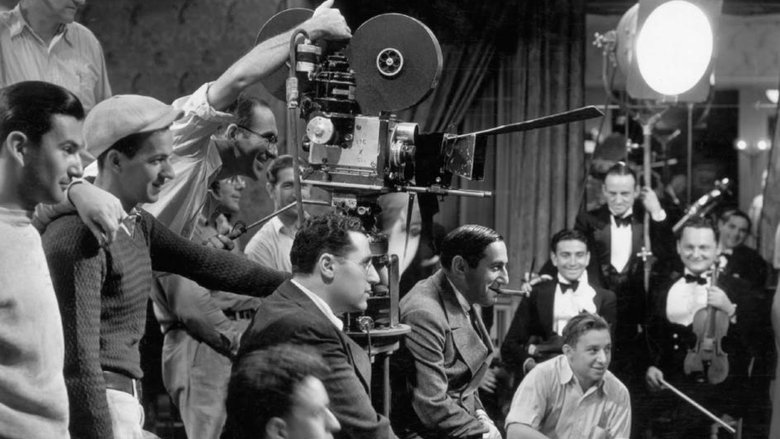
Cinema's Exiles: From Hitler to Hollywood
Eight hundred German filmmakers (cast and crew) fled the Nazis in the 1930s. The film uses voice-overs, archival footage, and film clips to examine Berlin's vital filmmaking in the 1920s; then it follows a producer, directors, composers, editors, writers, and actors to Hollywood: some succeeded and many found no work. Among those profiled are Erich Pommer, Joseph May, Ernst Lubitsch, Fritz Lang, Billy Wilder, and Peter Lorre. Once in Hollywood, these exiles helped each other, housed new arrivals, and raised money so others could escape. Some worked on anti-Nazi films, like Casablanca. The themes and lighting of German Expressionism gave rise in Hollywood to film noir.
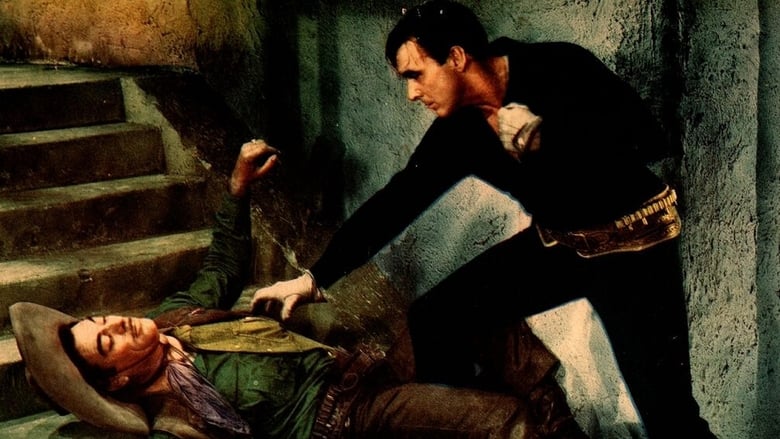
The Fighting Gringo
A gunfighter and his partners clear a Spanish rancher charged with murder.
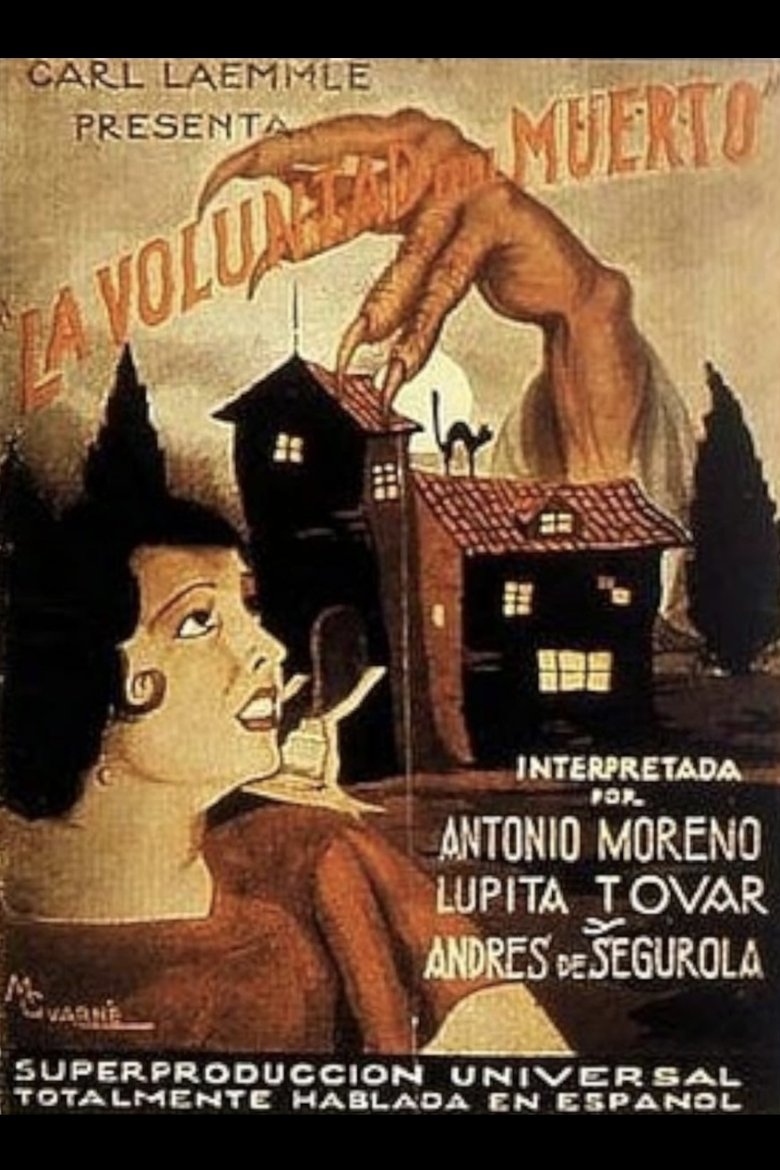
The Will of the Dead Man
This is the Spanish-language version of The Cat Creeps, shot at the same time and on the same sets.
Filmography
as Self - Interviewee
as Self
as Self - Interviewee
as Dolores Bragga
as Dolores Diego
as Nadia Fedorova
as Nita
as Teresita (uncredited)
as Native Girl
as Dolores Mendoza
as Maria Scipio
as Anita del Campo
as Rosario
as Palm Reader
as Woman (archive footage) (uncredited)
as Lupita Melez
as Marcela
as Santa
as Tonita
as Neila
as Drothy O'Neil
as Eva
as Anita
as Bit Part
as Young Girl