
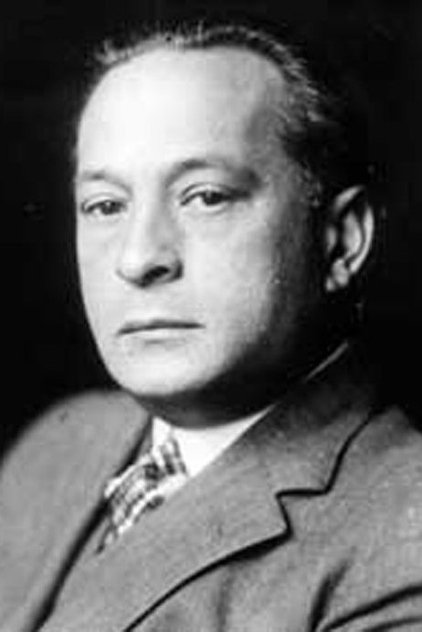
Lupu Pick
Acting
Biography
Lupu Pick was born on January 2, 1886 in Iasi, Iasi, Romania as Lupu Ludwig Pick. He was an actor and director, known for Die tolle Heirat von Laló (1918), Tötet nicht mehr (1920) and Marionetten der Leidenschaft (1919). He was married to Edith Posca. He died on March 7, 1931 in Berlin, Germany.
Born: January 2, 1886
Place of Birth: Iași, Romania
Known For
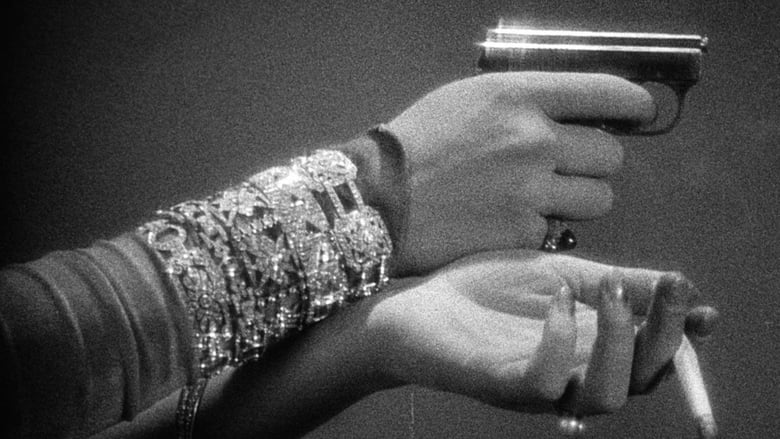
Spies
The mastermind behind a ubiquitous spy operation learns of a dangerous romance between a Russian lady in his employ and a dashing agent from the government's secret service.
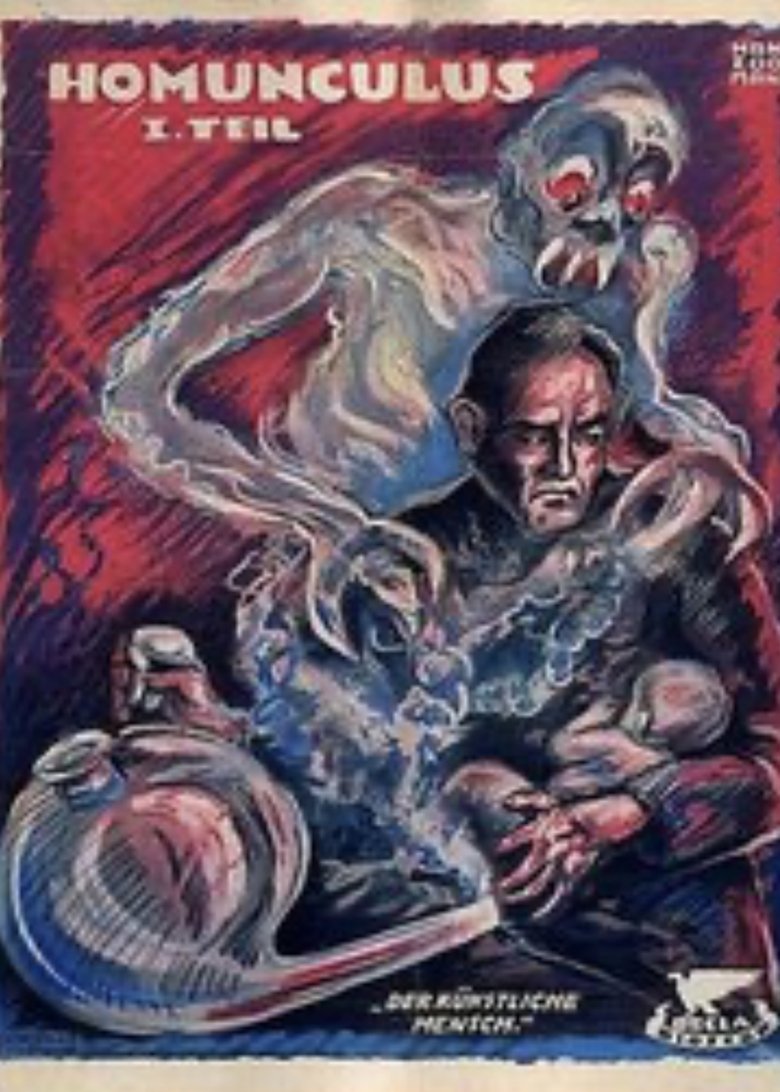
The Artificial Man
Part of the artificial-creature series encompassing Der Golem (1914 and 1920), Alraune (1918, 1928, 1930) and Metropolis (1926), 'Homunculus' was the most popular serial in Germany during World War I even influencing the dress of fashionable Berlin. Foenss, a Danish star, is the perfect creature manufactured in a laboratory by Kuehne. Having discovered his origins, that he has no 'soul' and is incapable of love, he revenges himself on mankind, instigating revolutions and becoming a monstrous but beautiful tyrant, relentlessly pursued by his creator-father who seeks to rectify his mistake.
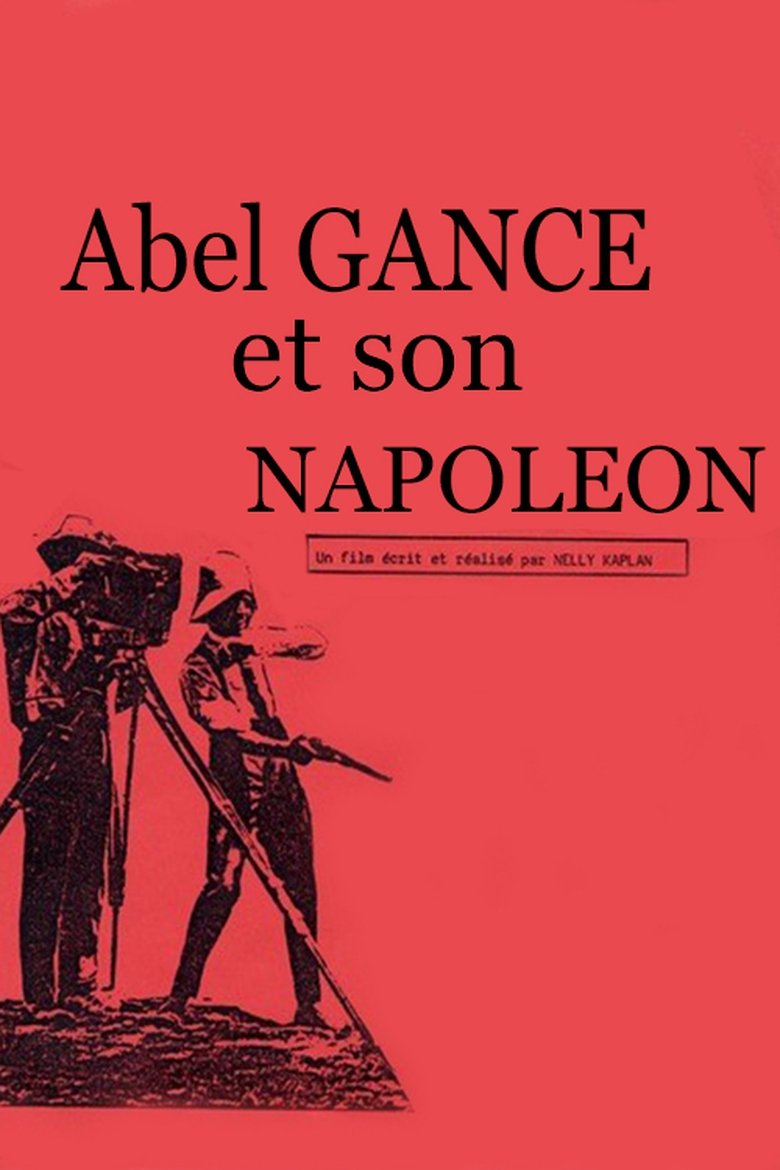
Abel Gance et son Napoléon
This documentary focuses on the making of the 235-minute, silent epic Napoleon, the masterpiece of French director/writer/actor Abel Gance. Napoleon showcased Gance's talents with the camera, his use of multiple-images (like a split screen), and his handling of crowded action scenes -- all brought forward in this documentary by his later assistant, Nelly Kaplan. While Gance was shooting Napoleon in 1925-26, he and his crew were also being filmed for a documentary titled Autour de Napoleon. The only extant reels from that documentary are included in this film, as well as views of Gance's unique "triptychs" -- three different scenes lined up side-by-side across a super-wide screen to convey the effect of a panorama, or of three separate interludes. Nelly Kaplan put together this documentary using old footage, such as Gance filming the famous snowball fight at the Brienne military school and still photographs and excerpts from Gance's production diaries.
Tales of Hoffmann
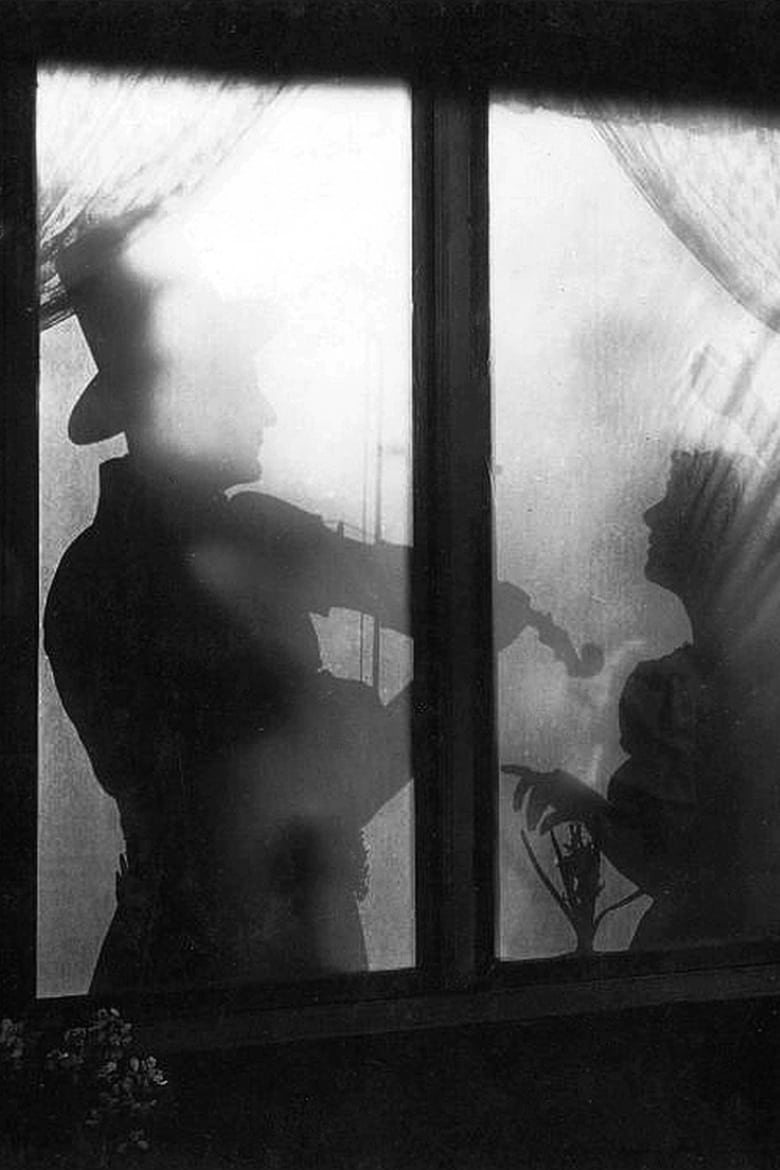
This movie, directed by Richard Oswald, is based on the operetta "Les contes de Hoffmann" by Jacques Offenbach (1819-1880), which is a genial musical potpourri from various short stories and novels by the Prussian writer, composer, painter, lawyer and judge E.T.A. Hoffmann (1776-1822). While Hoffmann's literary work was longtime considered to be merely fantastical, it was finally researched, in the last years, according to its metaphysical background. Characteristic for Hoffmann's work is his life-long fight against rationalism and for the revelation of nature morte, culminating mostly in carnival-like scenes anticipating literary techniques only described in the works of Bachtin and Bachelard.
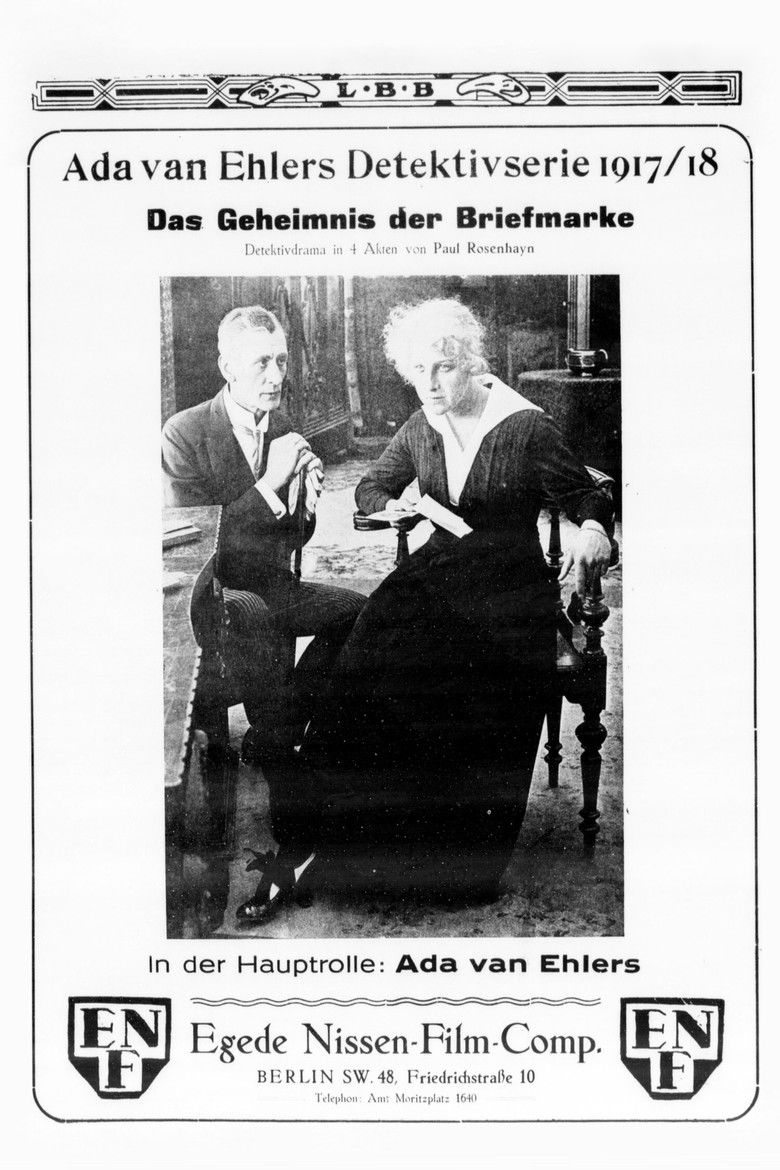
Das Geheimnis der Briefmarke
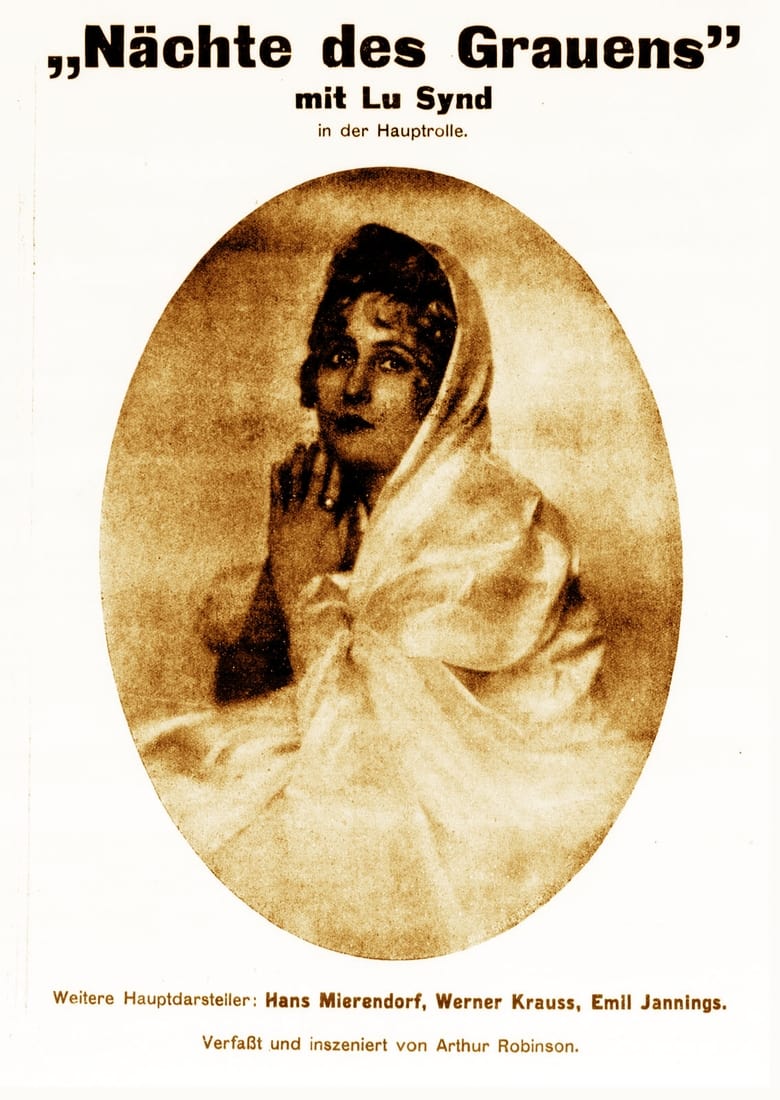
A Night of Horror
An extremely jealous artist slips into a monkey costume and kills all those men who come too close to his wife, another artist.
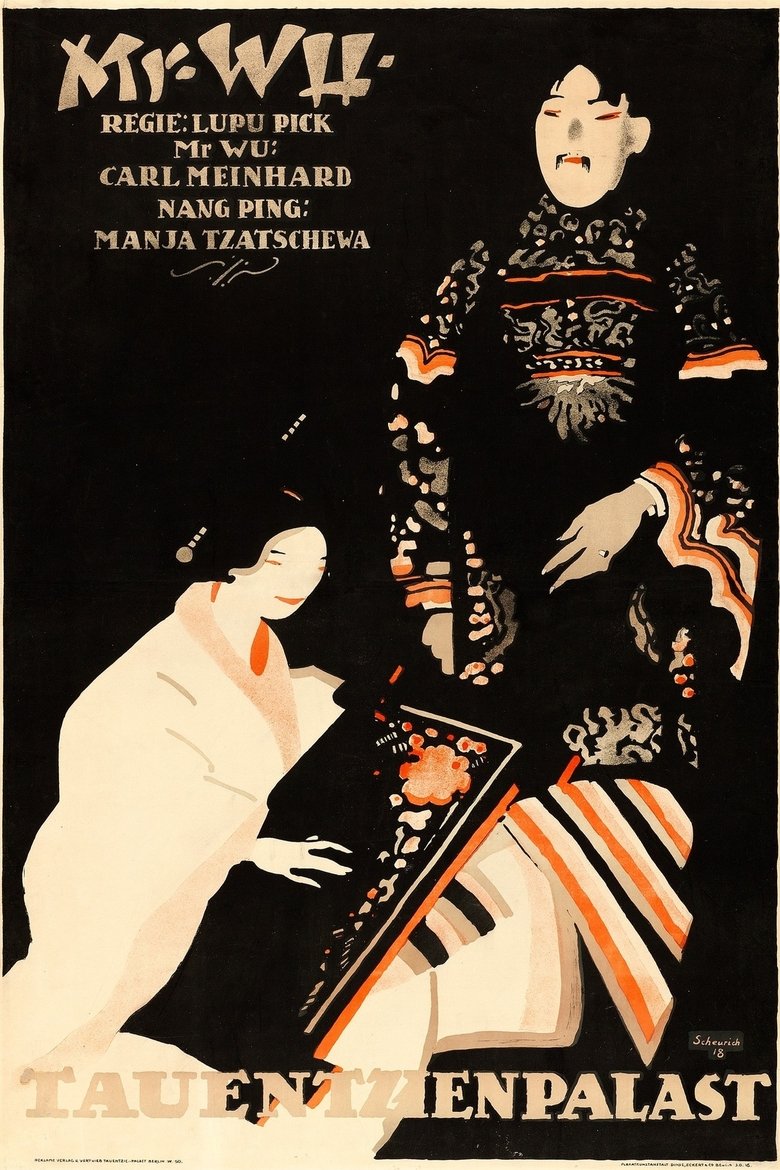
Mr. Wu
Operette-like oriental fantasy about a forbidden love between en english boy and a chinese girl.
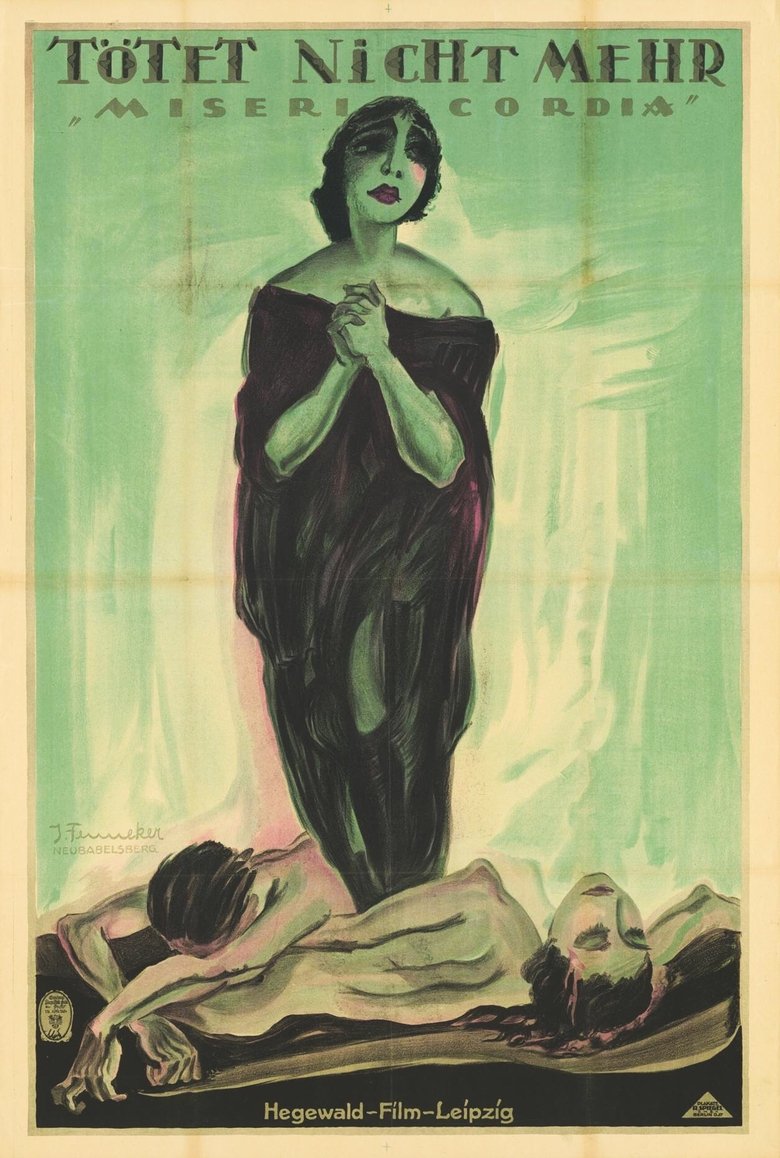
Kill No More!
The director and co-writer Lupu Pick plays musician Erik Paulsson, who loses his beloved son after a peaceful yet critical poetry reading is raided by the tsarist forces. Paulsson, beside himself with grief, kills the officer responsible and is sentenced to life, which will mean 18 years in prison before he is free again. While he is inside, by a strange quirk of fate, his daughter Karin falls in love with writer Sebald Brückner, the son of the state prosecutor, who indicted Paulsson and is a staunch advocate of the death penalty. The conflict between the fathers does not impair the relationship of the young couple. However, when Sebald’s long-desired success on the stage is threatened by a vengeful theatre director who had sexually harassed Karin, he is enraged and kills the other man in a fight. The prosecutor now must face the blow of losing his own son to the death penalty.
The Uncanny House
A young unemployed man gets a job as a private secretary by chance. A good salary, a first-class apartment - but things are not going right in his new residence. Notes warn him, a beautiful woman appears in the mirror, valuable documents disappear from the tightly locked safe.
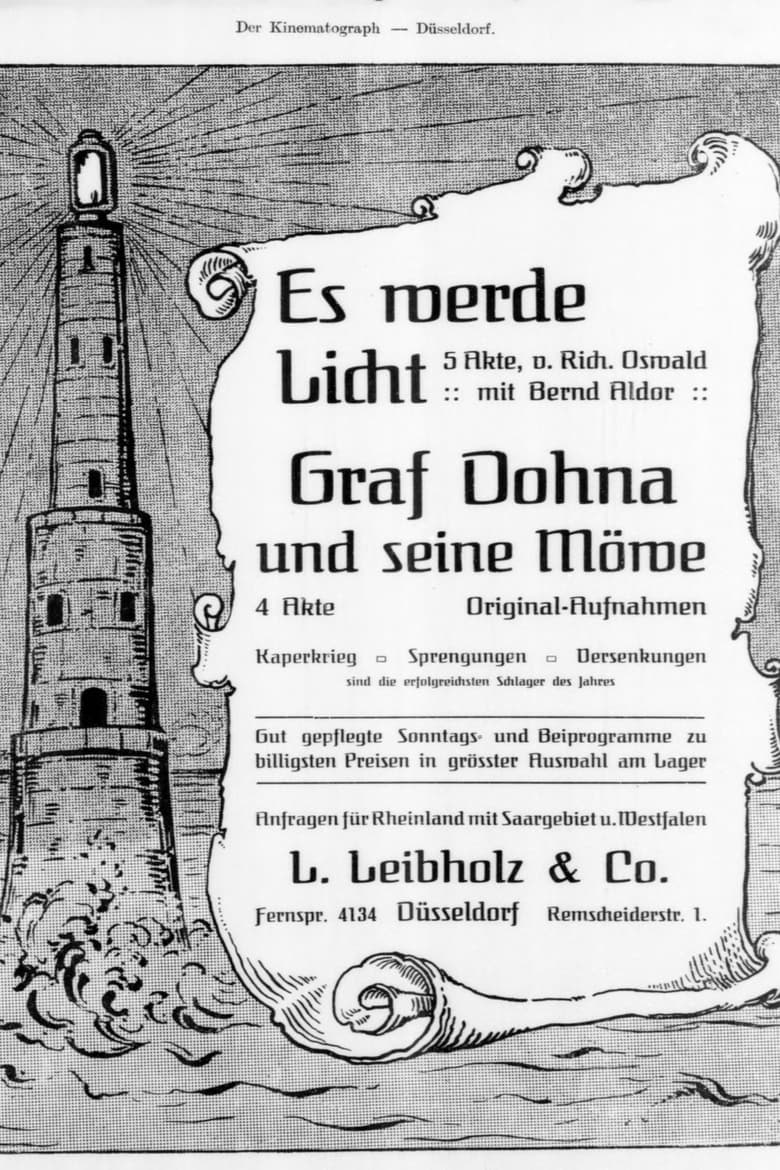
Es werde Licht!
A painter with syphilis infects his brother's wife and the child born of their affair.
Filmography
as Self (archival footage)
as Dr. Masimoto
as Reisender (uncredited)
as Doktor Tomari
as Erik Paulsson
as Dr. Wengard
as Dr. Franzius
as Arthur Wüllner
as o. A.
as Spalanzani, Direktor eines Museums