
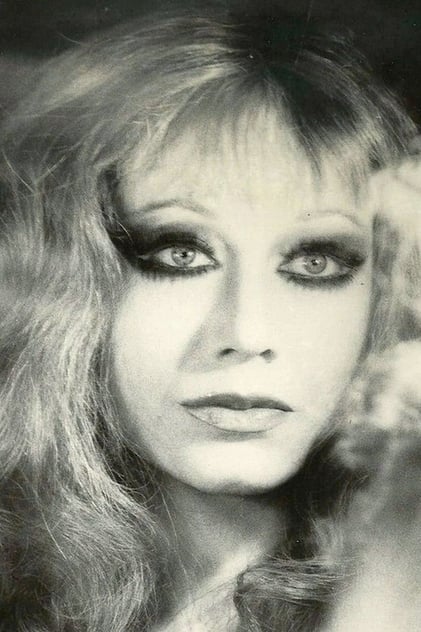
Lydia Mancinelli
Acting
Biography
Lydia Mancinelli is an Italian stage and screen actress, remembered above all for her long artistic and emotional association with Carmelo Bene .
Born: August 10, 1936
Place of Birth: Rome, Italy
Known For

One Hamlet Less
The Prince of Denmark, Hamlet, is little interested in family affairs and the fate of the kingdom, and not at all attracted by a doll-like Ophelia sucking his finger. Annoyed by his friend Horatio, who tells him of the apparition of his father's spectre that would like to drive him to revenge, and by Polonius, Ophelia's father, who psychoanalyses him by explaining the Oedipus complex, he imagines escaping to Paris with Kate, the leading actress of the company performing in Elsinore, to become a playwright.
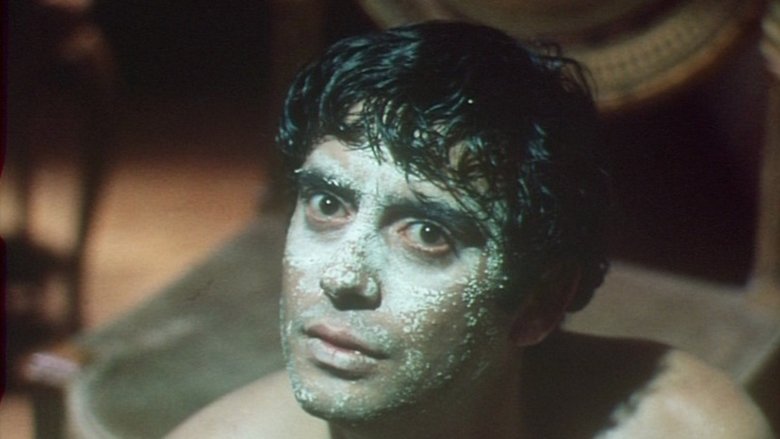
Hermitage
Hermitage, defined by Bene as "a rehearsal for lenses", beyond any literal rendition - its narrative trace comes from one of his anti-novels, Credito Italiano V.E.R.D.I - displays his immediate attitude to thinking a cinematic language completely based on actor's movements and actions, and more specifically, on his presence and his schemes. Camouflaged or naked, still or moving, his body seems to play and be played at the same time, shifted by objective and subjective tensions, both metaphorically and visually speaking.

BENE! Vita di Carmelo, la macchina attoriale
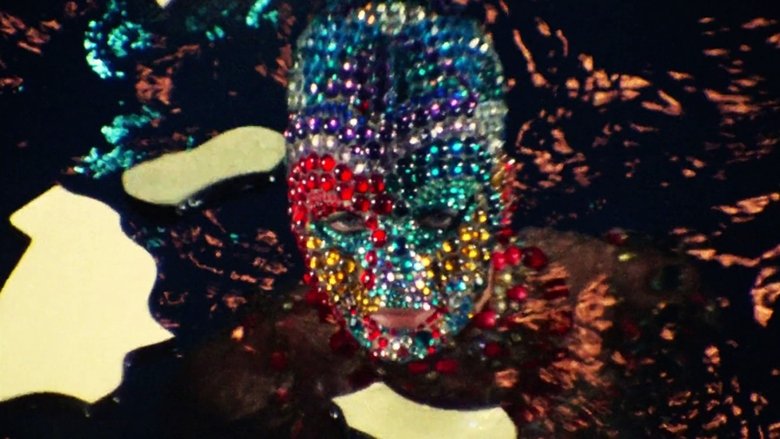
Salomé
Salome is the daughter of the second wife of King Herod. The King is infatuated with her and, after she fails to seduce the prophet John The Baptist, she dances for the King in order to ask for his execution.
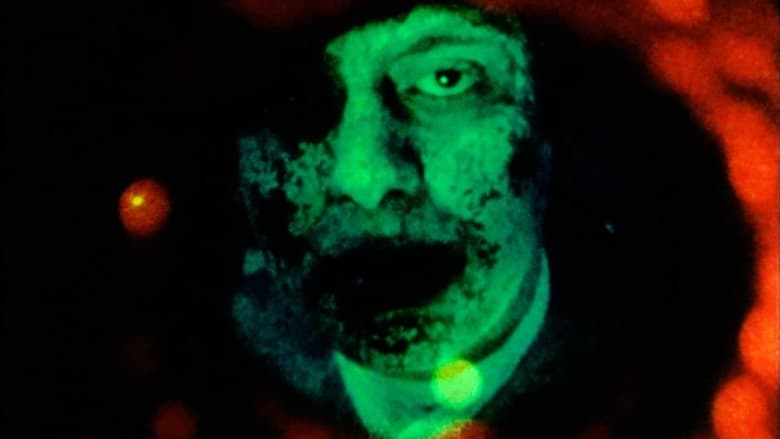
Our Lady of the Turks
To the protagonist, an intellectual so feverish that he seems pathologically unrecoverable, a confused memory resurfaces of a massacre carried out by the Turks in Otranto. Immersing himself in one of the victims, in the unconscious desire to eviscerate himself, a woman appears to him, Margherita, who, in the guise of Santa Maria d'Otranto, treats him with compassionate love. In the hallucinating succession of memories intertwined with historical events, the protagonist finds himself in contact with his environment, his land, his country.

Amleto di Carmelo Bene (da Shakespeare a Laforgue)
An experimental video variation on Shakespeare's Hamlet.

Night Ripper
A string of sex murders has been plaguing Florence for almost 15 years, in which a serial killer brutally murders couples who are sneaking "a quickie" in public areas. A writer who is doing research for a book about the crimes sets out to uncover the identity of the killer, aided by his beautiful girlfriend. Based on a true story.
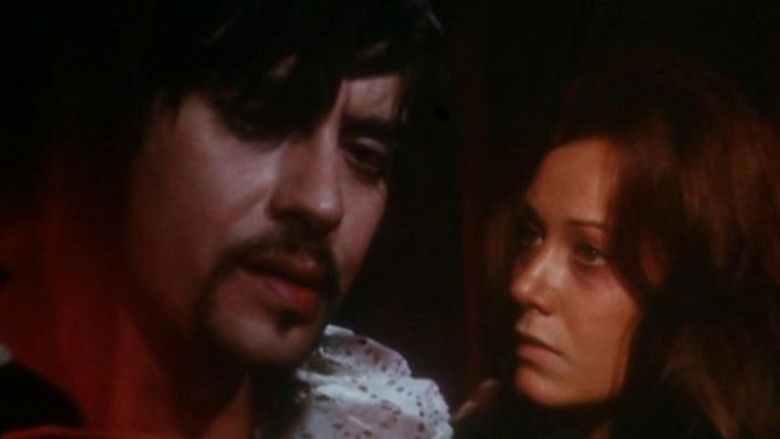
Don Giovanni
In this a baroque and claustrophobic take on Mozart’s opera of the same name, Don Giovanni tries to seduce a girl who is manically searching for Christian icons. Loosely based on Jules Barbey d'Aurevilly's short story "The Greatest Love of Don Juan".
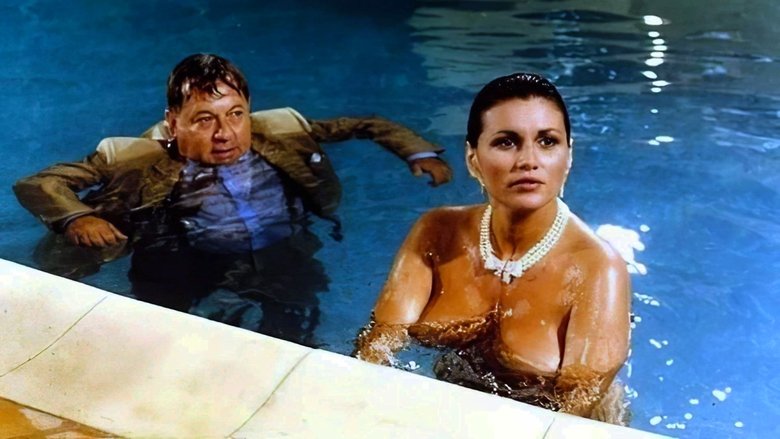
Rimini Rimini
Funny, entertaining comedy with a few storylines. All of them have one thing in common - a resort town of Rimini in Italy.

Bis
In 1966, Bene presented The Pink and the Black, his successful theatrical adaptation of Matthew Gregory Lewis’ lurid Gothic novel from 1796. Experimental filmmaker Paolo Brunatto filmed some of the play’s rehearsals in a Rome apartment (also frequented also by the Living Theatre). Bene's artistry is encapsulated in one sentence: “One cannot continue to prostitute the idea of theatre, which stands only for a magical, brutal link with reality."
Filmography
as signora Donadoni
as Madre del Mostro
as Duchessa di York
as Kate
as Ventriloqua
as Erodiade
as Mother
as Saint Margareth
as The Woman