
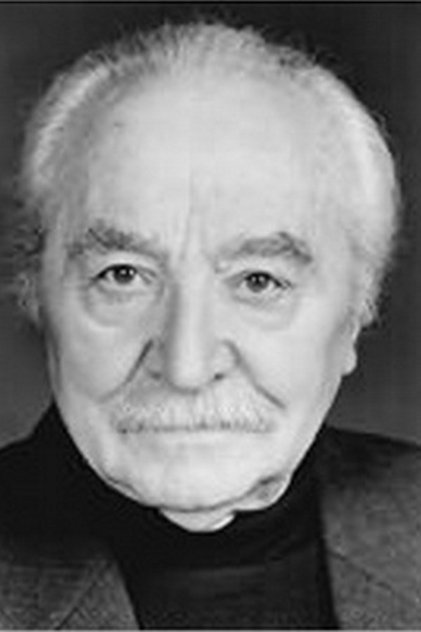
Maciej Maciejewski
Acting
Biography
No biography available for Maciej Maciejewski.
Born: October 1, 1914
Known For
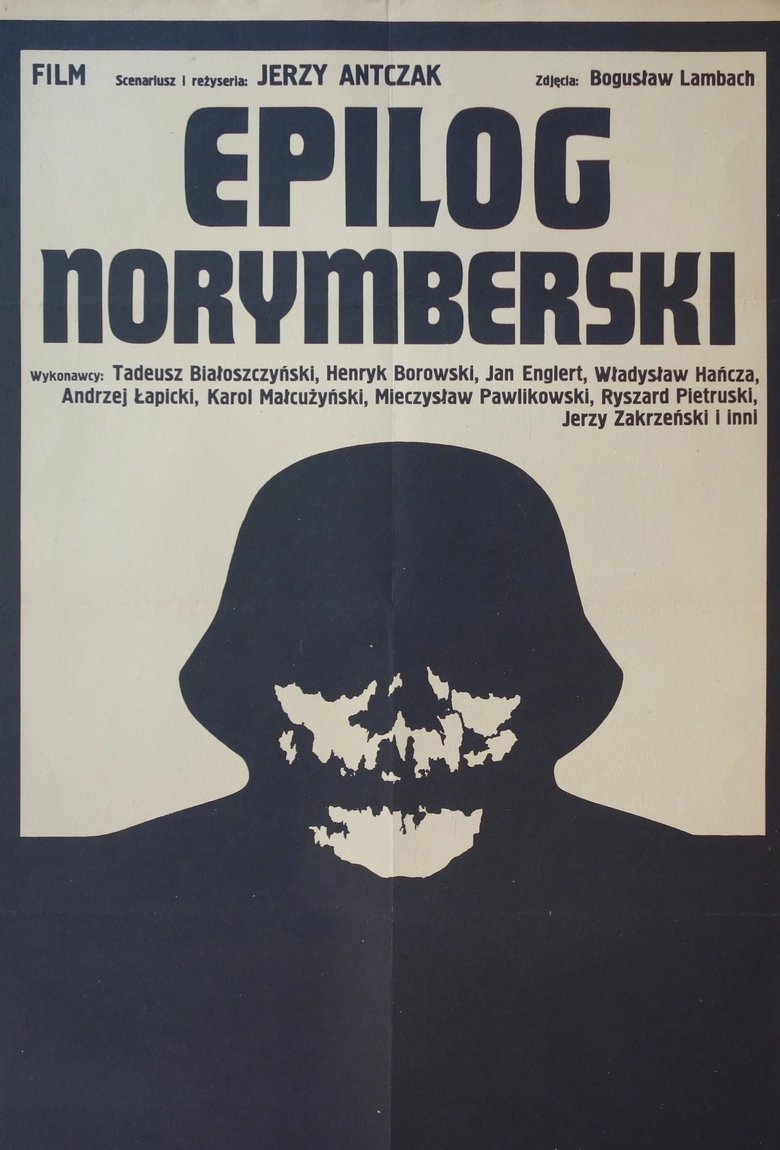
Nuremberg Epilogue
Reproduction of the Nuremberg trials using transcripts, made for Polish TV.
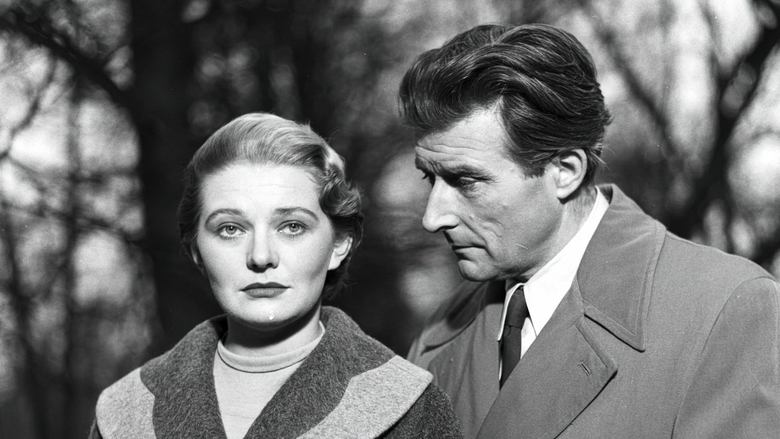
The Real End of the Great War
Róża marries a promising young architect, Juliusz. Then World War II breaks out and within weeks Juliusz is deported to a concentration camp. Months, and then years go by, until Róża abandons any hope that her husband might return. She meets and falls in love with another man, and tries to put her life back together, but one day, unexpectedly, Juliusz does return - a shattered, mere ghost of his former self, physically crippled and tormented by memories of the camps. First out of duty, then out of pity, Róża starts to care for him, but her feelings slowly are transformed into a kind of revulsion
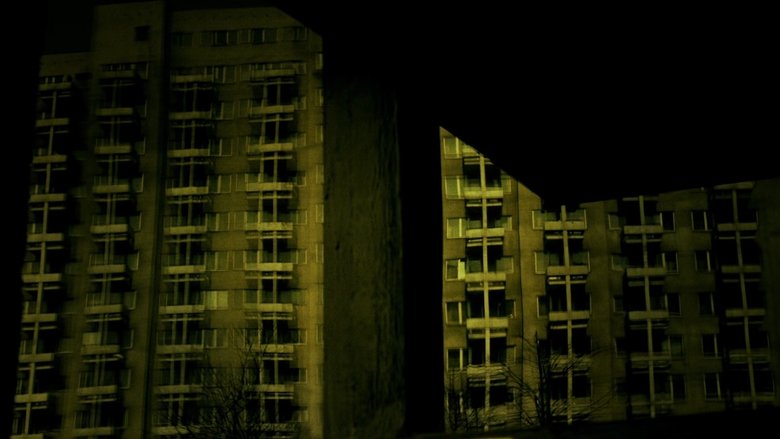
Dekalog
Dekalog (pronounced [dɛˈkalɔk]) is a 1989 Polish drama television miniseries directed by Krzysztof Kieślowski and co-written by Kieślowski with Krzysztof Piesiewicz, with music by Zbigniew Preisner. It consists of ten one-hour films, inspired by the decalogue of the Ten Commandments for thematic inspiration and an overarching structure, grapple deftly with complex moral and existential questions concerning life, death, love, hate, truth, and the passage of time. Each installment explores characters facing one or several moral or ethical dilemmas as they reside in an austere housing project in 1980s Poland, whose lives become subtly intertwined as they face emotional dilemmas that are at once deeply personal and universally human.
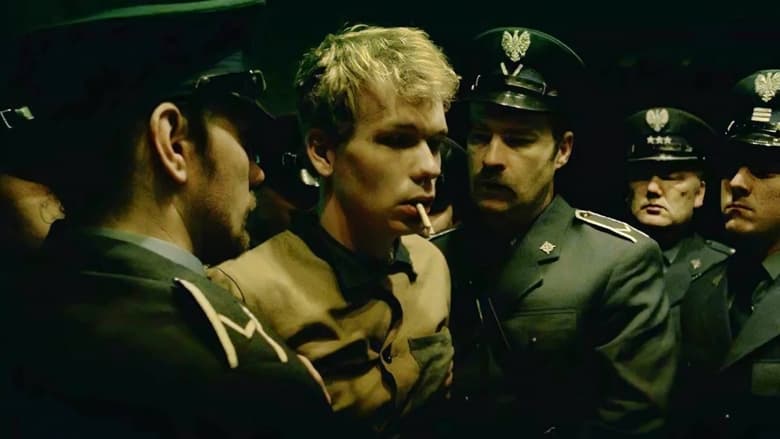
Decalogue V
Jacek, an angry drifter, murders a taxi driver, brutally and without motive. His case is assigned to Piotr, an idealistic young lawyer who is morally opposed to the death penalty, and their interactions take on an emotional honesty that throws into stark relief for Piotr the injustice of killing of any kind.
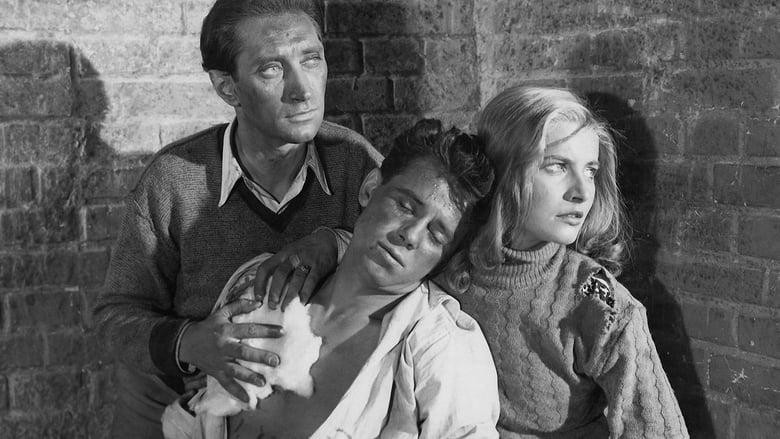
Kanal
In the last few days of the Warsaw Uprising during World War II, a modest group of Resistance members remains. The band must take refuge in the sewers under the orders of leader Zadra, but it's only a matter of time before they will have to emerge. However, when they try, they are met only with intense hostility from the Nazis. Despite their attempts stay resolute through immense mental strain, it becomes increasingly apparent that they may be doomed.

Życie na gorąco
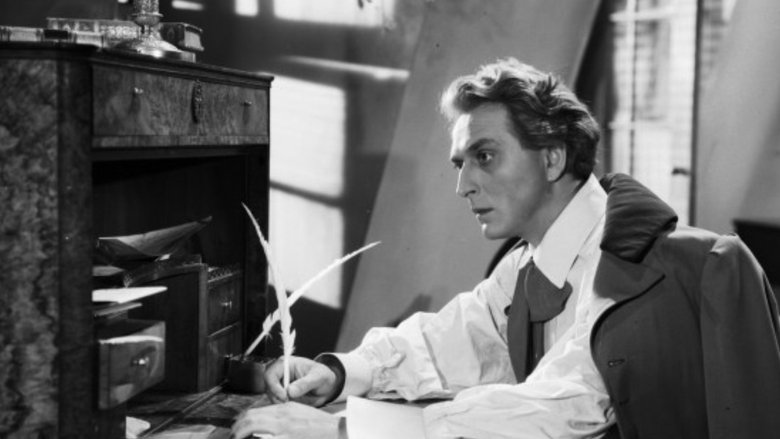
Young Chopin
Young Frederic Chopin comes of age during a tumultous time in Polish history.
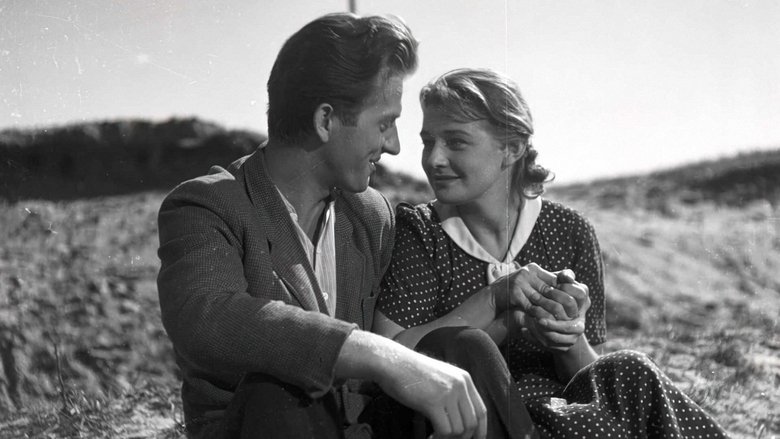
Under the Phrygian Star
Communist Szczęsny juggles between his revolutionary activities and love to a fellow party member Madzia in this sequel to "Cellulose".
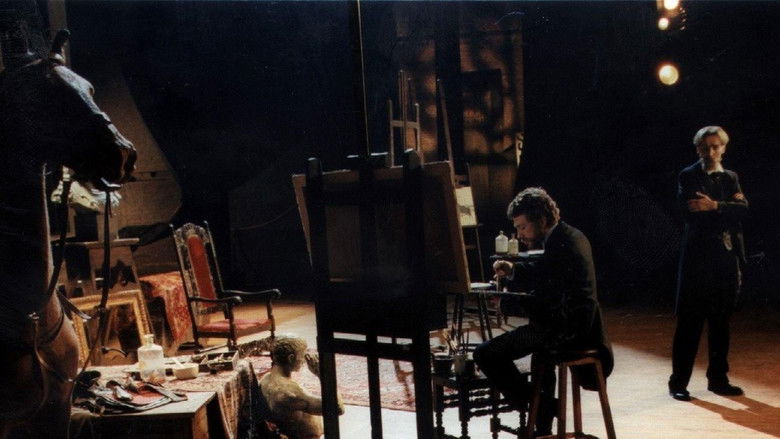
Our God's Brother
In this adaptation of an historical play by Pope John Paul II, painter Albert Chmielowski decides to devote his life to helping the homeless.
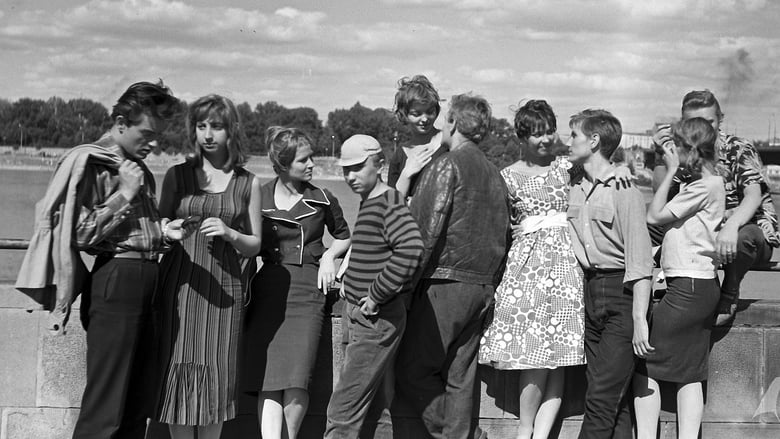
The Moonwalkers
A group of street thugs assault a man, causing temporary blindness. One of them, Romek has a change of heart after this incident and decides to turn against his former friends.
Filmography
as Piotr Zieliński, przyjaciel Stefana Czernika
as Procurator
as Prosecutor
as [obsada aktorska]
as Stanisław Majewski, pracownik GKBZH, przyjaciel Maja
as Horn
as Archeologist (voice)
as Mansfred / Barkeeper
as Teacher
as Zwolski
as Kurowski
as Foreman
as Lieutenant "Gustaw"
as Czepiec
as Tomczewski
as Chief of Staff
as Narrator (voice)
as Slavic Violinist