
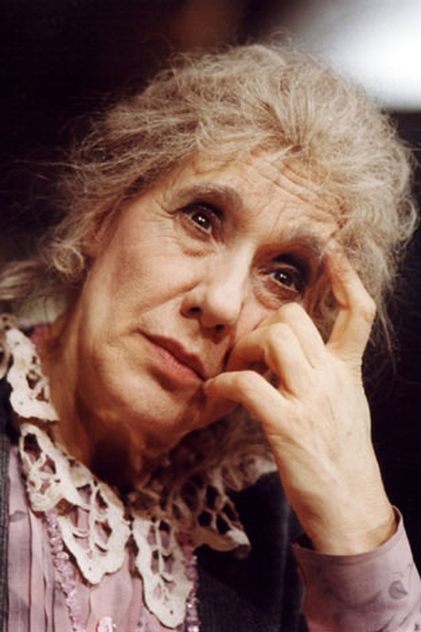
Maja Komorowska
Acting
Biography
No biography available for Maja Komorowska.
Born: December 23, 1937
Place of Birth: Warsaw, Poland
Known For
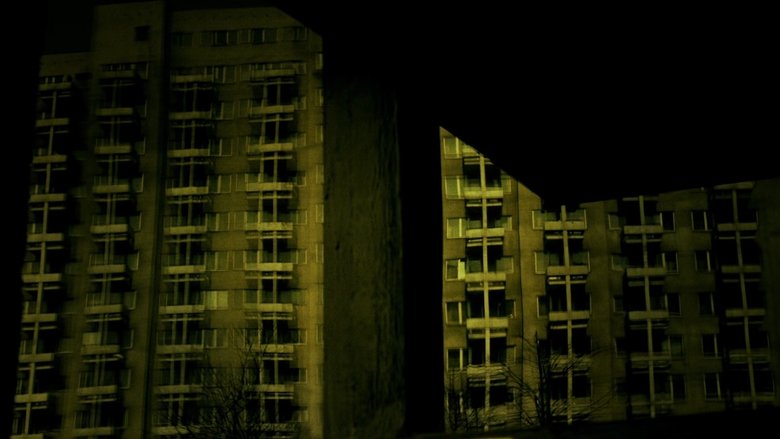
Dekalog
Dekalog (pronounced [dɛˈkalɔk]) is a 1989 Polish drama television miniseries directed by Krzysztof Kieślowski and co-written by Kieślowski with Krzysztof Piesiewicz, with music by Zbigniew Preisner. It consists of ten one-hour films, inspired by the decalogue of the Ten Commandments for thematic inspiration and an overarching structure, grapple deftly with complex moral and existential questions concerning life, death, love, hate, truth, and the passage of time. Each installment explores characters facing one or several moral or ethical dilemmas as they reside in an austere housing project in 1980s Poland, whose lives become subtly intertwined as they face emotional dilemmas that are at once deeply personal and universally human.
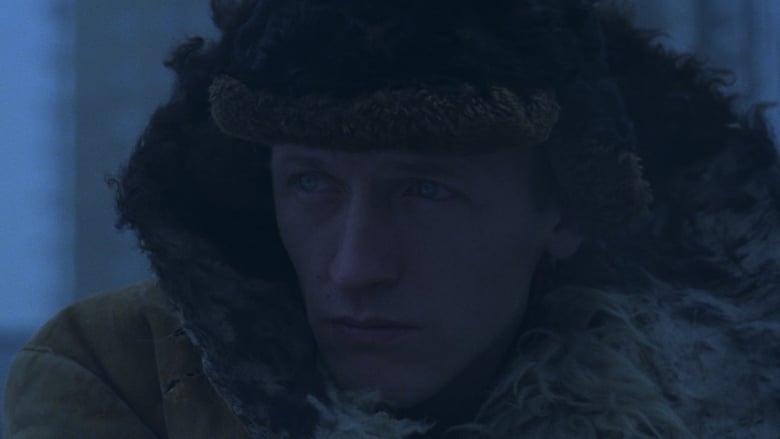
Decalogue I
Krzysztof, a semantics professor and computer hobbyist, is raising his young son, Paweł, to look to science for answers, while Irena, Paweł’s aunt, lives a life rooted in faith. Over the course of one day, both adults are forced to question their belief systems.
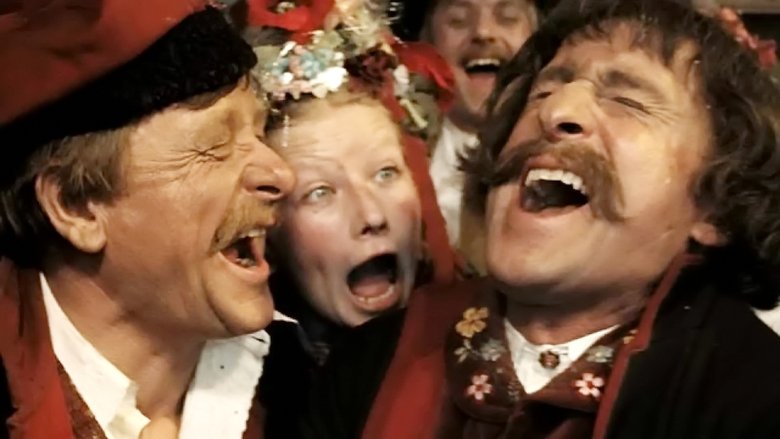
The Wedding
Set at the turn of the century, the story concerns a Polish poet living in Cracow who has decided to marry a peasant girl. The wedding is attended by a heterogenous group of people from all strata of Polish society, who dance, get drunk and lament Poland's 100-year-long division under Russia, Prussia, and Austria. The bridegroom, a painter friend, and a journalist each in turn is confronted with spectres of Polish past.

Revisited
In this mixture of fiction and documentary Krzysztof Zanussi invites a number of Poland’s great actors—Maja Komorowowska, Daniel Olbrychski, and Jan Nowicki—to "revisit" characters they played in the director's earlier works.

Pan Olbrychski
Biographical documentary film presenting the silhouette and artistic path of the outstanding actor Daniel Olbrychski. The narrative of the main character is confronted with his colleagues and friends, in contemporary interviews, including: with Krystyna Janda, Jerzy Hoffman, Krzysztof Zanussi, Volker Schlondorff and Adam Michnik. The archival materials will include statements and excerpts from the realization of scenes from Andrzej Wajda's films. The film roles of the main character are intertwined with his private life.
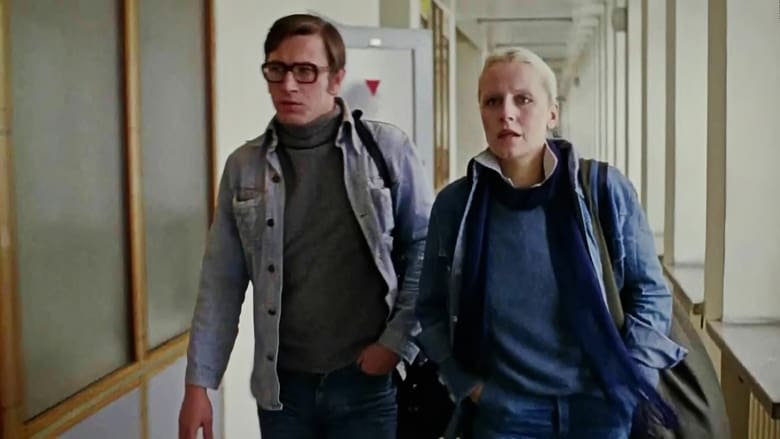
Man of Iron
In Warsaw in 1980, the Communist Party sends disgruntled radio reporter Winkel to Gdańsk to dig up dirt on the shipyard strikers - particularly on Maciek Tomczyk, an independent labour union leader whose father was killed in the December 1970 protests. Posing as sympathetic, Winkel interviews the people surrounding Tomczyk, including his detained wife, Agnieszka.
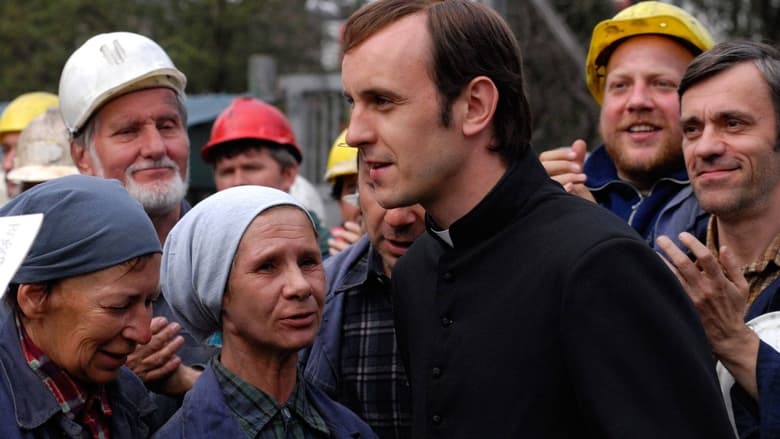
Popieluszko: Freedom Is Within Us
Story of life of Father Jerzy Popieluszko, the priest called "The Solidarity Chaplain", murdered by communist secret police.

Katyn
On September 1st, 1939, Nazi Germany invades Poland, unleashing World War II. On September 17th, the Soviet Red Army crosses the border. The Polish army, unable to fight on two fronts, is defeated. Thousands of Polish men, both military and government officials, are captured by the invaders. Their fate will only be known several years later.
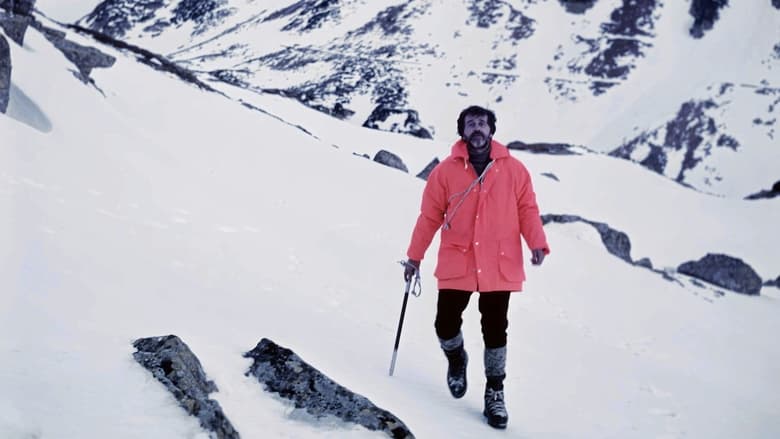
The Spiral
In what appears to be an inexplicable incident, a man drives up to a resort hotel in midwinter, throws away his car keys, enters, and proceeds to agitate everyone he meets with his urgency -- a message he is somehow unable to communicate. Then he leaves, disappearing in the snow. Later, the people he appeared to have upset have gathered to search for him and find him frostbitten, but alive. Visiting him at the sanatorium to which he has been taken, they gradually discover what was really happening.
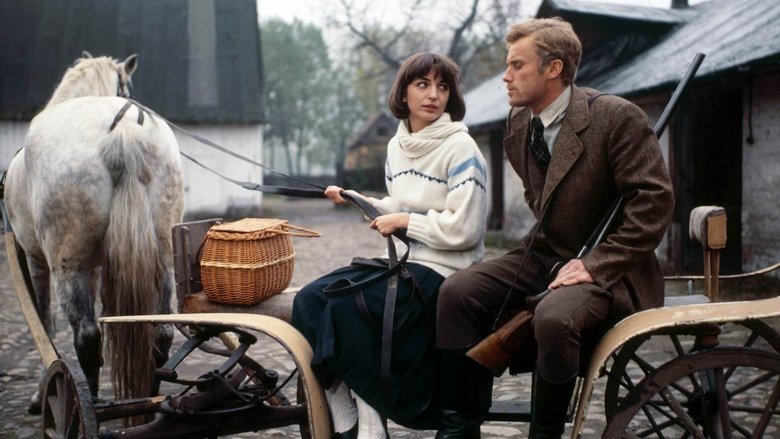
The Maids of Wilko
Set in the late '20s. A thirtyish young man, who heads a small factory, faints at the funeral of a close friend. He decides to go home to his aunt and uncle for a while, but gets involved with a family of five women who had been in love with him at one time though he had apparently loved only one, who, unknown to him, has died since his departure. The women are mainly disillusioned with life or estranged from husbands while the youngest has a crush on him.
Filmography
as Zasławska
as Self
as grandmother Ada (voice)
as grandma
as Self
as Professor Aniela
as Madame Lisiecka
as Bella
as Professor's Wife
as Szendrőy Hanna
as Anna Schubert
as Aunt Ida Dobrowolska
as Ewelina Lechicka
as Ewelina Lechicka
as Irena
as Sorcerer
as Zofia
as Irena
as Nun Klementyna
as Anna Schubert
as Emilia
as pani Grossmanowa, matka Dawida
as Mother
as Dorota
as Nun
as aktorka recytująca wiersz Miłosza
as Lisa
as Elzbieta
as Jola
as Teresa
as Színeket Tudó Lány
as Gizela
as Marta
as Abbess
as Rachela
as Marta Małecka
as Musia
as Plaskowja
as Anna
as Bella Braun
as Żagiewka (voice)