
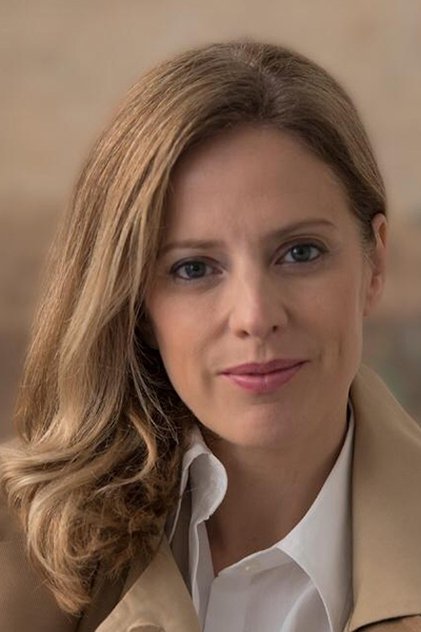
María Molins
Acting
Biography
No biography available for María Molins.
Born: February 14, 1973
Place of Birth: Barcelona, España
Known For

La habitación de las estrellas
Elena, 7 years old, is going for the first time to her grandmother's after years without seeing her. Grandma, old and touched by Alzheimer's, entrusted Elena with the complex task of bringing the stars, those, she says, are hidden around the house. The visit becomes an adventure to bring those stars to make real the grandma's last wish.
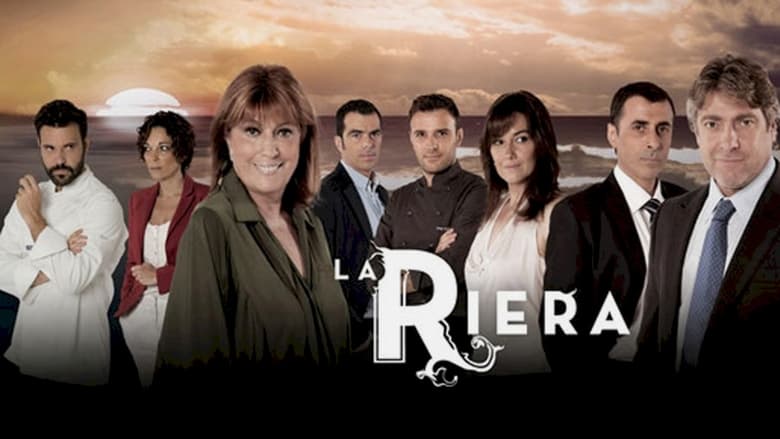
La Riera
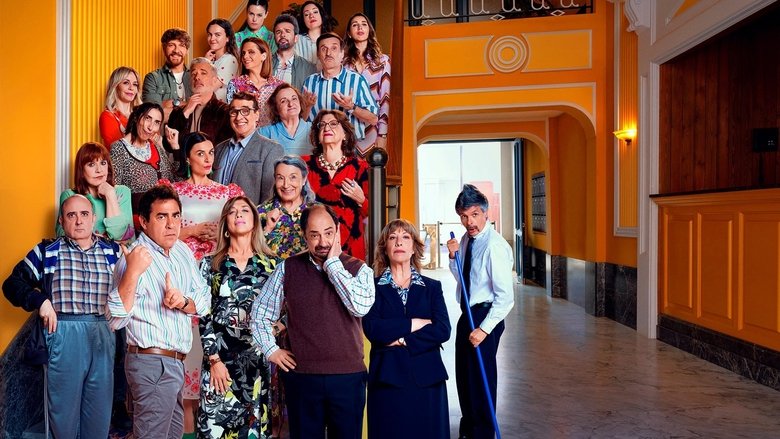
La que se avecina
La que se avecina is a Spanish television comedy created by Alberto Caballero, Laura Caballero and Daniel Deorador. The TV-series focusing around the inhabitants of Mirador de Montepinar, a fictional building located on the outskirts of a big city. Both its storylines and cast are heavily based on Aquí no hay quien viva, which ended when Telecinco bought Miramón Mendi, the series production company. The episodes debuted on the Telecinco network, and were later rerun by the same network as well as cable/satellite channels FactoríaDeFicción and Paramount Comedy. The series debuted in 22 April 2007 and became popular thanks to its funny characters, witty script, use of catchphrases and capacity to integrate and poke fun at contemporary issues; the program presents a caustic satire of many of the 'types' found in Spanish society. The name of the show involves wordplay, as "vecina" is the Spanish word for neighbour.
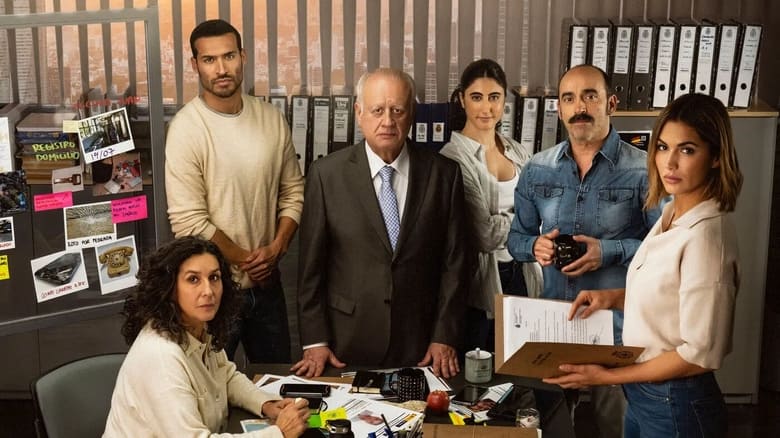
Disappeared
A group of six police officers solve disappearance cases that everyone else has already given up on.

The Monster of Many Noses
In the winter of 1968, in a small village in the mountains, the story follows three children who embark on a daring quest to evade the ominous Monster of Many Noses, a formidable figure deeply ingrained in Catalan folklore. This sinister character is known for hunting down children who have spun too many lies on the final day of the year. But the children are not the only ones gripped by fear; the film also explores how lies from the past can have a haunting presence. The film follows a proven formula of taking a deeply rooted legend from Catalan folklore and transforming it into a universal story. The Monster of Many Noses is a captivating exploration of history, myth, and the human condition.

Cuéntame cómo pasó
Recounts the experiences of a middle-class family, the Alcántaras, during the last years of the rule of Francisco Franco and the beginning of the Spanish Transition to democracy.

Wrong Side of the Tracks
When his teenage granddaughter falls victim to the drug dealers overtaking his neighborhood, a fed-up war veteran takes matters into his own hands.

Vida privada
Surrounded by the profund social and political changes that took place in Barcelona between the end of Primo de Rivera’s dictatorship and the Second Republic, the eldest son of a bankrupt aristocràtic family falls into a spyral of decadence. At the same time, his younger brother fights to return to the top at any price and without any scruples.
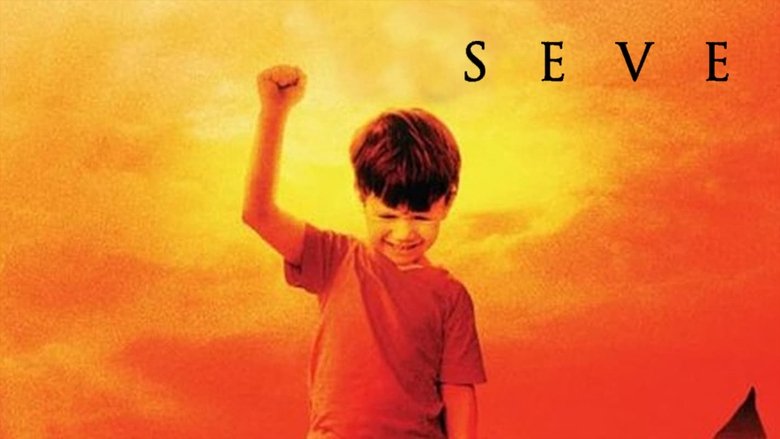
Seve
Despite being blocked at almost every turn in pursuit of the sport he loved, Seve Ballesteros fought against adversity to become the most spectacular and charismatic golfer to ever play the game.
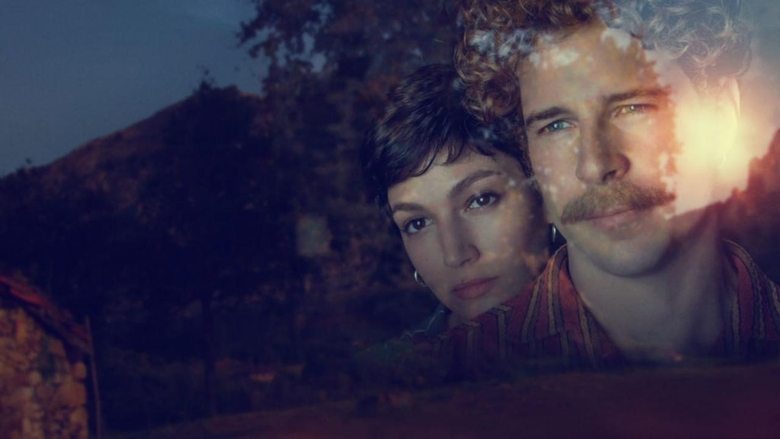
The Tree of Blood
Marc and Rebeca, a young couple, travel to an old country house that used to belong to their family. Once there, they write the shared history of their roots, creating a huge family tree that harbours relationships of love, heartbreak, sex, madness, jealousy and infidelity, and under which also lies a history laden with secrets.
Filmography
as Self - Guest
as Edulàlia Monsó joven
as Amparo
as Self - Guest
as Elena
as Jimena
as Madre de Gracia
as Nuria
as Carmen
as Rosa Trenor
as Self - Interviewee
as Verónica Figueras
as Marina
as Carmen
as Teresa Roca
as Coral Folch
as Dora
as Àgata Puig
as Anna
as Various
as Sandra
as Sol
as Isabel