
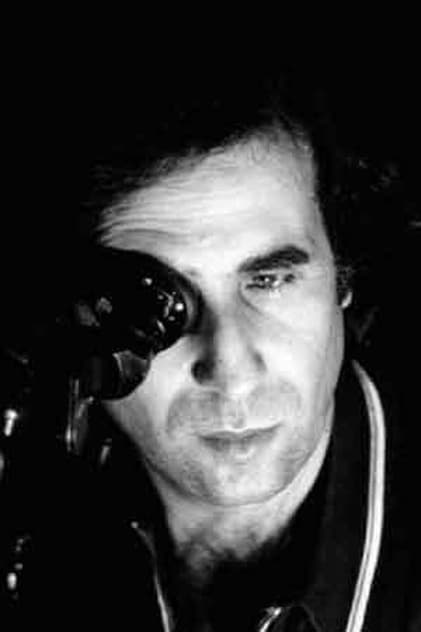
Marcel Hanoun
Directing
Biography
Marcel Hanoun was born in 1929 in Tunisia. A photographer and journalist, he has directed, since 1955, many significant works in the history of the creation of filmic forms. An essayist on cinema as well, Hanoun co-founded several critical reviews in the 60s and 70s. This engaged creator is cameraman and editor of most of his films. His body of work is at once subversive and ascetic, known throughout the world, and respected by many great artists.
Born: October 26, 1929
Place of Birth: Tunis, Tunisia
Known For
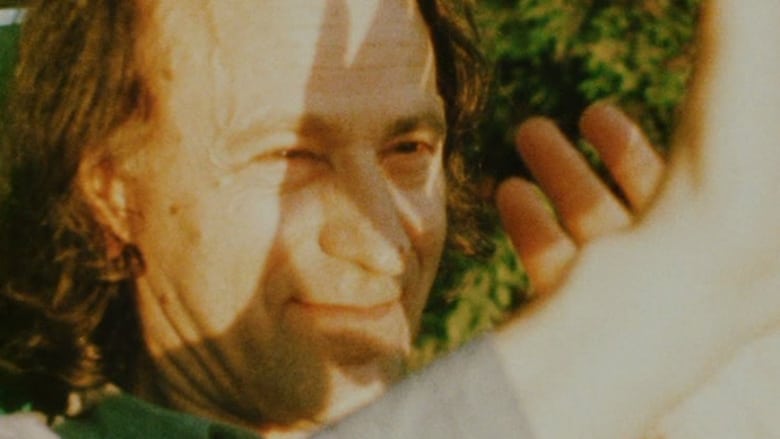
He Stands in a Desert Counting the Seconds of His Life
A film collage tracing the story of the lives, loves, and deaths within the artistic community surrounding Jonas Mekas.
Fin de partie
L’Age de Bronze
La Cinémathèque offered the filmmaker Marcel Hanoun to make a retrospective of his work, a new film, the one of his choice: a "free" film, which means free to the filmmaker of to see and hear what he wants, who he wants, and, ideally, to make it known and heard by everyone.

Diary of a Suicide
On a Mediterranean cruise, a young man hired as a tour guide is intrigued by the beauty of a female interpreter hiding behind her sunglasses. He makes advances to her by venturing into a series of strange stories.
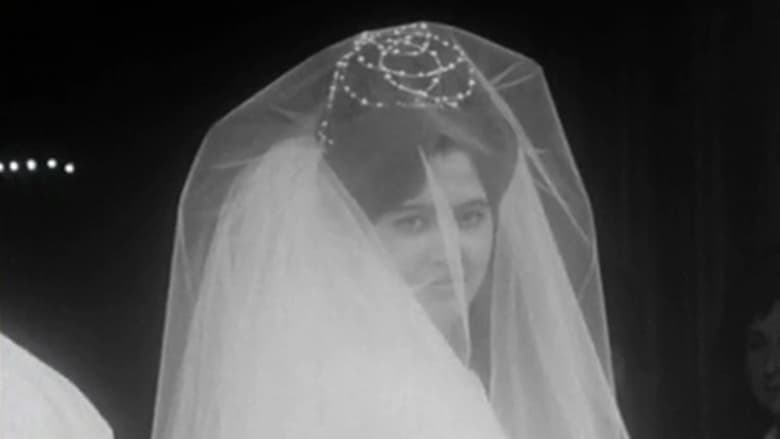
October in Madrid
Initially a made-to-order documentary on Spain, the film becomes an open-ended work-in-the-making about the creative process. “Settling in the Spanish capital to make a documentary, Hanoun sketches out for us the different steps involved in making a film. The author turns his hesitations, his doubts and difficult working conditions into the constituents of his work”. (Raphaël Bassan)
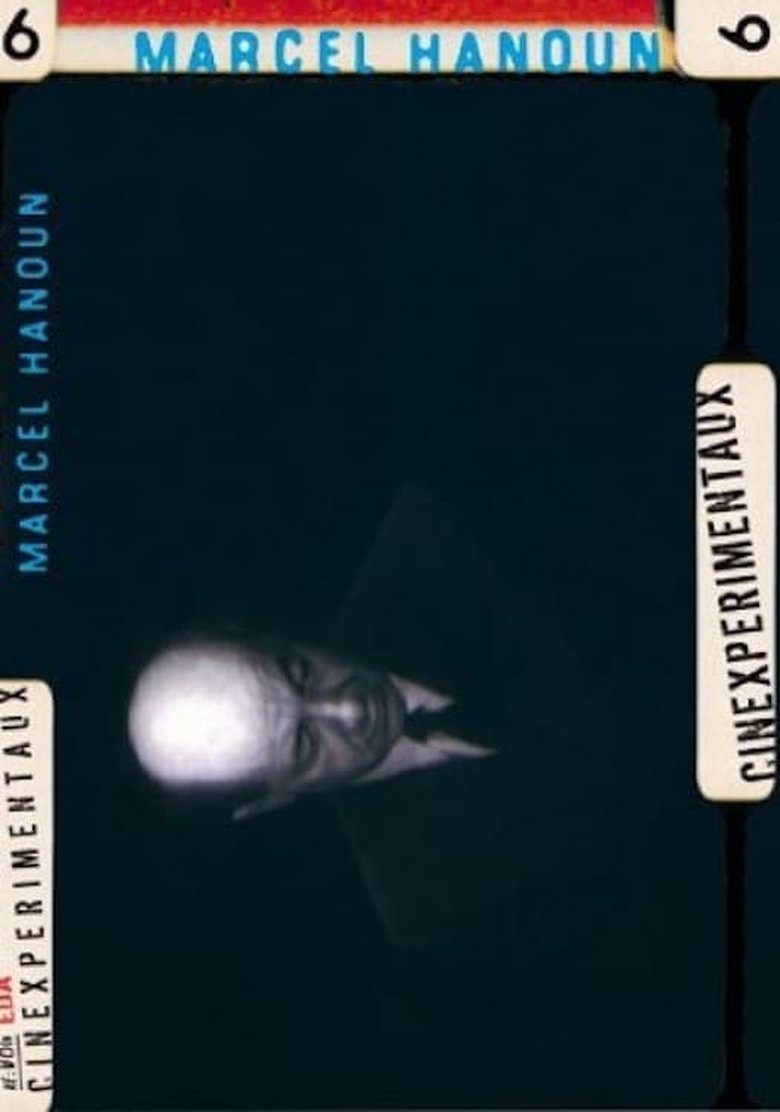
Cinexpérimentaux #6: Marcel Hanoun, A Lesson in Cinema
Marcel Hanoun, one of the most innovative of filmmakers, gives us what he names "a lesson in cinema." Frederique Devaux and Michel Amarger filmed this piece at his country house, composing an abundantly rich portrait. Film clips and sparks of theoretic bravura testify to the feverish creativity and the drunken agitation behind which lurks the ever-composed voice of the filmmaker.
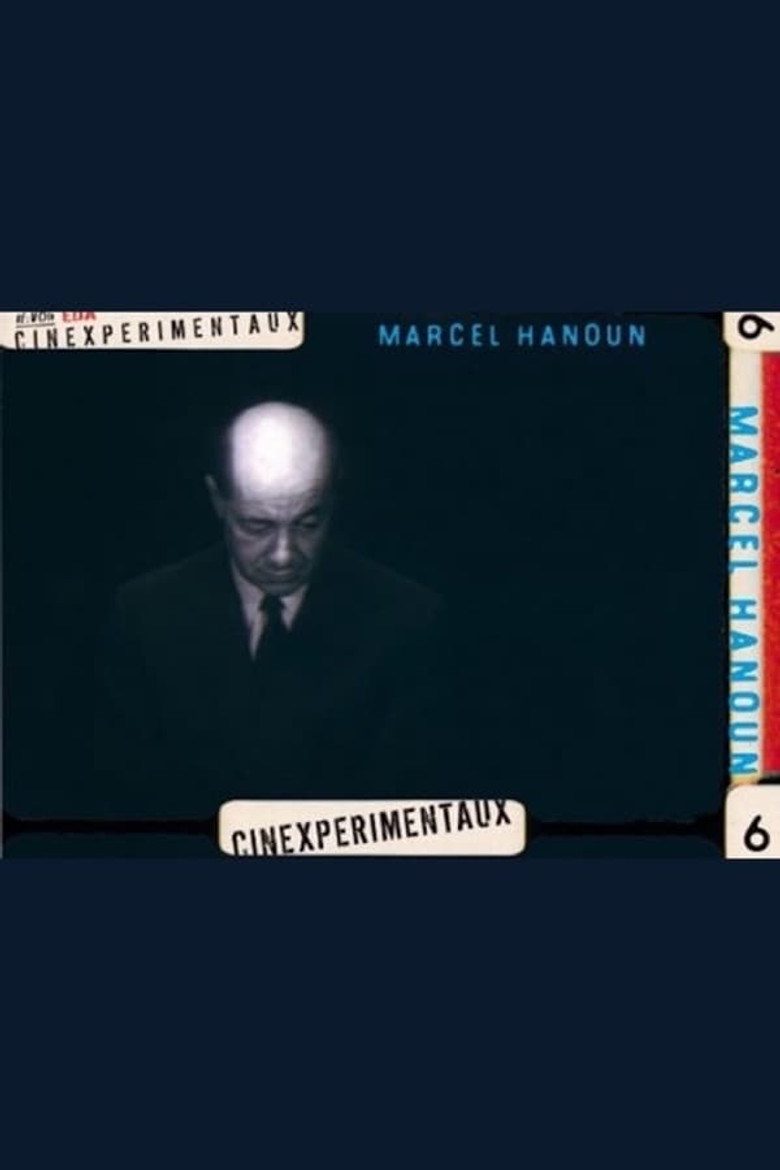
Marcel Hanoun, chemin faisant
Feature film.
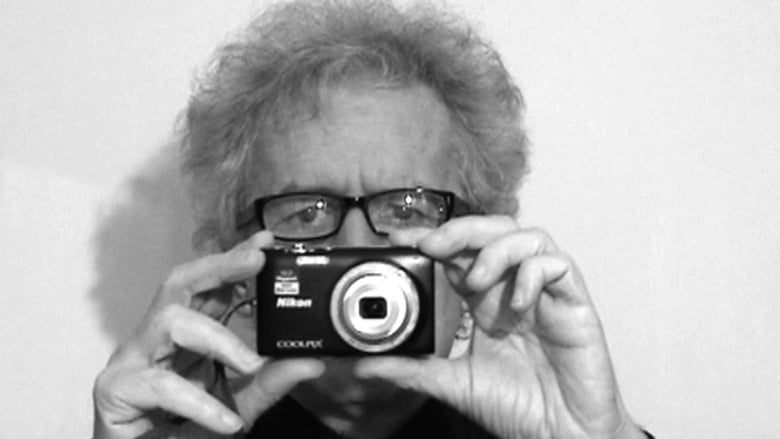
Cinématon
Cinématon is a 156-hour long experimental film by French director Gérard Courant. It was the longest film ever released until 2011. Composed over 36 years from 1978 until 2006, it consists of a series of over 2,821 silent vignettes (cinématons), each 3 minutes and 25 seconds long, of various celebrities, artists, journalists and friends of the director, each doing whatever they want for the allotted time. Subjects of the film include directors Barbet Schroeder, Nagisa Oshima, Volker Schlöndorff, Ken Loach, Benjamin Cuq, Youssef Chahine, Wim Wenders, Joseph Losey, Jean-Luc Godard, Samuel Fuller and Terry Gilliam, chess grandmaster Joël Lautier, and actors Roberto Benigni, Stéphane Audran, Julie Delpy and Lesley Chatterley. Gilliam is featured eating a 100-franc note, while Fuller smokes a cigar. Courant's favourite subject was a 7-month-old baby. The film was screened in its then-entirety in Avignon in November 2009 and was screened in Redondo Beach, CA on April 9, 2010.
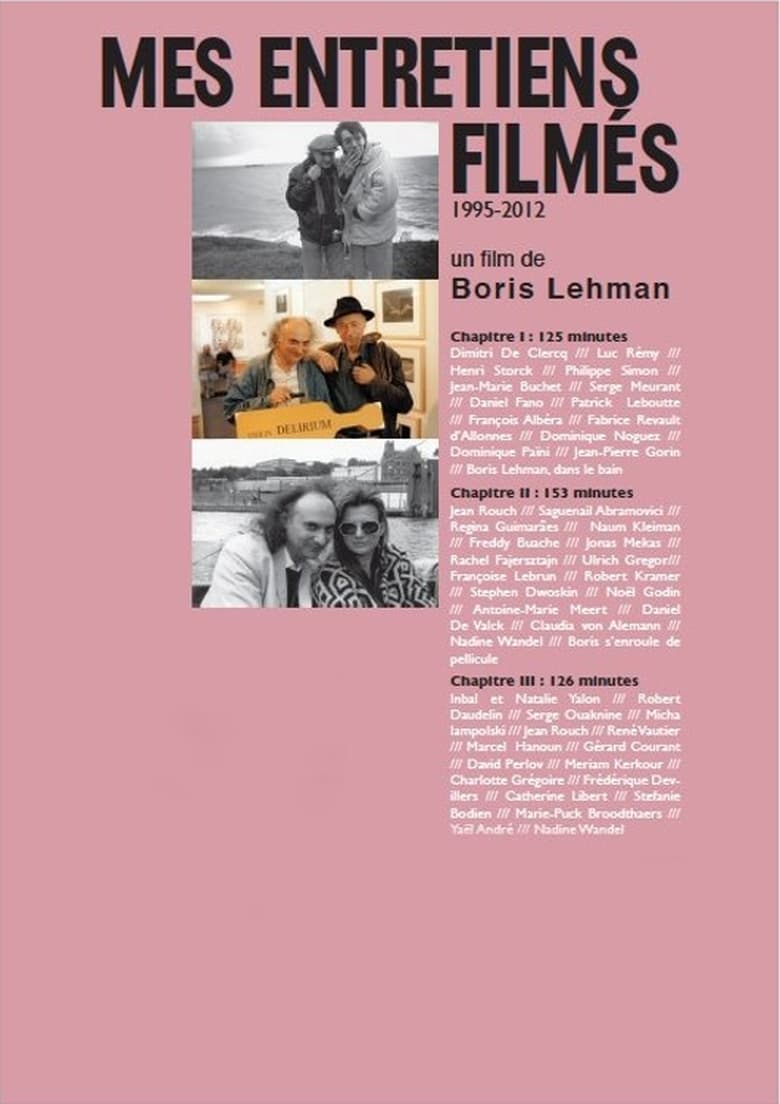
My Conversations on Film
This distinctly personal journey into the artistic possibilities of independent film is not to be missed. Jonas Mekas, Jean-Pierre Gorin, Robert Kramer and many other visionaries and mavericks of the silver screen – as well as a book seller, a critic and a psychoanalyst – discuss what cinema has meant to them, what it is and what it could be and, implicitly, how it has changed over the 18 years in which this film was shot. Director Boris Lehman leads the charge, drawing in moments of absurdist humour and inventive camera work; he keeps things raw and spontaneous. His encounters with the now much-missed Jean Rouch and Stephen Dwoskin are particularly touching and stand testament to their personal playfulness and candour. An engaging, absorbing, epic odyssey of a movie.
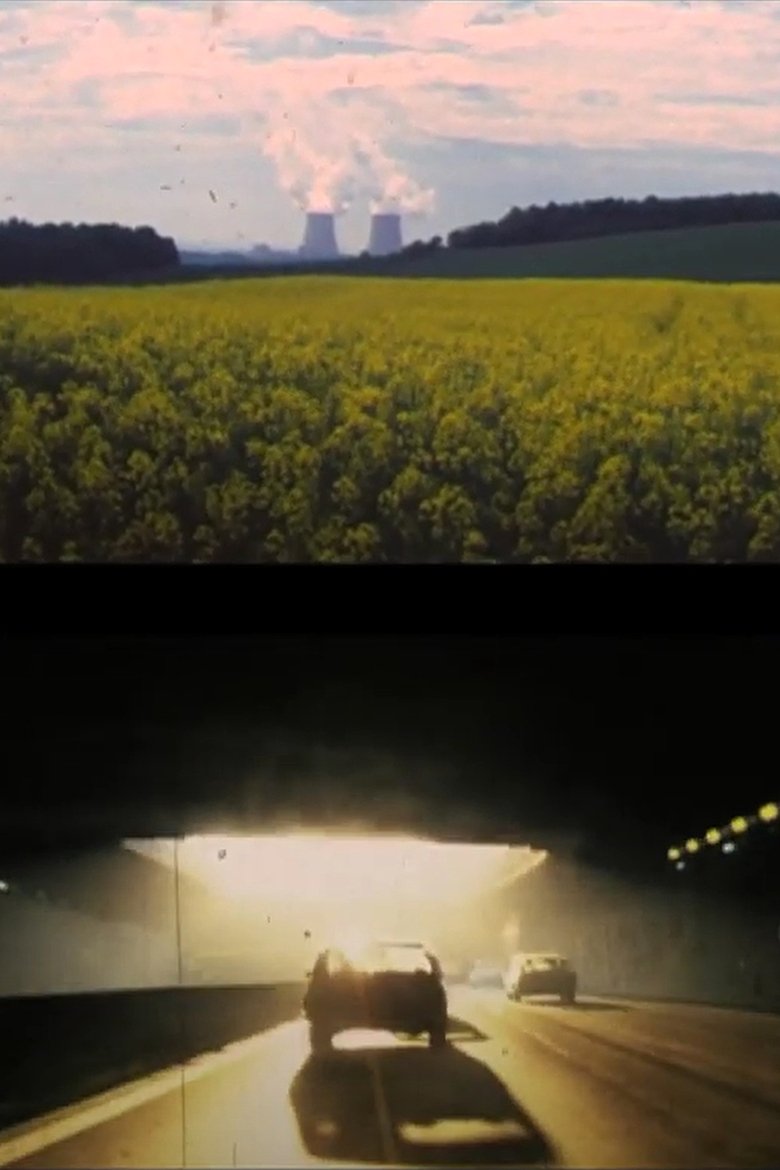
L'Été madrilène
Filmography
as Himself
as Himself
as Himself
as Self (archive footage)
as Self (archive footage)
as N°60