
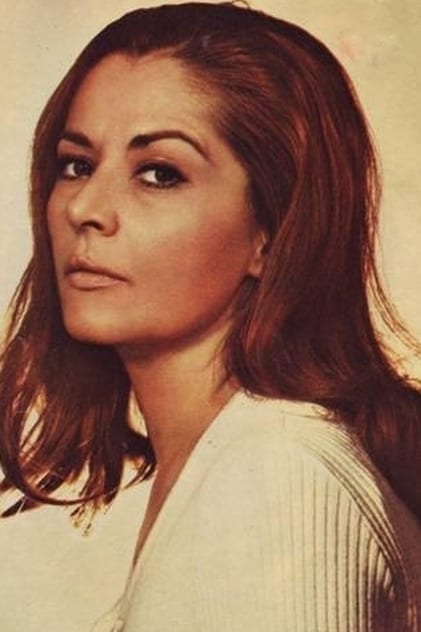
Margareta Pogonat
Acting
Biography
No biography available for Margareta Pogonat.
Born: March 6, 1933
Place of Birth: Iasi, Romania
Known For
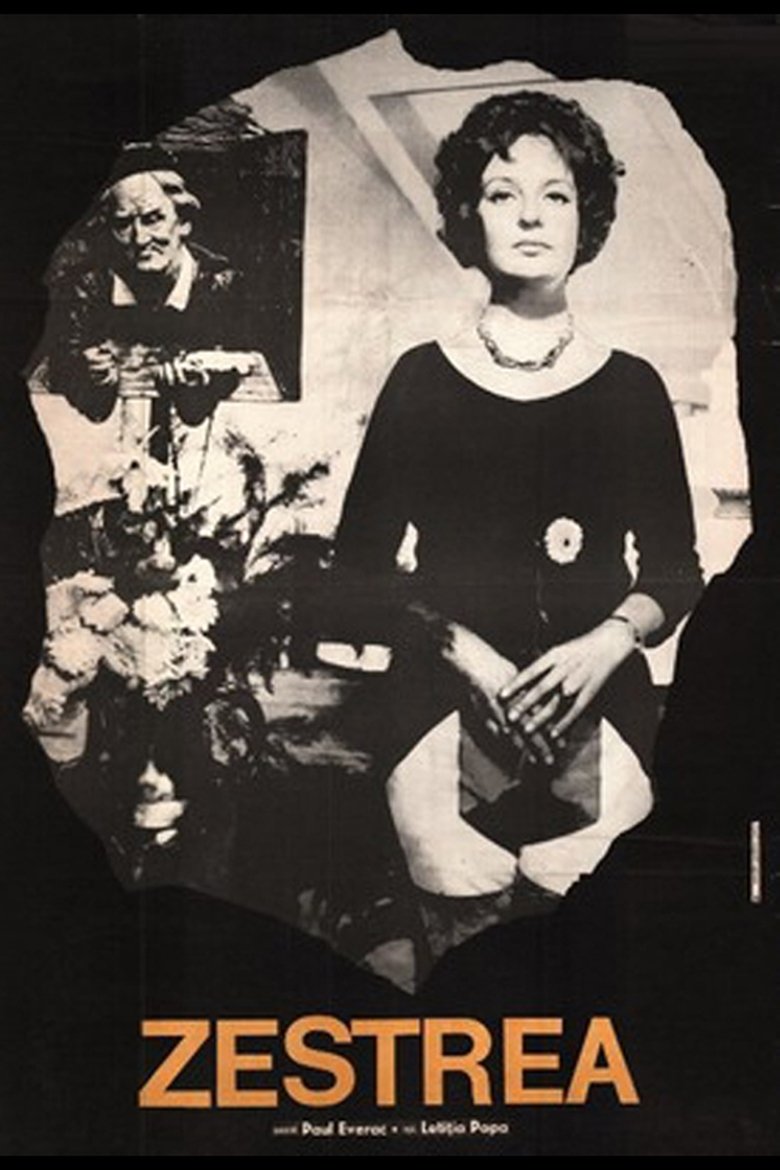
Zestrea
Young engineer Doru is called to the Prosecutor's Office and questioned on his wife's unlawful ways of making money. Soon he'll learn about her true character and he'll regret having broken up with Livia, a woman who truly loved him.
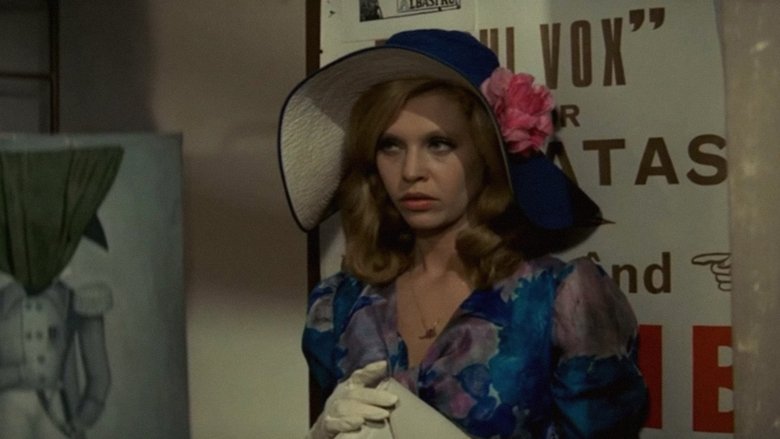
The Actor and the Savages
Toma Caragiu plays Costica Caratase character inspired by the personality of the great actor Constantin Tanase. The action takes place in the interwar period and focuses on the conflict between actor and Iron Guard movement ("savages") offended by a satirizes artistic performances. Film question the artist's freedom of expression and the danger posed by his involvement in social issues existing in a dictatorship world.
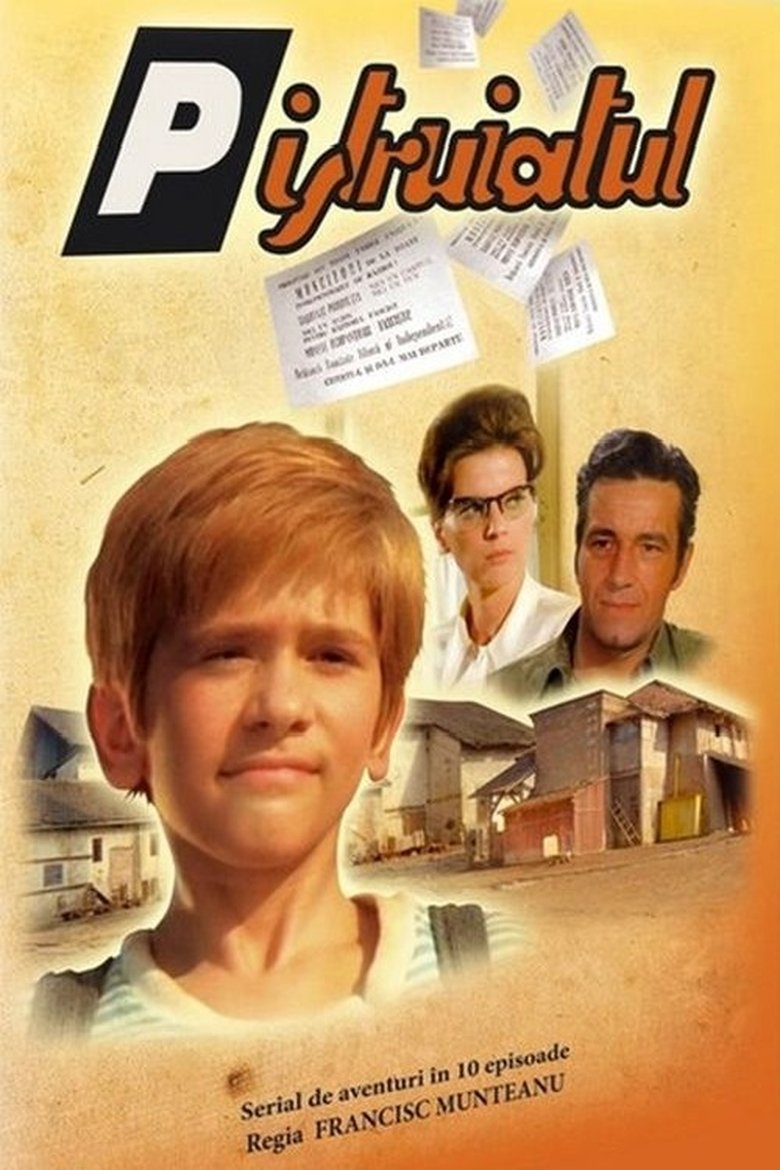
The Freckled Boy
During the times of the Second World War in Royal Romania, a street smart kid accidentally becomes part of an organization which will eventually decide the future of his country.

Through Dusky Ways
When you're a newly divorced woman with two older children, it is very difficult to "rebuild your life". By chance, Monica meets someone new, but will she be able to seize this new oportunity for happiness?
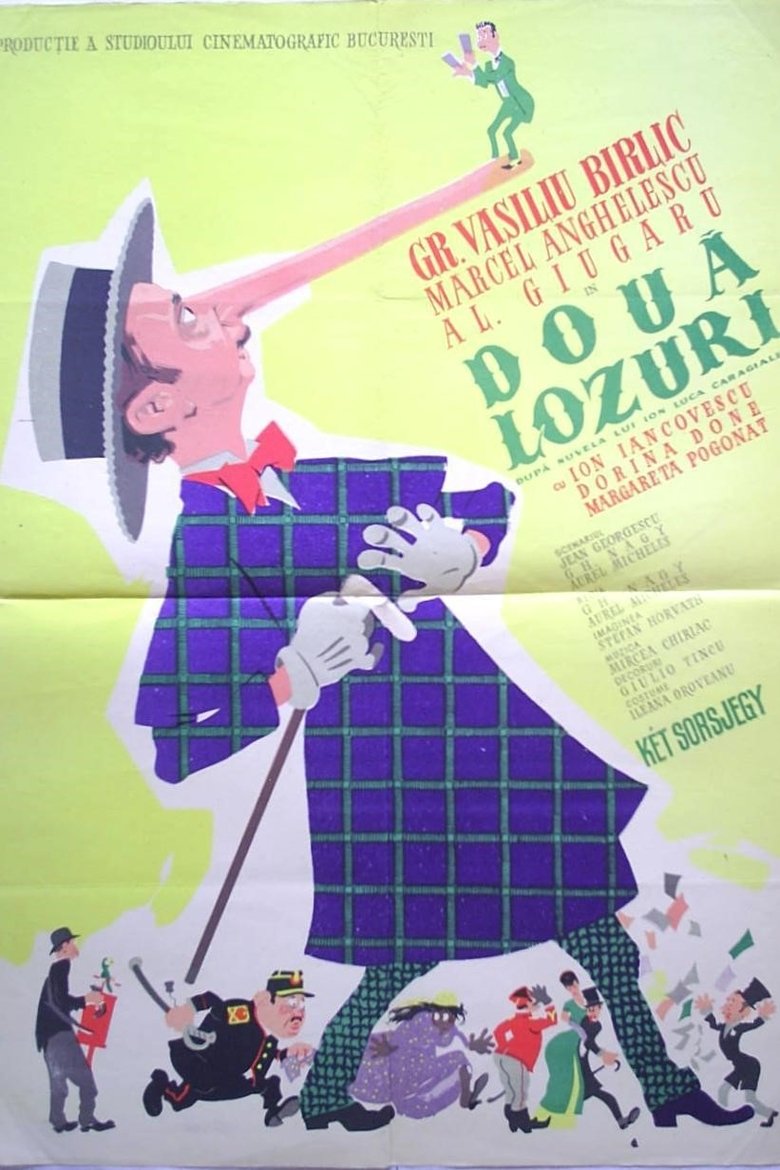
Two Lottery Tickets
1957 film adaptation of Romanian playwright Ion Luca Caragiale's novella “Două loturi” (Two Lottery Tickets, 1901). The scenario was written by director Jean Georgescu, one of the most skilled Romanian filmmakers of the 1940s and 1950s, while the directing belongs to Aurel Miheleş and Gheorghe Naghi, at that time both recently graduated from the All-Union State Institute of Cinematography in Moscow. This is the second feature film in colour from Romania. Despite the great public success, the film was often criticized by reviewers, mostly for its unhandy directing from the two debutants. Miheleş and Naghi would however continue their collaboration and release another two Caragiale adaptations, of which “Telegrame” (Telegrams, 1959) was nominated for the Palme d'Or (Golden Palm) at the 1960 edition of the Cannes festival.
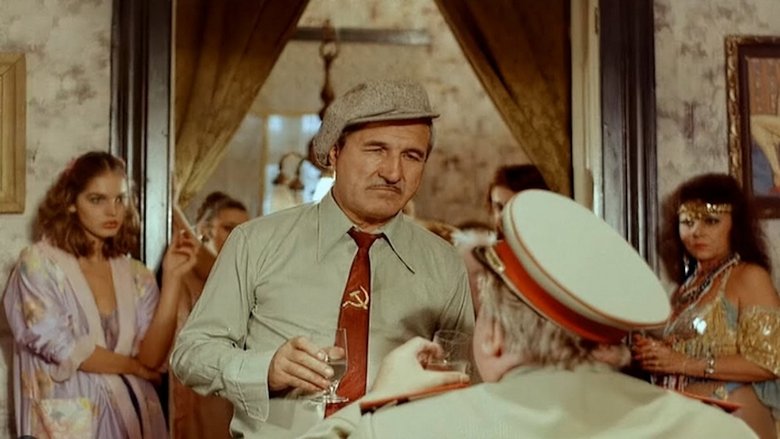
The Stone Cross
Andrei Blaier's film catches the last days of The Stone Cross a low class brothels area that became some kind of an institution in the landscape of Bucharest before the Communist period, doomed to destruction under the new rules of proletarian morals that the Communists were trying to impose. The idea could be the start of a great film, with the prostitution being seen not so much from its destructive and exploitation perspective, but rather as a form of freedom in a time when the whole society was falling under the rule of propaganda, hypocrisy, and repression. In a world due to fall under tyranny for the coming decades prostitution becomes a metaphor of the old more free way of life.
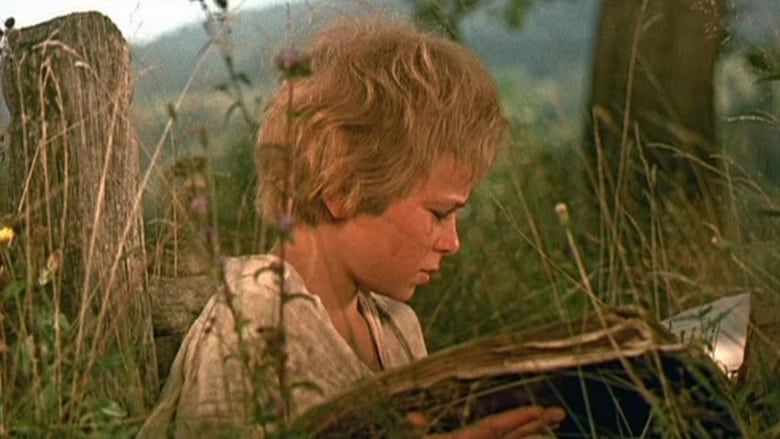
Memories of My Childhood
Based on Ion Creanga's book, the story of a child from his childhood to his manhood.
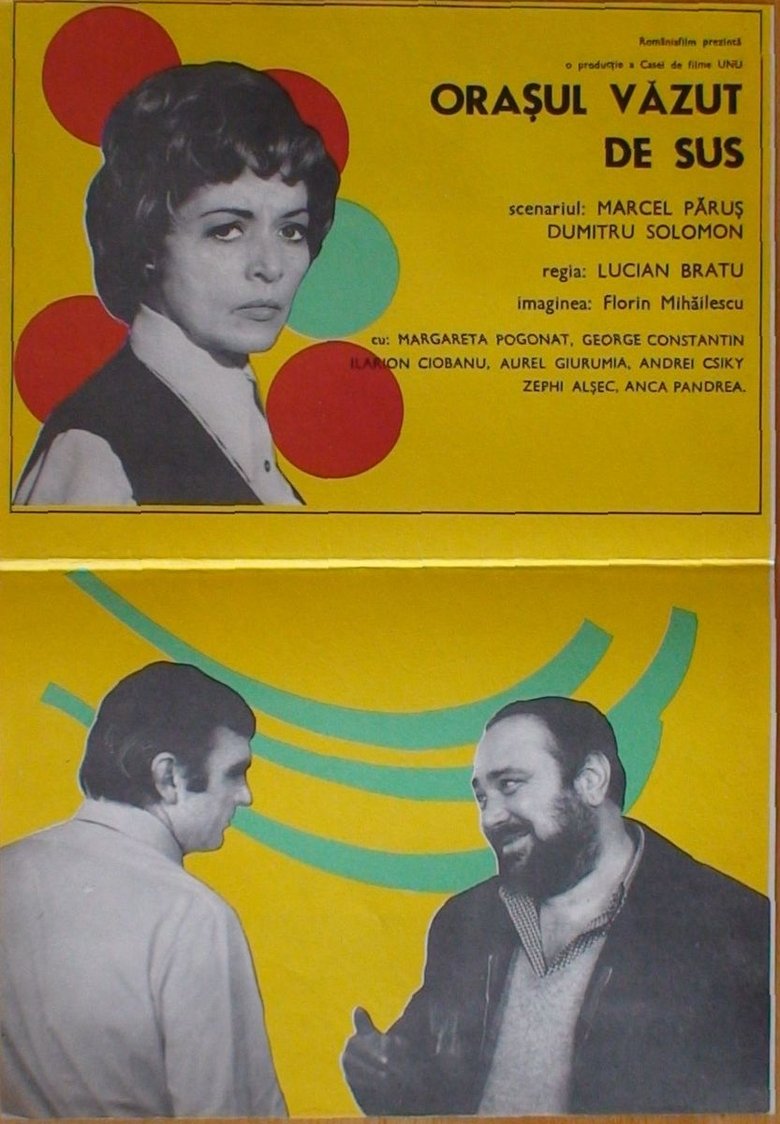
The City Seen from Above
Maria Sorescu, director of a re-education school, becomes mayor of a town. She tries to improve the predecessors' record.
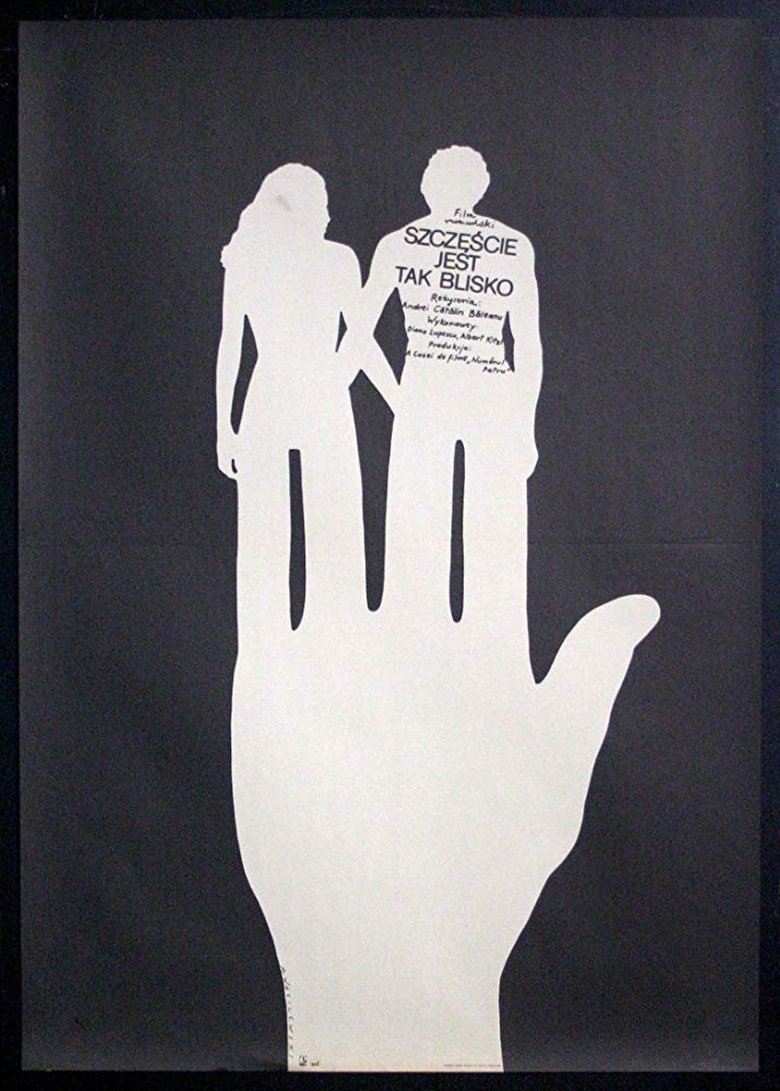
Happiness Is So Close
Cristina, a girl from a well situated family, falls in love with a young working man, who manages to get into college.

Then the Legend was Born
Used to move along with the construction projects they were working for, a group of people decide that is time to settle.
Filmography
as Party Secretary
as Mrs. Olteanu
as Natalia Panait
as Genica
as Melania
as Mimi Raiu
as Maria Sorescu
as Elvira Caratase
as Veronica
as Mama
as Livia
as Monica Holban
as Village Woman
as Marieta
as Neta Crișu
as Anda
as The Gypsy Woman
as Tica