

Mari Boine
Acting
Biography
No biography available for Mari Boine.
Born: November 8, 1956
Known For

The History of Norwegian Rock Music
«Norsk Rocks Historie» is a Norwegian documentary series about the history of rock'n'roll music in Norway.
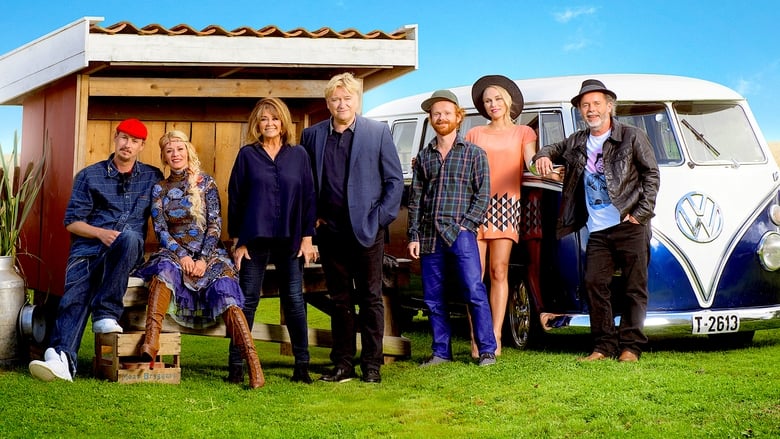
Hver gang vi møtes
"Hver gang vi møtes" is a Norwegian reality television show broadcast on the Norwegian TV 2 television station in 2012. It is structured in similar format to the Swedish series "Så mycket bättre" that had been launched in 2010.

Skavlan
Skavlan is a Norwegian-Swedish television talk show hosted by Norwegian journalist Fredrik Skavlan. It premiered in Sweden on Sveriges Television in January 2009, and the first guests to appear on the show were former Prime Minister of Sweden Göran Persson and his wife Anitra Steen. On 8 May 2009, it was announced that Skavlan had been renewed for a second season. It was also announced that the show would no longer only be produced by SVT in Sweden; Skavlan would now be partly produced in Norway by the Norwegian Broadcasting Corporation. The first twelve episodes of Skavlan's second season were produced by SVT in Sweden, and the remaining twelve by NRK in Norway. Skavlan speaks Norwegian and his dialog is therefore subtitled in Swedish in Sweden, even though the two languages are quite similar and mutually intelligible. If the persons being interviewed by Skavlan are Swedish, he often tells them to let him know if they do not understand what he is saying. Swedish novelist Jan Guillou has criticized SVT for subtitling the program, stating "there is no need for that. If the host had been Danish, subtitling would have been necessary, but with a Norwegian host it does not make any sense."

Yoik Fever
In a humorous and insightful way, the film tells about how yoik arises and is created, about how to yoik - and who you can yoik.
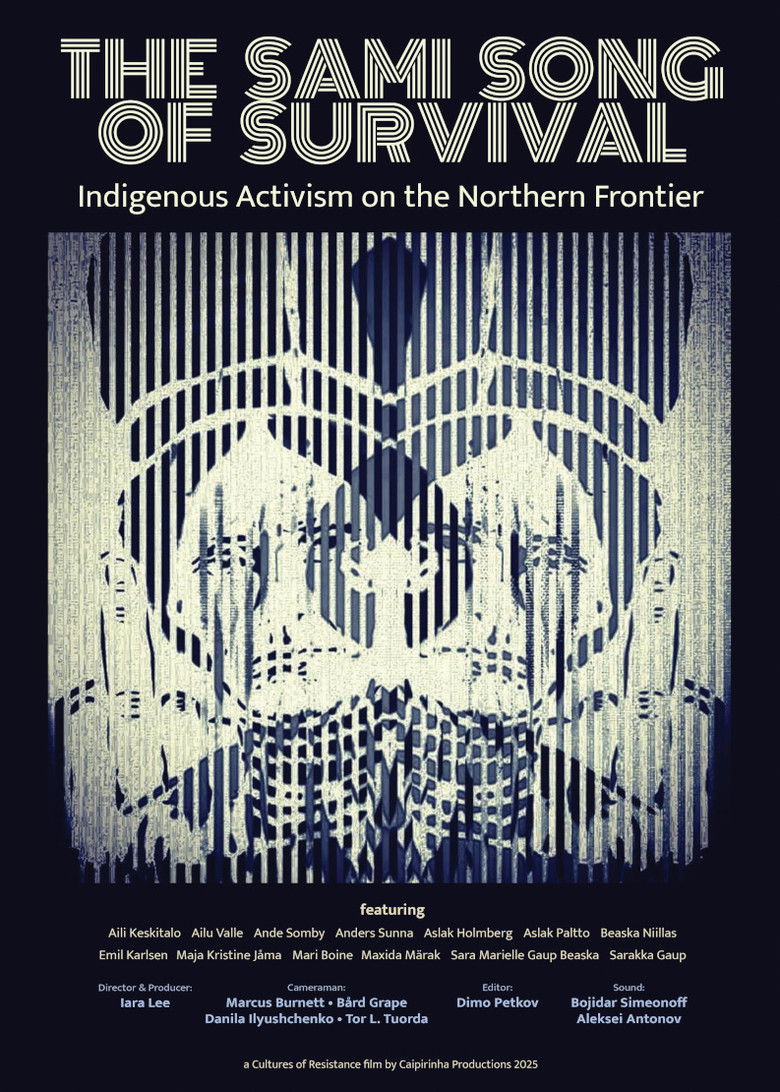
The Sami Song of Survival: Indigenous Activism on the Northern Frontier
The Sami people, mainly found in Russia and Lapland, continue their struggle against oppression and colonialism. For centuries, they have faced institutionalized racism, marginalization, and repression of their culture and language. Through activism, they have gained recognition and respect in recent years, but the struggle is not over. Through art and cultural resilience, the Sami assert their rights to exist and thrive in their ancestral lands.