
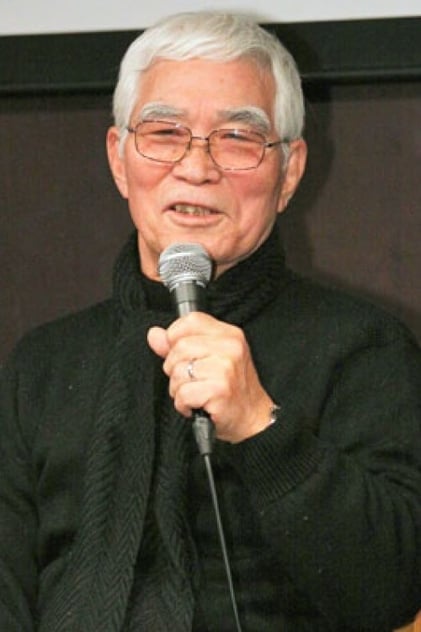
Masao Adachi
Writing
Biography
Masao Adachi (足立正生 Adachi Masao, born May 13, 1939) is a Japanese screenwriter and director who was most active in the 1960s and 1970s.
Born: May 13, 1939
Place of Birth: Fukuoka, Fukuoka Prefecture, Japan
Known For
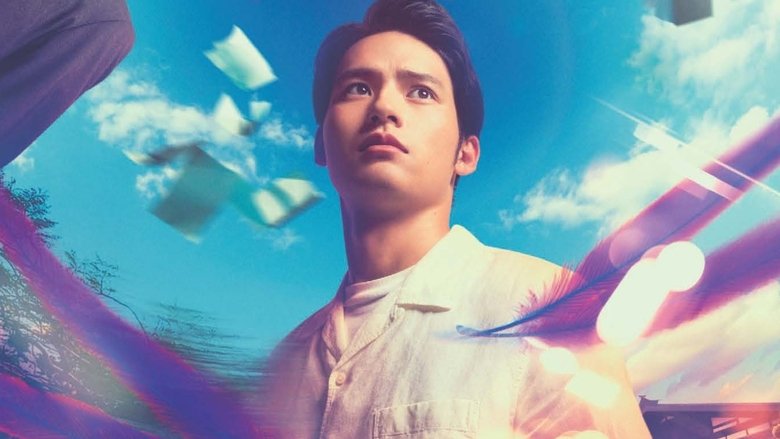
The Bird Is Calling
Yuji and Yuriko's peaceful life shatters when an old diary belonging to Yuji's great-uncle Sadaichi, who died in the war, is discovered. The pages are full of an obsession with life... and one strange phrase: "I want to devour the bird—Hikuidori." From that day on, eerie phenomena start to haunt those connected to the diary. As the nightmare deepens, a strong will to live—once buried with Sadaichi—begins to twist the past and bleed into reality.

Tonbi
Yasuo (Hiroshi Abe) grew up as an orphan. He married a woman he loved and they had a son Akira (later played by Takumi Kitamura). Yasuo's life seemed great at the time, but his life totally changed after his wife died in accident. Since that time, Yasuo, who never experienced parents' love himself, has to raise his son Akira alone.

Death by Hanging
A Korean man is sentenced to death in Japan but somehow survives his execution, sending the authorities into a panic about what to do next.

Children of the Revolution
Inspired by the student revolutions of 1968, two women in Germany and Japan set out to plot world revolution as leaders of the Baader Meinhof Group and the Japanese Red Army. What were they fighting for and what have we learned?
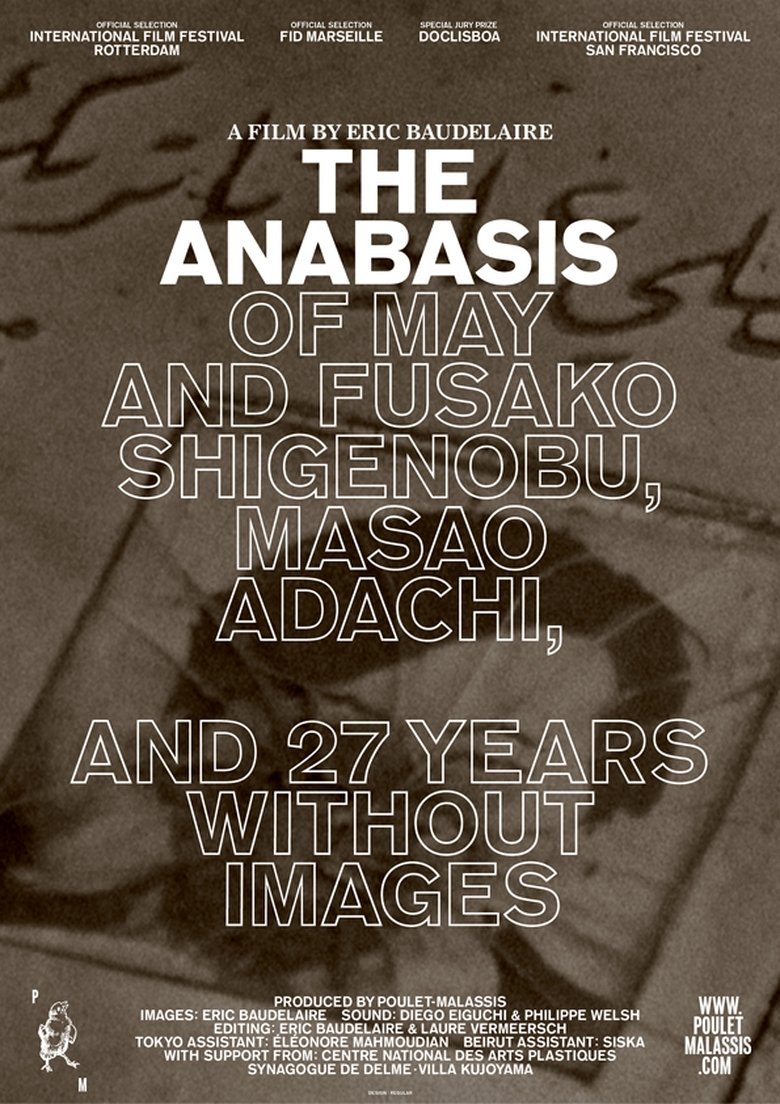
The Anabasis of May and Fusako Shigenobu, Masao Adachi, and 27 Years Without Images
A film on exile, revolution, landscapes and memory, Anabasis brings forth the remarkable parallel stories of Adachi and May, one a filmmaker who gave up images, the other a young woman whose identity-less existence forbade keeping images of her own life. Fittingly returning the image to their lives, director Eric Baudelaire places Adachi and May’s revelatory voiceover reminiscences against warm, fragile Super-8mm footage of their split milieus, Tokyo and Beirut. Grounding their wide-ranging reflections in a solid yet complex reality, Anabasis provides a richly rewarding look at a fascinating, now nearly forgotten era (in politics and cinema), reminding us of film’s own ability to portray—and influence—its landscape.
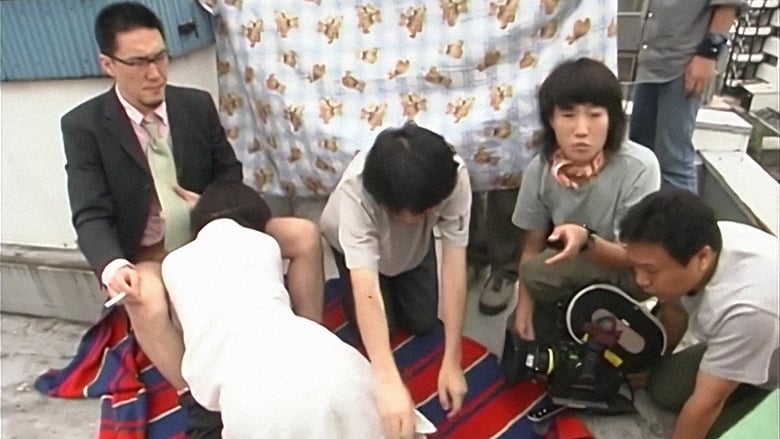
Pink Ribbon
Documentary filmmaker Kenjiro Fujii takes a look at the history of a distinctly Japanese brand of softcore pornography in this extensive examination of the "pinku eiga" genre (ピンク映画 Pinku eiga or Pinkeiga). For more than 40 years, so-called "pink" films have served as both a key source of revenue for the Japanese film industry as well as a launching pad for the careers of such mainstream filmmakers as Kiyoshi Kurosawa. After providing a detailed history of the still-profitable and popular genre through interviews with a variety of behind-the-scenes players and clips from such classic pink films as Fish Bait Boobies, director Fujii shifts his focus to the production of an upcoming pink film to offer a glimpse into the creative and stylistic evolution of the genre.
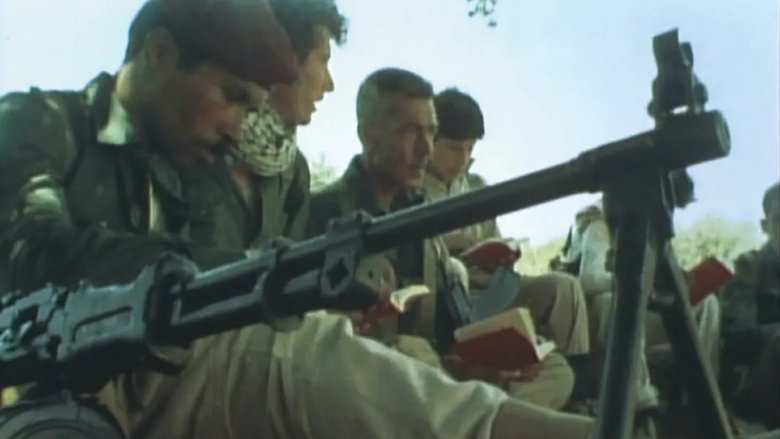
Red Army/PFLP: Declaration of World War
On their way back from the Cannes Film Festival in 1971, filmmakers Wakamatsu Koji and Adachi Masao visited Lebanon to meet Japan's Red Army faction and the Popular Front for the Liberation of Palestine to shoot a newsreel film promoting the Palestinian resistance. Conceived as a ‘declaration of world war’ that implicates us all, the directors capture the everyday banality of military training and preparation exercises for imminent battle.

It May Be That Beauty Has Strengthened Our Resolve - Masao Adachi
The first in a planned series of films about radical filmmakers by film critic Nicole Brenez and filmmaker Philippe Grandrieux, It May Be That Beauty Has Strengthened Our Resolve is a portrait of Masao Adachi, who emerged during the Japanese New Wave of the 1960s as a screenwriter for Nagisa Oshima and Koji Wakamatsu, and directed a series of avant-garde films that grafted radical politics to the sexploitation genre. A 1971 visit to a Popular Front for the Liberation of Palestine (PFLP) training camp while on the way back from Cannes resulted in Adachi's most infamous film, the agit-prop documentary Red Army/PFLP: Declaration of World War, which he co-directed with Wakamatsu. Soon after, Adachi joined a splinter cell of the Japanese Red Army in Lebanon, where he stayed from 1974 until he was deported to Japan in 1997 to serve time for passport violations.
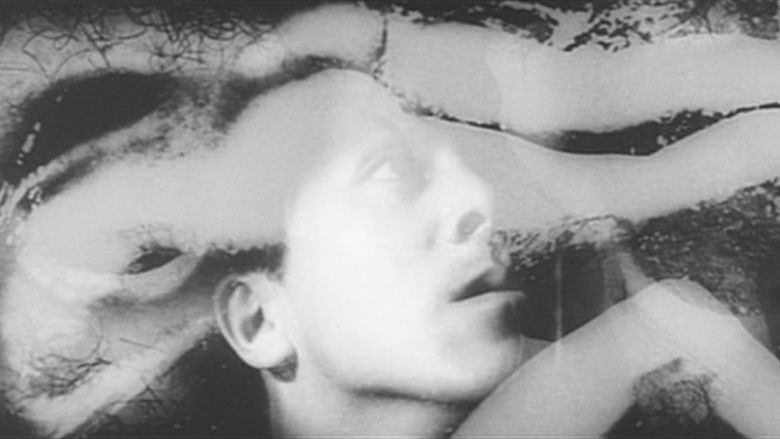
The Embryo Hunts in Secret
A man keeps his girlfriend tied up in his small apartment and tortures her. She is undressed, subjected to various types of bondage, whipped, and tortured with a razor blade.
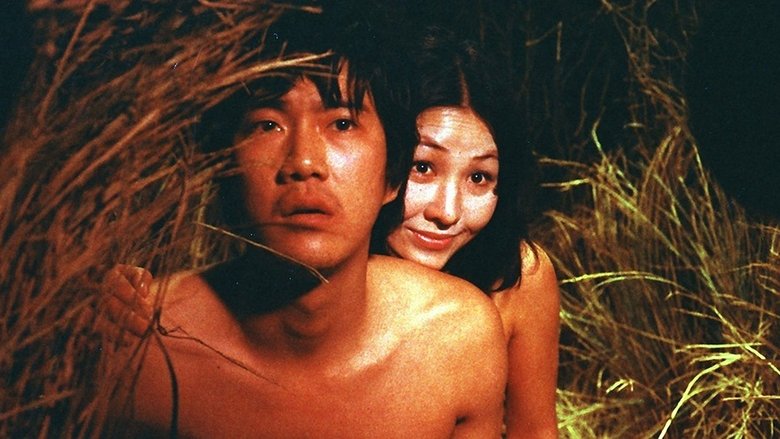
Running in Madness, Dying in Love
During clashes between demonstrators and police that rage on the streets of Tokyo, a young man hides in the house of his brother - a police officer. The latter is accidentally shot by his wife, which forces the young man to flee with her.
Filmography
as Himself
as Senda
as Narrator
as Self
as Self
as Himself
as Narrator (voice)
as The February Army #1
as Village man
as Policeman
as Chief of Guards
as Adachi (Peddler)
as Hitman 2
as Executionier
as Narrator