
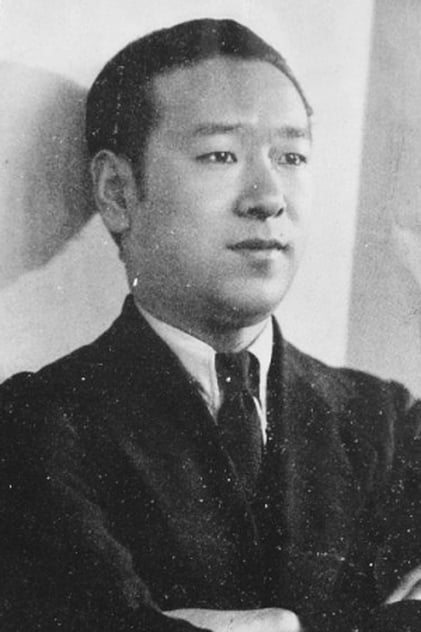
Masao Mishima
Acting
Biography
No biography available for Masao Mishima.
Born: January 2, 1906
Place of Birth: Niigata, Japan
Known For
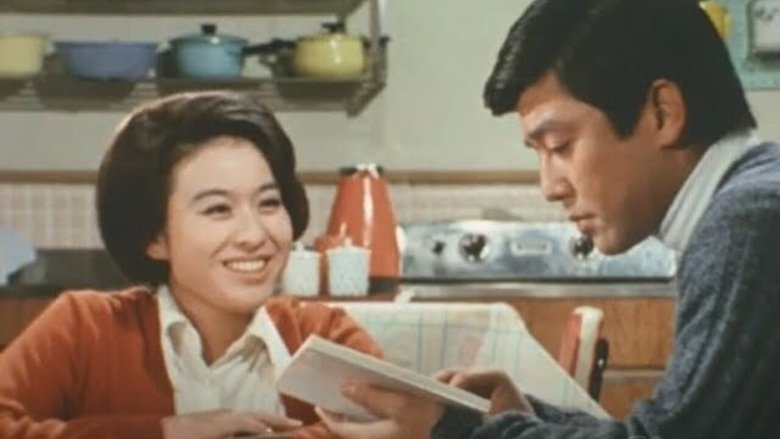
World of Two
One night, Jiro and Reiko fell in love at first sight, and on the seventh day he proposed to her, and three months later they were married. However, the difference in upbringing between Jiro, who was born and raised in a farmhouse in Shinshu, and Reiko, who is a city girl by nature, sometimes causes small ripples in their sweet newlywed life.

Case of a Young Lord 8
A family is brutally murdered in their own home and the official government's sake dealer is framed as a rebel by a corrupt member of the Shogun's Council of Elders. Young Lord decides to take on the Shogun's vile chief attendant.
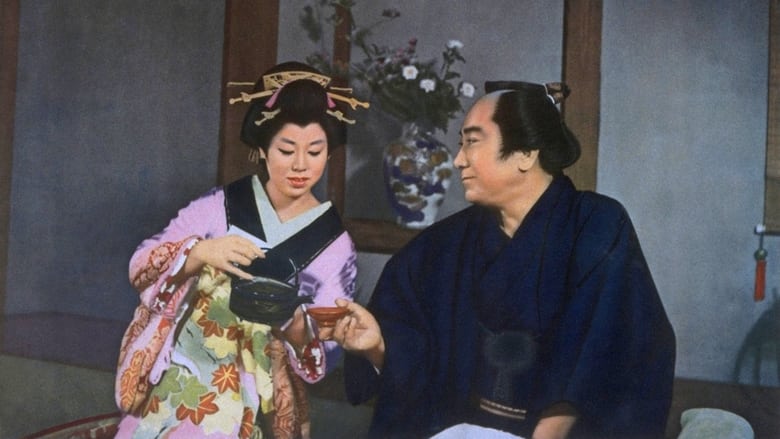
Hero of the Red Light District
A successful textile industrialist from the provinces, who is beloved by his employees for his kindness, cannot find a wife because of a disfiguring birthmark on his face. Even the courtesans in Yoshiwara refuse to entertain him, until an indentured peasant prostitute, Tamarazu, takes the unsavoury assignment and treats him with brash tenderness.
Harakiri
Down-on-his-luck veteran Tsugumo Hanshirō enters the courtyard of the prosperous House of Iyi. Unemployed, and with no family, he hopes to find a place to commit seppuku—and a worthy second to deliver the coup de grâce in his suicide ritual. The senior counselor for the Iyi clan questions the ronin’s resolve and integrity, suspecting Hanshirō of seeking charity rather than an honorable end. What follows is a pair of interlocking stories which lay bare the difference between honor and respect, and promises to examine the legendary foundations of the Samurai code.
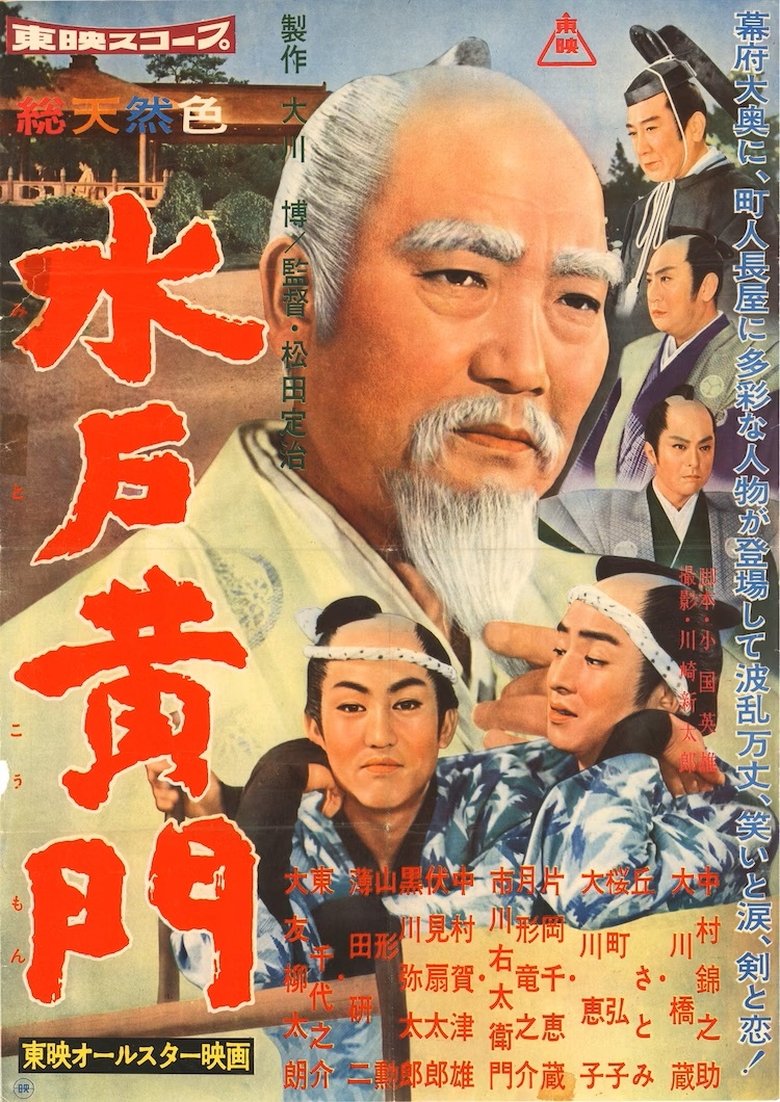
Lord Mito: All Star Version
In 1691 a terrible fire broke out in Denmacho, Yotsuya, burning down the towns around it, up to the shores of Shibaura. A month and a half later, another fire broke out, this time in Komagome, burning down the two gates of Asakusa and Sujikai, and continuing on into the night. As the government Elders consider evidence that these fires were arson, a fire breaks out in Hirakawa-cho, outside of Hanzo Gate. Nishonmaru catches on fire and burns down completely. When this rash of fires even strikes Kyoto, the task of finding who’s behind the arson, and stopping them falls to the Shogun’s uncle, the Elder Lord of Mito. Together with his trusted bodyguards, Kaku and Suke, the trio set of to save Japan from this scourge of evil. Featuring virtually all of their most famous stars, this is the best film in the Toei series about Mito Komon, one of Japan’s most popular historical figures who traveled through the country incognito to check on the people and fight injustice.
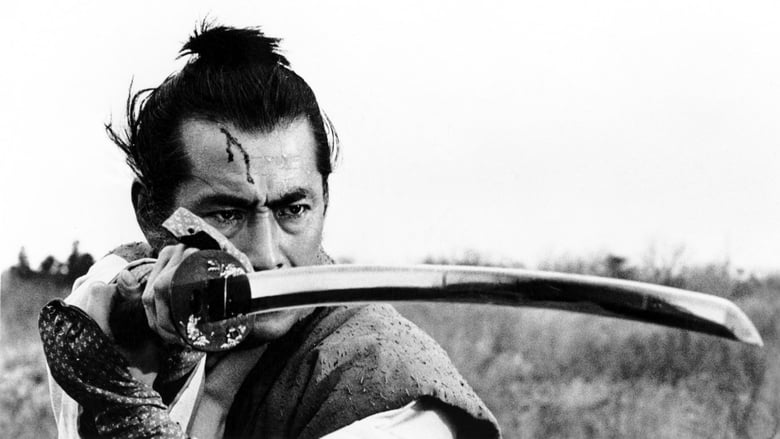
Samurai Rebellion
The mother of a feudal lord's only heir is kidnapped away from her husband by the lord. The husband and his samurai father must decide whether to accept the unjust decision, or risk death to get her back.
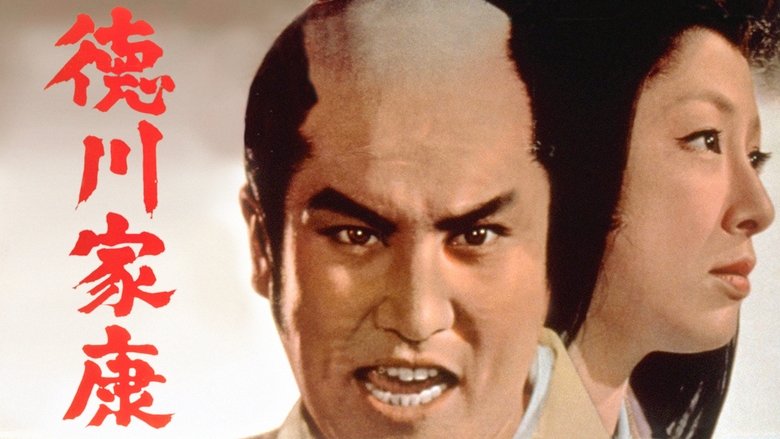
Lord Tokugawa Ieyasu
In turbulent 16th-century Japan, the leaders of a minor fief have their child taken from them as a political hostage. His mother and his clan endure years of tribulations until he can return.
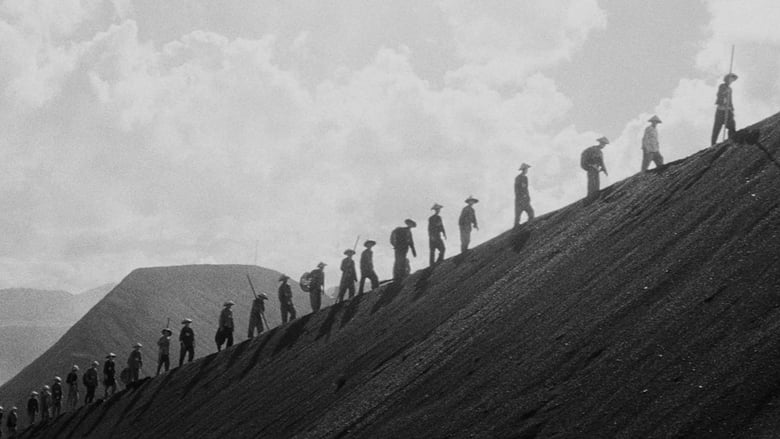
The Human Condition I: No Greater Love
After handing in a report on the treatment of Chinese colonial labor, Kaji is offered the post of labor chief at a large mining operation in Manchuria, which also grants him exemption from military service. He accepts, and moves to Manchuria with his newly-wed wife Michiko, but when he tries to put his ideas of more humane treatment into practice, he finds himself at odds with scheming officials, cruel foremen, and the military police.
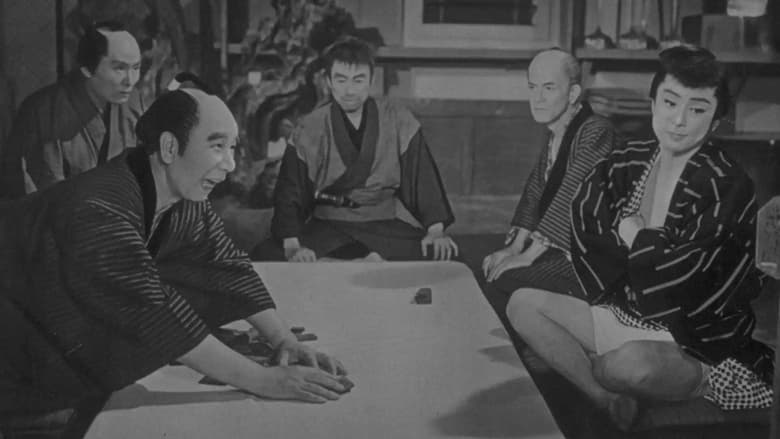
Lord Mito 2: The Nation's Vice Shogun
After settling the matter of shogunal succession, the retired Old Lord of Mito finds himself in a sea of trouble when he gets involved in the succession of the Takamatsu clan. The usurpers try by every means to effect their takeover, even if it leads to blood being spilled. Along with Kaku and Suke, the elder must face the most dangerous time of his life, in a battle against those corrupt individuals who would use any means to further their dastardly conspiracy, regardless of how many lives might be destroyed. The great Misora Hibari gives a bravura performance, as does the rest of this all-star cast. This is another outstanding effort on the part of the Toei Films, blending fact and fiction to bright back Japan’s golden era of the Genroku period.
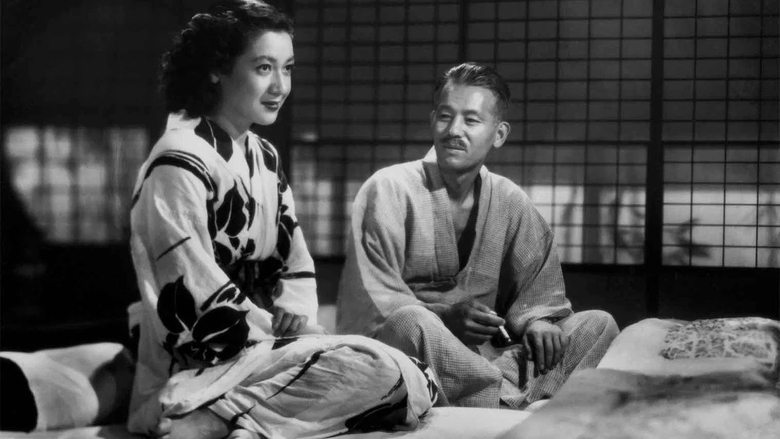
Late Spring
Noriko is perfectly happy living at home with her widowed father, Shukichi, and has no plans to marry -- that is, until her aunt Masa convinces Shukichi that unless he marries off his 27-year-old daughter soon, she will likely remain alone for the rest of her life. When Noriko resists Masa's matchmaking, Shukichi is forced to deceive his daughter and sacrifice his own happiness to do what he believes is right.
Filmography
as Funayado Tokubei
as Vitalis (voice)
as Yoshida
as Nobuyuki Tobita
as Village Leader (voice)
as Narrator (voice)
as Narrator
as Ieharu
as Sanzaemon Yanase
as Nanashino Gonbei
as Tamura
as Buddhist Priest
as Takuetsu
as Ogawa Kobei
as Ryuichi Terasawa
as Professor Hirayama
as Arai Toragoro
as Tango Inaba
as Shobei Iwase
as Jikai Kitami
as Maruyama
as Onikura Mutsu Nokami (voice)
as Himori
as Yahei
as Asai
as Kensaku Kitajima
as Doman
as Yutaka Tachibana
as Toshio Namikawa
as Kuroki Shochô
as Yagyu Tsushima-no-kami
as Oniyasha
as Oniyasha
as Ehei Ikuta
as Lord Matsudaira
as Kagiya Jinbee
as Satomi Hoshi-Morito
as Dr. Yamauchi
as Chief Ishiwari
as Haruo Kuboki
as Enomoto Takeaki
as Managing Director Furuya
as 赤羽根主膳
as Ryosuke Fukuhara
as Munekata Ominokami
as Nagashima
as Tonosuke Kondo
as Tasuzô Fujimura
as Kazushichi Kineya
as Onishi
as Aramaki
as Jo Onodera
as Kenzo Iguchi
as Kenzo Iguchi
as Shinzo
as Heisuke Gakuyaban
as Takeno
as Tanno-san
as Koyanagi, the lawyer
as Madame's husband
as Kurata
as Actor
as Bad boy at Rokku