
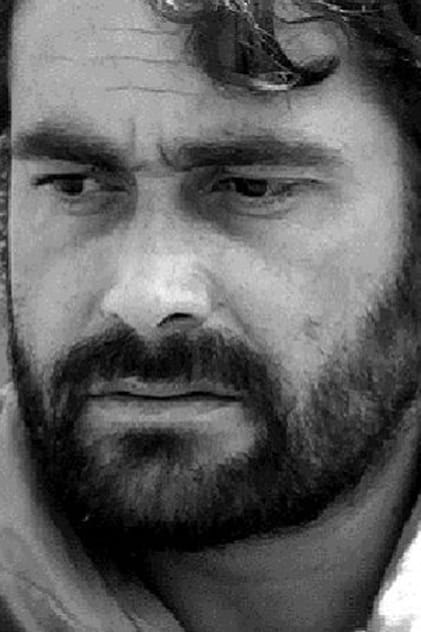
Maurício do Valle
Acting
Biography
Maurício de Miranda do Valle (Rio de Janeiro, March 1, 1928 — Rio de Janeiro, October 7, 1994) was a Brazilian actor. His career in national cinema was marked by his partnership with filmmaker Glauber Rocha, with whom he worked on the films Deus e o Diabo na Terra do Sol (1963), Terra em Transe (1966), O Dragão da Maldade contra o Santo Guerreiro (1968) and The Age of the Earth (1980). His career was marked by playing villains, rustic and powerful types, acting in both dramas and comedies.
Born: March 1, 1928
Place of Birth: Rio de Janeiro, Rio de Janeiro, Brazil
Known For
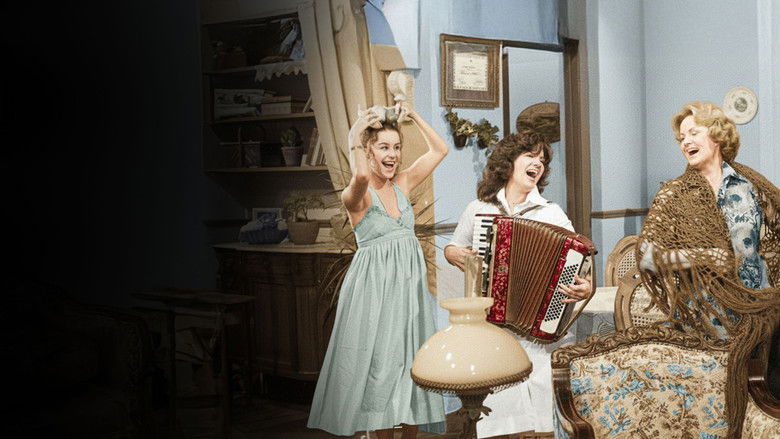
Feijão Maravilha
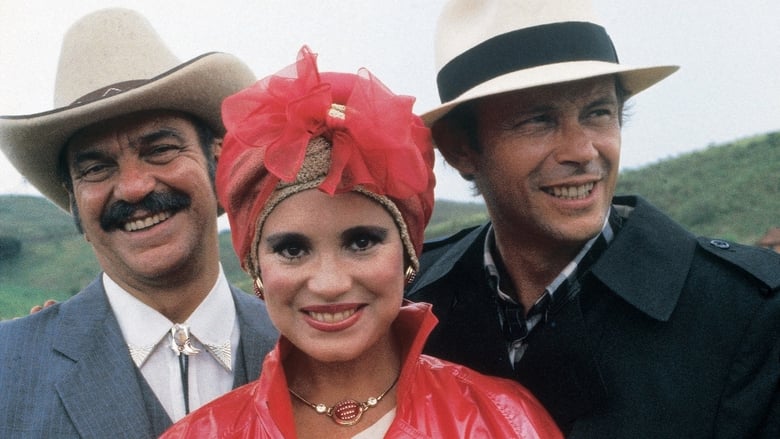
Roque Santeiro
In the tiny poor town of Asa Branca, in the middle of Brazilian Northeast, Roque Santeiro is worshiped as a saint. He was supposedly killed by a bandit, 18 years ago, trying to save the local church. After his disappearance, local leaderships such as landowner Sinhozinho Malta and mayor Florindo, took profit on that to control the humble population. They even make up a widow, Porcina, who should have married Roque secretly before his death. What they don't expect is that Roque is alive, and he's back to, allegedly, "save his people". Now Malta, Florindo, Porcina, and others must hold him down and explain the "truth" to their commoners, in a desperate attempt to save their own bottoms. Meanwhile, mysterious facts surround Asa Branca, such as a Werewolf, a film crew who are trying to shoot a movie about Roque's story, and violent murderers.
Pé de Vento

The Trapalhões
Os Trapalhões was a Brazilian comedy group and also a Brazilian television series created by Wilton Franco. Its members were Dedé Santana, Zacarias, Mussum and their leader Didi Mocó, that was played by Renato Aragão. The name Trapalhões is derived from the Portuguese verb atrapalhar, which means the opposite of helping, to do something the wrong way or to Those that confuse. The name is translated "Tramps" in English DVD subtitles. It was aired by Rede Globo from 1977 to 1999. On March 18, 1990, Zacarias died due to respiratory failure, but the group and the series didn't come to an end until July 29, 1994, when Mussum died due to an unsuccessful heart transplant.

O Tempo e o Vento
It tells the story of the Camabará family for many generations, which were fundamental to the social and political formation of the state of Rio Grande do Sul. The stories are remembered by Dona Bibiana, who remembers the life of her grandmother Ana, her husband, the Captain Rodrigo, his son Bolivar and his daughter-in-law Luzia.
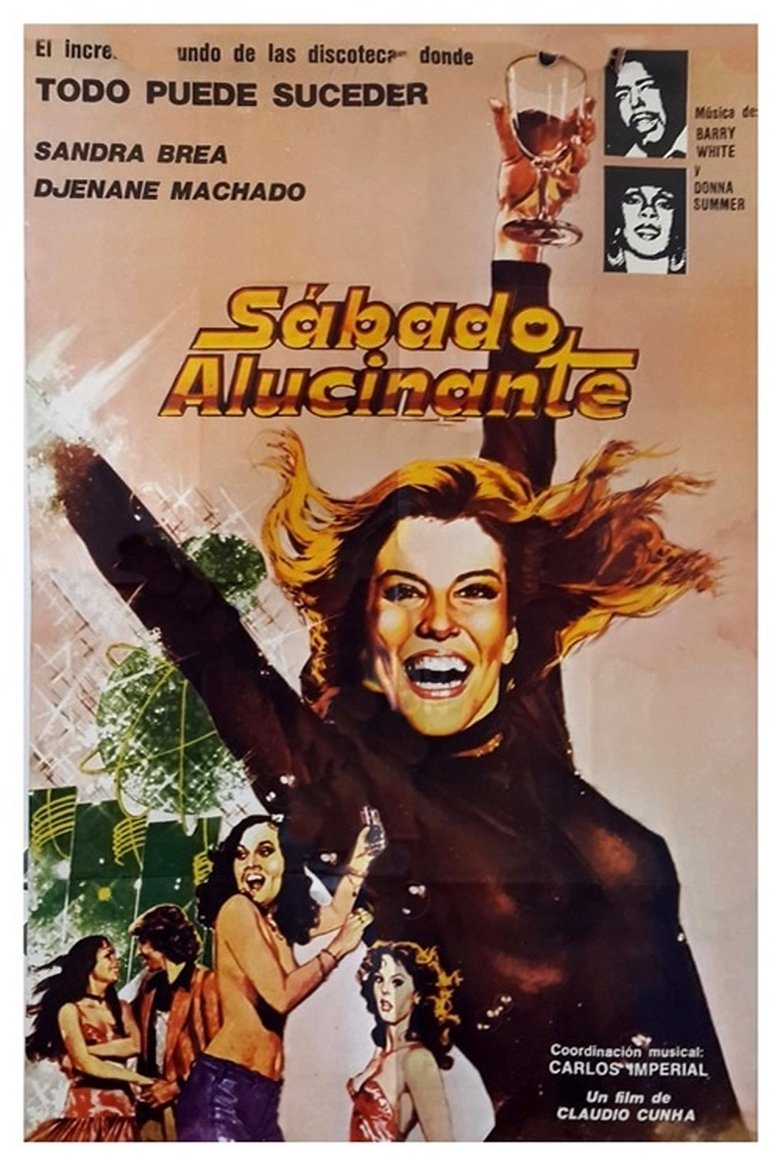
Delirious Saturdays
From Friday night 'til Sunday morning, the doors of a new world open inside a nightclub in the South Zone of Rio de Janeiro. We watch the emotions and conflicts experienced by a series of characters, who find on the dance floor the ideal stage to represent the tragedy of their lives.
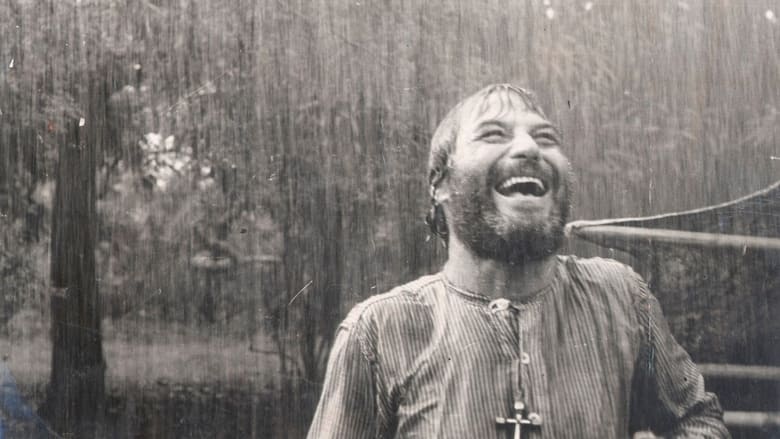
The Hour and Turn of Augusto Matraga
Augusto Matraga is a violent agressive farmer who, after being betrayed by his wife and trapped by several enemies, is bitten up and left for dead, being rescued by a couple of humble small farmers who nurse him for a long time until he is well again. Influenced by the couple, Matraga starts a long penitent life while waiting for his hour and chance to payback, starting a fight between his violent nature, his hidden desire of vengeance and the mysticism and goodness which is also part of him.
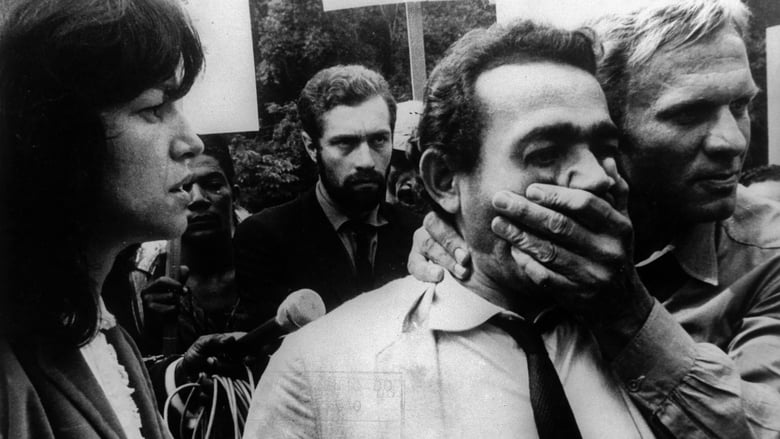
Entranced Earth
Eldorado, a fictitious country in America, is sparkling with the internal struggle for political power. In the eye of this social convulsion, the jaded journalist Paulo Martins opposes two equally corrupt political candidates: a pseudopopulist and a conservative. In this context, Paulo is torn between the madness of the elite and the blind submission of the masses. But, in this complex tropical reality, nothing really is what it seems to be.
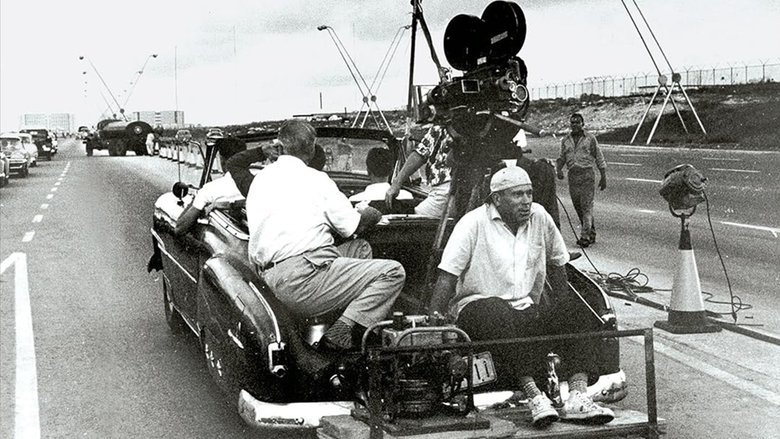
I Am Cuba, the Siberian Mammoth
Contemporary film critics regard the epic film I Am Cuba as a modern masterpiece. The 1964 Cuban/Soviet coproduction marked a watershed moment of cultural collaboration between two nations. Yet the film never found a mass audience, languishing for decades until its reintroduction as a "classic" in the 1990s. Vicente Ferraz explores the strange history of this cinematic tour de force, and the deeper meaning for those who participated in its creation.
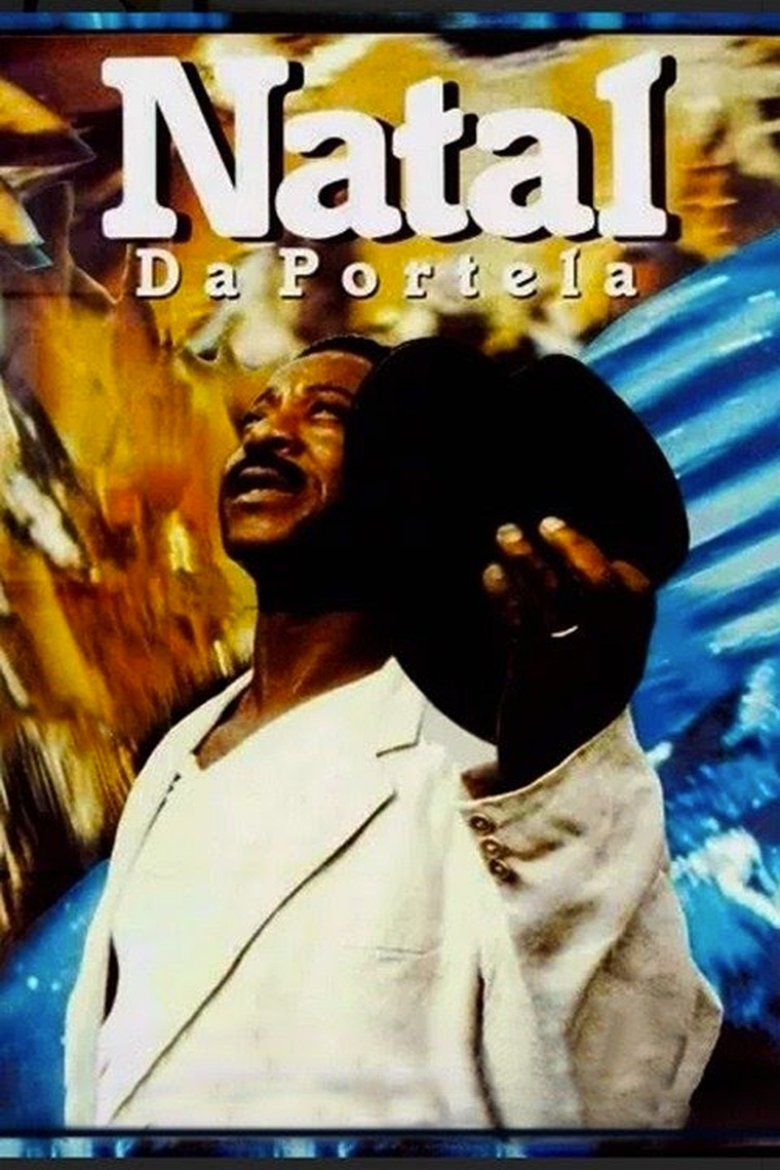
Natal da Portela
Biography of one of the legendary names in the Samba genre of Brazilian music. Although he could hardly dance or play an instrument, he became one of the main composers of Portela, an important Samba "school" in Rio de Janeiro.
Filmography
as Self
as Self (archive footage)
as Antônio das Mortes (archive footage)
as Torquato
as Dono do Buchada
as Montalvão
as Geraldo
as Líder dos bandidos
as Delegado Feijó
as Martins
as Coronel Ferreira
as Domingos Jorge Velho
as Rubinho
as Cel. Amâncio Leal
as homem forte
as Roldão
as Sérgio
as Edgar
as Brahms
as Deputado
as Boa Gente
as Tomé
as Matias Cardoso
as Ivan
as Paulo
as homem na boate Petit Paris com quem Nenê Minhoca arruma briga com Formoso
as Miranda
as João Ramalho
as Bacanaço
as Vários
as Tranca-Ruas
as Quico
as Manuel - Segment 2 - Filó s husband
as Sapo
as Zelão
as Domador de leões
as Fabiano
as Corisco
as Antônio das Mortes
as Capitão Jagunço
as Detective Lincoln Monteiro
as Renatão
as Carcará
as Segurança
as Riobaldo
as Antônio das Mortes
as Guarda-costas
as Casimiro
as Zeca