
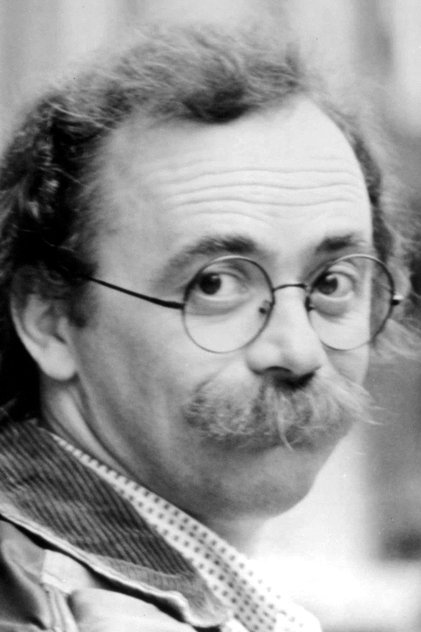
Maurizio Nichetti
Acting
Biography
Maurizio Nichetti (born 8 May 1948) is an Italian film screenwriter, actor and director. His 1989 film The Icicle Thief won the Golden St. George at the 16th Moscow International Film Festival.[1] In 1998 he was a member of the jury at the 48th Berlin International Film Festival. From Wikipedia, the free encyclopedia
Born: May 8, 1948
Place of Birth: Milan, Lombardy, Italy
Known For
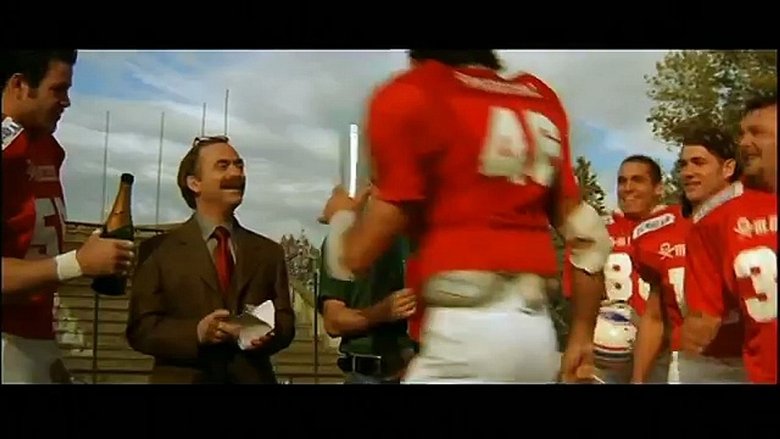
Ciao America
Having recently earned his college degree, Lorenzo Primavera (Eddie Malavarca) leaves his home in Boston to travel to his family's ancestral homeland in Italy -- as was requested by his late grandfather. Upon arriving, Lorenzo is offered a short-term position as coach for an American-style football team by the team's manager, Giulio Fellini (Maurizio Nichetti). As the young American immerses himself in his new duties, he makes the acquaintance of Paola Angelini (Violante Placido) and the two begin a friendship that quickly blossoms into something more. In between spending time with Paola and working with the team, Lorenzo also begins investigating his own family's history and learns the reason for his grandfather's departure from Italy, as well as why his grandfather never returned to visit. As Lorenzo begins to forge an identity for himself in Italy -- not to mention strong romantic attachments to Paola -- he must eventually decide whether or not to return to the States.
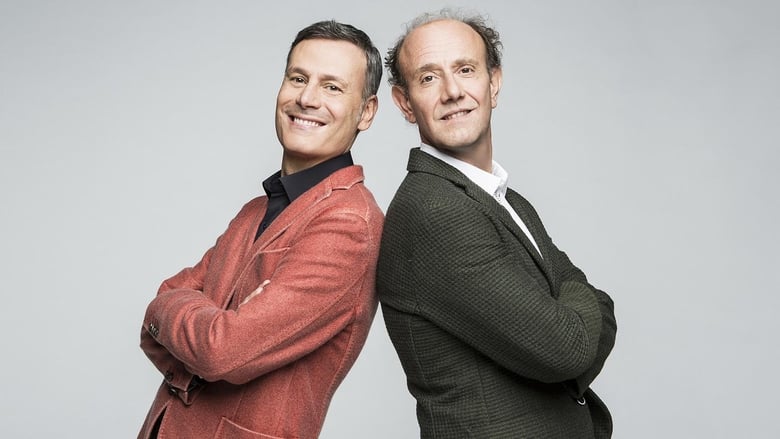
Buona la prima!
Buona la prima! is an Italian television series.
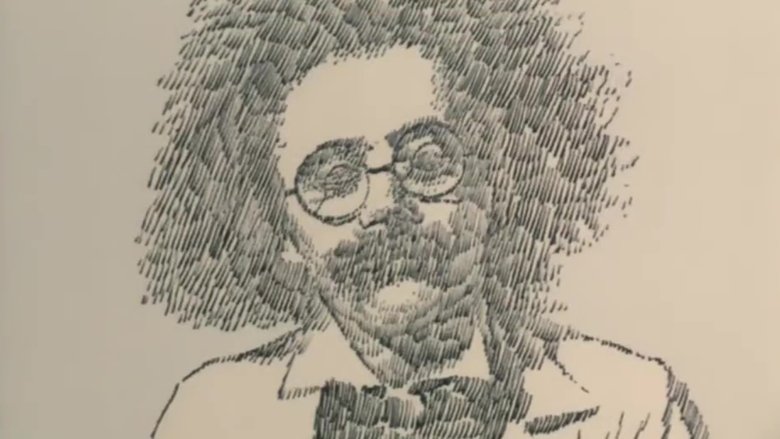
S.O.S.
Expect the unexpected in this unusual short that combines live action and animation.

The Icicle Thief
Director Maurizio Nichetti is invited on TV to introduce a screening of his neo-realist classic 'The Icicle Thief'. He is horrified to discover that his black-and-white tale of life in poverty is constantly interrupted by garish color commercials, and even more horrified when a power cut in the studio causes film and commercials to mix up – a glamorous model finds herself in the arms of an unemployed pauper, while his wife finds herself in consumers' heaven. Nichetti has to break into the film to try to sort everything out.
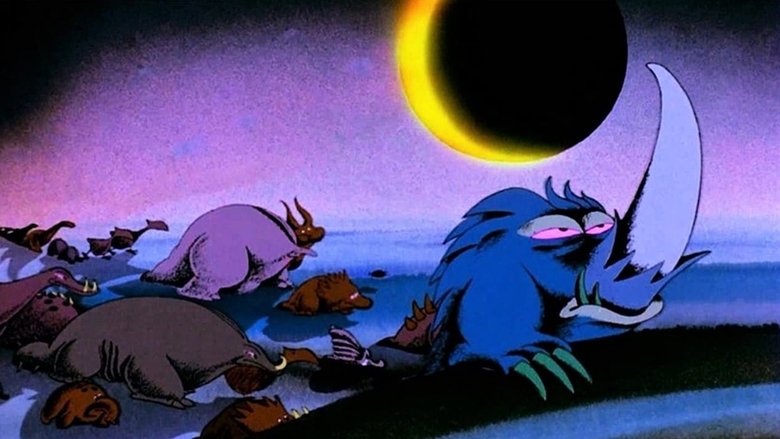
Allegro non troppo
The film is a parody of Disney's Fantasia, though possibly more of a challenge to Fantasia than parody status would imply. In the context of this film, "Allegro non Troppo" means Not So Fast!, an interjection meaning "slow down" or "think before you act" and refers to the film's pessimistic view of Western progress (as opposed to the optimism of Disney's original).
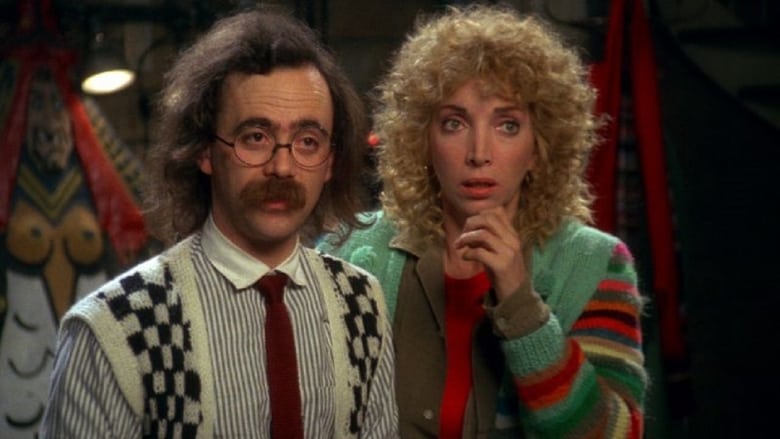
Tomorrow We Dance
Aliens send a hypnotic signal through a TV channel, and the signal makes people dance and makes them forget their fears.

Seven Sundays
Dodo, a French man living in Florida, has one goal in life: Get by without working. Difficult to implement without the help of some women. Betty is one of them, and a gypsy's bride, who suddenly disappears, changing Dodo's life.

What Do You Know About Me
Until the 1970s, Italian cinema dominated the international scene, even competing with Hollywood. Then, in just a few years, came its rapid decline, the flight of our greatest producers, a crisis among the best writer-directors, the collapse of production. But what are the true causes and circumstances of this decline? In an attempt to provide an answer to this question, Di Me Cosa Ne Sai strives to depict this great cultural change. Begun as a loving examination of Italian cinema, the film transformed into a docu-drama that alternates between interviews with the great names of the past and fragments of cultural and political life of the last 30 years. It is a travel diary that shows Italy from north to south, through movie theatres; television-addicted kids; Berlusconi and Fellini; shopping centers; TV news editors; stories of impassioned film exhibitors and directors who fight for their films; and interviews with itinerant projectionists and great European directors.
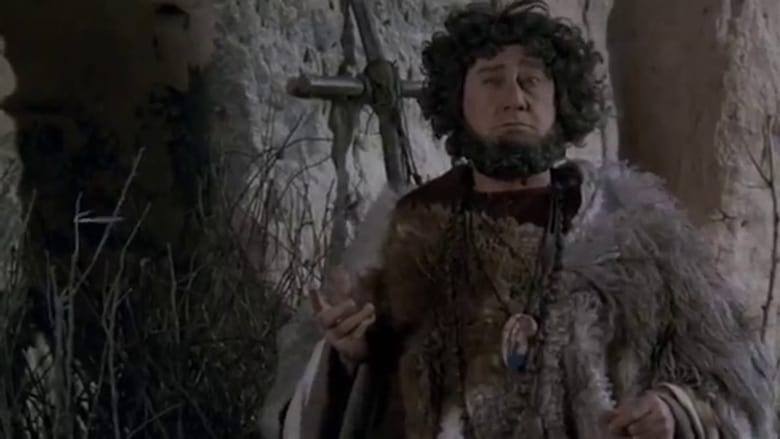
Bertoldo, Bertoldino, and Cacasenno
During the reign of King Alboin, the peasant Bertoldo, sly and smart, manages to always get away with pranks and pleasantires with great mastery, and, even if his clumsy wife Marcolfa and their foolish son Bertoldino always put him in trouble, his shrewdness and acumen save him from any unfortunate situation...
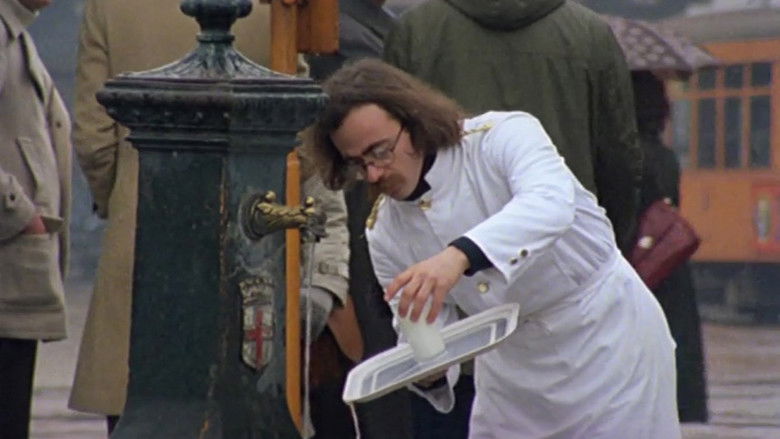
Ratataplan
Misadventures of Colombo, an engineer in Milano. He is the only winner of an admission test for a job, and just for this reason he isn't hired. So he becomes a barman, and he discovers a special formula that turns simple water into the "Immortality drink". He is robbed of the magic water copyright. So he tries to set up a theatrical company, but the first show is a fiasco. Since finding a normal job seems a mission impossible, he tries to set the sentimental side of his life. He targets the most beautiful girl of his building, and for her he builds a robot able to dance like Tony Manero (John Travolta's character in Saturday Night Fever (1977)). The robot gets drunk (!). It is another fiasco. So he targets an ugly girl and finally with her succeeds to live his surreal world for ever.
Filmography
as Sé stesso
as Sé stesso
as Regista
as Rider
as Prof. Fanfulla
as Himself
as Telegatto Award Recipient
as Self
as Suggeritore
as Self
as Giulio Fellini
as Ing. Alberto Colombo
as Angelo Franchini
as Jésus
as Stefano
as Maurizio
as Self / Antonio Piermattei
as Bertoldino
as Atlante
as Maurizio
as Self
as Maurizio
as The teacher
as Colombo
as violinista
as Animator
as The Photographer
as Gianni