
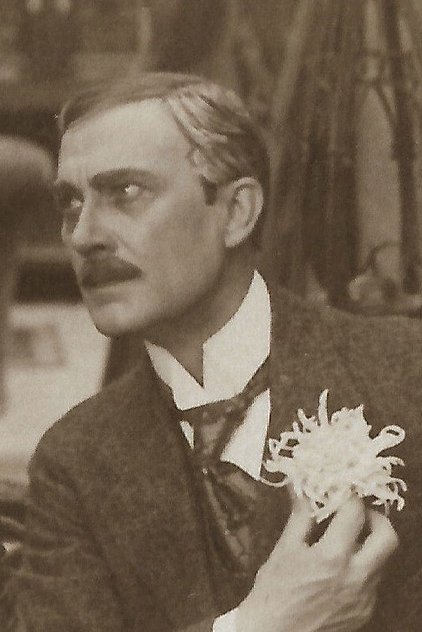
Max Ruhbeck
Acting
Biography
No biography available for Max Ruhbeck.
Known For
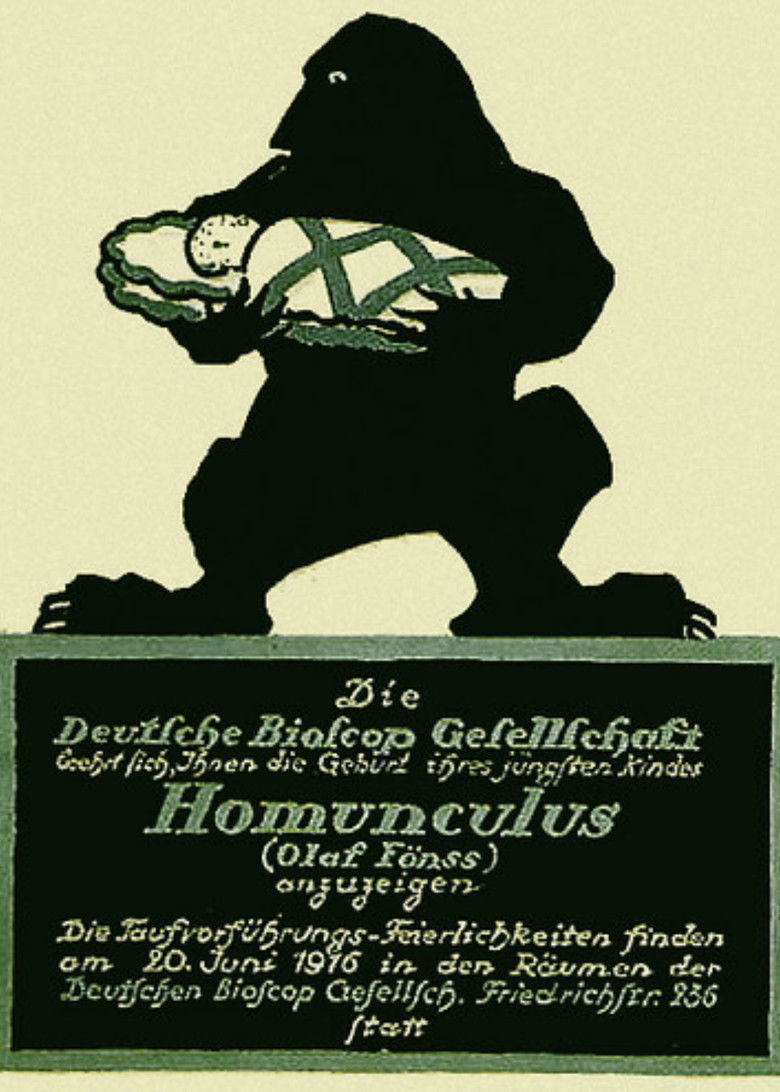
The Love Tragedy of the Homunculus
The homunculus and his companion Edgar Rodin make an invention that would allow the hateful homunculus to destroy the world. But first he wants to find out about love. When he observes how young Anna is rejected by her parents, he takes care of her and asks her parents for forgiveness - without success. He brings her to her seducer, who also rejects the girl. The homunculus then takes revenge by ruining the man financially and throwing Anna at his feet. But she still loves the villain and asks Homunculus for mercy. The homunculus cannot understand this feeling of love - he wants to try it out on himself. He puts a young woman who loves him to the hardest test, but she will do anything for him, sacrificing her fiancé and her parents. Only when he reveals his artificial nature to her, she leaves him. This experience confirms the homunculus in his intention to destroy mankind.
The Man in the Iron Mask
Years have passed since the Three Musketeers, Aramis, Athos and Porthos, have fought together with their friend, D'Artagnan. But with the tyrannical King Louis using his power to wreak havoc in the kingdom while his twin brother, Philippe, remains imprisoned, the Musketeers reunite to abduct Louis and replace him with Philippe.
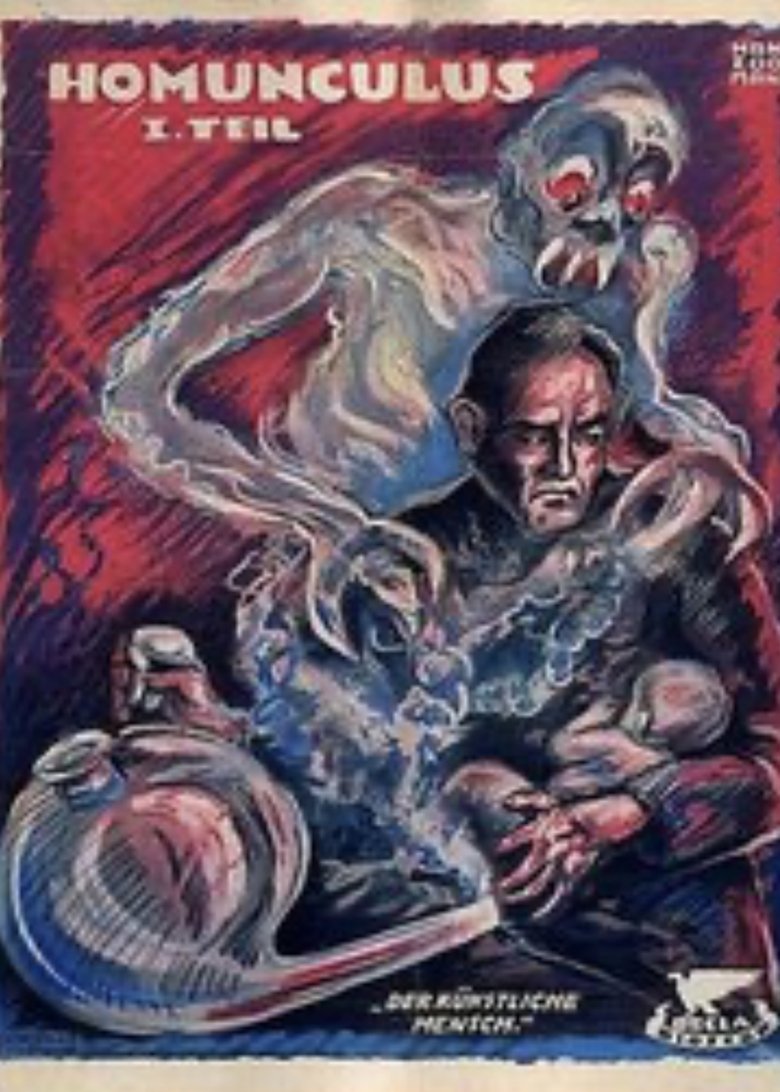
The Artificial Man
Part of the artificial-creature series encompassing Der Golem (1914 and 1920), Alraune (1918, 1928, 1930) and Metropolis (1926), 'Homunculus' was the most popular serial in Germany during World War I even influencing the dress of fashionable Berlin. Foenss, a Danish star, is the perfect creature manufactured in a laboratory by Kuehne. Having discovered his origins, that he has no 'soul' and is incapable of love, he revenges himself on mankind, instigating revolutions and becoming a monstrous but beautiful tyrant, relentlessly pursued by his creator-father who seeks to rectify his mistake.
Tales of Hoffmann
This movie, directed by Richard Oswald, is based on the operetta "Les contes de Hoffmann" by Jacques Offenbach (1819-1880), which is a genial musical potpourri from various short stories and novels by the Prussian writer, composer, painter, lawyer and judge E.T.A. Hoffmann (1776-1822). While Hoffmann's literary work was longtime considered to be merely fantastical, it was finally researched, in the last years, according to its metaphysical background. Characteristic for Hoffmann's work is his life-long fight against rationalism and for the revelation of nature morte, culminating mostly in carnival-like scenes anticipating literary techniques only described in the works of Bachtin and Bachelard.

Das Glück der Frau Beate

Das verwunschene Schloß
Twenty years ago, the Count of Groningen left his ancestral castle. Since then, it is said to be haunted. Shortly before his escape from the dark walls, the Count had left his newborn child to the care of the administrator and farmer Grödner. The nasty Grödner had already swapped his own child Veronika with the Count's in the cradle, probably because he hoped to one day gain possession of the castle.

Lepain, der König der Verbrecher - 3. Teil
Der eiserne Wille

Das Buch des Lasters
A sculptor obsessed with a pianist will stop at nothing to rid himself of any competition for her affections.

Der Erbe von "Het Steen"
Filmography
as Graf
as Kaufmann Herdor
as Baron von Franken
as Generalprokurator Steffens
as Generalprokurator Steffens
as Onkel