
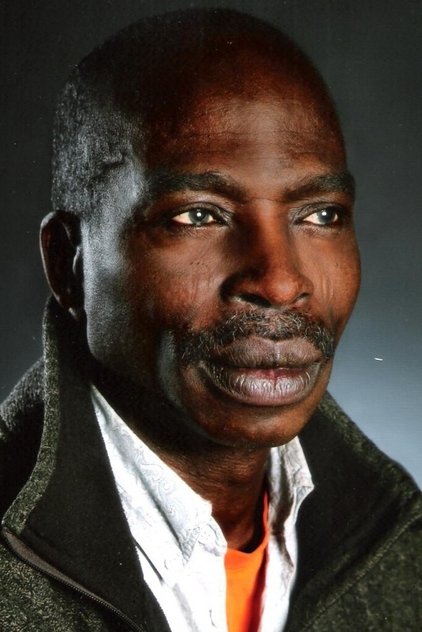
Michael Ojake
Acting
Biography
No biography available for Michael Ojake.
Known For
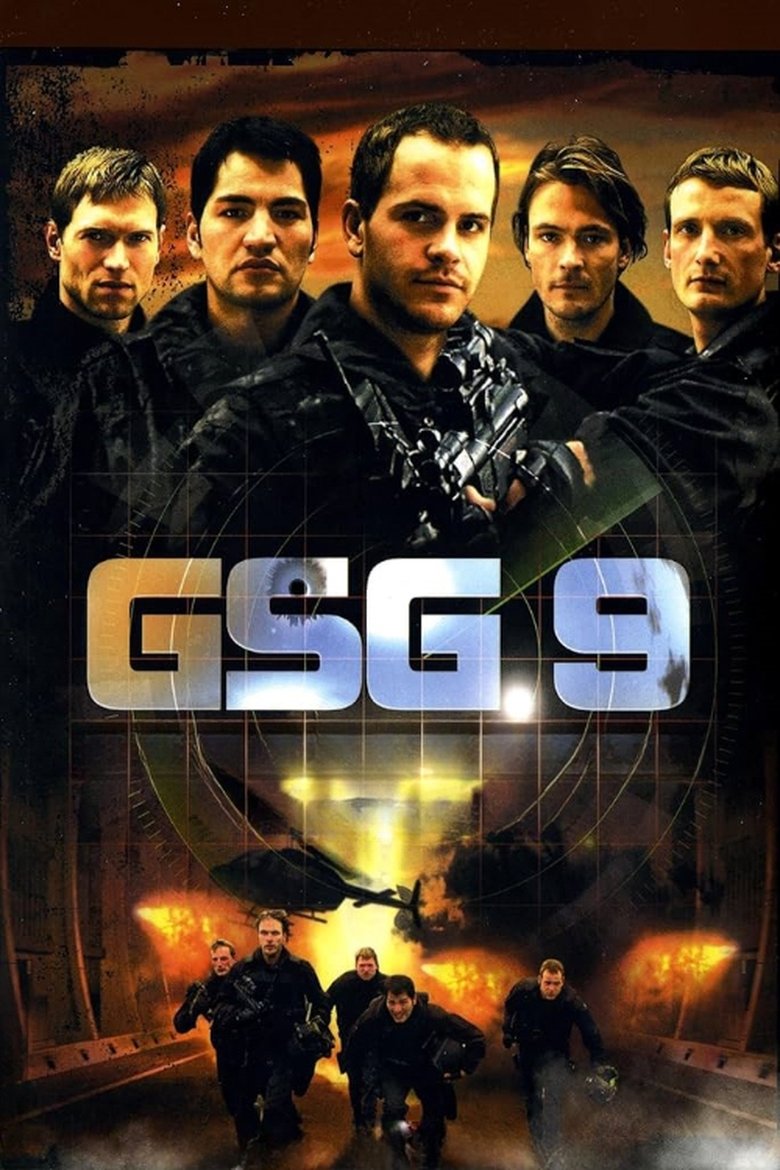
GSG 9 - Ihr Einsatz ist ihr Leben
GSG 9 is a German TV-series about the special unit GSG 9 der Bundespolizei of the German Federal Police. It premièred in the Spring of 2007. Its original title, GSG 9 - Ihr Einsatz ist ihr Leben, is a pun on the word Einsatz. Einsatz can be translated as "mission, stake, bet, dedication", depending on the context. Thus, it can be translated as, GSG 9 - Their Mission Is Their Life or GSG 9 - They Put Their Lives at Stake.
Polizeiruf 110
Polizeiruf 110 is a long-running German language detective television series. The first episode was broadcast 27 June 1971 in the German Democratic Republic, and after the dissolution of Fernsehen der DDR the series was picked up by ARD. It was originally created as a counterpart to the West German series Tatort, and quickly became a public favorite.
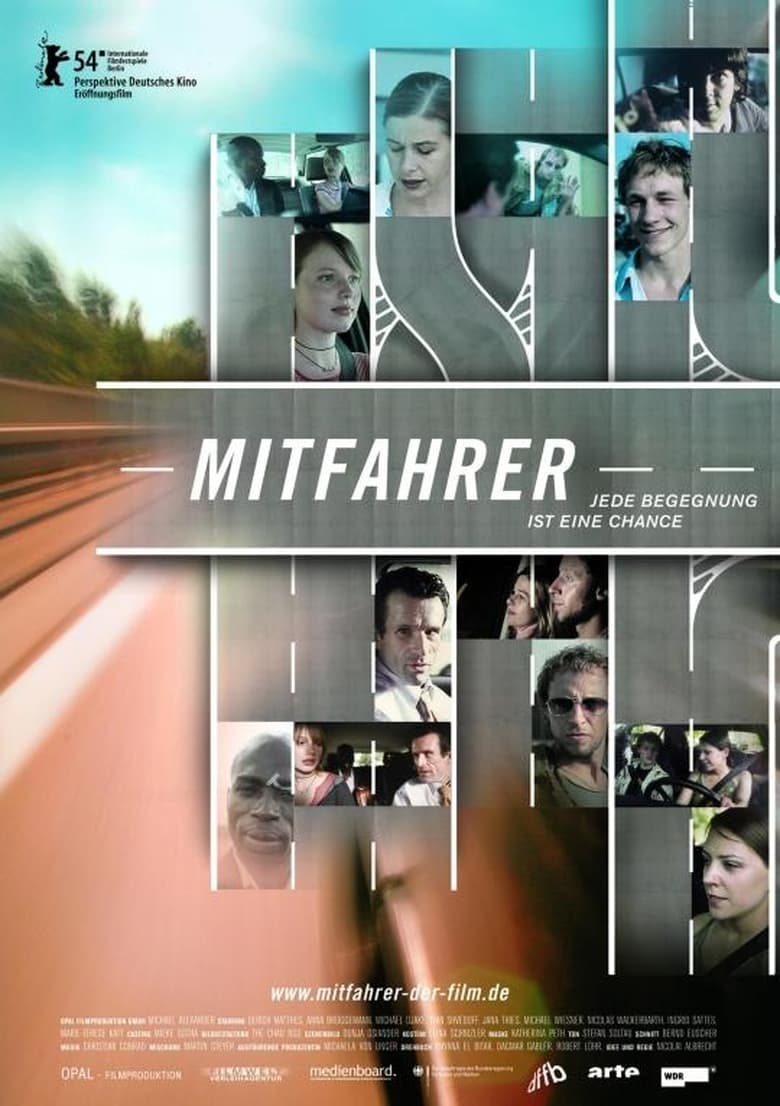
Traffic Affairs
Eight people on a journey across Germany. Each has a destination in mind, each has worries as well as wishes. Fate brings them together. The carpooling agency throws them together in three cars. They have to spend several hours together in a very confined space. A shy wallflower, a pushy swimwear salesman, a boy who wants to get out of the provinces for a weekend... Their lives become intertwined for a few hours during the trip. But how do such different people fit together at all? This question is the source of the movie's suspense.
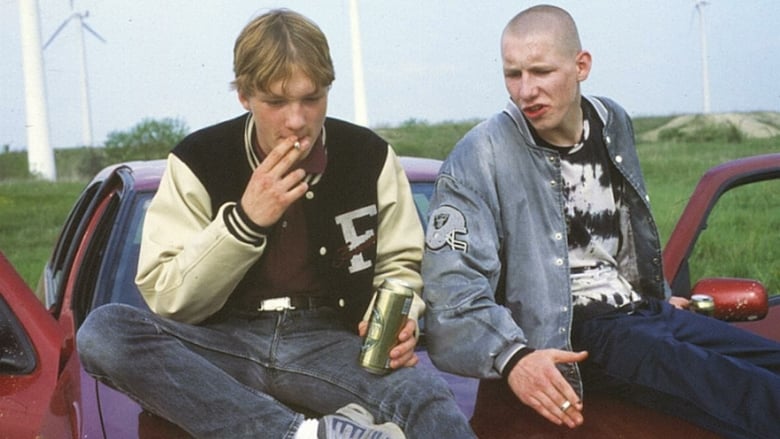
Liberated Zone
A financially devastated German town receives an encouraging boost with the arrival of a popular soccer star, though a heated love triangle threatens to overshadow the good vibes in this sexually liberated comedy from filmmaker Norbert Baumgarten.
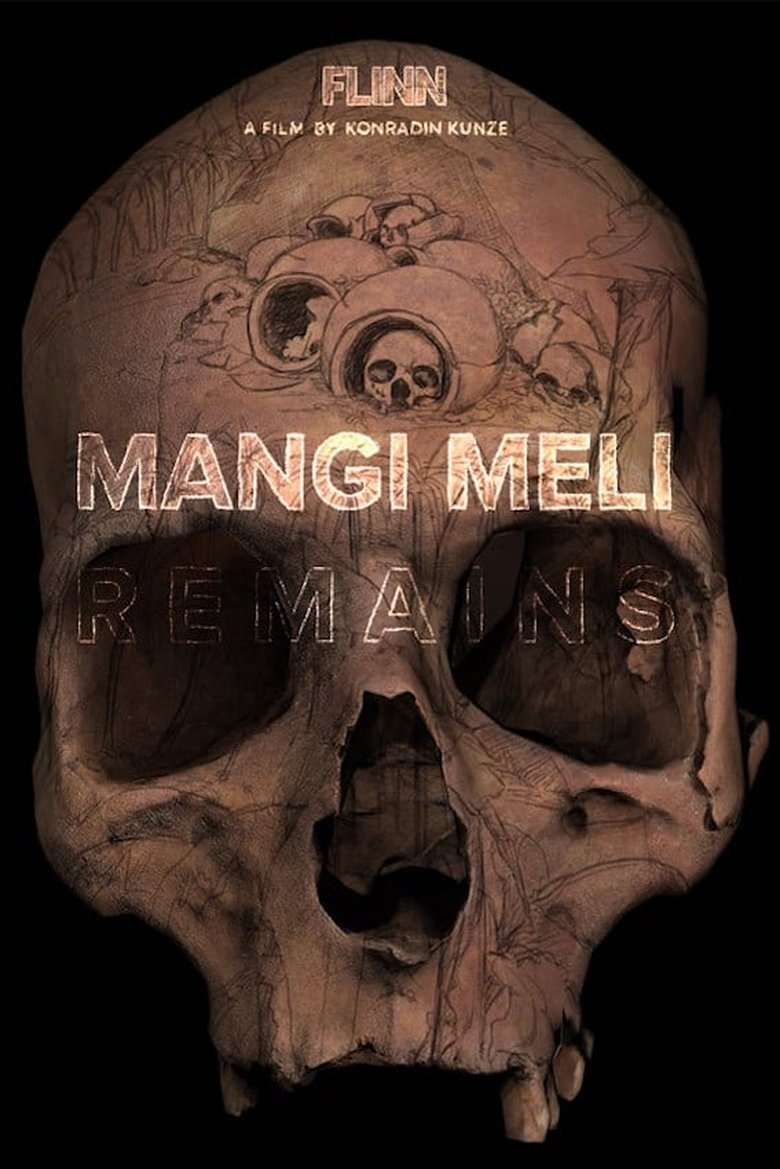
Mangi Meli Remains
In Old Moshi, Tanzania, a head is missing : the skull of Chief Meli, who fought the German colonial occupation of his territory and was executed in response to his resistance in 1900. This animated film, based on archival sources and oral accounts provided by Chief Meli's grandson, sheds light on the racist roots of physical anthropology and ethnological museums.