
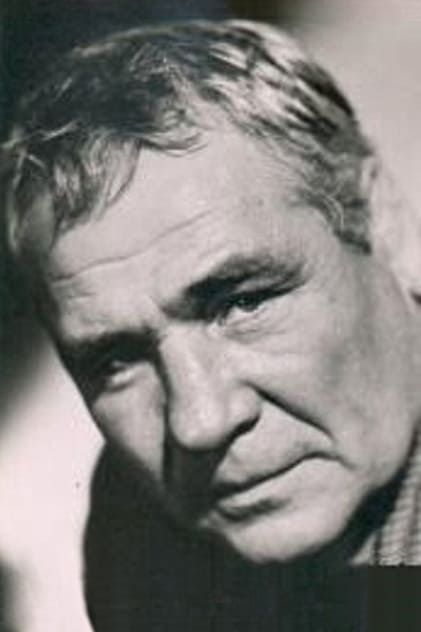
Nico Turoff
Acting
Biography
Nico Turoff (Ukrainian: Ніко Турофф; 6 December 1899 – 22 June 1978) was a Ukrainian boxer and actor. He appeared in more than one hundred films from 1926 to 1979. Source: Article "Nico Turoff" from Wikipedia in English, licensed under CC-BY-SA.
Born: December 6, 1899
Place of Birth: Kremenchuk, Poltava Governorate, Russian Empire [now Ukraine]
Known For
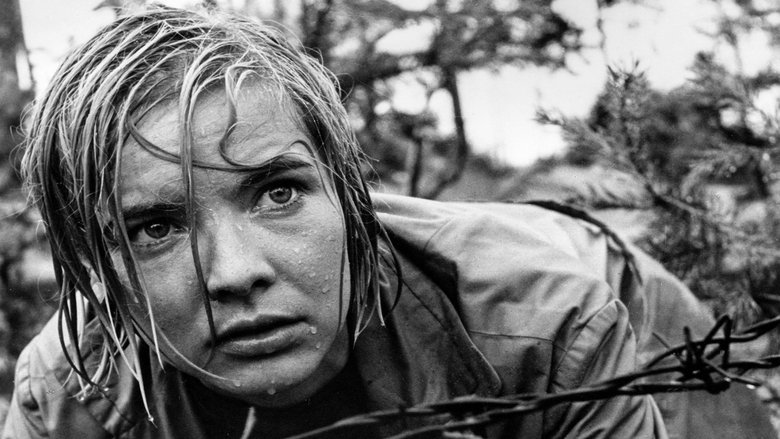
Star-Crossed Lovers
Magdalena and Michael have loved each other since they were children. But when the Nazis come to power, Michael rebels against the regime and is sentenced to fifteen years in a concentration camp. Magdalena, meanwhile, goes underground with the help of a friend and later immigrates to the Soviet Union. Michael, who has joined the Red Army, discovers on the way to Moscow that Magdalena is staying there. But when his plane lands, she is already on her way back to Germany. Michael hopes that one day, he and Magdalena will be reunited.
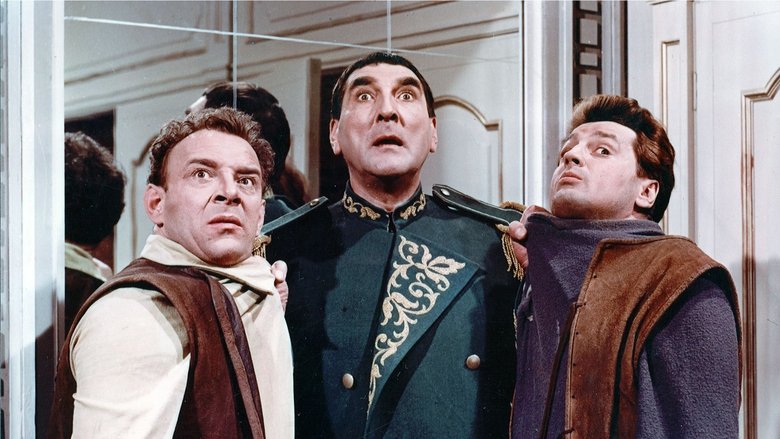
Das Kleid
Poor weavers Hans und Kumpan try to enter a town surrounded by a tall, impenetrable wall, where everyone is apparently very happy. When they finally make it inside, the tyrannical Emperor Max demands they make him new clothes that would "bring all creatures to their knees." Hans and Kumpan claim only intelligent people can see the robe, and in order to prove himself clever, the emperor haughtily displays himself before his subjects wearing his new invisible regalia.
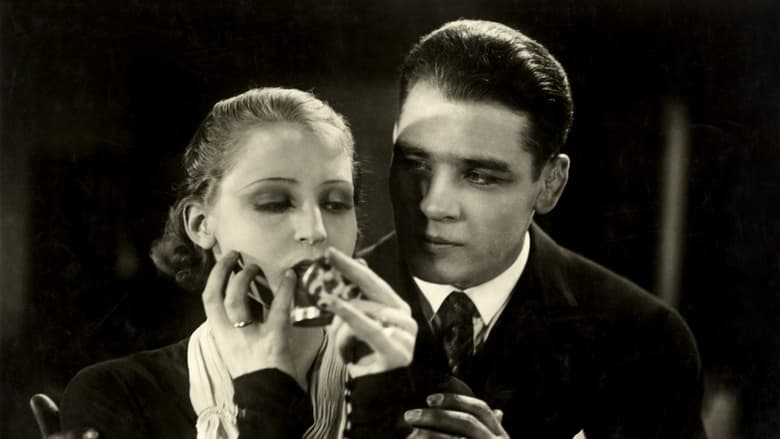
The Devious Path
Neglected by her husband, an ambitious lawyer, Irene seeks variety in Berlin's nightlife-- An evening of dancing, dolls, cocaine and immoral passion. Irene takes the "devious path" as she seeks to make her husband jealous.
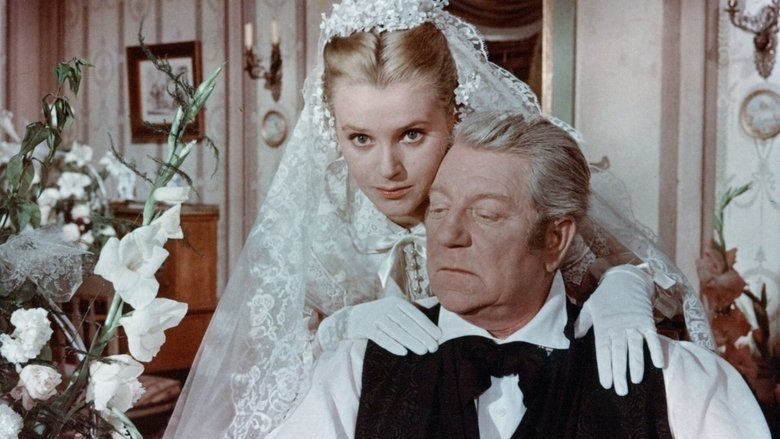
Les Misérables
In 19th century France, Jean Valjean, a man imprisoned for stealing bread, must flee a relentless policeman named Javert. The pursuit consumes both men's lives, and soon Valjean finds himself in the midst of the student revolutions in France.
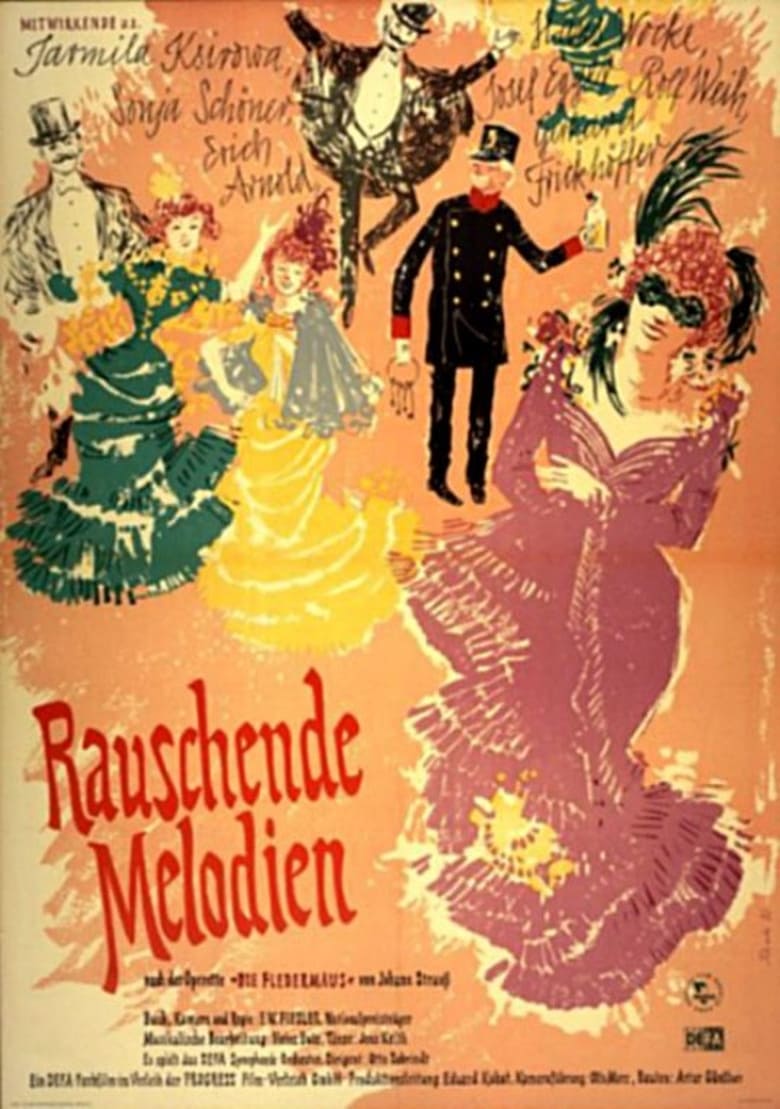
Rauschende Melodien
A close film adaptation of Johann Strauss' "Fledermaus". Notary Falke uses Prince Orlofsky's ball, at which the distinguished gentlemen of Viennese society enjoy themselves with the opera's ballet girls, to take revenge on Dr. Eisenstein, who once embarrassed him after a drinking bout. Falke also invites Eisenstein's wife Rosalinde. During the lavish party, Eisenstein courts his own wife, who is disguised as a Hungarian countess. In the morning, he hurries to prison to serve a short sentence. His indignation is great when a Dr. Eisenstein is already sitting there. He had been taken from his wife's arms the night before. He makes a scene for Rosalinde, but she convicts him of infidelity with the Hungarian countess.
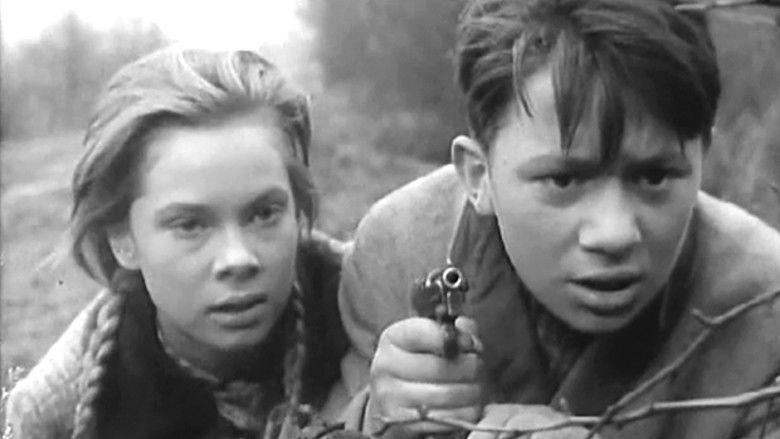
When Martin Was Fourteen
Martin′s and his girlfriend′s Kathrin′s childhood comes to an abrupt end in 1920, when their Mecklenburg village is drawn into the events surrounding the Kapp putsch. By accident, Martin discovers a charge of weapons that land owner von Bröder had put away for the reactionary forces, and gives them to the workers in the city. When the village starts to organize a strike against the putsch, soldiers arrive at the village to hold down the residents of the village.
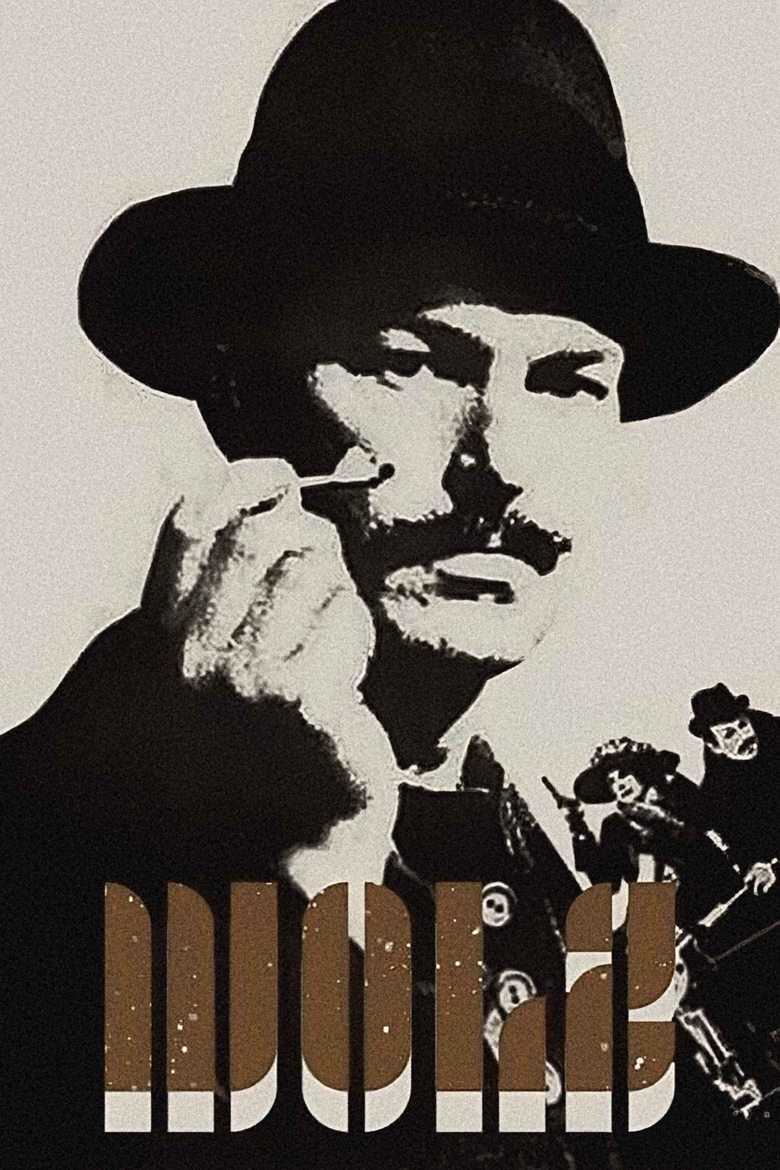
Wolz – Life and Transfiguration of a German Anarchist
Soldier Ignaz Wolz returns from WWI with an immeasurable hatred of capitalist war profiteers. He decides to start his own revolution, but tries to stay away from the organized class struggle. He steals from the rich men and divides the wealth among the poor. One day, Wolz is arrested and sentenced to life in prison; seven years later he is released due to mass protests. More than ever, it is hard for him to fit in. He severs ties with his former companions, who reject his ideas, and leaves Germany.
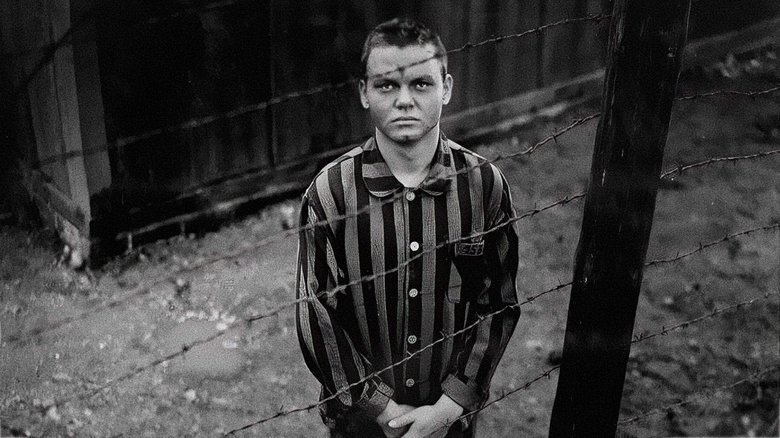
They Called Him Amigo
A refugee from a Nazi concentration camp is discovered by some boys in WWII Berlin. They provide him with food and help him to continue his flight. Later one of the boys, the son of a communist, is charged with theft, arrested and sent to a concentration camp.

The Sailor's Song
A film about the historical uprising of the seamen in Kiel: During the Russian October Revolution of 1917, German and Russian soldiers start to solidarize with each other. By disarming the officers, machinist Henne Lonke and stoker Jens Kasten prevent the attack on a Russian freighter. When German admiralty gives out orders for operation "Nibelungen", which would lead the German fleet into a suicidal attack against England and quell the revolutionary spirit, seamen and soldiers from different political backgrounds unite in protest.
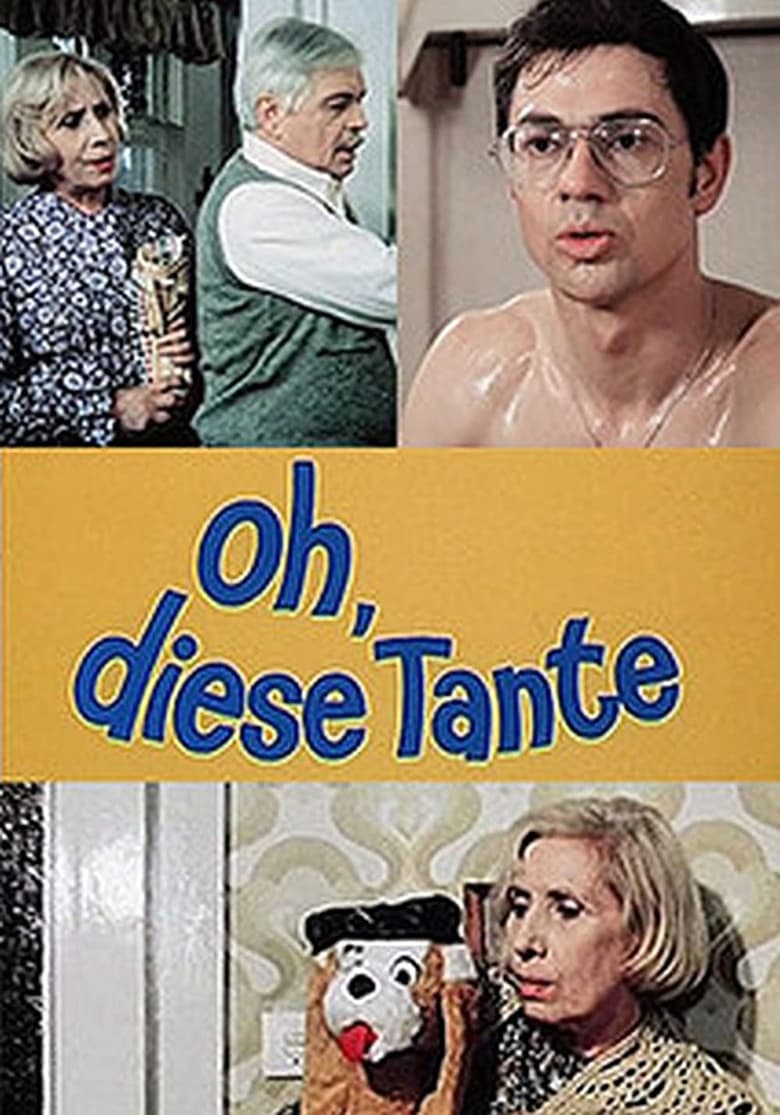
Oh, diese Tante
Heinz is a well-stocked veterinarian in Klückow and his Jana in quite firm, although not always present hands. And now - as Aunt Alma is slowly getting rid of the concern for her beloved nephew - Dr. Kröpelin finally got his chance: he makes a marriage proposal to Alma. She would not be averse if it had not been his "bloodthirsty" hobby, the hunt. A get-together on the high seat is still not a desirable prospect for Alma. But the more she refuses, the tighter Kröpelin bites into his intention to marry her anyway, whatever the cost.
Filmography
as Wachsoldat
as Alter Wirt
as Alter Mann
as Fürst
as Bauer (uncredited)
as Alter Trapper
as Sechster Arbeiter
as Wirt
as Kapitän Fauchelevent
as Kutschenhändler
as Büttel
as Gotthold
as Schmied
as Henker
as Male Nurse
as Kutscher Sebastian
as Wirt
as Schiessbudenbesitzer Richard
as Panse
as Brauer
as Wilhelm Breit
as Pförtner
as Wilhelm Lammers
as Erster Wärter
as Cashier
as Wüstenarbeiter (uncredited)
as Genossenschaftsbauer
as Betrunkener
as sailor
as Theaterdiener
as Bauer
as Chenildieu (uncredited)
as Kapitän
as Wirt
as Möbelträger
as Diener
as Brandler
as Bauer
as Versammlungsteilnehmer (uncredited)
as Dritter Leutnant
as British Agent
as Zweiter Hahnenkämpfer
as Der Dieb
as Paul Körner
as Paul
as Sam Taylor