
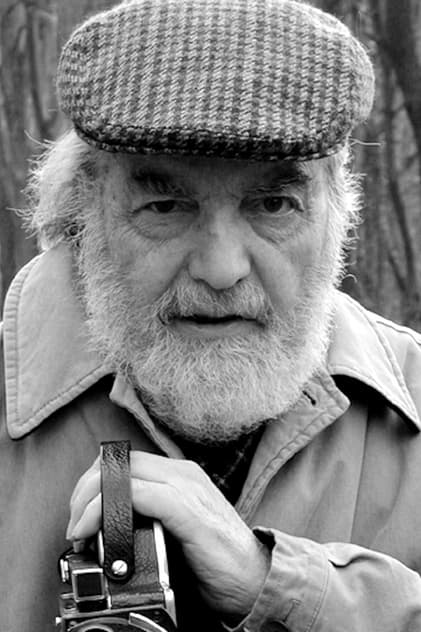
Osvaldo Bayer
Writing
Biography
No biography available for Osvaldo Bayer.
Born: May 18, 1927
Place of Birth: Santa Fe, Argentina
Known For
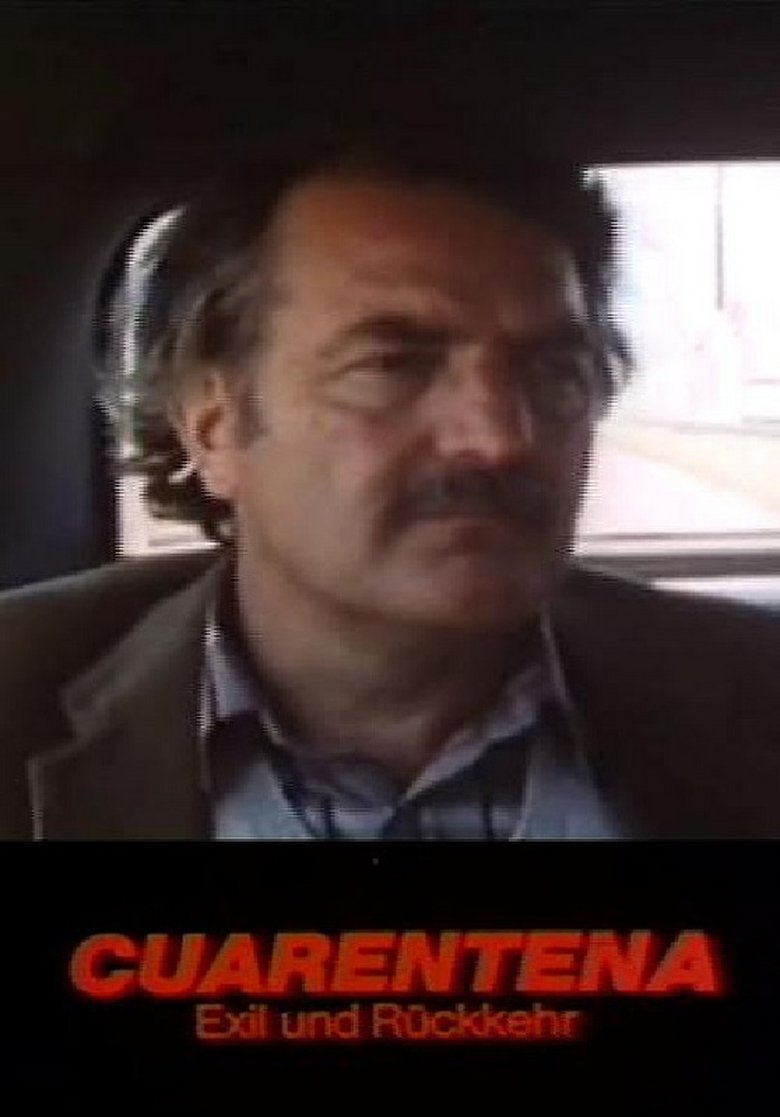
Cuarentena (Exil und Rückkehr)
The days between the end of the military dictatorship and the beginning of the constitutional period from 1983: political debates in the streets and the meetings of the Mothers of Plaza de Mayo, who were waiting for the role that each political party would play to claim for the disappeared. Osvaldo Bayer in first person.
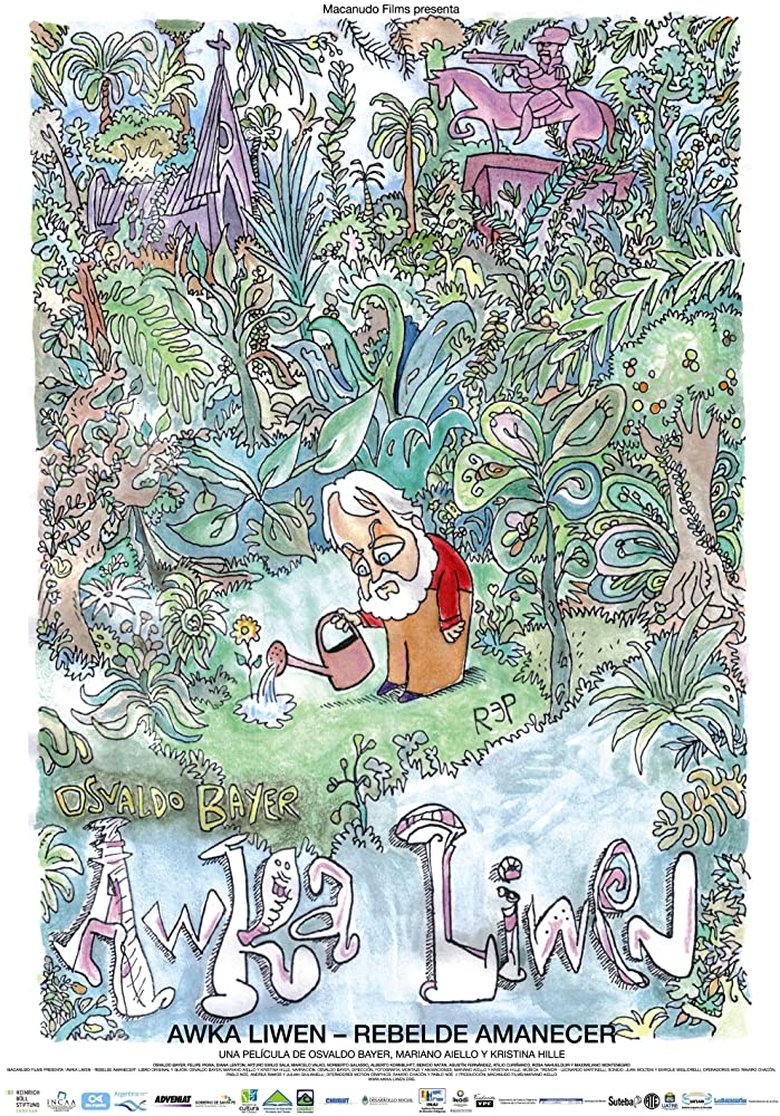
Awka Liwen
This documentary exposes the untold story about the killing of native Southamerican people in Argentina in the late XIX century, with the aim of taking their lands for economical and political purposes.
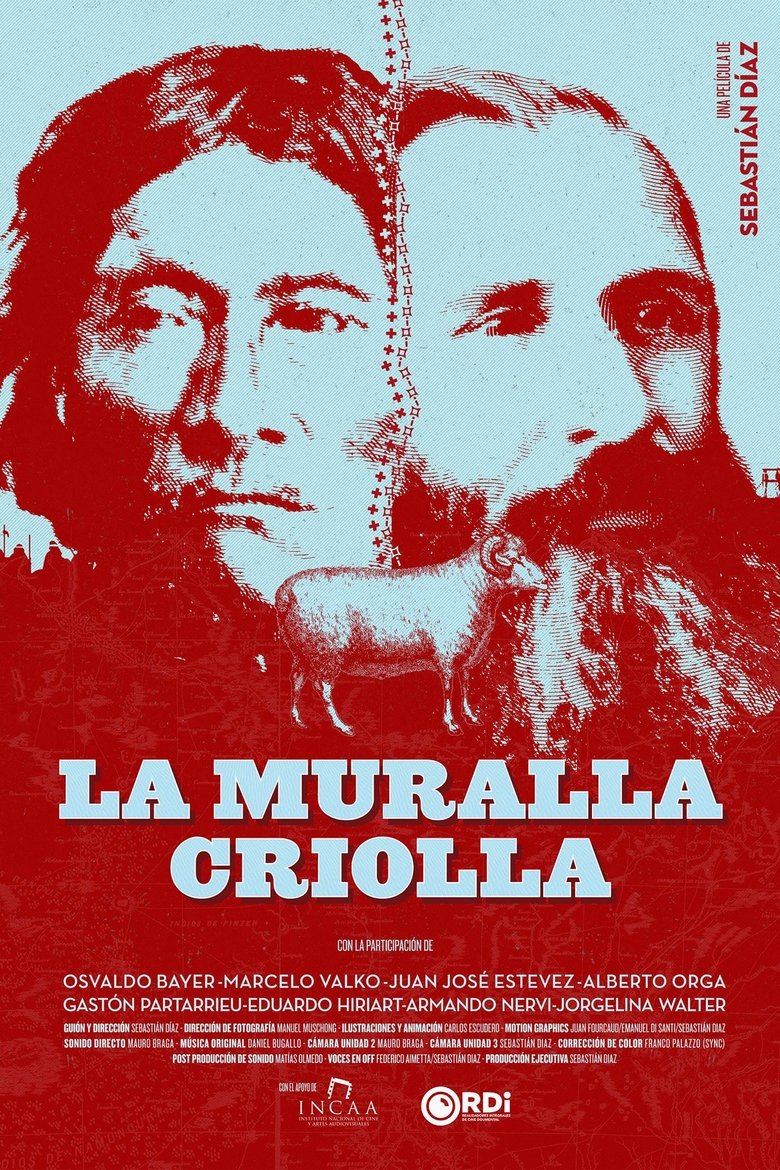
Alsina's Trench
Documentary film about the "zanja de Alsina", a long trench dug in the Argentinian Pampa in 1876 as way to separate the "civilized" from the "barbarians" during the massacre of indigenous peoples known as "campaña del desierto".
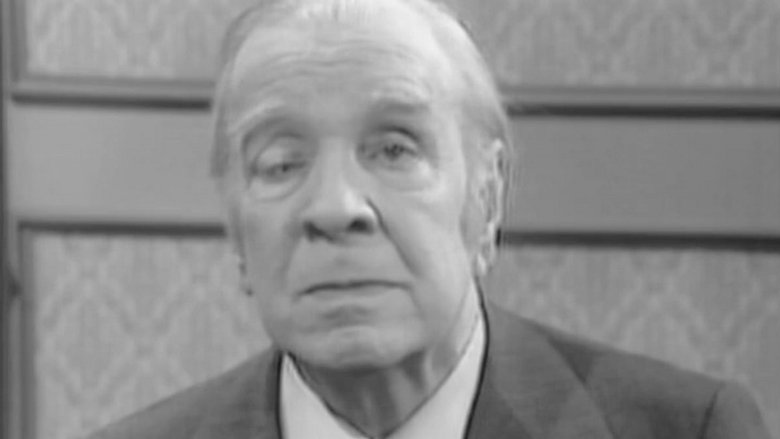
Harto the Borges
A fragmented biography, inconclusive, partial, of the brilliant Argentinian writer Jorge Luis Borges, based on different testimonies: his links with Leonor de Acedevo —his mother— and María Kodama —his second wife—; his vast culture and devout dedication to literature, his and that of others; his country: the politicians and the disloyal military. Borges gradually builds his own impersonation of Borges.

Ángel, la diva y yo
Buenos Aires at the end of the millennium a young filmmaker hopeless about their future decides to film his last act.
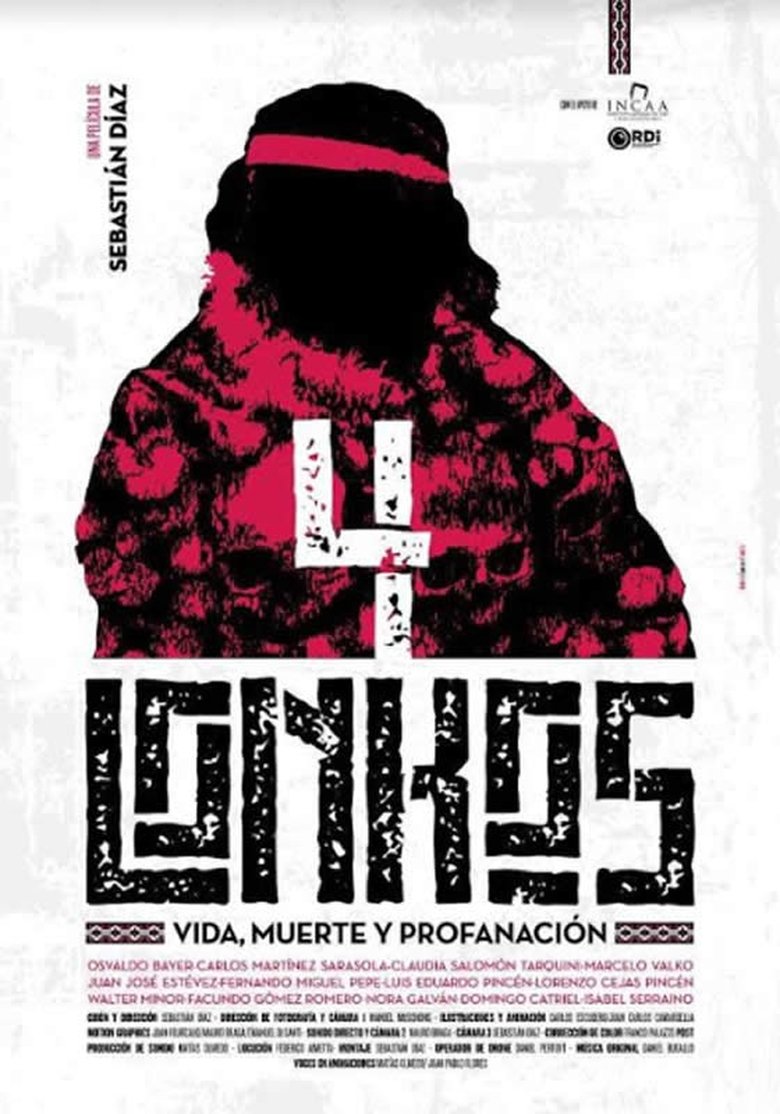
4 lonkos
Documentary that tells the life, death and desecration of the mortal remains of three great chiefs of the pampas and Patagonia: Mariano Rosas, Cipriano Catriel and Juan Calfucurá, who after the bloody Desert Campaign, were desecrated in the name of science (whose skulls ended up swelling the collections of Argentine anthropological museums) and a fourth lonko or cacique, the irreducible Vicente Pincén, who once stopped by Colonel Villegas, could only be captured on four famous photographic plates.
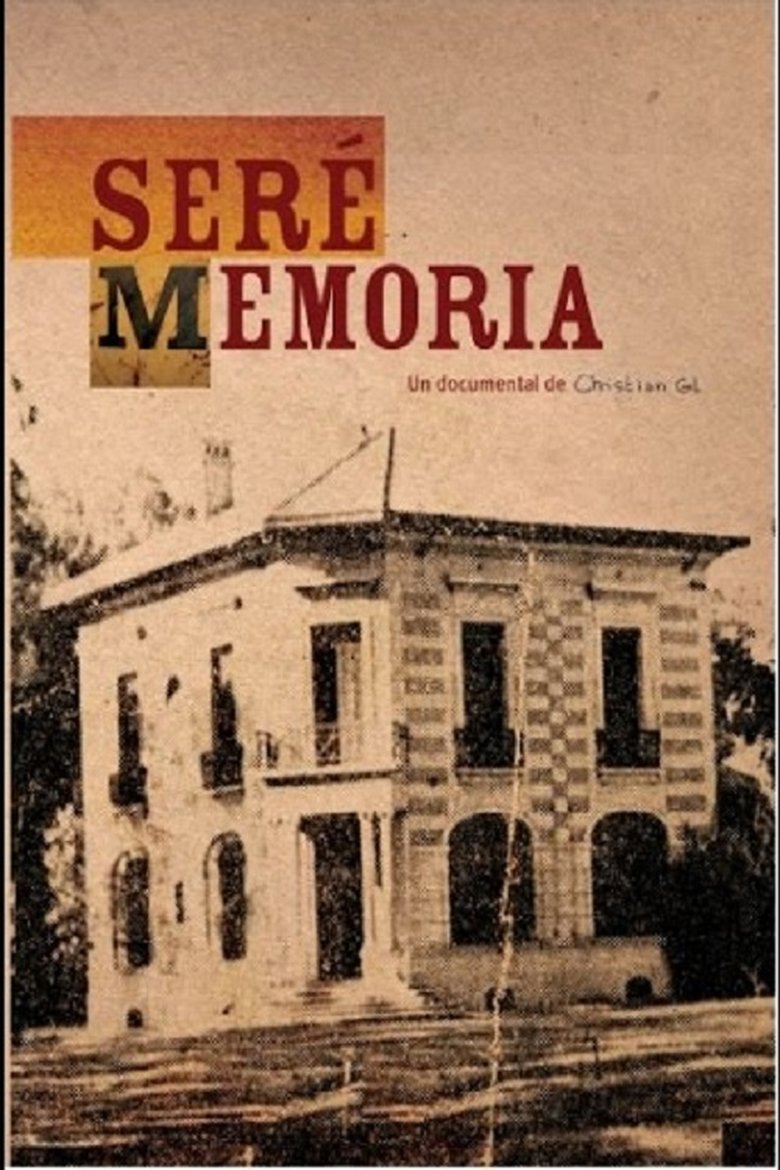
Seré Memoria
The documentary rescues in its essence the experience of the first Clandestine Center in all of Latin America converted into a Museum ("Espacio Mansión Seré", inaugurated in March 2013) and manages to make visible a place where, years ago, death and horror ravaged, where today life, art and activism can flourish to continue building a country that explores its past, understands its present and looks with hope to the future.

Soy mestizo
The natural sciences museum of La Plata, Argentina, had indigenous people held captive as study objects in the past, and their skeletons were on exhibit for many decades. The story of Krygi, served as a trigger to look back at the ideologies that defined us as individuals and as a people.
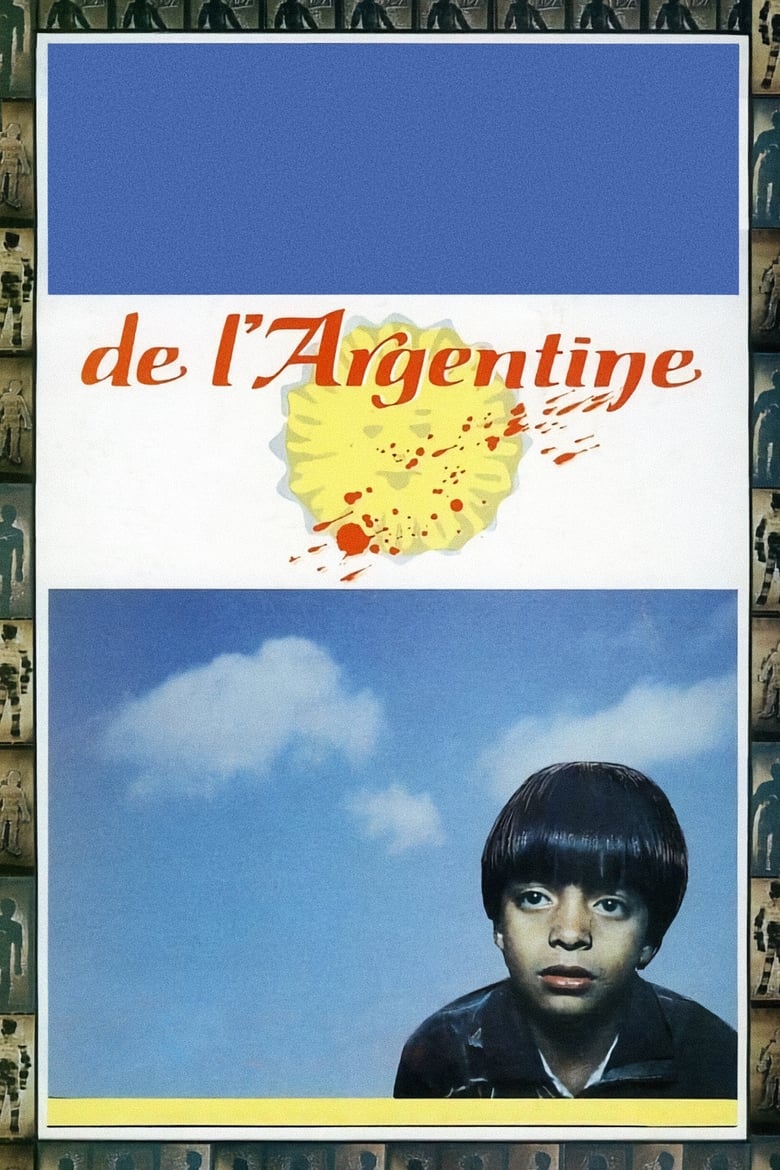
For Example, Argentina
Documentary on State terrorism during the last military dictatorship in Argentina, made in its aftermath. Invited by the Goethe-Institut to hold a workshop with young film students, Schroeter contrasts the official statements of the regime with the testimony of victims, dissidents and relatives of the disappeared. And trust that their faces and words will resonate much more than a mere representation of violence.
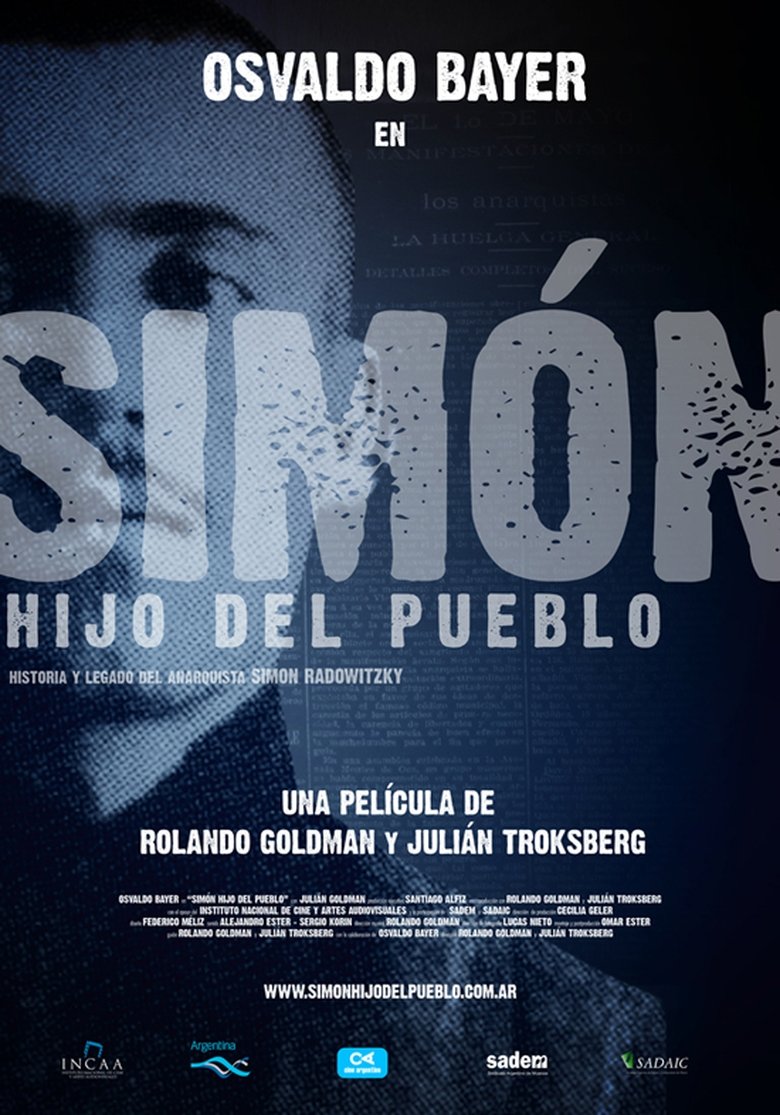
Simón, el hijo del pueblo
The story of the mythical anarchist begins to weave on May 1, 1909, when the police repress a massive anarchist march in Buenos Aires, leaving dead and wounded. A few months later, the carriage of Ramón Falcón, the police chief who commanded the repression, explodes and flies through the air. For the attack, a young Ukrainian is arrested: Simón Radowitzky.
Filmography
as himself
as Himself
as Self
as Self
as Himself