
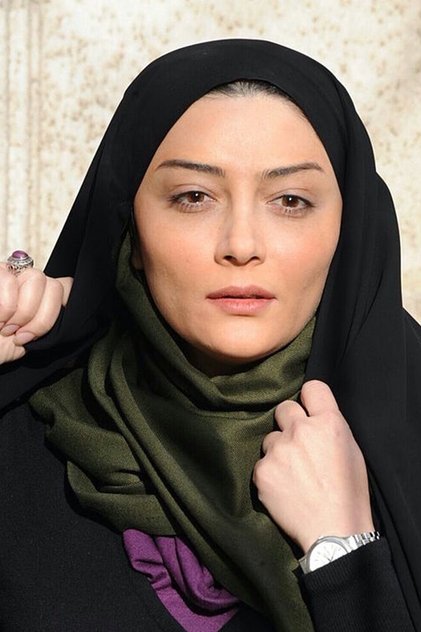
Pantea Mehdinia
Acting
Biography
No biography available for Pantea Mehdinia.
Known For
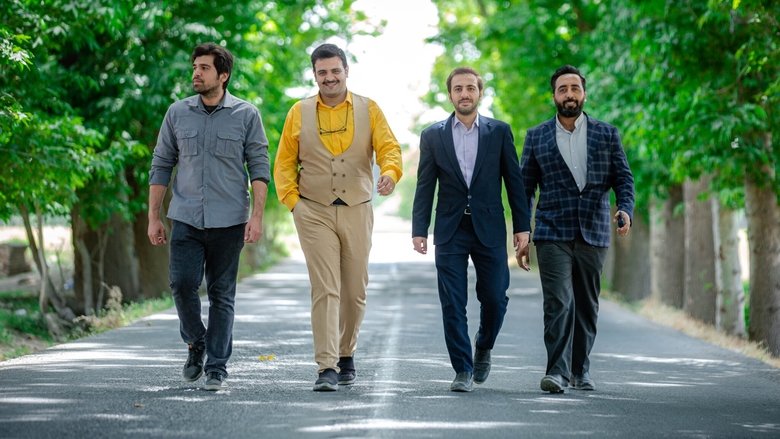
The Yellow Status
Saeed is a centrifuge designer who was fired from the Atomic Energy Organization; The dismissal of this nuclear scientist has a plot that drags the audience with it until the end of the work.
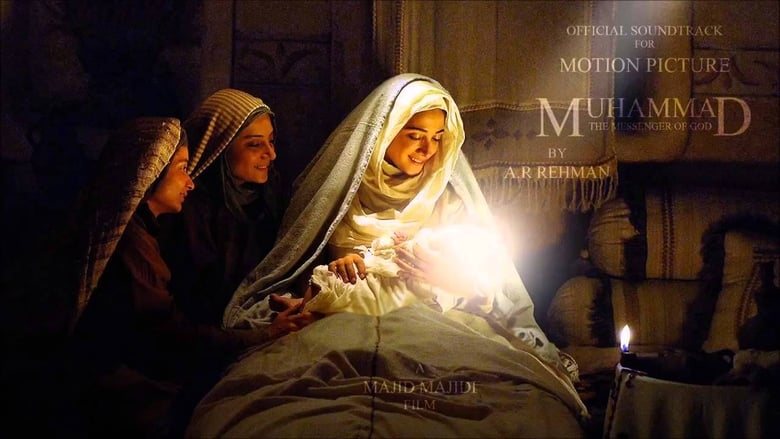
Muhammad: The Messenger of God
Muhammad: The Messenger of God is an 2015 Iranian film directed by Majid Majidi. The story revolves around the childhood of the Islamic prophet Muhammad. The film marks Iran's biggest-budget production to date and is the first part of the planned trilogy on the life of the Prophet. Barring a few scenes filmed in South Africa, the majority of the filming was done at a colossal set created in the city of Qom near Tehran. The film was officially announced in October 2011 and its filming was completed by 2013. The cinematography is done by Vittorio Storaro and film score is composed by A. R. Rahman. The film was selected for the Oscar for Best Foreign Language Film at the 88th Oscar ceremony in 2016, but was excluded from the short list.

Vacant Room
Nooshin hears something she shouldn't hear and tells someone she shouldn't tell.

The Turtle and The Snail
Pedram, 10, lives with his mother Afsaneh and has many problems with her. Afsaneh plans to get married, but she faces opposition from Pedram, who believes this is the reason for Pedram's problems. Pedram meets a strange young man and a secret friendship develops between them.
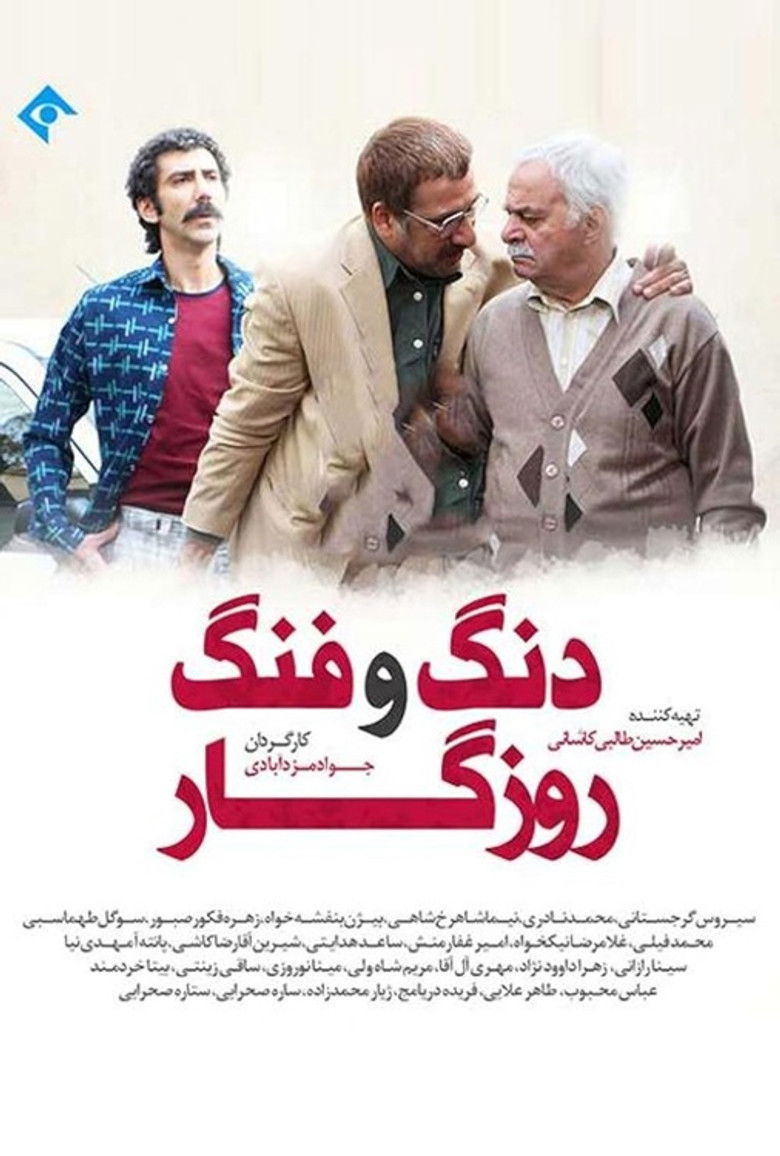
Dang O Fang-e Roozegar
The story revolves around the relationship between two friends who run into problems in a partnership and are forced to hide the problem for years. This concealment leads to humorous events. In one part of the film, one of the friends tries to sell his share, which causes his partner to be upset and retaliate when he finds out.
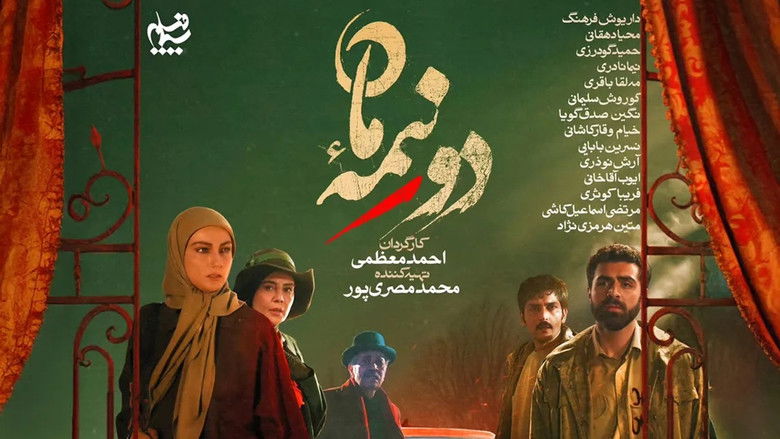
Do Nimeye Maah
The series depicts the presence of the Mujahideen group in three different periods of Iranian history. In the 1940s, when the group first began its armed struggle. The story then moves to the 1950s, where the characters gradually change. At this point, the sub-stories, along with the main story, try to show a different narrative of the group. At the end of the story, it moves to the 1960s and depicts the events of this period. The story is told from the perspective of two children named Azar and Vahid. The children lose their parents because a member of the Mujahideen hides in their house and go to the orphanage of a woman named Madame.