
Pascal Aubier
Directing
Biography
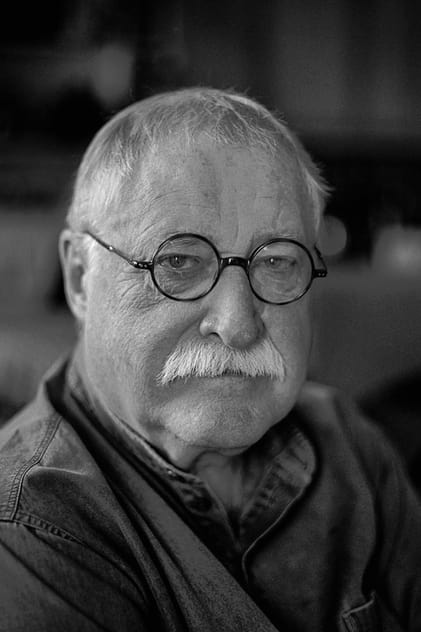
Pascal Aubier (1943) studied Russian, Chinese, Mongolian, Georgian and Wahilu (New Caledonian) at the Ecole de Langues Orientales in Paris. Aubier was an assistant director to Jean-Luc Godard (Bande à Part, Le Mépris, Pierrot le Fou, Masculin Féminin, Weekend). In 1970 he made his first feature film Valparaiso, Valparaiso. Since then he has made about forty shorts. In 1976, he made his second feature Le Chant du Depart.
Born: January 7, 1943
Place of Birth: Paris, France
Known For
Le Cri des hommes
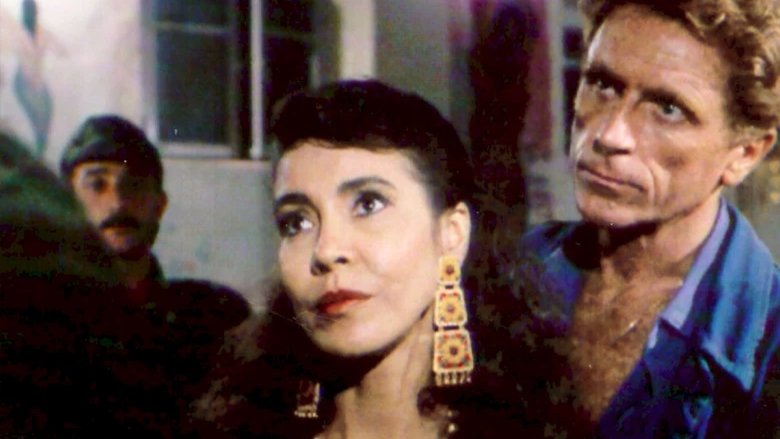
1957, the town of Mostaganem, Algeria: the country is still under French occupation, and repression of the National Liberation Front is at its height. The authorities indulge in torture, intimidation and public executions.
Le Rescapé
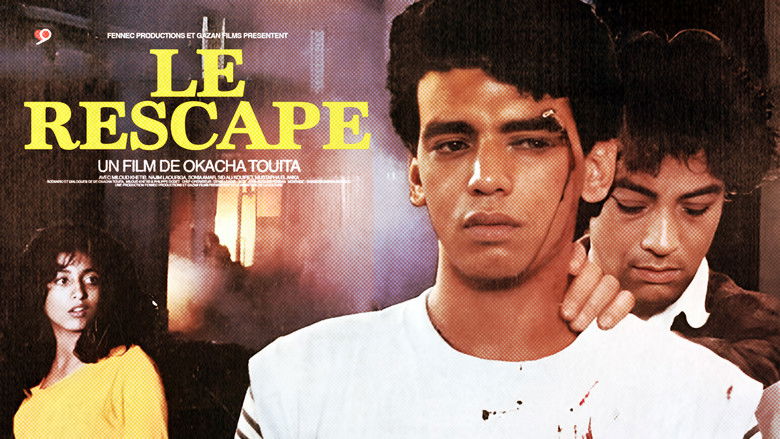
In a working-class immigrant neighborhood slated for demolition, Jo, the son of Ali, known as the Rescuer from the Algerian war, lives idle and delinquent, committing small assaults to pay for his drugs. One day, while attacking Slim's bar, he is arrested by Ben, a young beur cop torn between his roots and the imperatives of his mission to maintain public order. Giving in to the respect and friendship he feels for Ali, Ben agrees to release his son. But alas, far from calming down, Jo drifts deeper into violence, until the inevitable drama.
Les femmes et les enfants d'abord
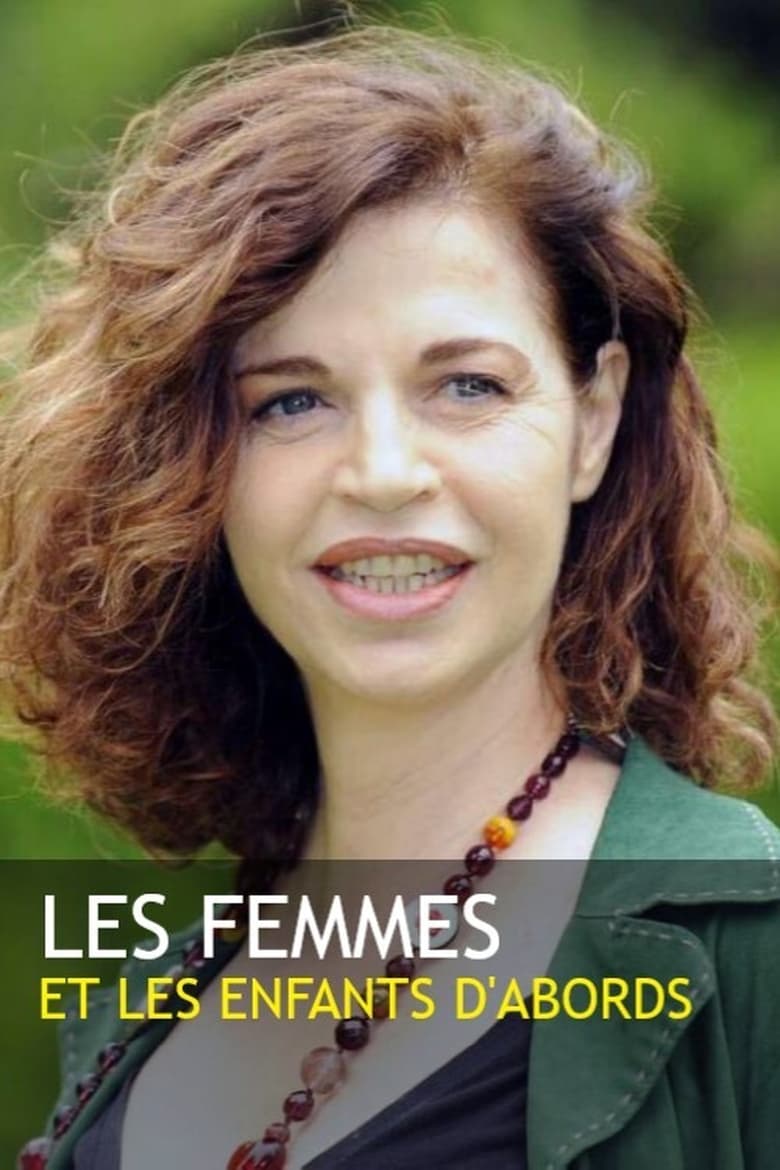
Rose was a brilliant student of Fine Arts. Then, she gave up everything for a "beautiful marriage". Now in her thirties, she is experiencing more and more difficulties in her life, which is both materially overprotected and difficult with her three children and an increasingly absent husband. She breaks down, cracks up and tries to imagine how she could broach the subject with her husband before it's too late. To her great amazement, it was Didier who, one evening before going to visit friends, announced that he was leaving and that he had already rented a small studio. After the shock, Rose goes to her father, an old Spanish anarchist, who gives her back the taste for values she thought she had lost.
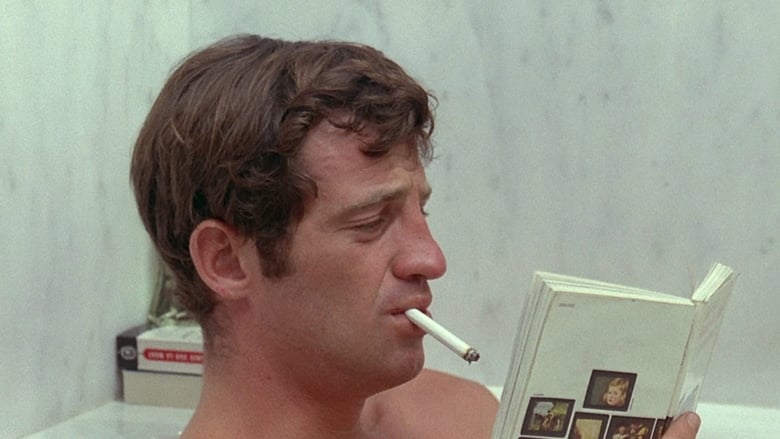
Pierrot le Fou
Pierrot escapes his boring society and travels from Paris to the Mediterranean Sea with Marianne, a girl chased by hit-men from Algeria. They lead an unorthodox life, always on the run.

Winter Wind
Croatian anarchists collaborate with Hungarians to make a bid for the life of King Alexander of Yugoslavia.
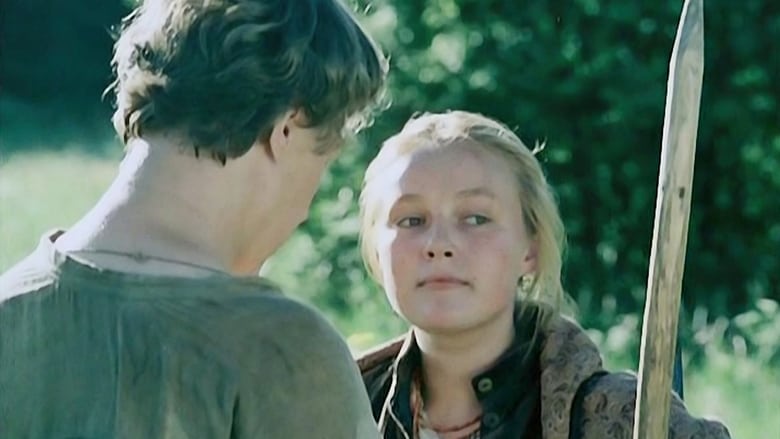
Siberiade
The story about a very small god-forgotten village in Siberia reflects the history of Russia from the beginning of the century till the early 1980s. Three generations try to find the land of happiness and to give it to the people. One builds the road through taiga to the star over horizon, the second 'build communism' and the third searches for oil.
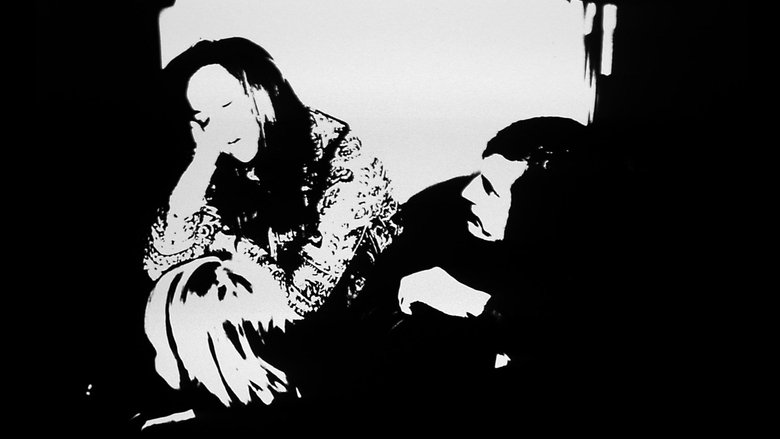
Fun and Games for Everyone
“FUN AND GAMES (FOR EVERYONE): a pitch black and milky white film shot during one of Olivier Mosset's exhibition openings. A psychedelic game of improvisation joins the Zanzibar group with Salvador Dalí, Barbet Schroeder and Jean Mascolo... the solarized image reminiscent of thick strokes of a paintbrush.” - Philippe Azoury

A Mother, a Daughter
Anna is a stylist in Budapest. One day at a restaurant, she thinks she recognizes Marie Aubier, a 22-year-old French girl, her own daughter.
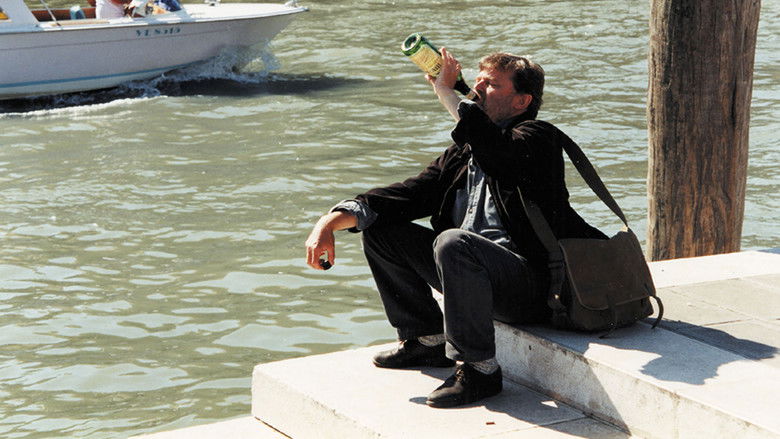
Monday Morning
Vincent lives in a village, along the Rhône. Every morning he goes to the factory to work, and in the evening he takes care of his family. One day, he decides to go on a trip with the money given by his father.

Chasing Butterflies
Two old ladies live in a French chateau. When one of them dies, her sister, who lives in Moscow, inherits the property, which soon ends up in the hands of Japanese businessmen.
Filmography
as Un cosaque
as Lighthouse keeper
as Le Comissaire
as Jefe de camareros
as Monsieur Laplace
as Le maton
as Tihomir
as Raphaël
as Eugène Dieudonné
as Georges
as Manager (uncredited)
as The Second Brother (uncredited)